Thing of Ours Review: Serial Killers Play Mafia in Broad Daylight


 See more Architeg Prints stories on Google.
Thing of Ours Review: Serial Killers Play Mafia in Broad Daylight
Thing of Ours turns veteran rap chemistry into a code-of-silence fantasy—tight, funny, and occasionally stuck in its own costume.
The Setup: This Album Isn’t “Back Together”—It’s “Still Here”
This album doesn’t walk in asking permission. It walks in like it already owns the room, and you’re just the person holding the door.
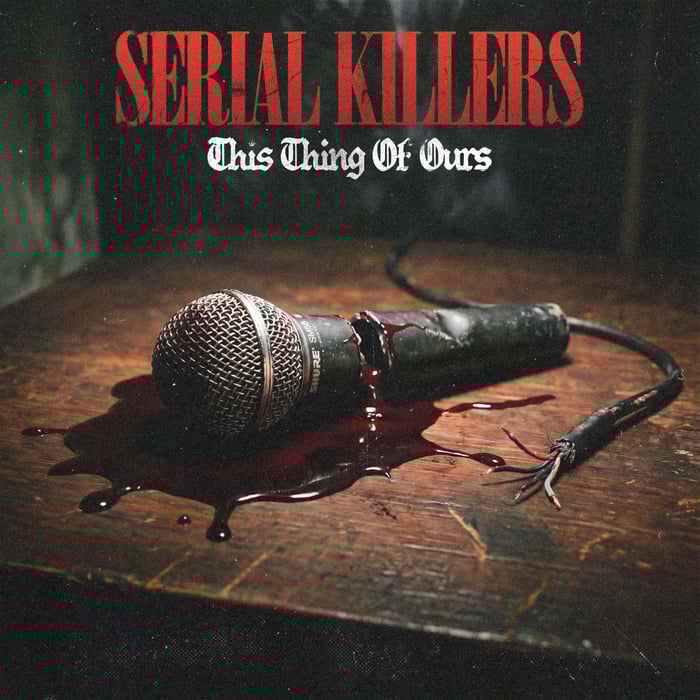
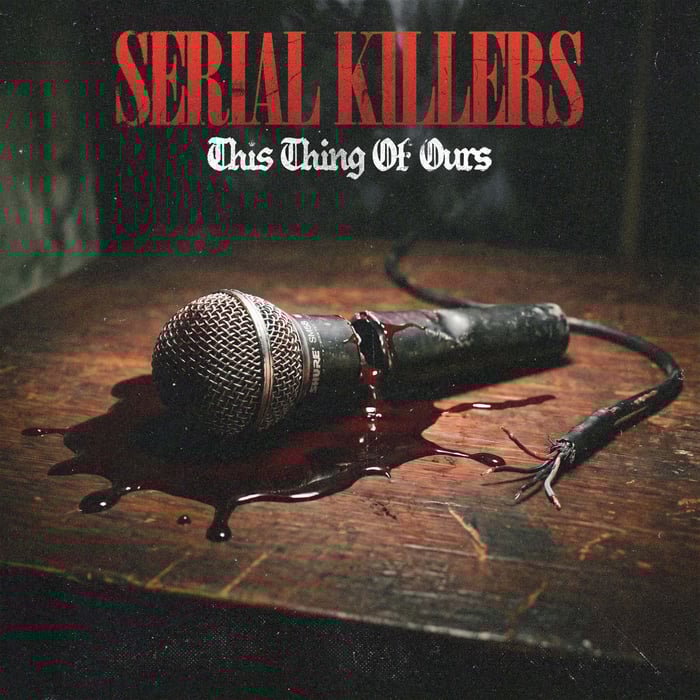
Thing of Ours is the second full album from Xzibit, B-Real, and Demrick as Serial Killers—a trio that’s been moving as a unit since they first linked up on Halloween 2013. And the real engine here is Scoop DeVille, who handles the entire production slate. That matters because the whole record plays like one long decision: no beat-shopping, no “let’s try something trendy,” no awkward genre tourism. It’s one producer building a street-level set for three voices who already know where they stand.
Also—small but telling—Scoop doesn’t stay behind the glass. He raps a verse on “By Any Means,” and it lands cleaner than I expected. I’m not saying he outshines the headliners, but he doesn’t embarrass himself either, which is more than some “producer-turned-rapper” experiments can say.
Scoop DeVille’s Real Flex: He Finally Acts Like an Album Producer
Here’s what I think Scoop DeVille is doing: proving he can build a full-length mood without needing a committee.
His backstory is the kind of L.A. mythology that sounds fake until you realize it isn’t. As a three-year-old, Elijah Blue Molina shows up in his father Kid Frost’s 1990 “La Raza” video—basically a cornerstone moment for Chicano rap culture. Later, as Scoop DeVille, he becomes the guy everybody calls: producing “I Wanna Rock” for Snoop and JAŸ-Z, picking up a Grammy nomination tied to Kendrick Lamar’s good kid, m.A.A.d city via credits on “Poetic Justice” and “The Recipe,” and stacking a résumé that screams “most-booked beatmaker on this side of the 10 freeway.”
But until Thing of Ours, he hadn’t carried an entire proper album alone. That’s the difference you can hear: the beats don’t feel like a playlist. They feel like a neighborhood—same lighting, same threat level, same sense of motion.
I’ll admit, on first listen I assumed the production would be functional, like scaffolding for three established rappers to talk their talk. On second listen, I caught how often the beats quietly frame the personalities: horns that tease a bigger, flashier record they’re intentionally not making; loops that suggest chaos while the rappers keep everything disciplined; little audio choices that make the “code” theme feel structural instead of decorative.
The Gimmick That Refuses to Be a Gimmick
The title translates La Cosa Nostra directly, and the album treats that idea like a rulebook, not a Halloween costume.
The opening move is basically: we’re a circle, we’re loyal, we don’t leave proof. The hook on the title track lays out the code in plain language—powerful trust, no evidence, nothing relevant left behind. It’s blunt enough to be funny, but it’s also the mission statement for how the record is written. The “mafia” thing isn’t just slang; it becomes a songwriting constraint.
On “Hand Grenade,” Xzibit boils the whole omertà fantasy into one line—no body, no case, never confess—then twists the knife with a closer couplet that sounds like it was written specifically to be repeated by anyone who’s ever watched a courtroom drama and thought, yeah, I’m built like that. The punchline is that it’s not really about law. It’s about control. The album keeps insisting that the real power is choosing what never gets said.
And then “Slippin” goes further and stages an actual robbery mid-track: a quick skit where somebody out of town gets pressed about where he’s from, gets his watch admired, and then—shockingly fast—gets separated from it before the beat snaps back in. Later, B-Real tosses in an AirTag warning, which is such a modern detail it almost breaks the mob-movie illusion… but it doesn’t. It actually proves the point: this is a Cosa Nostra story updated for people who live with tracking tech in their pockets.
If you’re waiting for a track where they drop the premise and get “deep,” you might be waiting a while. I’m not even sure they want depth the way people usually mean it. The concept is the depth: repeat the code until it feels like muscle memory.
The Rotation Never Changes—And That’s the Whole Point
The record’s structure is practically ritual. It doesn’t “switch things up.” It locks in.
Demrick opens almost every track, and that’s not an accident—it’s a control move. His voice is drier and quicker than the veterans, and he slices into songs like a cold start. There’s a line that sticks because it’s said like a simple truth: “California sunshine, won’t spend my life dodging one time.” He’s the one who makes the album feel current, not by chasing trends, but by sounding like he’s still hungry.
B-Real sits in the middle slot with that nasal, instantly recognizable pitch—Cypress Hill DNA, still loud in the blueprint. On “Fired Up,” he drapes a wild line (“they call me flamethrower, the greatest seed sewer”) over a horror-film vocal sample, and it works because he always sounds like he’s smiling at the danger. He makes threats sound like party favors.
Xzibit tends to close tracks or handle hooks, and his voice is rougher now than the Restless era, but the writing is sharp—honestly as sharp as I’ve heard from him in years. On “SK Anthem,” he jokes about the group itself—“We deserve an Oscar from the way we act”—and then openly labels the lane: “Tony Soprano rap.” That’s not subtle. That’s him telling you the album is performance and belief at the same time, which is a contradiction the record seems to enjoy.
A reasonable listener could argue this predictability is a limitation. I get it. But I think the point is to feel like a crew operating on habit—like the order never changes because the order is what keeps you alive.
“Anarchy” Is Where the Mask Slips—and Xzibit Finally Swings
Then the album does something rare: it breaks its own routine once, and it matters.
On “Anarchy,” Chuck D shows up barking the title over a loop that sounds like it wandered in from a lost Bomb Squad session. The beat has that stern, old-school urgency—like a warning siren that doesn’t care if you’re busy. And Xzibit uses that opening to unload what feels like the album’s one career verse—the one moment where the character talk snaps into something more personal and expensive.
“Monetize, kill my masters, broke the system.”
Everything else on the album is code, threat, location, loyalty, flex. But that line is economics. It names the cost of ownership after years of major-label gravity. It’s the one time the record stops cosplaying and talks like somebody who’s actually been in boardrooms, contracts, and long tours.
Nothing else on Thing of Ours tries to match that weight. If you wanted more of that, you might feel a little teased. I did. Part of me kept waiting for the album to follow that door it opened—but it doesn’t. It goes back to business. Still, that’s the point: the verse stands alone because it’s the one time the “circle of trust” sounds like it includes the artist himself, not just the crew mythology.
Los Angeles Isn’t a Backdrop Here—It’s a Boundary Line
The same way the mafia conceit is baked into the writing, L.A. is baked into the threats. The album doesn’t romanticize the city; it uses it like a map with rules.
On “Slippin,” Xzibit draws a jurisdictional line so clean it feels like a street sign: “Never go south of the 10 if you from out of bounds.” That isn’t just local color. That’s a worldview—space as loyalty, geography as identity. A few tracks earlier, the streets are described as a grinder that turns people into ground beef. It’s violent language, but it’s also the album admitting that this “thing of ours” isn’t glamorous. It’s survival theater.
B-Real also talks about people leaving California over “the taxes and the crime rate,” and it lands like a shrug—like, yeah, people run, and the ones who don’t run learn the code. Meanwhile, on the title track hook, the producer gets name-checked directly: “Scoop beat droppin’ here like hydraulics.” That kind of self-insertion could sound tacky if the beats didn’t back it up. But Scoop earned his stamp here, because the production really does feel local: zip code energy, freeway numbers, and a specific strip of pavement you can almost see.
This is one of those albums where the threats come with coordinates.
When the Concept Gets a Little Too Comfortable
Here’s where I hesitate: the album sometimes confuses commitment with variety.
“Levels” leans into video-game talk—cheat codes, extra life, beast mode, hall of fame top score—and it’s so consistent that it almost gets stuck. The idea binds every verse to the same conceit, but the language can feel trapped inside the 16-bar box. I get what they’re doing—turning life into a scoreboard, loyalty into progression—but it doesn’t evolve much inside the song. It’s one of the few moments where I wanted a left turn that never came.
And by the time “We Are the Killers” closes the album, it’s covering ground the earlier tracks already handled. Everyone stays in their usual lane. That’s not a disaster—this trio’s lanes are the selling point—but it does make the finale feel like a final lap instead of a final statement.
Even “High Energy” has a moment that says it all: Demrick drops “Life’s a casino, not a crash pad” over a horn loop that feels like it belongs to a record they were never going to make. That horn loop hints at a bigger, brasher universe, and then the track keeps its shoulders squared and walks away. If you wanted the album to gamble more, you might find that restraint mildly frustrating.
Still, restraint is also the aesthetic. The album wants to sound like pros who don’t panic.
The Tracks That Actually Stick (Yeah, I’m Picking Sides)
- “Fired Up” — B-Real over that horror-flavored sample is the kind of on-brand weirdness that makes the crew feel dangerous again, not just nostalgic.
- “Anarchy” — the Chuck D presence and that Bomb Squad-like loop give Xzibit the space to say something that costs something.
- “Slippin” — the robbery skit is the rare narrative move that makes the “code” feel lived-in, not simply recited.
If you disagree, fine. But I’d argue these are the moments where the album stops posing and starts moving.
Conclusion: A Crew Album That Refuses to Apologize for Being a Crew Album
Thing of Ours doesn’t chase the current rap conversation. It builds a closed circle and raps inside it—same roles, same order, same rules, and one producer keeping the whole operation lit from the same streetlamp. The best moments (“Anarchy,” “Slippin,” “Fired Up”) prove the concept can do more than posture. The weaker moments show what happens when a theme gets too comfortable and stops surprising even the people using it.
Our verdict: People who like veteran rap that sounds organized, local, and unapologetically “in-house” will actually love Thing of Ours. If you need big emotional range, experimental structure, or hooks that beg for TikTok—this album will feel like being told “you had to be there,” and then being politely shown the exit.
FAQ
- Is Thing of Ours more about bars or concept?
Concept first, bars second. The writing serves the “circle of trust” idea, and the best bars happen when that concept tightens the screws. - Who carries the album most consistently?
Demrick sets the tone by opening nearly everything, but Xzibit has the sharpest moments—especially when he stops acting and starts arguing. - Does Scoop DeVille’s full-album production get repetitive?
It stays cohesive on purpose. If you want beat variety, you might call it repetitive; if you want an actual album mood, it’s the point. - What’s the one track that breaks the album open?
“Anarchy.” Chuck D’s presence and the harder-edged loop push Xzibit into a heavier, more personal lane. - Are there any moments where the album drags?
“Levels” can feel boxed in by its video-game language, and the closer (“We Are the Killers”) revisits themes the album already nailed earlier.
If this record put a specific image in your head—crew mythology, L.A. coordinates, coded symbols—you can always snag a favorite album-cover poster to match that vibe over at Architeg Prints. It’s an easy way to let the room say what you’re listening to without explaining it.
 | DISCOUNTGET 30% OFF*Use code on your next order:
|
* This post may contain affiliate links, meaning we earn a commission if you make a purchase through these links, at no additional cost to you.