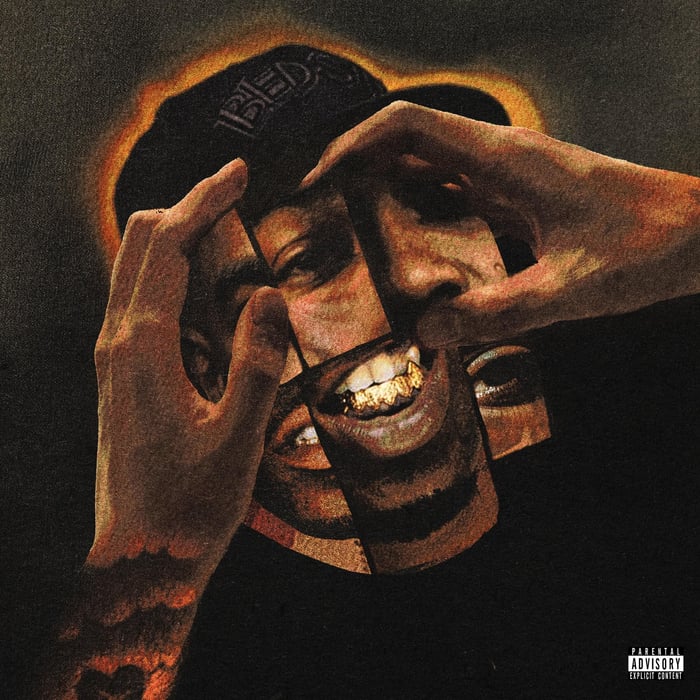
Still Trying to Figure Me Out Review: Eddie Kaine Builds a Fence (On Purpose)


 See more Architeg Prints stories on Google.
Still Trying to Figure Me Out Review: Eddie Kaine Builds a Fence (On Purpose)
Eddie Kaine’s “Still Trying” isn’t a diary—it’s a boundary line, set to soul loops and mid-paced precision.
A record that opens by refusing you
Most albums start by inviting you in. This one starts by telling you you’re not getting the full tour, and it somehow makes that feel like the point.
Eddie Kaine kicks off his tenth producer-paired record by labeling himself unfinished—“still tryna figure me out”—and he doesn’t treat it like a cute hook. He treats it like policy. The line runs the refrain of the opener (the title track), shows up again inside “Top of the World,” and after that it stops sounding like a confession and starts sounding like a posted sign: don’t expect clarity here. A lot of rappers use “I’m still figuring myself out” as bait, like you’re supposed to lean closer. Kaine does the opposite. He backs up and lets the distance stay.
I thought, at first, that this would turn into one of those “cryptic for the aesthetic” listens. On second pass, it hit me: he’s not being mysterious. He’s being practical. He’s basically saying, I’m not here to be understood, I’m here to work.
That “independent” talk isn’t branding—it's the fence
Once you hear the money-ethics running under the verses, the whole album tightens up.
The record keeps painting the same line in different ways: independence, long-game survival, no interest in major-label theater. Mani Coolin drops the cleanest version of it on “Don’t Think About It”—twelve years independent, never cared about a major deal—and it lands because it’s delivered like a fact, not a slogan.
Kaine’s own version is sharper and more annoyed. On “Thieves,” he talks about staying sucker-free “in the spectacle era,” and he takes aim at rappers chasing likes and streams like that’s the prize. If you’re expecting him to secretly want the same spotlight, you might argue he’s protesting too much. But the album doesn’t sound like jealousy. It sounds like someone who already decided what counts as winning.
BhramaBull—Los Angeles producer on every beat here—backs that stance with choices that don’t beg for algorithms. Soul-heavy samples, drums sitting low instead of punching you in the face, and a general refusal to over-decorate. His catalog behavior matters, too: he clearly lives in the rapper-paired world (multiple Street Purgatory tapes with Reek Osama, projects with Rim and Monday Night, and the 2024 Wire Transfer 7-inch that linked him with Kaine and Reek Osama before this album). That context leaks into the sound: this isn’t “producer flexes, rapper survives.” It’s two people agreeing to keep it workmanlike.
An arguable take: this album isn’t trying to be “transparent.” It’s trying to be un-purchasable. Like, you can stream it, sure—but it won’t act like content.
Grief shows up like normal traffic, not a special event
Here’s the part people might miss if they only half-listen: the record grieves constantly, but it doesn’t stop moving to do it.
On “Pray for Me,” Kaine mentions his little brother’s death right away—early enough that it doesn’t feel staged, and blunt enough that it doesn’t feel like a scene. Other losses show up the same way: Boom P. takes an RIP on “Cups Up,” and by the time that track ends, the outro is also saluting Biggie Smalls and DJ Kay Slay (the Drama King). “Thieves” folds Bushwick Bill and Tommy Strong into the same verse where Kaine is talking about not getting trapped in spectacle.
That’s the album’s actual emotional technique: it refuses the “now we get serious” lighting change. A brother, local OGs, rap elders, scene ghosts, childhood attrition—Kaine keeps them inside working verses. No pause for ceremony. If you wanted a big tearful centerpiece, you might even feel shorted. I did, briefly. Then I realized the refusal is the statement: grief doesn’t arrive with an intermission bell. It just rides with you.
An arguable take: the album’s sadness is more believable because it’s inconvenient. It shows up while the rest of life keeps talking.
Kaine’s wordplay is doing labor, not showing off
The pen on this thing isn’t there to sparkle. It’s there to prove he’s awake.
Kaine writes with that specific kind of precision where the line sounds casual until you replay it and catch the hinge. “Pray for Me” lands one of his sharpest couplets—“Had to realize the lies lie beneath the truth / Real eyes be seein’ through the real lies”—and it’s the kind of bar whole careers have been built on at a lower voltage.
“Cups Up” swings a different kind of technical: “Paid in full, they say I money making Mitchin’ / Been the king for a minute, Mitch Richmond.” That’s a lot packed into a short space—Mitchy Slick nod, Sacramento Kings reference, the “Mitchin’” word-turn—without sounding like a crossword puzzle. Same thing on “Smoking Burner,” where he talks about fakes and compares himself to Jake the Snake. It’s a wrestling reference and a biblical allusion sitting on top of each other, and he doesn’t lean on either one too hard. That’s the trick: he trusts the listener to catch up.
And the flow choice is part of the writing. He stays mid-paced, talkative, writerly. A faster delivery would let the wordplay blur by. Kaine doesn’t want blur. He wants you to hear the joints in the wood.
An arguable take: the real flex here isn’t the punchline—it’s the refusal to rush it.
BhramaBull’s beats don’t “bang”—they linger
If you’re coming here for huge drums, you’re going to think the mix is playing a prank. It isn’t.
BhramaBull builds with soul loops that feel lived-in, and he keeps the drums low enough that the sample often feels like the lead character. That choice makes the album feel less like a performance and more like a day continuing. It also keeps Kaine’s voice in control—no beat is trying to win the scene.
“Smoking Burner” is where the chemistry from Wire Transfer stretches into a full track. And the feature from Reek Osama—West Adams Blood, comfortable talking about slipping into a Crip woman “once in the blue” and watching an OG cook rock in a light bulb—ends up feeling like the strongest guest moment on the record. Not because it’s louder, but because it’s extremely specific and totally unbothered. The Los Angeles detail doesn’t blend into Kaine’s Brooklyn world; it just sits next to it like that’s normal. The loop under him does half the work, and Reek still does all of his anyway.
I’ll admit a moment of uncertainty here: I kept waiting for BhramaBull to switch the palette harder—something colder, something jagged, some left turn. He mostly doesn’t. Whether that’s discipline or missed opportunity depends on your patience. For me, it reads like discipline… though I wouldn’t complain if one beat decided to pick a fight.
An arguable take: the low drums are a filter—if you need constant impact to stay engaged, the album will politely let you leave.
Every brag comes with a footnote, like he doesn’t trust the brag
This is where the album gets quietly funny, in that deadpan way: Kaine will say something triumphant and immediately take the air out of it.
“Top of the World” has a chorus that claims the view, and then the verse undercuts it with reality checks—rapping is his job, he’s here for checks. “TSA Talk” bounces from emptying Dutch guts on Bed-Stuy stoops to Balenciaga sets and South Beach winter escapes, and then he stops mid-verse to basically shrug: “I know what it look like, I’m just a rapper.” On “No Folding,” even the comparisons (Brunson) get stitched together with a Jericho Sims benching joke inside the same breath.
It’s like he won’t let a boast stand alone. And I don’t think that’s insecurity. I think it’s him refusing to let the listener build the wrong movie out of his life. He knows the outside reading will never match the inside one, so he’s stopped trying to close the gap. He lives in the gap now and narrates it like it’s rent-controlled.
An arguable take: this album treats “success” like a misunderstanding that needs constant correction.
“Heart Hurtin” is where the mask slips—quietly
The heaviest writing on the album doesn’t come with a dramatic beat switch. It arrives almost out of view at the end of “Heart Hurtin,” where Kaine just… talks through what’s left.
He says the game is worse than drugs right now. He admits he doesn’t speak to most of his childhood friends anymore—only two or three people he grew up with still get real contact. And then he ends on that brutally human pivot: he’s eating, so he can’t really complain.
That last part is the album in miniature. Not because it’s catchy, but because it’s honest in the unglamorous way. He doesn’t turn pain into a podium speech. He turns it into a sentence that trails off and keeps walking.
An arguable take: the album’s most emotional moment works precisely because it refuses to “perform emotion.”
So, what’s the album actually doing?
It’s building a boundary and then decorating it with craft.
“Still Trying to Figure Me Out” (the album and the song) isn’t an invitation to psychoanalyze Eddie Kaine. It’s him saying: I am not available in the way you want. The independence talk, the anti-spectacle jabs, the grief folded into daily lines, the footnoted brags—those aren’t separate themes. They’re the same move from different angles: control what gets taken from you.
My revised first impression is simple: I initially heard the repeated “still trying” line as uncertainty. Now it sounds like strategy.
And yes, a mild criticism: the steady pacing can start feeling too steady if you’re listening for big peaks. The record doesn’t sprint; it just keeps showing up. Depending on your mood, that consistency either feels like strength or like the album daring you to call “reliable” a personality.
Where I landed (favorites included)
I ended up thinking this album is great—not flawless, not trying to be, but effective in what it’s actually aiming at.
Favorite tracks:
- “Still Trying to Figure Me Out”
- “Heart Hurtin”
- “Thieves”
Conclusion
“Still Trying to Figure Me Out” doesn’t want to be decoded. It wants to be respected at a distance—grief and ambition and wordplay all happening in the same breath, with BhramaBull keeping the world warm and unflashy underneath. The album’s power isn’t in grand statements; it’s in how stubbornly it refuses to entertain your expectations.
Our verdict: People who like rap that treats craft like a job—and feelings like private property—will actually like this album. If you need hook fireworks, giant drum abuse, or a neatly packaged redemption arc, you’ll get bored and start blaming the mix. That’s not the album’s problem. It’s kind of the point.
FAQ
- Is “Still Trying” more about vulnerability or control?
Control, dressed up as vulnerability. The album talks personal, but it never hands you the keys. - Do the beats change much across the record?
BhramaBull sticks to soul-heavy loops and low drums; the variation is in texture more than shock. - What track carries the most emotional weight?
“Heart Hurtin,” especially near the end, where Kaine talks plainly about who’s still in his life. - Does the album feel like it’s chasing streaming trends?
No. It almost sounds like it’s actively refusing to behave like feed-friendly content. - Where should I start if I’m new to Eddie Kaine?
Start with the title track, then “Thieves,” then “Heart Hurtin.” That sequence tells you the rules of his world.
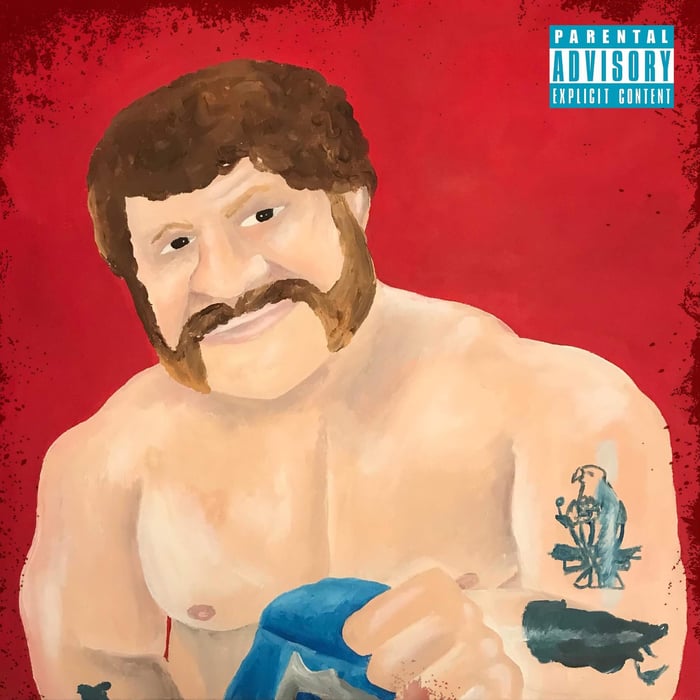
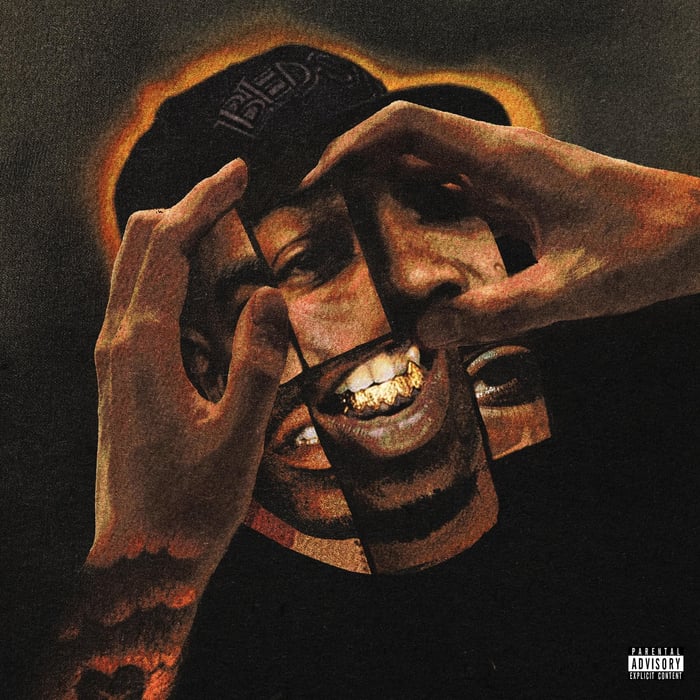
If you’re the type who wants the album art on the wall as a reminder that not everything needs to be explained, you can shop a favorite album cover poster at our store: https://www.architeg-prints.com.
 | DISCOUNTGET 30% OFF*Use code on your next order:
|
* This post may contain affiliate links, meaning we earn a commission if you make a purchase through these links, at no additional cost to you.