At the Gates’ Future Dead: the “farewell” that still throws elbows


 See more Architeg Prints stories on Google.
At the Gates’ Future Dead: the “farewell” that still throws elbows
“The Ghost Of A Future Dead” delivers classic At the Gates aggression with a fierce refusal to soften, serving as a powerful swansong for the late Tomas Lindberg.
This record doesn’t politely say goodbye
There are albums that wave from the shoreline. Future Dead doesn’t. It kicks the door in, spits blood on the floor, and then—only after it’s done wrecking the room—reminds you why you’re listening with that tight feeling in your throat.
Listening to The Ghost Of A Future Dead is a complicated sit. The band recorded it two years back, but it got held up while vocalist Tomas Lindberg went through treatment for adenoid cystic carcinoma. Then he died last September, at 52. So yeah, it lands like a swansong whether anyone wanted that narrative or not. And I’m not going to pretend it doesn’t change the temperature of every scream on here.
What surprised me is how little the album begs for sympathy. It doesn’t float around like a memorial slideshow. It fights.
Legend status is real… and also kind of a trap
Here’s the thing: At the Gates have been so influential for so long that people talk about them like they’re a law of physics. And sure—Slaughter Of The Soul is one of those albums you don’t “get into,” you inherit. It sits in that mandatory zone with stuff like Judas Priest’s Painkiller and Megadeth’s Rust In Peace—records that permanently rewired how heavy music swings its weight.
Their comeback At War With Reality didn’t just “hold up.” It basically wrote the handbook on how a reunion album can sound hungry instead of ceremonial. That’s why expectations around this band are brutal: once you become a reference point, every new move gets judged like it’s trying to rewrite the dictionary again.
And The Ghost Of A Future Dead very clearly refuses to play that game. The intent feels simpler—and maybe smarter: make death metal that moves, that cuts, that doesn’t stop to explain itself.
They’ve missed before, and pretending otherwise is fantasy
This is where fans get touchy, but I don’t care: the discography isn’t flawless.
To Drink From The Night Itself (2018) always felt patchy to me. It checked the expected boxes—speed, bite, that familiar melodic churn—but the spark wasn’t consistently there, and the murky production made too many moments blur into “general heaviness.” That album is the sound of a band meeting the assignment instead of rewriting it.
Then The Nightmare Of Being (2021) clawed back momentum, but it also made a decision: it leaned into proggier colors, even saxophone, and that’s the kind of choice that instantly splits a room. I thought I’d hate those detours more than I did… but I also kept waiting for the experiments to fully justify themselves, and sometimes they just hovered there like a smart idea wearing the wrong coat.
If you’re asking whether those years mattered, I think they did. Not because they perfected anything—but because they burned off the band’s experimental itch.
Future Dead feels like a purge—and that’s why it hits
The vibe I get is this: The Nightmare Of Being let them spill the weirdness, so The Ghost Of A Future Dead could snap back to the spine. This new one plays like a deliberate reset—a return to the classic At the Gates attack.
And I’m going to make an arguable claim: this album almost feels like it’s cosplaying 1998 on purpose. Not in a corny, nostalgic “remember when” way—more like they’re refusing to age in public. The songs are taut, abrasive, and built with that signature understanding of melody inside violence, where the guitars don’t just riff; they carve shapes you can actually remember.
On first impression, I honestly expected something more “important-sounding” because of the circumstances—slower, heavier, more doom-laced, more eulogy. But on second listen, I realized that expectation was my baggage, not theirs. The band’s choice here is almost stubborn: speed as a statement. Life doesn’t politely stretch out just because the story gets sad.
And look—maybe I’m reading intention into it. I’m not in the room with them. But the album behaves like a band saying: we don’t get to control the ending, so we’ll control the impact.
“The Fever Mask” opens like a punch you didn’t consent to
“The Fever Mask” comes in with relentless energy, and it immediately pulls a classic At the Gates trick: it makes aggression feel catchy without sanding down the teeth. It sits in the same family as “Blinded By Fear”—not as a clone, but as a reminder that this band knows exactly how to make a fast song feel like it has architecture, not just adrenaline.
The mild criticism? I do think the “familiar tropes” show a little too proudly at times. There are moments where the band is clearly leaning on its own established language—and if you came here wanting them to reinvent their whole grammar again, you might roll your eyes and say, “Yeah, I’ve heard this shape before.”
But the counterpoint is simple: the shape still works. And the band plays it like they mean it.
When “The Phantom Gospel” hits, the album stops being polite
“The Phantom Gospel” is the kind of short, near-punky death metal burst that makes your neck react before your brain catches up. Lindberg’s rasp is still vicious—less “studio performance,” more “human sandpaper.” The guitars don’t shimmer; they churn, like the amps are chewing on metal and spitting sparks.
They sound like a band that took a direct napalm hit and decided the correct response was to keep tracking vocals while the walls collapse.
If there’s a “message” in this track, it’s not lyrical for me. It’s physical. It says: stop romanticizing suffering—turn it into motion.
The album sneaks in melancholy without turning into theater
One of the smarter balancing acts here is how the record drops in familiar signposts without getting stuck in nostalgia.
- “Förgängligheten” continues their tradition of melancholic instrumentals, and it doesn’t feel like filler. It functions like a quick rinse of cold water between bouts of violence—resetting your ears so the next hit lands harder.
- “In Dark Distortion” and “Parasitical Hive” are built for that blood-thundering response where you suddenly understand why people voluntarily run into mosh pits. They don’t just “go hard.” They push forward like they’re late to something.
Arguable claim: the slower, moodier connective tissue is what makes the fast tracks feel more extreme. Without those shaded interludes, the speed would start to feel like a single long sprint. With them, the album keeps changing lighting, even when the tempo doesn’t change much.
It’s twelve tracks, and it moves like a blur—on purpose
The pacing is almost rude. The frenetic approach makes the twelve tracks flash by, and the album ends before you’re fully ready to let it go. Weirdly, it also feels longer than it looks on paper—not because it drags, but because so much happens in compact bursts.
I kept waiting for a big “final statement” moment—some obvious closing-the-book gesture—and I’m still not sure the album gives you that in the traditional sense. But maybe that’s the point. A neat bow would’ve been a lie.
Given the circumstances around this release, I can’t hear this as just another entry in the catalog. It plays like a final document from a voice that meant a lot to extreme metal, whether you followed every era or not.
Rest in peace, Tomas.
Release details (because reality still exists)
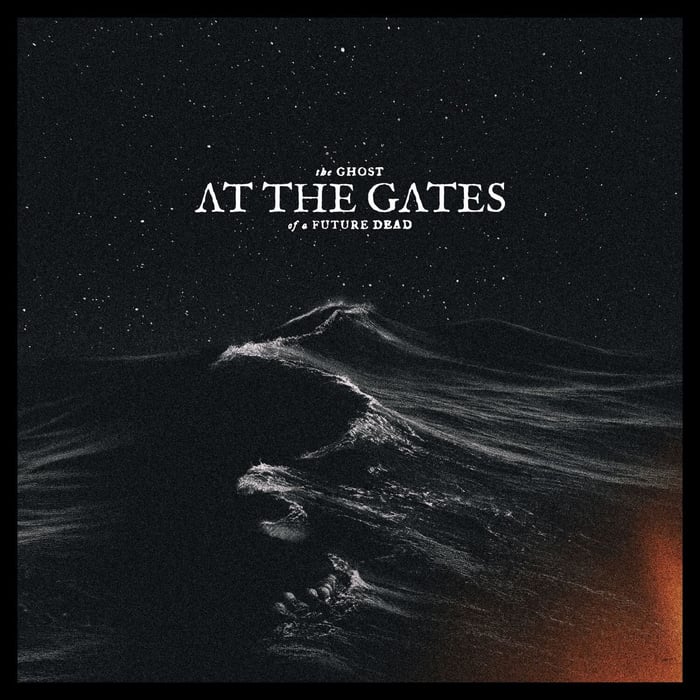
The Ghost of a Future Dead is set for release on April 24th via Century Media Records.
And yes, the band has an official presence on Facebook (AtTheGatesOfficial) if you’re the type who likes your tour updates served with algorithmic dread.
Conclusion
Future Dead doesn’t sound like a band polishing a legacy; it sounds like a band refusing to soften. The tragedy around it is real, but the music doesn’t perform grief—it converts it into velocity, melody, and abrasion you can feel in your teeth.
Our verdict: This will land hardest for listeners who want classic-sounding, melodic death metal that still feels alive and dangerous—people who’d rather get punched than comforted. If you’re hunting for the proggy oddities and left-field experiments from the last record, you might walk away muttering that it’s “too straightforward,” like that’s an insult and not the entire appeal.
FAQ
- What does “Future Dead” mean in the context of this album?
It feels like the album is staring down the idea of inevitability—something doomed and approaching—without slowing down to mourn it. - Is this album more like the band’s classic era or their recent experiments?
It leans hard toward the classic, taut attack—fast, abrasive, melodic—like they intentionally rinsed out the experimental aftertaste. - Does the album feel like a farewell record?
Emotionally, yes, because of the circumstances. Musically, it refuses to act like a goodbye and chooses impact over ceremony. - Are there any softer moments?
There’s at least one melancholic instrumental (“Förgängligheten”) that works more like a palate cleanser than a ballad. - Who is this album not for?
Anyone who needs every late-career record to reinvent the band’s sound, or who can’t stand familiar genre “tropes” done confidently.
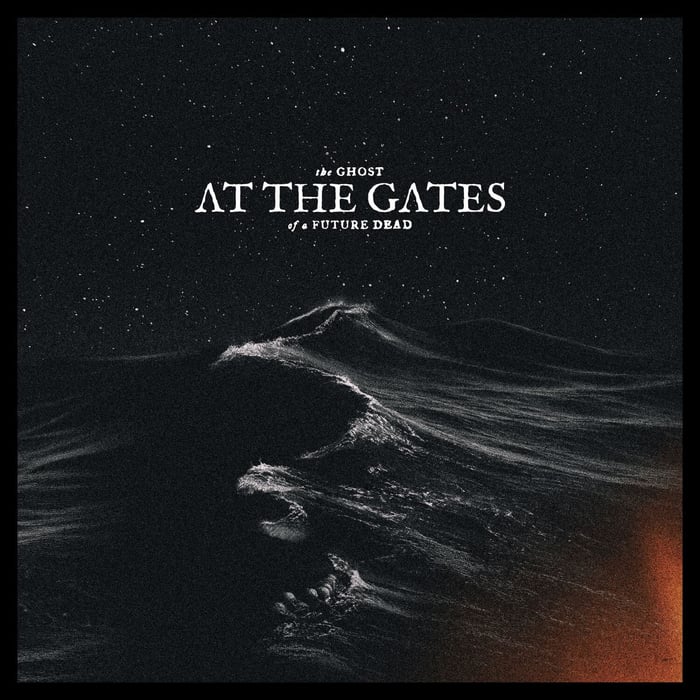
If this album’s cover lodged itself in your brain like it did to mine, you can always grab a favorite album cover poster for your wall at Architeg Prints — it’s a nicer fate than leaving it as a tiny thumbnail forever.
 | DISCOUNTGET 30% OFF*Use code on your next order:
|
* This post may contain affiliate links, meaning we earn a commission if you make a purchase through these links, at no additional cost to you.