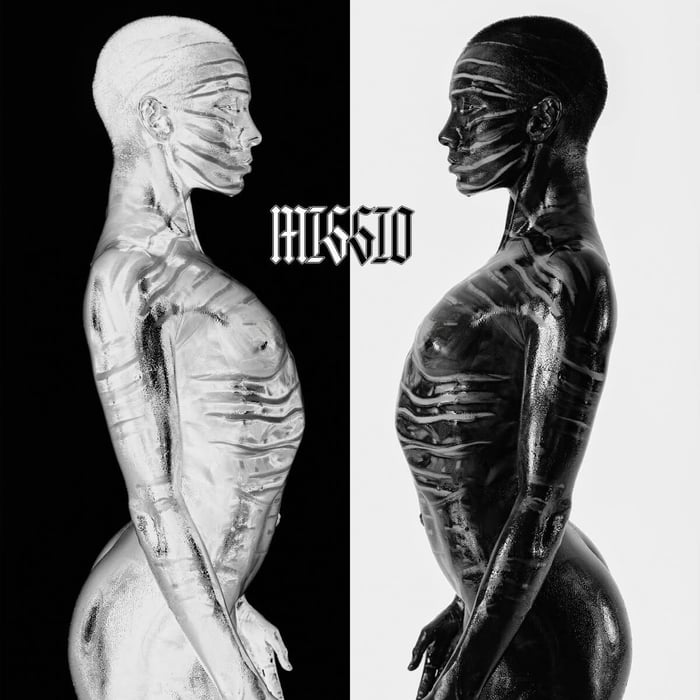
Kelela’s new avatar Review: Heartbreak as a Survival Manual (Oops)


 See more Architeg Prints stories on Google.
Kelela’s new avatar Review: Heartbreak as a Survival Manual (Oops)
An opinionated new avatar listen where Kelela turns silence, lust, and grudges into something like scripture—comforting, sharp, and not always polite.
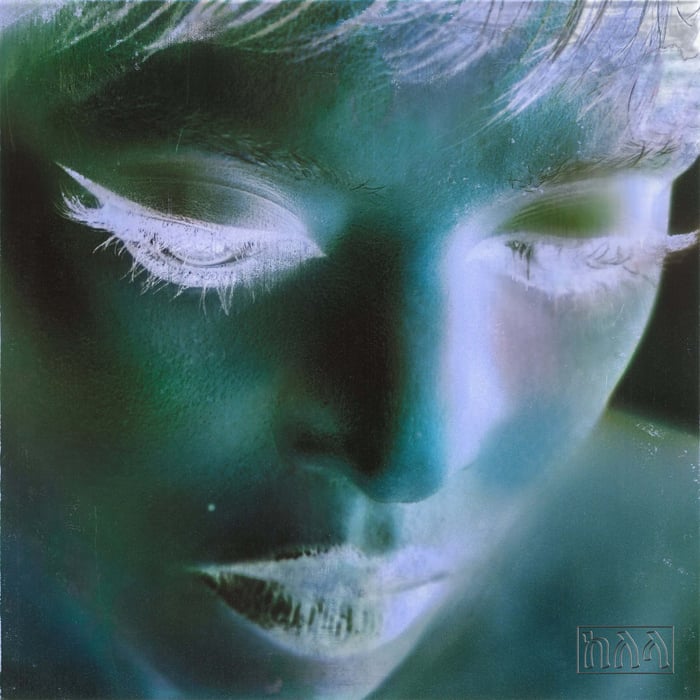
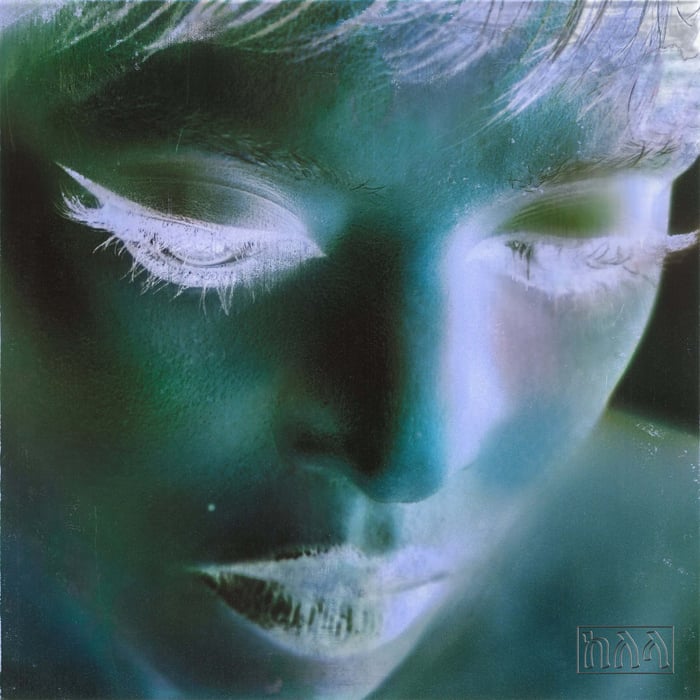
This album isn’t “about feelings.” It’s about staying conscious.
Some records want to be your escape hatch. new avatar doesn’t. It sits you down in the smoky room with the argument still warm in the air and says, “Look at it. Now breathe.”
The weird part is how calming that ends up being. Not soothing—calming, like finally naming what’s been stalking you.
The Octavia Butler shadow: “solace in confronting”
The new avatar worldview is basically: the world is burning, so you write your own rulebook while it burns. I kept thinking about that teenage instinct—making meaning line by line because the alternative is just watching everything collapse and calling it “normal.”
It’s not that Kelela is trying to be literary for clout. It’s more blunt than that. The songs feel built to manufacture “solace in confronting”—not by pretending the madness isn’t there, but by refusing to look away. A reasonable listener could argue that’s too heavy of a mission for a breakup album, but that’s the point: she treats personal fallout like the smallest visible version of a bigger disaster.
And confrontation starts tiny: one person won’t talk to you anymore. That’s it. That’s the spark. The silence becomes the company.
“Idea 1”: she keeps knocking because silence is a weapon
“Idea 1” sounds like a dark house with the heat pressing against the windows. I can practically feel the acreage outside burning while she stays inside doing the most desperate domestic thing imaginable: asking for proof of life.
She’s calling out to someone hiding in there—emotionally hiding, anyway—and the line “Are you alive?” doesn’t land like poetry. It lands like a hand on a pulse point. The track’s power is that it refuses the drama of a big scene; it’s just a person on a doorstep demanding a sign.
If you want a hot take: the song isn’t romantic at all. It’s an interrogation dressed up as longing, and that’s why it sticks.
“Goin Down”: the moment sympathy dies, and she lets it
Then “Goin Down” flips the emotional furniture. The apology gets filed under “too basic to matter,” sympathy leaves the room, and she cries all day with dry eyes—like the body going through the motion after the soul already left.
The hook hits with that nasty little moral stamp: “Too bad you’re locked out of love.” That isn’t a sad line. It’s a door click. Some people are going to hear it as cruelty; I hear it as her finally respecting her own time.
I’ll admit, at first I thought this track was going to be the album’s petty flex—one of those “look how unbothered I am” performances. But on second listen, it’s not unbothered. It’s exhausted. That’s a different flavor, and it’s much more convincing.
“If We Meet Again”: goodbye without the soft-focus lighting
“If We Meet Again” refuses to write a eulogy. It writes a grievance instead, and that choice tells you exactly what Kelela thinks closure is worth.
“You don’t try hard enough/Even when it’s easy and obvious”
is the kind of complaint that doesn’t come from a single fight—it comes from a pattern you’ve memorized against your will. There’s even a moment where “friends” almost slips out as a consolation prize… and she yanks it back. No honorary titles. Not today.
An arguable claim: this is harsher than a breakup track needs to be, and that harshness is intentional. She’s not trying to seem strong; she’s trying to stop the listener from romanticizing effort that never arrived.
“Point Blank”: violence imagery, then the appetite confession
“Point Blank” is where the album starts showing its teeth. She hangs up. Glass breaks behind her. Guns point at her. And in the middle of it she admits she’s “Too spent to weep,” which might be the most believable thing said on the whole record.
Then she drags the entire siege into one blunt bridge:
“Can you slut me out?”It’s not thrown in for shock value. It’s the real contradiction: want and indictment living in the same body, refusing to be separated for the listener’s comfort.
If you’re the kind of person who needs your empowerment anthems clean and inspirational, this part is going to annoy you. It’s messy on purpose. It’s also true in a way “healing era” playlists rarely are.
“Crystalize” and “Don’t Piss Me Off”: resentment turns physical
“Crystalize” runs two currents at once. On one side:
“I try to hate you, but the feelin’ just grows.”On the other: resentment that becomes almost tactile—like she wants to grab it, pin it down, and turn the knife. The song crowns her as the one who loved him the most, and that coronation is not a compliment to anyone involved.
Then “Don’t Piss Me Off” is where she stops play-acting inner conflict altogether. It’s an electricity storm on a road, clothes coming off like there’s a deadline, dancing on his body until morning. The track doesn’t ask whether that’s wise. It doesn’t care. It’s operating on impulse and consequence.
Here’s my uncertainty: I can’t fully tell if this sequence is meant to feel liberating or self-destructive, because it honestly sounds like both. Maybe that’s the actual point—she won’t reduce it to a lesson.
“Outta Time”: the only moment the other side gets a mic
“Outta Time” is the one place the album lets the other person speak, and that decision changes the temperature immediately. A. K. Paul shows up collaborating on production and singing, and suddenly the argument has a second throat.
On the bridge, the pleading is almost embarrassingly human:
“Baby, don’t you do this, you’re killin’ me.”Then it curdles into accusation—he says he can see through her lies—and now the blame is split like a check nobody wants to pay. It’s the album’s most “two people ruining a day together” moment.
Arguable take: this is the most conventional drama on the record, and that’s why it works. It’s not abstract. It’s just two exhausted people trying to win the narrative.
“New Life Forms” and “The Bridge”: one day off, then vertigo crush logic
“New Life Forms” feels like the exhale track—salt air, heels in sand, one day away from the constant fighting. Fousheé’s verse tilts it toward humor: maybe a couple of shrooms kicking in, speakers pushed toward deafness, and a guitar pulled out for a girl claiming she likes rockstars. It’s the closest the album gets to flirting with the idea of “fun” without turning into escapism.
Then “The Bridge” brings in PinkPantheress and shifts the vibe into crush vertigo—confidence and dizziness sharing the same room. PinkPantheress plays the assured half, telling the lover to
“Fix yourself and make your way to me, nightly,”basically promising she’ll solve the whole problem herself. Kelela, meanwhile, sounds like she’s going lightheaded off touch alone—claiming him, butterflies arriving a beat later.
A mild criticism: “The Bridge” almost over-perfumes the feeling. It’s gorgeous, but it rides so much on vibe that I kept waiting for a sharper lyrical turn that never quite comes.
“Retaliation Lullaby”: domestic weirdness, sunrise dread, and a question she can’t answer
“Retaliation Lullaby” plays like standing upright before sunrise, partner asleep beside you, rain starting outside, and the phone feeding you more information than you can metabolize. The bed becomes a courtroom and a confession booth.
The grievances get oddly specific in that cramped space.
“You consume, I’m the curator”lands like a relationship summary disguised as a petty complaint. And the song does something I respect: it lets bedroom stamina share space with breaking up. That’s life. Those things do overlap, no matter how much we pretend they don’t.
She leaves the track on the one question that doesn’t get tied into a bow:
“When to walk and when to fight?”If you want certainty, you won’t get it. The album’s not your therapist. It’s your nervous system on speakers.
“Linknb”: mantra as self-rebuild, not self-help
After all that friction, “Linknb” brings in a stripped-down mantra:
“Seed to a star/New avatar.”It’s brief but telling—like she’s trying to clear a path through rubble, then realizing she’s still underpaid for the emotional labor of it all.
She sings about easy bravery and even easier giving-away, and then the question appears: where do you go when you’re alone? Not “who will love me next,” but where—like loneliness is geography. That’s a pretty damning implication, and I think it’s accurate.
Arguable take: this is the album’s real mission statement more than any chorus. The “new avatar” isn’t a makeover. It’s a survival technique.
“Against Me”: the losing fight, and the plea she can’t translate
“Against Me” is the only fight she seems to know is doomed from the first verse. You can hear the relationship—whatever they built—falling down while watched, and the pressing finally turns into pleading:
“All that I can’t say/Don’t hold it against me.”
After so many songs where she says everything—every grievance, every craving, every accusation—this is where the silence returns, except now it’s hers. She wants forgiveness for the one thing she can’t explain. That’s the most human twist on the record: not “I’m right,” but “I can’t even get the words out.”
And yeah, by the time it ended, I realized my first impression was off. I expected an icy, pristine flex album. What I got was someone using precision as a way to keep from falling apart.
Conclusion
new avatar doesn’t comfort you by being gentle. It comforts you by being exact. It stares down silence, lust, petty specifics, and end-of-the-night dread, then organizes them into scenes you can actually live inside without lying to yourself.
Our verdict: People who like breakup music that tells the truth—even when the truth is inconvenient—will latch onto new avatar. If you want your R&B neatly inspiring, or you flinch when desire and resentment share the same sentence, this album will irritate you (and not in a “grow on you” way). It’s for listeners who’d rather be pierced than reassured.
FAQ
- Is new avatar more about romance or fallout?
Fallout. Even the romantic moments feel like they’re happening under storm warnings. - What does “new avatar” seem to mean here?
Not a reinvention for show—more like a new operating system for surviving the same world and the same patterns. - Which track feels like the emotional centerpiece?
“Retaliation Lullaby,” because it traps you in that sunrise-between-sheets anxiety where decisions get real. - Do the features change the album’s message?
They widen it. “Outta Time” especially matters because it briefly lets the other side talk back. - Is this album an easy listen?
Not emotionally. Sonically it can be seductive, but the writing keeps poking the bruise on purpose.
If you want something physical to match the album’s “live inside the feeling” energy, consider picking up a favorite album cover poster from our shop: https://www.architeg-prints.com — it’s a nice way to let the music stay on the wall when the headphones come off.
 | DISCOUNTGET 30% OFF*Use code on your next order:
|
* This post may contain affiliate links, meaning we earn a commission if you make a purchase through these links, at no additional cost to you.