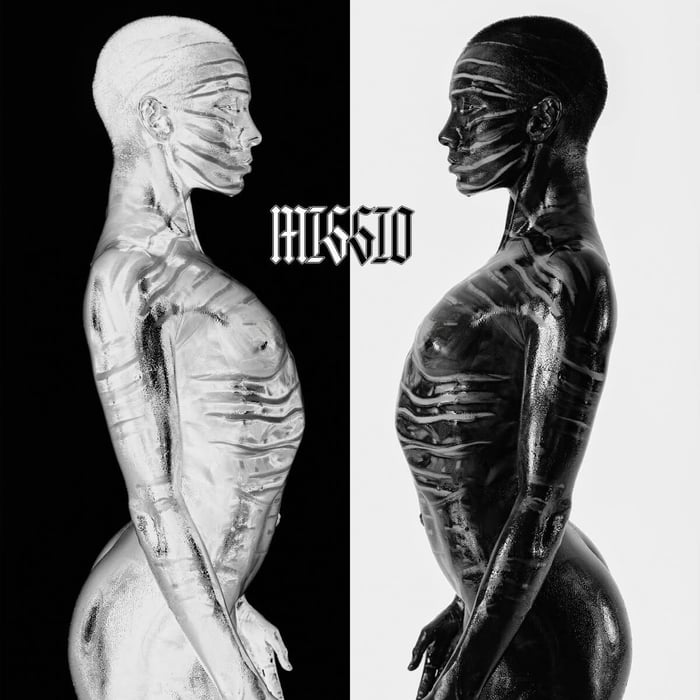
YEARNALISM Album Review: Baby Rose’s Breakup Diary Wants a Pulpit


 See more Architeg Prints stories on Google.
YEARNALISM Album Review: Baby Rose’s Breakup Diary Wants a Pulpit
Baby Rose’s YEARNALISM album turns yearning into a job title—then dares you to clock in with her while she quits the same person five different ways.

A record that treats longing like a profession
Some albums flirt with heartbreak. YEARNALISM album doesn’t flirt—it files paperwork, drafts emails it never sends, then rereads them at 3 AM like that’s a productive use of oxygen.
The whole “yearnalism” thing lands like a private joke that accidentally became a mission statement. I can picture it: a tossed-off line in a notes app, kept around because it’s too accurate to delete. It’s a corny pun on journalism, sure, but it also tells you exactly how this record moves—like a running log of desire, regret, self-respect, and backsliding, all timestamped in the voice before the songs even begin.
And that voice really does arrive first. Baby Rose’s contralto is the kind of presence that makes the production feel like it’s reacting to her rather than supporting her. She’s lived in different places—born in Washington, D.C., raised in Fayetteville from age eleven, now in Atlanta—and I don’t hear that as geography trivia. I hear it as someone who’s learned how to adapt without ever sanding down the heaviness in her tone. The first two records felt like they were built to toughen her up; YEARNALISM feels assembled with more intention, like she and co-executive producer BIAKO were arranging the evidence.
The way it’s put together matters, too: it doesn’t sound like one clean studio run. It sounds like something edited down from a mountain of attempts—dozens and dozens of sketches—until the final version points outward, as if somebody else is in the room taking the impact.
“When I’m Gone” and “Better” aren’t revenge songs—they’re resignation songs
Here’s the pivot: the album opens its emotional argument by already leaving.
“When I’m Gone” plays like an ending that refuses to celebrate. No victory lap, no “look what you lost” theatrics—just the cold relief of being done. The second verse is the moment the blade goes in:
“You a cancer / Might fuck around, make me raise my standards / Now when you call, I won’t answer.”
That’s not a wounded person trying to sound tough. That’s someone who’s offended she ever negotiated with this in the first place. The outro doubles down—“You’re a waste of time… I’m on my grind, I’ll be just fine”—said twice like she’s teaching herself how to believe it.
Then “Better” shows up like the same thought but with a firmer spine. The groove is thicker—full-band backbeat, more power behind it—and the lyric accounting gets meaner in a way that feels earned:
“I got used to you letting me down / How can you ask me to keep you around?”
The line that sticks is the one that isn’t poetic at all:
“Don’t act surprised by the way I’m leaving.”
That’s the most realistic breakup sentence on the album because it’s not about feelings—it’s about someone pretending not to understand consequences.
An arguable take: these two songs are strongest when they’re least emotional. The less she “performs” hurt, the more convincing the exit becomes.
Then she immediately ruins her own clean getaway (on purpose)
Just when you think this is going to be a tidy empowerment record, YEARNALISM starts yanking the wheel back toward the wreck. And honestly, that’s the point. The album isn’t trying to prove she’s strong. It’s trying to document how strength fails in real time.
“The Reason” admits that leaving and staying aren’t opposites; they’re the same muscle getting tired. She sings about chasing his heart while hers is on the line, almost missing a flight trying to “make it right,” and then the hook flips the whole thing inward like a mirror:
“Every time I find a reason / I fall right back into the feeling / Girl, I’m still deep in over you.”
That last part—talking to herself—tells you everything. The enemy isn’t “him.” It’s the reflex.
“Dressed In Metal” feels like the middle of the fight: 3 AM, restarting the same argument from the beginning because sleep won’t come and pride can’t finish the job. The armor metaphor could’ve been cheesy, but she sells it by sounding exhausted rather than dramatic:
“It’d be funny if it wasn’t so sad / All this armor that I keep on my back.”
She’s not bragging about resilience. She’s annoyed she needs it.
Put alongside the “I’m gone” songs, the record stops being about willpower. It becomes about the cruelest kind of self-awareness: knowing exactly what you should do, and still sometimes not doing it.
I’ll admit, I wasn’t sure at first if the back-and-forth would read as messy writing or intentional honesty. On second listen, it’s obvious it’s deliberate. The contradictions are the story.
Duets that refuse closure: Elmiene and Leon Thomas as foils
The features aren’t there for streaming bait. They’re there because Baby Rose wants the questions to hang in the air, unanswered, like smoke that won’t clear.
On “Is This Love,” Elmiene takes the second verse, and his lighter voice doesn’t “soften” the track—it complicates it. He answers her open-ended questions with his own, and neither of them lands on a neat conclusion:
“Is this love? Are you sure? / Is this the way it’s meant to be?”
A lot of songs pretend uncertainty is deep. This one actually sounds uncertain, which is rarer and weirder and more uncomfortable.
“Friends Again” hits harder. Leon Thomas trades verses with her over that specific kind of damage: when one night changes a friendship you needed more than the romance fantasy. His line is simple and it hurts because it doesn’t try to be clever:
“I tried to bury this rose / But in my mind, you still grow.”
And then the song ends with plain spoken words—no melody, no hook reaching for a grand finish—just:
“I just miss my best friend.”
That’s the kind of restraint most singers don’t have. No chorus could say it cleaner, and the fact she doesn’t force one in feels like an artistic decision, not a lack of ideas.
Arguable take: “Friends Again” is tougher than the breakup songs because it’s not about winning or leaving—it’s about losing the one person you used to call for no reason at all.
“Sunday” finally lets the album inhale—and it’s not subtle about why
After all that tight-chested emotional pacing, “Sunday” is where the record finally breathes like it remembered lungs exist.
It’s the longest track here, and it’s also the warmest—hungover morning shifting into something like resurrection. You can see the room: birds outside, clothes on the floor, that quiet daylight that makes you feel both forgiven and judged. The chorus practically blesses the day:
“Made for smiling… / Dancing in my kitchen… / Made for making something of all the mess I made.”
That’s not just pretty writing. That’s someone deciding that repair is an action, not a mood.
Then the second verse widens the frame. Family steps in: her mother cooking dinner, her uncle’s sermon still ringing in her ears—
“Came right back from church and I heard my uncle’s sermon / It said love what we need to sustain.”
After hearing her loop through romantic self-conflict, the kitchen and the church make the emotional scale feel earned. It’s not just “me versus you” anymore; it’s a whole life trying to hold her up.
My hot take: “Sunday” is the centerpiece even if the tracklist doesn’t scream it. It’s where the album stops sounding like a private argument and starts sounding like a person with roots.
“All My Love” turns outward—strangers get the message she couldn’t give him
If “Sunday” is the inhale, “All My Love” is the exhale aimed at the rest of the world.
The arrangement lifts—flute and güiro giving it air—and the meaning sharpens fast: this isn’t addressed to the person who let her down. It’s addressed to strangers, to listeners, to anyone who needs a hand on the shoulder without having to ask. The best verse is a small scene on a train: an older woman by the window holding her newborn grandchild, and the line lands because it’s ordinary and huge at the same time:
“Got a new perspective on everything.”
That’s what the album has been chasing—perspective that isn’t just a slogan.
The chorus is direct in a way that could’ve been corny, but it works because she doesn’t oversell it:
“So every time you hear this song / I’m sending you all my love.”
Coming after a run of songs circling disappointment in one man, this is the real turn. Not “I’m over it,” but “I’m not letting it shrink my capacity.”
Arguable take: this is the album’s most generous moment, and it’s also the most strategic—because it stops the record from collapsing into a closed loop of romantic suffering.
The one real problem: the slow stretch risks blending together
Not everything here escapes repetition. If there’s a flaw, it’s a texture issue: there’s a stretch of slow songs where the bass, drums, and chord bed feel almost identical, like the production is wearing the same outfit in slightly different lighting. The voice carries the motion—she’s doing the heavy lifting—and sometimes it sounds like the arrangement is asking her to haul a weight it won’t return.
That said, even the sparsest tracks keep their spine. They don’t feel unfinished; they feel minimal on purpose, like she’s leaving space so the words can sit in the room with you.
- “Believe Me” feels like a midnight phone call where the excuses are flimsy and everybody knows it, but nobody wants to hang up. The line “I saw you in my dream / I swear it meant something midnight” is painfully adult: a grown woman inventing a reason to hear a voice before it disappears for good. There’s no shame in it—just honesty.
- “Let Me Go” frames release as a decision you have to make twice because the first time doesn’t stick: “If you really mean it, then won’t you show me then? / If you love me, let me go.” It’s not begging. It’s testing whether love is real enough to stop being selfish.
- “But, Nvm” keeps circling the same phrase—“Gave you all my love… But nevermind.” It’s the sound of someone trying to swallow a confession mid-sentence.
I thought the slow run would lose me the first time through. Weirdly, it didn’t—it just made me wish one or two of those tracks had a sharper sonic switch-up so the emotional details didn’t have to fight for air.
Arguable take: the album’s minimalism is both the aesthetic and the risk—when it works, it’s intimate; when it doesn’t, it’s samey.
“Jasmine’s Sonnet” closes the loop by talking to the only person who can’t argue back
The finale, “Jasmine’s Sonnet,” doesn’t go for a dramatic mic drop. It goes inward—speaking to her younger self, the version of her she lost somewhere along the way. And that’s where the rawest wound finally gets named:
“Like an old tree in a storm, I was barely holding on.”
That image isn’t flashy. It’s just true.
The chorus shifts the address into something like a benediction:
“Now I’m basking in your light / Oh, let your love come.”
And then she says the thing the whole record has been circling without softening:
“I was a wound that was open in bed.”
That line is ugly on purpose. It refuses to make pain look pretty.
That’s what the YEARNALISM album is actually doing: it’s not documenting a breakup. It’s documenting desire—how it can be clear-eyed and irrational in the same breath, how it can turn you into a professional witness to your own decisions.
She finally realizes that wanting isn’t the embarrassing part. Owning it is the hard part.
Where I land with it (and what I kept replaying)
I’m not going to pretend I loved every single stretch equally, but I respect how little this record panders. It doesn’t chase big moments; it keeps choosing the honest ones, even when they’re unflattering.
The tracks I kept coming back to weren’t necessarily the loudest emotional peaks—they were the ones that felt like a door opening:
- “But, Nvm”
- “Sunday”
- “All My Love”
Those three show the whole spectrum: the retreat, the repair, the outward reach.
YEARNALISM doesn’t fix yearning. It gives it a name tag and makes it show up to work anyway.
Our verdict: People who like soul music that admits it’s messy—and stays messy—will actually love this. If you need clean closure, tidy self-help lyrics, or a chorus that tells you what to feel, this album will frustrate you like an unread text thread. And yes, that’s kind of the point.
FAQ
- What is the core theme of the YEARNALISM album? The tug-of-war between leaving and returning—plus the uncomfortable self-awareness of knowing better and still missing them.
- Which songs feel like the emotional center of the record? “Sunday” feels like the hinge: it opens the story beyond romance into family, faith, and daily repair.
- Do the guest features change the album’s direction? They sharpen the uncertainty. Elmiene and Leon Thomas don’t provide answers—they make the questions heavier.
- Is YEARNALISM more about empowerment or vulnerability? Vulnerability, easily. The “I’m done” moments matter because the album keeps showing how “done” doesn’t always stick.
- What’s the biggest drawback on repeat listens? A run of slow tracks shares similar bass/drum/chord textures, so a few songs lean hard on her voice to create variety.
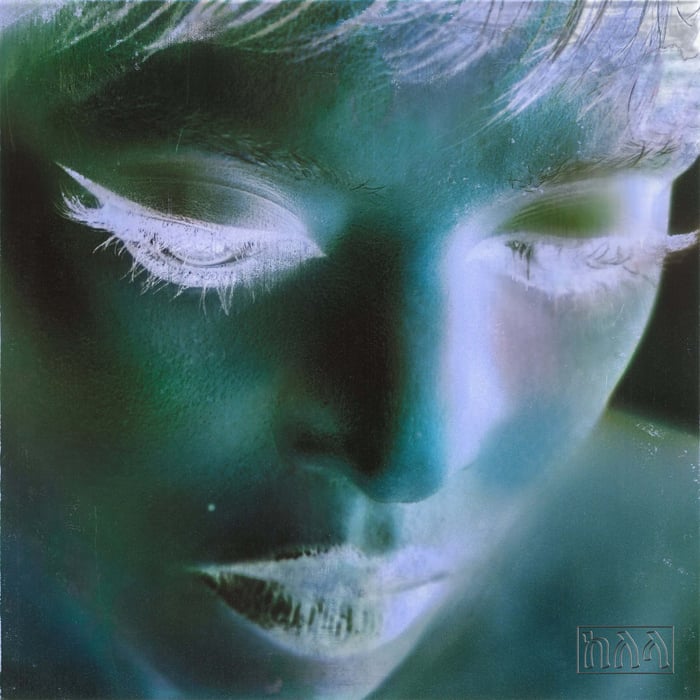
If this record put a specific image in your head—cover art included—it might be worth hanging on your wall the same way it hangs in your chest. If you want, you can shop a favorite album cover poster at our store: https://www.architeg-prints.com
 | DISCOUNTGET 30% OFF*Use code on your next order:
|
* This post may contain affiliate links, meaning we earn a commission if you make a purchase through these links, at no additional cost to you.