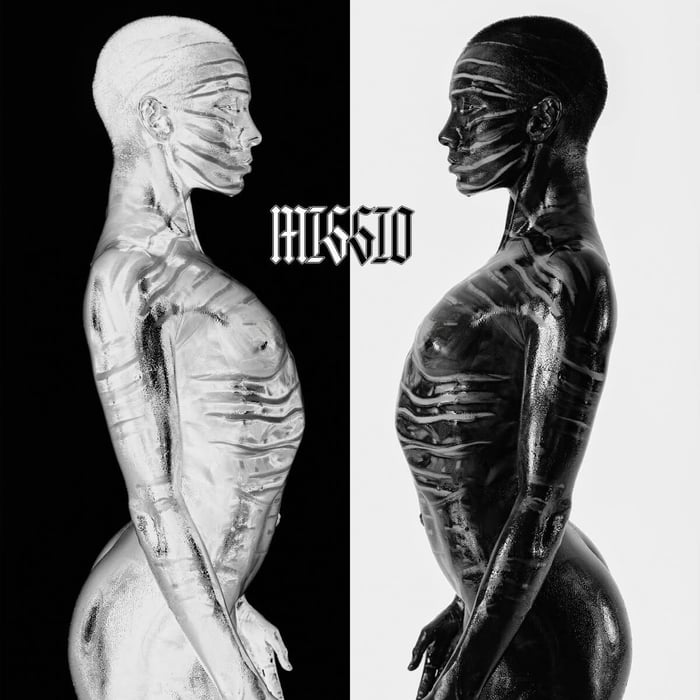
Love & Heartbreak Review: MISSIO’s Club-Gloom Therapy (Too Catchy?)


 See more Architeg Prints stories on Google.
Love & Heartbreak Review: MISSIO’s Club-Gloom Therapy (Too Catchy?)
Love & Heartbreak turns MISSIO’s dark-electronic habits into an emotional reckoning—industrial club pop that wants to hurt you and hook you at once.
A record that pretends it’s “the night out,” but really it’s “the morning after”
This is one of those albums that walks in wearing black lights and smoke-machine confidence… then starts talking like it’s been journaling for hours.
Love & Heartbreak from MISSIO plays like a deliberate emotional audit set to dark-electronic pop and industrial-ish beats. The duo clearly aimed for something bigger-sounding and more exposed at the same time: lots of club-ready low end, lots of bruised nerves on top. And yeah—“emotional reckoning” can be a corny phrase. Here, it actually lines up with what I’m hearing: the production keeps staging “movement,” while the writing keeps insisting on “damage.”
I’m not saying it’s subtle. I am saying it’s intentional.
“Dreams” opens the door: you don’t enter a story, you enter a room
The album starts with “Dreams”, and it doesn’t waste time acting polite. Low, moody keys show up first—more like a basement hum than an intro. Then the synths and drum-and-bass energy roll in and suddenly I’m picturing that specific underground club scene: lights stuttering on the beat, bodies moving like they’ve agreed not to think too hard tonight.
What surprised me is the little sci-fi sparkle threaded through it—twinkly sounds that don’t exactly soften the track, they alienate it, like emotion filtered through a neon circuit board. And the vocals land clean over all of it. Not fragile, not overly theatrical—just strong enough to glue the chaos together.
Here’s the video embed as it appears in the source:
And right away, the album makes its main pitch: this isn’t dance music trying to be deep. It’s emotional music disguising itself as dance music so it doesn’t have to make eye contact.
A reasonable person could argue that’s just me projecting. Maybe. But the mood is too consistent to be accidental.
The album’s default setting: dark club-pop with an industrial backbone
After a few tracks, a pattern locks in: Love & Heartbreak keeps returning to an imagined underground club, powered by that dark-electronic pop meets industrial beat blend. The drums hit like metal doors closing. The synths don’t shimmer; they glare.
The funny thing is how visual it gets without ever needing big cinematic gestures. The beats do it. The pacing does it. Even when the songs are catchy, they’re not friendly. This record doesn’t flirt; it makes demands.
If you’re waiting for a clean “radio pop” pivot, the album mostly refuses. Mostly.
And I kept waiting for it to fully explode into something heavier—something truly punishing—but it usually stays controlled. That control is part of the point, I think: MISSIO aren’t trying to sound like monsters. They’re trying to sound like people who learned to hide their mess inside a kick drum.
Three songs break the club spell—and the album basically admits it needs air
This is where the record gets smart (and, depending on your taste, slightly irritating). There are three clear exceptions that step away from the default club-industrial blend:
- “Going My Way”
This one leans on plucky acoustic guitar strumming and gentler dance beats. It’s the moment where the album stops pressing your face to the strobe light and lets you blink. My first impression was, “Oh no, here comes the obligatory softer track.” But on second listen, it feels more like a strategic reset—a way to make the dark stuff hit harder when it returns. - “The Moment” (closing track)
The closer brings in sounds of nature and acoustic instruments, and while it still keeps familiar dance beats around, the vibe turns uplifting and sweet. At points it drifts into something ethereal, like the album is letting itself believe in relief for the first time. If the rest of the record is clenched teeth, this track is the jaw finally unlocking. - “Superpower”
This one is weird in a specific way: it could still work in a nightclub, but it brings in what I can only call dungeoncore energy—especially with distorted harp strumming. On paper that sounds like it should be ridiculous. In practice, it’s the kind of left turn that makes you respect the commitment. It’s not “pretty harp”; it’s “harp dragged through an amp and dared to survive.”
If someone told me those three songs derail the album’s cohesion, I’d get it. I don’t fully agree, but I get it. They don’t derail it—they expose it. They show the club setting is a costume, not the body.
Catchy lines in a dark room: the album keeps flirting with anti-pop
Even when the production stays shadowy, Love & Heartbreak sometimes drops lyrics that sound like they belong on mainstream radio. “Bleed” is the obvious example—those moments where the hook feels almost too clean for the grime around it.
And that tension is the album’s quiet trick: it’s basically an anti-pop love song approach. It uses pop instincts—memorable phrases, easy vocal stickiness—then surrounds them with sound design that says, “Don’t get comfortable.”
This is where I’m a little uncertain, though. I can’t tell if the album wants the catchiness to feel ironic, or if it simply can’t resist a hook. Either way, it works more often than it should. But there are times the sweetness and the darkness feel like they’re negotiating instead of collaborating.
That negotiation is either compelling… or mildly exhausting. Depends how patient you are.
“You Are My Love” (feat. Kent Osborne): the chorus saves what the verses risk
“You Are My Love”, featuring Kent Osborne, is a track with a split personality. The verses lean into lyrics that feel, frankly, a bit cheesy—not unlistenable, just the kind of earnestness that can sound like a greeting card if you’re not careful.
But then the chorus improves it—the song tightens up, like it suddenly remembers it’s supposed to hit. And the rap section stands out in a good way: it adds edge and momentum, the thing the verses were missing.
This is an arguable take, but I’ll say it anyway: the track feels like it was built backward—hook-first—and then dressed up with verses that don’t quite earn the payoff. Still, that payoff lands. And sometimes that’s the whole job.
The standout cuts: self-destruction, wolves, and dystopian dance floors
A handful of tracks end up doing the album’s thesis work the clearest—showing how it turns emotion into environment.
“Self Deprecation”
The title says enough, and the lyrics go where you’d expect: darker, sharper, less interested in being likable. There’s also a section that references a gun, which is worth mentioning as a content warning—less because it’s graphic, more because it changes the air in the room. The album stops being “sad in a club” and becomes “sad in a way that could actually go somewhere bad.”
It’s effective. It’s also the kind of moment that makes you sit back and go, “Okay, you meant that.”
“Gotta Let Me Know”
This one has deep, industrial clubhouse beats and—here’s the detail that sounds stupid until you hear it—a wolf howl. On paper, that’s almost guaranteed cringe. I expected it to be corny set dressing.
But it works. Not as a gimmick—more like a texture that matches the track’s mood. The howl becomes part of the atmosphere, like the song is admitting it’s running on instinct. The dark pop energy holds it in place so it doesn’t turn into a Halloween sound effect.
If you hate that kind of flourish, you’ll roll your eyes. If you like the album’s commitment to creating a “scene,” you’ll probably grin despite yourself.
“Where’d You Go” (feat. Lionstorm)
Featuring Lionstorm, “Where’d You Go” feels like a dance-music take on a dystopian world. The mood shifts between fast, upbeat sections and slower melancholy, and that push-pull ends up summarizing the album’s emotional mechanics better than any mission statement could.
The upbeat parts don’t feel joyful—they feel like adrenaline.
The slower parts don’t feel peaceful—they feel like the crash afterward.
And that’s the album, really: the beat keeps moving even when the person inside it doesn’t.
So what is Love & Heartbreak actually doing? Dressing pain as a party
By the time the record ends, I don’t hear Love & Heartbreak as “club music with feelings.” I hear it as a set of feelings that only know how to speak in club structures—drops, pulses, hypnotic loops, the whole late-night architecture.
It’s memorable because it keeps giving you concrete sonic objects:
- low keys that feel like a ceiling closing in
- synth lines that flash like faulty neon
- drums that push forward even when the lyrics hesitate
- odd details (wolf howl, distorted harp) that somehow don’t break the spell
My mild criticism is that the album occasionally confuses “saying the emotional thing plainly” with “saying the emotional thing sharply.” When the writing gets too close to cliché, the production has to do extra work to keep the mood from drifting into generic. Most of the time, it pulls it off. Not every time.
Still, if you want a soundtrack for a late-night party where everyone is dancing like they’re avoiding a conversation with themselves, this album understands the assignment.
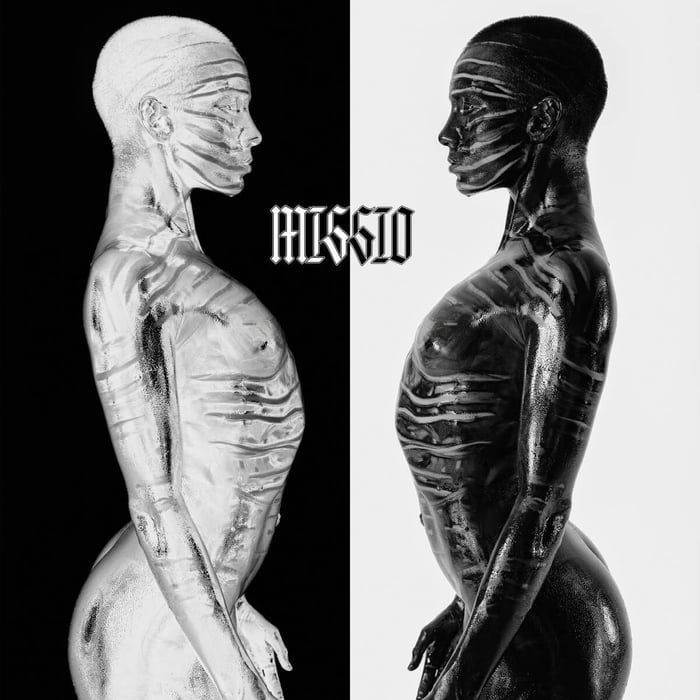
Love & Heartbreak is out now via Nettwerk Music Group.
Conclusion
Love & Heartbreak isn’t trying to be your “new favorite sad album.” It’s trying to trap messy emotional honesty inside club-ready production—like putting a cracked heart in a glass display case and lighting it with strobes.
Our verdict: People who like dark-electronic pop that moves while it quietly spirals will have a great time here—especially if they enjoy industrial edges without needing full metal aggression. If you want love songs that feel straightforward, warm, and uncomplicated, you’ll probably find this album a bit like hugging someone wearing a studded jacket: technically possible, emotionally risky, and not designed for comfort.
FAQ
- What is the core vibe of Love & Heartbreak?
Dark-electronic club pop with industrial beats—music that feels like an underground dance floor where everyone’s pretending they’re fine. - Which track sets the tone right away?
“Dreams” does it fast: moody keys, D&B pulse, sci-fi sparkles, and vocals that hold the whole room together. - Are there any non-club moments on the album?
Yes—“Going My Way,” “The Moment,” and “Superpower” break the main template with acoustic elements, nature sounds, or distorted harp textures. - Does the album ever get lyrically cheesy?
Sometimes—“You Are My Love” (feat. Kent Osborne) has verses that flirt with cheese, but the chorus and rap section bring it back. - What’s the weirdest detail that actually works?
The wolf howl in “Gotta Let Me Know.” It sounds like a bad idea until it locks into the beat and suddenly feels… right.
If this album’s imagery stuck in your head, that usually means the cover art will too. If you want a clean poster print for your wall, you can shop favorites at our store: https://www.architeg-prints.com
 | DISCOUNTGET 30% OFF*Use code on your next order:
|
* This post may contain affiliate links, meaning we earn a commission if you make a purchase through these links, at no additional cost to you.