Glory of the King’s Hand Review: Chuck Strangers’ “Replays,” Seriously?


 See more Architeg Prints stories on Google.
Glory of the King’s Hand Review: Chuck Strangers’ “Replays,” Seriously?
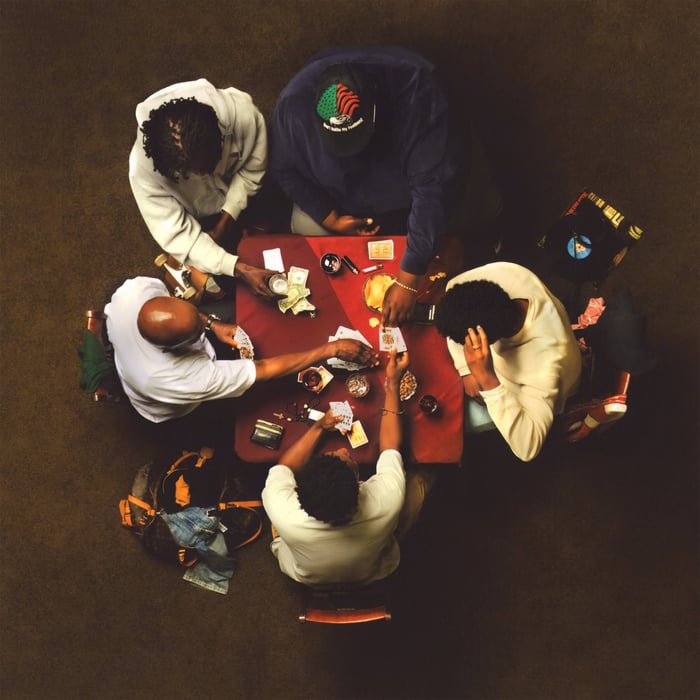
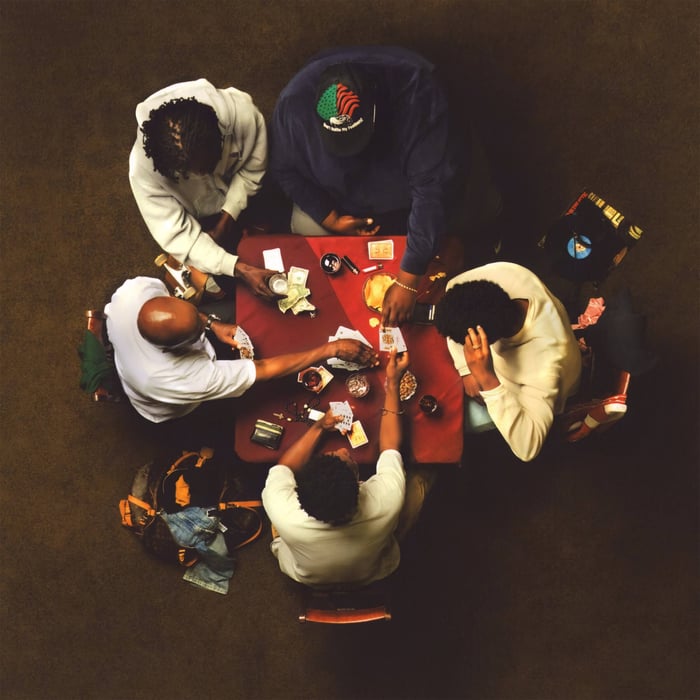
Chuck Strangers’ album Glory of the King’s Hand explores grown-man memory with a focus on clarity, restraint, and lived experience, crafting songs designed for longevity rather than spectacle.
Courtesy of Lex Records.
Let’s be honest: this album isn’t trying to impress you
The first thing I noticed about Glory of the King’s Hand is how little it begs for attention. It doesn’t kick the door in. It doesn’t sparkle for the algorithm. It just sits there—calm, observant, a little haunted—like someone who already did the loud version of their life and decided it didn’t help.
And that’s the real move here: Chuck Strangers sounds like he’s done proving he can rap or produce. He’s trying to make the kind of songs that don’t evaporate the second they end.
The production hand-off is the point, not trivia
Here’s what this album is “doing” before it even gets into the stories: it’s deliberately giving away control.
Chuck Strangers came up as the guy who could make the beat and then rap on it—loops and verses from the same set of hands. That’s a flex, sure. But on Glory of the King’s Hand, he mostly steps back from the boards and lets other people color the room: Preservation, Kenny Segal, the Alchemist, and a broader underground circle. He keeps one beat for himself, almost like a reminder that he still can—he’s just choosing not to.
And he flat-out tells you why:
“I wanted to make better songs that people might want to hear again.” — Chuck Strangers
That line sounds simple, but it’s basically the mission statement. Not “harder.” Not “bars.” Replay value. Actual songs. A rapper admitting he wants longevity is either maturity or quiet insecurity… and I’m not 100% sure which one it is yet.
He’s also living in LA now, but he keeps writing like he’s still walking the blocks he left. That tension—physically gone, mentally parked—hangs over everything.
“Intro” tells you what kind of nostalgia this is
The opening “Intro” doesn’t feel like a grand prologue; it feels like a man counting years under his breath. Childhood memories come in plain flashes: sharing one controller between kids, finding love in an annex building, a little brother trailing behind (annoyingly, like little brothers do). The cadence is steady like he’s measuring distance with each line.
He lands on the blunt truth: it’s been a long time. Since 23. Since New York City.
What surprised me is how openly he admits he had to lie to himself sometimes—tell stories for the fun of it—just to keep going. Not in a “rap is fake” way, more like: humans need myths to survive their own days. The “glory” isn’t fame here; it’s the private reward of enduring.
Faith shows up like a second economy. He treats it like gambling—something you guard, something you wager carefully—“a hard card to play when you got options to weigh.” That’s a bar, but it’s also a philosophy: belief isn’t free when you’ve got real-life consequences.
The present tense gets weaponized on “L2LL2C”
“L2LL2C” hits with a kind of adult dread that doesn’t need dramatic music to sell it. He basically shrugs at the idea of forever—calls it a lie people tell themselves to feel better. There’s a great, cruel little line about God laughing at our plans, and it lands because the song doesn’t dress it up. It just says it.
There’s also a painfully specific money anxiety in here: a label trying to mess with payment terms—20 days into a net-30 situation. That’s not “rap beef,” that’s rent math. That’s the real villain on half the album: delayed payouts, tightened margins, the quiet indignity of being treated like you should be grateful for what you earned.
Then “Miracle Miles” comes in with Obii Say shaking dice like the whole world is a backroom game. Snake eyes. Hands trembling. One rule survives the panic: what you get depends on what you sowed. That’s a moral, sure—but it also sounds like someone trying to convince himself the universe is fair enough to keep participating.
Che Jessamy doesn’t feature—he co-anchors
A lot of albums say “feat.” and mean “cameo.” Not here. Che Jessamy gets real time, real space, and the record bends around him like it wants his perspective as badly as Chuck’s.
“Malcolm” is narrated from the name he was stamped with—the government-name feeling of being filed away early. The details are visceral in that unglamorous way that makes you trust them: mice scratching inside the walls, pork fried rice, tropical Sprite, no water until nine, a Fiji bottle opened once like it was a ceremonial event.
And then there’s this image that stuck with me: tourists leaving when the excitement dimmed. That’s a cold observation—like the neighborhood was a temporary attraction until it wasn’t entertaining anymore. The song doesn’t ask you to cry about it. It just remembers it sharply.
On “Solo,” he carries that same nerve into adulthood. He’s stepping over a fentanyl zombie in the lobby like it’s a normal obstacle—named like an Iverson crossover, which is both funny and bleak. He clocks a check that arrives every three months. He forgets to thank God. He admits he never really made peace with the possibility of failure.
The smallest memory hits hardest: a child singing “it’s the first month” before he even understood what welfare was. That’s not a punchline. That’s a life forming.
If I have a nitpick here, it’s that the album sometimes treats these hyper-specific details like proof of depth. Most of the time it works. A couple times, it feels like the song is relying on the memory itself to do the emotional heavy lifting instead of shaping it into a sharper hook.
Grief on “Goodfind” isn’t poetic—it’s practical
“Goodfind” makes room for the dead without turning them into symbols. He pays respect to two kinds of gone—friends who are gone from life, and friends who are gone from loyalty. That’s the line that matters, because it’s how adults actually grieve: not cleanly.
Then he turns around and tells his mom he needs a big gold chain. Her silence becomes instruction, and he reads it as: don’t rate things, don’t worship objects, don’t confuse shine with safety. His brother meets his eyes and shares the same understanding—no speech required.
“Class Pictures Reprise” asks the question people pretend they don’t ask: what is a friend worth? How do you price a person? And then it answers in the most grounded way possible: memory of wings from the spot, fried hard, split among the guys. The “value” is in the split. The math is love.
“Rebeldia” says the losses out loud. Nights end with amen. Days begin with ache. Friends gone. Good men down. And then the most straightforward want on the whole record: “Mama I want to sing.” Not “be famous.” Not “get rich.” Sing. That’s a kid’s wish surviving inside an adult who’s already seen too much.
“Breaking Atoms” changes the room on purpose
You can hear the album’s complexion shift once Chuck stops trying to be the entire infrastructure. “Breaking Atoms” feels like a location you can walk into: Westlake, cookies out, wine pouring, Marlon asleep. Human Error Club is in there improvising—Fender Rhodes, drums—so the track breathes like people are actually playing in real time.
Then billy woods shows up talking like he’s reading from classified documents—warheads, launch codes, heavy water in a reactor core. It’s that woods specialty: making apocalypse sound conversational.
And then, weirdly, the plainest emotional line hits hardest: “I got a chest full of medals, but my baby got a purple heart.” That’s the kind of sentence that makes your stomach drop because it’s not metaphor gymnastics—it’s just shame and love standing next to each other.
Zeroh’s response is basically the thesis for the whole track: “Freedom ain’t fair.” Some listeners will call that cynical. I think it’s more like someone finally refusing to lie politely.
“Torn in Two” is where the album admits it’s tired
“Torn in Two” is Chuck at his most despondent—caught between damned if I don’t, damned if I do. He’s talking about money not like a flex but like a trap, especially as a young Black man trying to plan beyond the night. He’s wondering who will even understand the planning after the dance is over.
There’s a stern warning tossed at someone living too close to danger: you don’t have a gun—pause this and call emergency services. It’s not “street.” It’s parental. It sounds like someone who’s watched enough outcomes and is sick of pretending it’s romantic.
Then he follows it with labor imagery: calloused fingers, invoice math worked out on the phone, working. It’s not glamorous, and it’s not trying to be.
“Everyday” proves he still has the producer itch
“Everyday” is the one beat he kept for himself, and it’s noticeably looser—like he let himself exhale. For a second, I thought it would be the moment the album finally gets playful… but it’s more like a softer grip, not a party.
He ties balding to balling—classic aging-rapper honesty—reaches for Jordan in ’96, and lays down his terms as a friend: the dependable guy, the one you put bread on, the one who tells you you’re wrong when you’re wrong. That’s not a brag; it’s a résumé of emotional labor.
Obii Say drops a survival rule that feels like it comes from hard experience: if you’re not jumping, you’re not guaranteed to be around. It’s blunt enough to sound true even if you don’t want it to be.
“Price Is Right” makes poverty feel weirdly cinematic
“Price Is Right” is childhood framed through the kind of details you can’t invent: spam dinners, a radiator banging all winter. And then this surreal dream image—Bob Barker declaring him a winner. It’s funny for half a second, until you realize what the dream is actually doing: it’s giving a kid the feeling of winning when real life doesn’t.
There’s also a rent anxiety line borrowed through the voice of Jadakiss—wondering why, and then the grim little equation: pay rent, die anyway. Dark humor, but it’s not “edgy.” It’s exhausted.
Chuck describes himself as born in sixth place, by his own math, and gives credit where it’s due: audacity made them, tenacity saved them. That’s the album’s version of triumph—less “I did it” and more “we kept not dying.”
“G Pack” gets near money… and then mistrusts it
By “G Pack,” he’s closer to the rich than he used to be. The shift is practical: five years ago he couldn’t buy anything, and now he makes a living telling you what he thinks. He points out he didn’t need anyone to book him or manage him—he built the machine himself.
He even gives you the kind of back-of-napkin math that people do when they’re still slightly shocked they’re making it: made 12, tucked 10 away. Then he forgets the number mid-thought—“Forgot the amount / Let’s start again.”
I didn’t love that moment at first; I thought it sounded tossed off. On second listen, it hit me as the whole point: money is still unreal to him, slippery, like it won’t sit still long enough to be counted without vanishing.
“Ski’d Up Reprise” is the album’s most adult kind of pain
Because there’s so much gratitude in his writing, Chuck is rarely unguarded. “Ski’d Up Reprise” is where the wariness shows—long-practiced, inherited, earned the hard way. Smiling faces, knives tucked, waiting.
Brooklyn pops up as something immediate and physical: a quick run for a salmon chop cheese and a Gildan white tee. That specificity isn’t just flavor—it’s how he proves to himself the place is still real, still retrievable.
And the core grief here isn’t enemies; it’s family. A mother who used to kiss and hug him turns into judgment as years grind on. The song doesn’t demonize her. It does something harder: it reinterprets her disdain as something close to love—love that got mangled by stress and time.
That mix of hindsight and affection is the most mature gesture on the album. He spent over a decade building comfortable spaces for other rappers on his beats; here, on a reprise of a bodega run, he finally sounds like he belongs inside his own story.
If you or someone you know is struggling or in crisis, help is available. In the US, call or text 988, or dial 911 in an emergency.
Conclusion: the “glory” is restraint, not dominance
Glory of the King’s Hand doesn’t chase spectacle—it chases clarity. The big creative decision (handing off most production) isn’t cosmetic; it’s how Chuck Strangers forces himself into sharper songwriting, into letting other textures push his voice into new corners. It mostly works. A few moments lean a little too hard on memory-as-proof, but the album’s best lines don’t feel written—they feel lived through.
The real flex here is that it doesn’t sound like he’s trying to win rap. It sounds like he’s trying to keep his life coherent.
Our verdict: This album will hit people who like grown-up rap that talks like an actual person—rent math, faith dilemmas, family scars, and small wins that don’t look good on a billboard. If you need fireworks, trendy bounce, or hook-after-hook designed to bully your attention span, you’re going to get bored and blame the album instead of your brain.
FAQ
- What is the core mood of Glory of the King’s Hand?
It feels like late-night reflection with the lights on—warm enough to stay, blunt enough to sting. - Does Chuck Strangers produce on this album?
Yes, but sparingly. He mostly hands production to other trusted producers and keeps one beat for himself (“Everyday”). - Which tracks stand out most on repeated listens?
“Malcolm,” “Solo,” and “Rebeldia” keep revealing new details because the writing is built from lived-in specifics. - Is this album more about New York or Los Angeles?
It’s emotionally anchored in New York blocks and memories, even while Chuck’s current life sits elsewhere. - Is this a “features” album or a focused statement?
The guests don’t feel decorative; they feel structural—especially Che Jessamy, who’s more co-pilot than passenger.
If this record put a particular image in your head—a bodega run, a busted radiator, a too-quiet kitchen—turn that feeling into something you can hang up. You can shop favorite album cover posters at our store: https://www.architeg-prints.com
 | DISCOUNTGET 30% OFF*Use code on your next order:
|
* This post may contain affiliate links, meaning we earn a commission if you make a purchase through these links, at no additional cost to you.