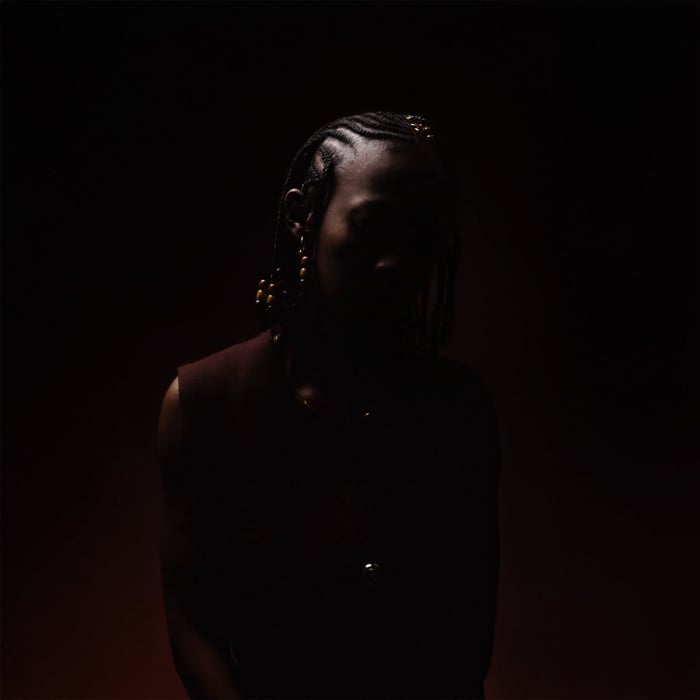
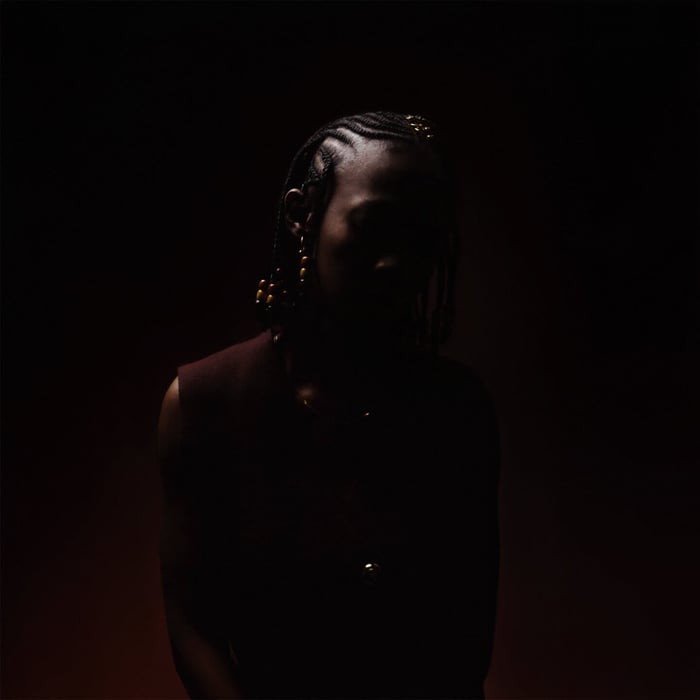
Black Woman Romance Album That Won’t Let You Breathe: Oriiginelle Review


 See more Architeg Prints stories on Google.
Black Woman Romance Album That Won’t Let You Breathe: Oriiginelle Review
Oriiginelle turns “Black Woman” devotion into a bilingual love story with receipts—choirs, partner POV, and even her late father weighing in.
Come for the romance, stay for the pressure
This isn’t an album that flirts. It moves into your house, labels the cupboards, and starts telling you what love costs when you’re the one doing the carrying.
The real trick: bilingual intimacy, not bilingual flexing
Here’s what hit me early: Oriiginelle doesn’t use language like a cultural footnote or a cool accessory. She uses English and siSwati like two different rooms in the same relationship—one for public clarity, one for private precision. I can’t fully prove that’s the intent, but the way she switches feels less like “watch me” and more like “this is where the truth fits.”
And on Loving This Black Woman, she points those tools at the oldest target on earth: romance. Not romance as vibe. Romance as labor, vow, mess, and spiritual accounting. The album keeps narrowing its focus to one Black woman—then slowly widens the frame until other voices start chiming in, like the relationship has consequences that echo outward whether the couple asked for that or not.
That choice alone is an arguable flex: it’s brave, yes, but it also risks turning love into a concept album with too many narrators. Sometimes it works because the “community” makes the love feel real. Sometimes it almost crowds the emotion out.
She woos like the deal is already signed
The early run plays like Oriiginelle has already decided the relationship is happening—and she’s speaking from inside the commitment, not toward it. On “Nguwe” (“It’s you” in siSwati), she doesn’t posture as perfect. She puts her shortcomings on the table, then stands tall anyway and starts listing what the woman should have—flights, designer jeans, comfort, ease, the whole “I got you” package.
What’s sneaky is how the groove helps her sell that confidence. The pocket drumming sits in that neo-soul lane—tight enough to feel mature, softened enough to feel intimate. And Oriiginelle’s delivery doesn’t feel like she’s “performing.” She sounds like she’s leaning in, talking to one person, letting the track exist as the room tone around a conversation.
Jay Jody’s verse comes off like a memory of a conversation that ran long in the best way—two people circling each other until time stops mattering. He lands a vow that’s almost unfairly romantic, the kind that makes you roll your eyes and then realize you didn’t roll them hard enough: if it happens again in another lifetime, he’ll still find her. That’s either sweet or wildly dramatic depending on your tolerance for sincerity. I’ll admit: on first listen I thought it was laying it on too thick, but it stuck with me, and later it felt like the album’s whole emotional thesis in one breath.
She keeps that openness on “Kutsandvwa Nguwe,” staying in siSwati and aiming for tenderness without turning it into baby talk. Then “The Chase” shows another angle: FyLta enters with a reserved, queenly calm—melting at first sight, hoping every other suitor suddenly forgets how to speak. It’s a petty wish, honestly. And that’s why it works.
Arguable claim: the album’s wooing songs aren’t trying to convince the listener—they’re trying to corner the beloved into admitting the truth.
The dirt keeps showing up because she’s not romanticizing the struggle
If you want glossy romance, “Signatures” says no. The word that keeps resurfacing is dirt—not as insult, as origin. The relationship is framed as something that grew out of cracks in concrete, which is a nice way of saying: this love didn’t arrive on schedule or in ideal conditions. It forced itself up anyway.
Nyota Parker answers from the same ground, promising endurance—pressure turning dirt-born people into pearls. It’s a classic metaphor, sure, but it lands because the album doesn’t treat struggle as aesthetic decoration. It treats it as the material the relationship is built from, whether that’s fair or not.
“Ngaze Ngamtfola” pushes that further: a rose in a jungle, thorns bigger than average. Oriiginelle traces the size of those thorns to “hazards” that follow skin pigment—battle wounds you can’t point to, but you feel them everywhere. I hesitated here, not because the point is unclear, but because the image is so loaded it could’ve collapsed into melodrama. Somehow it doesn’t. Saul Madiope’s singing is softer than almost anything around it, like the track deliberately lowers its voice so it can say something heavier without shouting.
Then “Always Returning” flips the metaphor into payoff: planting and harvesting, watering soil, eating fruit. That line—about being watered and eating fruit at every chance—sounds sensual, but it also sounds like routine care. Firdy’s part moves in a circle, like the relationship keeps returning to the same door, the same home base. Arguably, that circularity is the album’s whole obsession: love as returning, not winning.
“Your(e) Art” is where the album starts arguing with the world
Here’s the pivot: “Your(e) Art” stops being only about desire and starts being about the scripts that get handed to women like they’re birthmarks. Oriiginelle narrates the expectations out loud—ring finger sparkle, produce a baby (maybe three), stay civil even when you’re running on fumes.
And then she catches something else: mourning. The anger, the odd-hour texts, the way a person can leave a room mad and still be asking to be seen. Instead of painting the woman as the problem, she offers the brush back: paint your kind of art this time. That’s a sweet sentiment, but it also feels like Oriiginelle admitting she’s been loving in a way that still follows a template.
Arguable claim: this is where the album stops being “romantic” and starts being corrective—love as a method for rewriting someone’s life instructions.
The interlude that quietly exposes the cost
“My Interlude” is spoken, and it’s one of the most telling moments on the record because it’s not trying to seduce you. It’s looking at a “guest” in the house—so elegant and serene she got a seat at the table, ate bread daily, touched wounds. That sounds like love. It also sounds like something else moving in and becoming normalized.
Then the self-deception creeps in: naming tension as growth, tightness as patience. Hosting it gracefully because that’s what generations of women have done—until the body refuses to rest and the truth arrives fully formed: letting go has finished arriving.
I’ll give one mild complaint here: I wanted the album to sit in this psychological space a little longer before moving on, because it’s one of the sharpest observations it makes. But maybe the quickness is the point—nobody gets infinite time to process when their nervous system has already called the meeting.
When Zinia speaks, the album stops pretending love is enough
“I’m just saying that I ain’t strong enough, and I can’t keep on crying.”
“Zinia’s POV” is the gut-punch because it breaks the spell. Up until then, Oriiginelle’s voice carries a lot of certainty—even when she admits flaws. But when Zinia finally responds, she sounds tired in that way that’s past sadness and into clarity.
She names the fight and the lies plainly: she can’t keep crying, she isn’t strong enough. She points to what’s been left behind—pieces of every other girl Oriiginelle has met—and asks to be released. That’s not a lyric written to win an argument. That’s a person trying to survive their own feelings.
Arguable claim: this track reframes the earlier devotion as something that may have been suffocating, even if it was sincere.
By the time “Sweet Love” arrives, the breakup isn’t dramatic—it’s administrative. “Good morning” messages turn into three dots. Three dots turn into blank pages. Oriiginelle admits she opened doors to be the best version of herself but didn’t open the woman’s doors. She admits talk of children never scared her. She admits she spent all that time searching for herself just to feel secure.
And then the record does something I didn’t expect: it lets her fall apart. Not in a theatrical way—in the middle of “crucial sessions,” in front of faces she grew up loving. She gives herself permission to mourn the loss of something that was great and sweet, even if it wasn’t sustainable.
Family ghosts and crowded microphones
“Carousels” swings toward her father—gone long before these promises were ever made. She traces herself back: middle child wrapped in plastic in ’96, daddy issues stretching into her teens, and then—suddenly—she’s having conversations with him anyway, because death doesn’t stop people from needing answers.
The track keeps changing sections, and with 21 Oranges and Ngwato involved, the microphone starts feeling crowded—in a deliberate way. Voices stack, switch-ups pile on, and the pocket gets pushed beyond what it can comfortably hold. Some listeners will call that messy. I think it’s accurate: grief isn’t tidy, and neither is trying to explain love while your past keeps interrupting.
Arguable claim: the song intentionally overloads itself because Oriiginelle is showing what it feels like to carry too many timelines at once.
Confession as structure, choir as witness
“Letter to God (Confessions)” goes upstairs with the burden. Piggs Peak Roman Catholic Choir joins in, and suddenly this isn’t only a personal diary—it’s witnessed. She bargains with God: if she confesses, will she be seen the same? She says she was created in God’s image and can’t even comprehend what that should mean.
She admits she slips back into old habits. She keeps her chair straight, never reclining—like rest is something she hasn’t earned. And she clings to the one belief that keeps the lights on: in God’s eyes, she’s always shining.
I’m not totally sure whether this is faith or self-defense dressed as faith. But the track doesn’t need me to decide. It just needs me to hear the strain of someone trying to stay upright.
Arguable claim: this is the album’s real love song—because it shows what she asks from God is the same thing she asks from the woman: don’t stop seeing me.
The summer trip that turns inward anyway
“Coast-to-Coast” returns to motion and skin and summertime energy—family nearby, business kept between the two of them. It’s the closest the album gets to easy. But even here, Oriiginelle can’t leave well enough alone.
On the bridge, she folds the trip inward: she sees reflections of the moon when she looks into the woman, and she hopes she’ll see herself someday too. Then she adds the wish that makes everything else click: she hopes her intentions don’t swallow her up.
That’s the line that quietly cancels the earlier bravado. Because if your intentions can swallow you, then your devotion has teeth. The arrangement gives her space—each line settles before the next arrives—like the music is deliberately making room for a truth she’s avoided saying plainly. She sings it like a prayer she hasn’t learned yet.
Arguable claim: this is the most honest moment on the record because it admits love can be another way to disappear.
Where I landed (and what I’m keeping)
By the end, Loving This Black Woman feels like Oriiginelle setting up a romance—and then putting that romance on trial with evidence from every corner of her life. Lovers speak. Choirs speak. Ghosts speak. And Oriiginelle, to her credit, lets the story contradict itself.
My personal standouts kept circling back: “Nguwe,” “Letter to God (Confessions),” and “Always Returning.” Not because they’re the “best songs” in some abstract way, but because they show the album’s three engines—devotion, confession, and repetition—without flinching.
The real move of this album is that it starts as wooing and ends as self-interrogation. Oriiginelle makes romance carry family history, faith, language, and exhaustion—and somehow the love still looks worth attempting, even when it fails.
Our verdict: People who like intimate R&B-leaning rap that talks like a real relationship (not a highlight reel) will actually love this album. If you need romance to stay cute and uncomplicated, you’ll get irritated—because Black Woman devotion here comes with footnotes, choir robes, and a mirror you didn’t ask to look into.
FAQ
- Is “Black Woman” central to the album, or just a title flourish?
It’s central. The album treats Black womanhood as the context that shapes the love—its tenderness, its hazards, and its expectations. - Does the bilingual approach change the emotional impact?
Yes. The switches feel like shifts in privacy level, not flexing. Even if you don’t speak siSwati, you can hear when the album moves closer to the heart. - Is this more rap or more singing?
It’s both, and it uses each like a tool: rapping for directness, singing for softness—and sometimes to slip the hard truths in quietly. - What’s the most emotionally disruptive track?
“Zinia’s POV,” because it stops the romance from being a one-sided speech and forces the album to deal with fatigue and fracture. - Does the album stick the landing?
Mostly. It lands on an honest wish—hoping her intentions don’t swallow her up—even if a few moments feel crowded by how many voices want space.
If you want something physical to match the album’s “love-as-evidence” energy, consider picking up a favorite album cover poster for your wall at our store: https://www.architeg-prints.com. The right cover art is basically a relationship receipt you can frame.
 | DISCOUNTGET 30% OFF*Use code on your next order:
|
* This post may contain affiliate links, meaning we earn a commission if you make a purchase through these links, at no additional cost to you.