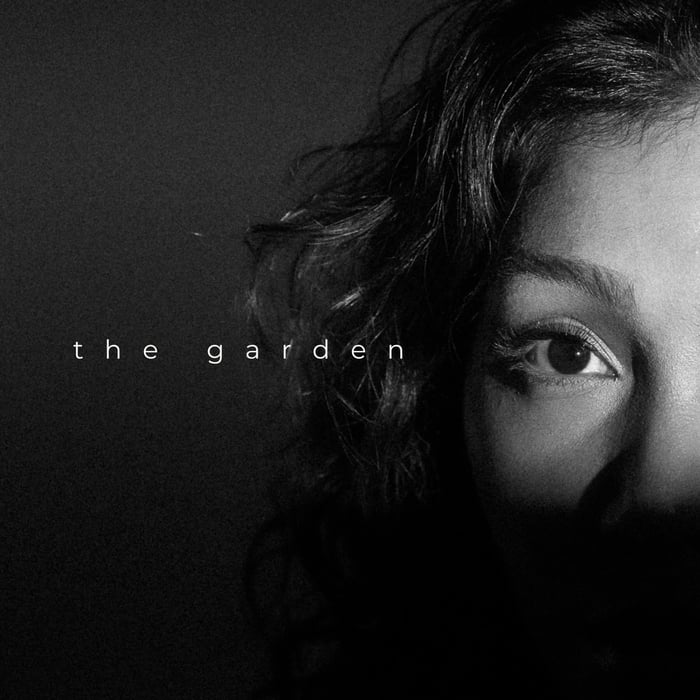
The Garden Album Review: sahn’s self-help gospel with mud on it


 See more Architeg Prints stories on Google.
Album Review: the garden by sahn
the garden turns Vallejo grit into “heal yourself” mantras—then admits the mantras don’t always work. It’s blunt, nervous, and oddly addictive.
First, the setting matters (and she knows it)
Vallejo has that particular kind of depth where music doesn’t just come from the place—it argues with it. You can feel the ghost-echo of Sly Stone pulling gospel into something sticky and modern, Mac Dre bending language until it becomes a local dialect, and H.E.R. turning a name into an arena-sized signature. sahn doesn’t chase any of that scale here. She grabs a quiet corner of the same city and treats it like a backyard you can actually ruin with your own hands.
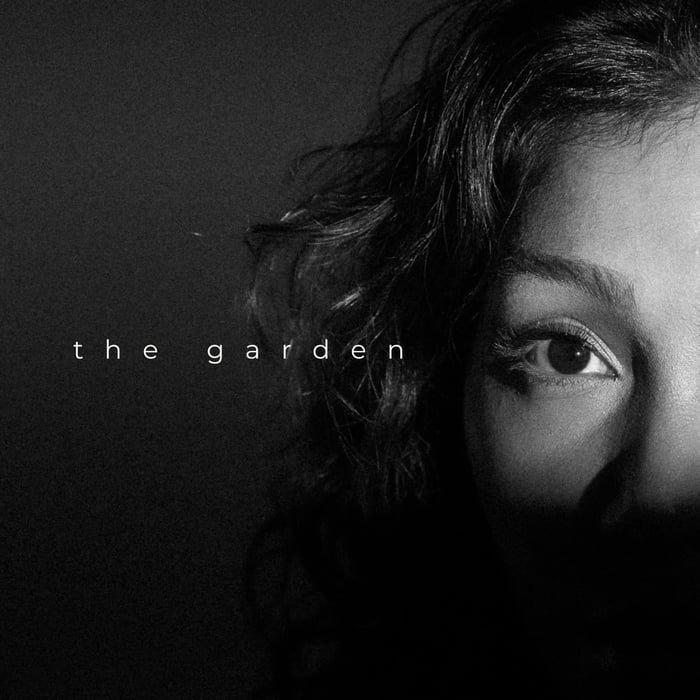
Her second record, the garden, feels built out of roots, weeds, mirrors, and that slightly suspicious vibe of “morning prayer” when you’re praying and also low-key negotiating. I can hear how it follows her 2023 debut, the mornings, which landed like a complete visual statement—like she already understood that sound and imagery were supposed to be one object, not two separate hobbies.
What surprised me is how literal the new album is about self-development. This isn’t vague “growth” talk. It’s manifestations and healing tonics spelled out like instructions, like she’s willing to embarrass the concept by saying it plainly. And she doesn’t sing those lines like they’re cute. She warbles them like the process itself—slow, a little painstaking, like doing the work on hands and knees because standing up would be too proud.
Arguable take: this album isn’t trying to “inspire” you—it’s trying to discipline you, and it doesn’t particularly care if that’s fun.
“change your life” is a pep talk that refuses to be pretty
From the jump, “change your life” plants itself on a solid rhythm—keys, bass, background vocals—like a group chat that won’t let you mute it. She chants the instructions and they’re almost offensively direct. The line that sticks is basically the whole thesis:
You’ve got to dig up all the roots, or it’ll just grow right back.
That’s not poetry in the decorative sense. That’s a warning from somebody who’s seen the same problem return with a new outfit. And she makes the digging internal first: your “thoughts are what you’re made of,” and “how you think is how you pray.” I’m not even fully sure I agree with her there—sometimes how you think is just how you’re spiraling—but the way she lays it into the groove makes it feel less like a slogan and more like a rule she’s testing in real time.
The chorus voices matter, too. They don’t just sweeten the track; they fill the gaps with agreement, like a community response that turns private advice into a ritual. Arguable take: the hook isn’t catchy because it’s melodic—it’s catchy because it sounds like people around her are making sure she doesn’t back out.
“take care (roots)” goes smaller—and somehow hits harder
Then she pulls the camera in close on “take care (roots).” Similar themes, but now the rhythmic pulse is less accented, and she leans into lyrics like she’s trying to convince herself more than you. This track feels like clearing old fruit out of a fridge: not dramatic, just necessary, and a little gross.
She drops the kind of self-protective lines that don’t pretend to be delicate:
- “A hundred heartbreaks couldn’t break me”
- “Never let a lame nigga play me”
And the toughest moment lands as a card-table metaphor that’s blunt enough to sting:
“Shuffle all the cards, but it’s still the same deck.”
That’s the album admitting something crucial: rearranging your life and changing your life aren’t the same thing. You can move stuff around forever and call it growth. She’s not letting herself get away with that.
On first listen I thought this track was just “change your life” in a quieter outfit, but on second listen it feels like the real confession—the one that doesn’t need the group chorus to make it stand up.
Arguable take: “take care (roots)” is more honest than the big motivational songs because it sounds like it expects relapse.
Anxiety as percussion: “tick tick boom” and “safehouse”
To make room for all that digging, she has to make room for her nerves too—and she does it in a way that’s almost contrary, like she refuses to present healing as calm.
She says it straight: “Tell me what to do, I do the wrong thing.” Then she gets helpless in the same breath—“Just can’t help myself”—and that phrase becomes part of the drum rhythm on “tick tick boom.” The drums bounce and reset the pattern with equal energy, like the track is reenacting the exact loop it’s describing.
Kayhan Azadi’s rhythm keeps interrupting and renewing the cycle, and the anxiety doesn’t even need a target because everything is out of control anyway. Arguable take: the beat is the villain here—not because it’s bad, but because it’s too good at recreating the trap of repetition.
“safehouse” shifts the whole album sideways. Softer keys, a slow lateral movement, and a switch to second person:
You won’t leave / You’re afraid / Need control / So you just stay ‘til you’re ready to come out.
The hook isn’t trying to soar; it’s trying to contain.
Then she drops the line that turns “comfort” into something darker: healing, for her, “looks like crying,” and the safe space you can’t escape is “your cage.” That’s not a contradiction—it’s the point. The record keeps insisting that survival tools can become prisons if you start worshipping control.
And when she tosses out the caveat for anyone envying from outside—
“But I know behind the curtain I’ve failed a thousand times / Probably ten times as much as you’ve even tried”
I believed her. Not because it’s a humble-brag. Because it’s the kind of math you only do when you’re counting attempts.
Mild criticism, though: there are moments here where the self-talk gets so explicit it risks flattening the mystery. Sometimes I wanted one more image and one less instruction. Not a lot—just a notch.
Arguable take: the album’s “healing” language works best when it sounds slightly uncomfortable, not when it sounds like a clean affirmation.
Home doesn’t vanish: “vallejo” brings the Bay back in
Just when the record could’ve drifted into purely internal territory, “vallejo” drags the outside world back into frame with a scratchy hook. The phrase “You can take the girl out of Vallejo” gets chopped off the turntable and thrown back before it can finish—like the song refuses to let the sentence become a tidy motivational poster.
Then the track picks up momentum with a cruising Bay rhythm and sahn raps like she’s reclaiming space:
“In the Bay we go dumb, I got next / Quick with the flows, subtle with the flex.”
The flex is controlled. It’s bounded by the same gardener-in-repair mindset that runs through the album. She slips in a line that tells you she’s still watching the edge of the street:
“Quicker with the toolie but I pray I never need to.”
And she makes her limits sound like physics: “Energy a force field and you ain’t getting through.” That’s not “good vibes only.” That’s boundaries with teeth.
Dani Isaily shows up and widens the map—Chicago and Puerto Rico get named like coordinates, not tourism. And the feature doesn’t politely blend in; it meets the energy with its own blueprint talk:
“I truly am the blueprint, I got the tools, I got the drill.”
Arguable take: the guest verse works because it doesn’t soften sahn’s world—it reinforces the idea that identity is built, not inherited.
“say less” and “lock in” are basically life coaching with sub-bass
After the hometown jolt, sahn turns the album into something like a media-training session for everyday life.
On “say less,” she advises: “celebrate the win, but don’t talk too loud,” with the drums upfront and the bass locked in. The message is almost comically practical:
- don’t explain yourself
- don’t announce plans
- don’t waste words on people who won’t understand
Arguable take: this isn’t wisdom, it’s strategy—and the song knows the difference.
Then “lock in” distills the whole mindset into four imperatives:
Lock in / Pray up / Head down / Cake up.
It’s manifesting fundamentals broken down to street level, and she even names the maintenance work: “Keep my anxiety at bay / Calm my nerves and meditate.” There’s a moment in the production where space opens up and she scans the empty ring like she’s asking—rhetorically—where the competition even is. It’s cocky, sure, but it also sounds like she’s trying to convince herself she’s allowed to feel stable.
I’ll admit I wasn’t sure at first if these tracks were too on-the-nose—like the album was turning into a checklist—but the grooves are stubborn enough to keep them from feeling like a TED Talk.
Arguable take: “say less” is the better song, but “lock in” is the more revealing one because it shows how tightly she has to hold herself together.
When discipline slips: “same old me” is the point of the whole thing
Somewhere in the middle, the discipline gets away from her on “same old me.” The drums and bass get bigger, the background stacks thicken, and suddenly the album sounds like it’s being pulled back into the cycle it’s been trying to prune.
She hears “that familiar voice just when I thought I changed,” and the phrase circles like a habit you can’t outrun because it lives in your mouth. This is the record admitting that progress doesn’t feel like a straight line—it feels like realizing you’re repeating yourself, again, but with slightly better lighting.
And then she turns and faces herself:
I’m looking at my own face in the mirror / Tunnel vision, blurry vision getting clearer.
That’s the moment I bought the whole project. Not the “change your life” commandments, not the flexing, not the prayer language—the mirror. Because the mirror is where the garden metaphor stops being cute and starts being real.
She wraps the excavation, pruning, and manifesting into one statement that lands like a personal rule:
Connecting all the pain, the sunshine and the rain is the only way the garden’s gonna grow.
It’s not comforting. It’s acceptance with dirt under the nails. The garden needs rain too, and she’s been growing it like someone who knows her weeds by name.
Arguable take: if you only hear this album as “self-improvement music,” you miss the real storyline—the album is about failing, resetting, and choosing the work anyway.
Conclusion
the garden doesn’t float above reality; it crawls through it. sahn turns Vallejo memory, anxiety loops, prayer language, and street-level discipline into songs that sound like they’re being built while you listen—messy, repetitive, and stubbornly alive.
Our verdict: People who like their R&B/rap-adjacent music to double as a private journal (with real bass and real consequences) will actually love the garden. If you want escapism, or you need your “healing” songs to be soft and soothing, this record will feel like someone handing you a shovel and asking why you’re still sitting down.
FAQ
- What’s the core vibe of the garden?
It’s self-development talk delivered like lived experience: grooves first, affirmations second, anxiety always nearby. - Which songs hit the album’s themes the hardest?
“change your life” for the big instructions, “take care (roots)” for the closer confession, and “same old me” for the relapse-and-reckoning moment. - Does the Vallejo identity matter beyond the lyrics?
Yeah. “vallejo” moves with a Bay swing and frames home as pressure and fuel, not just a shout-out. - Are there features, and do they fit?
Dani Isaily shows up on “vallejo” and matches the confidence without sanding down the edges. - Is it more about confidence or vulnerability?
Both, but the vulnerability wins—especially when the songs admit the “safehouse” can turn into a cage.
If you want to keep that “album-as-a-room-you-live-in” feeling around, it’s kind of perfect to hang your favorite cover as a poster—grab one at our store: https://www.architeg-prints.com
 | DISCOUNTGET 30% OFF*Use code on your next order:
|
* This post may contain affiliate links, meaning we earn a commission if you make a purchase through these links, at no additional cost to you.