Finesse the World 2 Review: RetcH Makes Hustle Math Sound Spiritual


 See more Architeg Prints stories on Google.
Finesse the World 2 Review: RetcH Makes Hustle Math Sound Spiritual
RetcH’s Finesse the World 2 turns street accounting into confession—dry, blunt, and weirdly moving when it stops posturing and just tells the truth.
First, the setting matters (yeah, it does)
Hackensack sits close enough to the George Washington Bridge to taste New York air, but not close enough to get New York’s polish. Listening to RetcH, you can hear that geography like it’s a production tag: this is “New York, minus the shine,” where the stories don’t get dressed up for company.
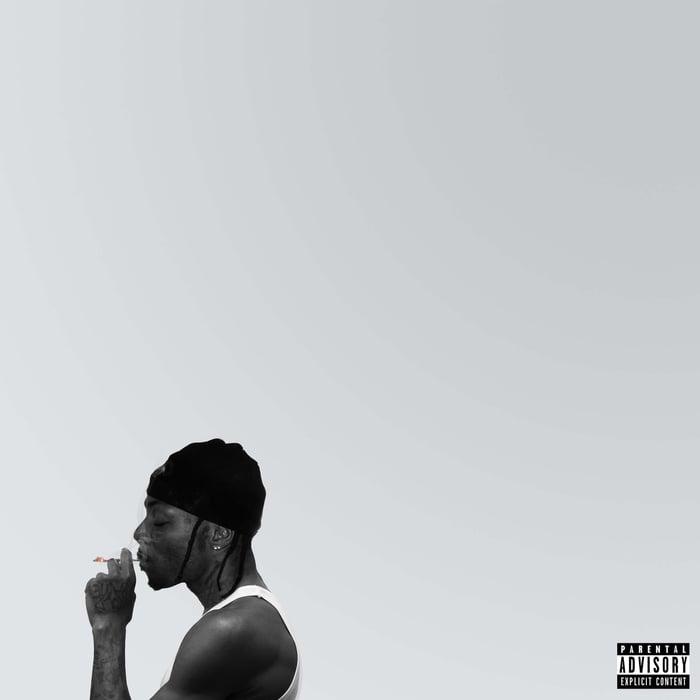
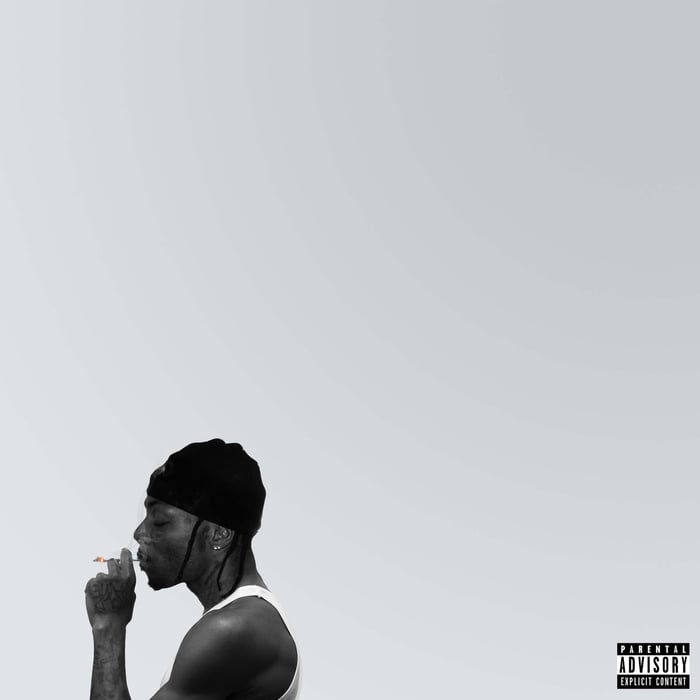
The thing about Finesse the World 2 is that it doesn’t try to “return” so much as it tries to continue—like the first Finesse the World never ended, it just got interrupted by real life. RetcH still raps like a storyteller who’s allergic to self-pity, and the beats still lean on grim loops that feel rubbed raw. If you came here for glossy redemption-arc rap, you’re in the wrong building.
RetcH’s whole voice is the point—and it’s not here to comfort you
Here’s the bridge from expectation to reality: I thought this sequel might lean into legacy talk, the usual “look how far I came” victory lap. Instead, it lands like a folder of evidence dumped on your table. The delivery is rough, unsentimental, and kind of purposefully ugly—like he’s refusing to sand down any edge that would make the stories easier to digest.
That’s the creative decision that runs the album: no warm lighting. Even when he’s flexing, it’s a professional flex, the way someone talks when they’re explaining systems, not fantasies. The album’s ingredients are familiar—hard drums, shadowy samples, blunt voice—but the intent feels stricter this time. RetcH isn’t world-building. He’s documenting what the world already did.
“Martin Luther Six” is grief with a straight face
Now the record starts getting personal in a way that doesn’t ask permission. On “Martin Luther Six,” the story is brutal: a friend gets killed on RetcH’s birthday, and the track doesn’t romanticize the aftermath. Python P’s drums hit harder as RetcH starts listing details like he’s trying to keep the memory from slipping away—calibers, kids he cut class with to dodge raids, spades games in county. It’s not “cinematic.” It’s procedural.
He frames himself as someone painting pictures out of pain, and that’s not a metaphor he’s using for flair—it sounds like a job description. The line about feeling “like Martin at the Lincoln” when he’s on stage is doing double duty: it’s pride, sure, but it’s also pressure. The track closes with Martin Luther King Jr.’s voice, and the placement is not subtle. It’s meant to sting.
“I have a dream…” — Martin Luther King Jr.
I’m not totally sure the sample needs to be that direct, and on first listen it almost felt like an obvious underline. But by the end of the track, the bluntness makes a weird kind of sense: RetcH isn’t aiming for poetry; he’s aiming for impact.
“Point Guard” turns the rap roster into a court docket
The next move is clever in an ugly way. “Point Guard” takes the idea of a floor general and flips it into a ledger of shooters—shooters on the roster, shooters on the bricks, shooters in jail, shooters you stand over “just like AI.” It’s wordplay, but it doesn’t feel like he’s doing it to show skill. It feels like he’s doing it because the metaphor is the only way to say it without pausing.
And that’s an arguable choice: the song pretends to be playful, but it’s actually paranoid. Every “shooter” is a reminder that the role never turns off.
“1/2 of It” is the moment the album stops acting tough
Then “1/2 of It” hits, and the record drops the mask. RetcH spits the kind of line that doesn’t feel written—it feels overheard in a quiet room:
“Brother died, and then I lost my bitch/I contemplated, put it to my head and let it click.”
No dramatic pause. No swollen strings. Just a breathless confession. He even says the Percs don’t work anymore, which is one of those details that makes the whole album feel colder—like nothing, chemical or emotional, is doing the job it used to do.
He references a 2019 car chase that ended in court, and the hook insists the full story can’t be told. That’s the album’s running gag, except it’s not funny: the “real” version of events is always just off-limits. The second verse shifts into a letter to his brother—mission talk, promise talk, the kind of vow people make when they can’t fix what happened. He wants to make everybody feel what he felt. That’s not an artist’s goal. That’s a survivor’s.
“Disclaimer 2” opens with the ugliest math you’ll hear all week
This is where Finesse the World becomes the core keyword for what the album is actually doing: it’s not “get rich” music; it’s survival accounting.
“Disclaimer 2” starts with a spoken intro about living a life “the right way”—finish school, get a degree, land a job paying $30,000 a year. Then he does the subtraction. After taxes, student loans, and $500 rent, you’ve got $5,000 left to survive. He doesn’t even need to raise his voice. The numbers do it for him.
Then he answers the question of how anybody eats by calling out who he’s talking to:
- brick sellers
- door kickers
- women selling themselves so they can give something to their kids
- dealers moving fake drugs into small cities
- paranoid dudes who “keep guns all through they home”
He sounds dry, aggressive, and strangely organized—like the anger has been sitting so long it turned into a manual. Even the flexes are workplace flexes: “Trappers move like stockbrokers.” And he dedicates it to those who “caught” cases, stayed silent, and never squealed. It’s not inspirational. It’s a roll call.
“Dayshift/Nightshift” proves the clock never stops in his head
From there the album slides into routine as horror. “Dayshift/Nightshift” is built around the idea that time doesn’t save you—day shift, night shift, same job. There’s a beat switch, and RetcH shares the mic with Sha Hef, his longtime partner. They talk about a shooting trial opened by a snitch and bail set at 1.5—too high to casually escape.
Hef comes in heavy and gruff, like a slow-moving authority. RetcH is grim beside him, sharper, more irritated. The key detail: nobody tries to brighten the story. No comic relief, no “but we made it out.” The choice is almost stubborn: they refuse to make trauma entertaining. Some listeners will call that authenticity; others will call it exhausting. Both are fair.
“Tutorial” is a field guide, and that’s the scary part
If you want the album’s most chilling moment, it’s “Tutorial.” Minimal trap drums, and RetcH delivers quick, plain orders like he’s training someone who should already know the basics:
- wipe bullets with Lysol
- wear masks before cameras
- retire the outfit
- go alone
- follow routine
- let it cool off for months
It’s a manual disguised as a song—or maybe the other way around. And I’ll admit: the part that lost me a little is how casual it is. Not because it’s “too real,” but because the tone is so instructional it almost drains the music out of it. Still, that blankness might be the point: when violence becomes routine, it stops sounding dramatic.
“Hood Dayz” turns nostalgia into a trap door
Then “Hood Dayz” rewinds to Second Street Park—house parties during school years, “shooting things,” hood games. The loop under his voice carries this faint nostalgia, like a photo that’s starting to fade. And then he drops the line that flips the whole memory reel:
“Niggas started dying, that was really when the hood changed.”
That’s the album’s emotional trick: it lets you feel warmth just long enough to show you what killed it. He brings in the whole cast around him—the disappointed mother who wanted something else, the grandmother praying nonstop, killers at the trailer, and a woman he barely trusts. The end is capped with a news report sample about gun violence in Paterson, and a resident telling a reporter she’s leaving for Texas after two shootings in a month. That’s not scenery. That’s the exit sign.
“Rainstorm” is the closest he gets to admitting he’s tired
“Rainstorm” keeps the gloomy mood but moves inward. RetcH sounds worn out, dodging raindrops, watching people switch up when they think he has money. He admits he sometimes catches himself crying alone—one of the rare moments where the voice cracks without actually cracking.
And then he gives you the key: “I’m hurt so I be rockin’ chrome.”
That line explains half the album. The gun isn’t just threat; it’s coping. That’s an ugly truth, and the track doesn’t ask you to forgive it—it just makes you hear it.
“Return Shots” and “Ian Hirsch” keep the temperature high
XD .40 steps in on “Return Shots,” an interlude that’s still basically a full statement: compact retaliation talk, then a spoken coda telling young men to buy guns instead of chains. RetcH stays aggressive, and honestly it’s easier to catch the retaliation bars here than the more conceptual stuff like “Point Guard.” The message is blunt enough to leave a dent.
“Ian Hirsch” holds that aggression in a steady lane without adding many new colors. RetcH calculates freedom and justice at $40,000 each, which is the kind of line that sounds like exaggeration until you remember the whole album is built on real-world math. Then he takes aim at a rival whose case got dropped because the rival’s father knows the mayor. The point isn’t just “that’s unfair.” The point is: justice isn’t blind, it’s networked.
“Who Would Thought” is the comeback talk—without the fake triumph
On “Who Would Thought,” RetcH sounds genuinely amazed at what he pulled off. The track opens loose, then the drums lock in, and he starts listing the improbable milestones: stages like Madison Square Garden and Barclays for a guy “trapping out apartments,” beating cases “like I’m Gotti,” coming back “just like Brady.”
The arguable part: the sports-and-mafia references are almost comically big, like he’s trying to scale his story to match the pressure in his head. But it works because he doesn’t turn it into a motivational speech. He sets conditions:
- “Gotta go through shit to get the shit”
- “Can’t say fuck the streets”
And he means it literally. This isn’t an album about escaping the streets—it’s about staying tied to them, whether you like it or not. The roll call from “Disclaimer 2” wasn’t an intro. It was the audience.
“Six Brady” is where the tough guy act breaks in public
“Six Brady” starts almost amused—RetcH taunting over a repetitive loop that slowly strips down as the track goes. He claims if pimping were a sport, they’d have to put him on a Wheaties box. It’s that familiar rap bravado, almost cartoonish.
Then the song stops being “a song.”
The rapping cuts, and a voice takes over—deep pain, no polish. He calls his game the loneliest sport in the world. He says he hasn’t seen his kids for months. He doesn’t want his opponents’ titles; he wants their health. He wants their kids to see the pain. He wants their grandkids to remember him as some bizarre individual.
RetcH lets the rant run longer than is comfortable, which is exactly why it works. It’s the album’s most obvious wound—the price tag of all that earlier amusement. If you wanted a neat ending, this track refuses. It just sits there, breathing heavy.
Where I land on it (and what I didn’t expect)
I didn’t expect Finesse the World 2 to feel this committed to being unpleasant in a purposeful way. On second listen, what surprised me is how often the album chooses documentation over performance. That makes it hit harder… and also makes it less replayable if you’re looking for escapism.
And yeah, I’ve got one complaint: sometimes the record leans so hard into relentless grimness that a few moments (“Ian Hirsch,” especially) feel like they’re driving in the same emotional gear a little too long. But when it’s on—“1/2 of It,” “Hood Dayz,” “Dayshift/Nightshift”—it’s not just vivid. It’s damning.
Conclusion
Finesse the World 2 isn’t trying to charm you. It’s trying to make you do the math, sit with the loss, and understand the sick logic that turns pain into routine. RetcH sounds like he’s daring you to call it exaggeration.
Our verdict: People who like rap that treats street life like a spreadsheet with blood on it will actually love this album. If you need hooks, glow, or anything resembling “uplift,” you’ll bounce off it fast—and honestly, RetcH seems fine with that.
FAQ
- What is the core theme of Finesse the World 2?
Survival math—money, time, cases, grief—told with almost no sentimentality. - Which tracks hit the hardest emotionally?
“1/2 of It” and “Six Brady,” because they stop performing toughness and just show the damage. - Does the album sound nostalgic or forward-looking?
It looks backward on “Hood Dayz,” but only to prove the past is where the problem started. - Is there a standout collaborator moment?
Sha Hef on “Dayshift/Nightshift” brings a heavier, bruising presence that makes the stakes feel immediate. - Is Finesse the World 2 an easy listen?
No. It’s intentionally dry and heavy—more like a long conversation you can’t politely leave.
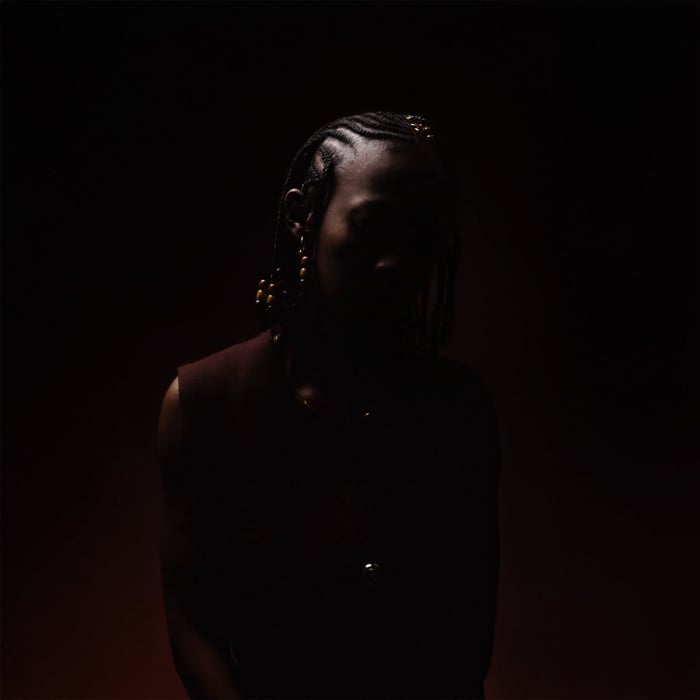
If the album’s cover stuck in your head the way the stories do, you can grab a favorite album cover poster for your wall over at our store: https://www.architeg-prints.com — a nice way to keep the mood without keeping the paranoia.
 | DISCOUNTGET 30% OFF*Use code on your next order:
|
* This post may contain affiliate links, meaning we earn a commission if you make a purchase through these links, at no additional cost to you.