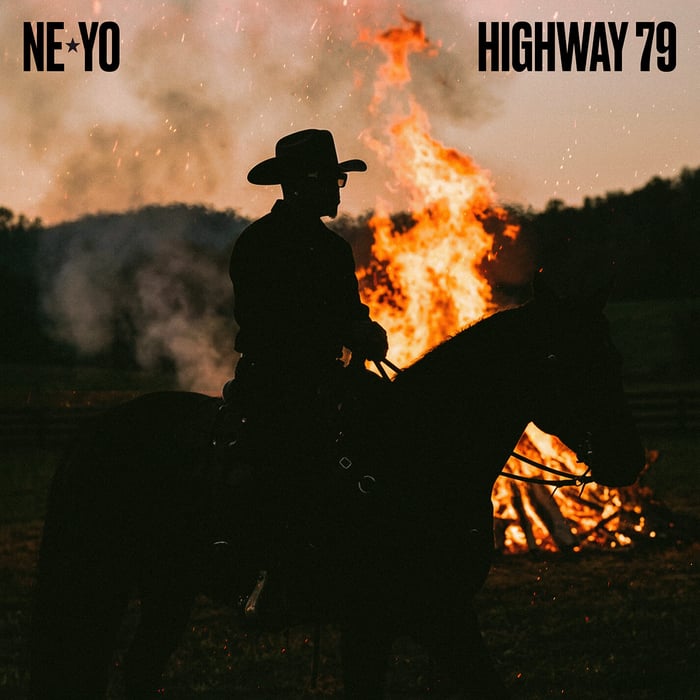
Ne-Yo’s Highway 79 Album Review: Nashville Boots, Soft Ego, Sharp Teeth


 See more Architeg Prints stories on Google.
Ne-Yo’s Highway 79 Album Review: Nashville Boots, Soft Ego, Sharp Teeth
Ne-Yo’s Highway 79 swaps pop gloss for blunt Nashville bite—confessions, truck jokes, and a mid-album slump that almost derails the point.
A record that stops pretending to be smooth
Ne-Yo has made a career out of sounding polished even when he’s admitting something ugly. Highway 79 is him taking that same instinct—say the uncomfortable thing, but make it sing—and dropping it into a Nashville-shaped room with backbeat drums, bright guitar strums, and choruses built for a group of friends shouting over each other.
It’s not “country” in the purist sense, and honestly, it doesn’t need to be. The bigger move is simpler: this album is Ne-Yo deciding that directness is a better flex than finesse. Less perfume, more eye contact.
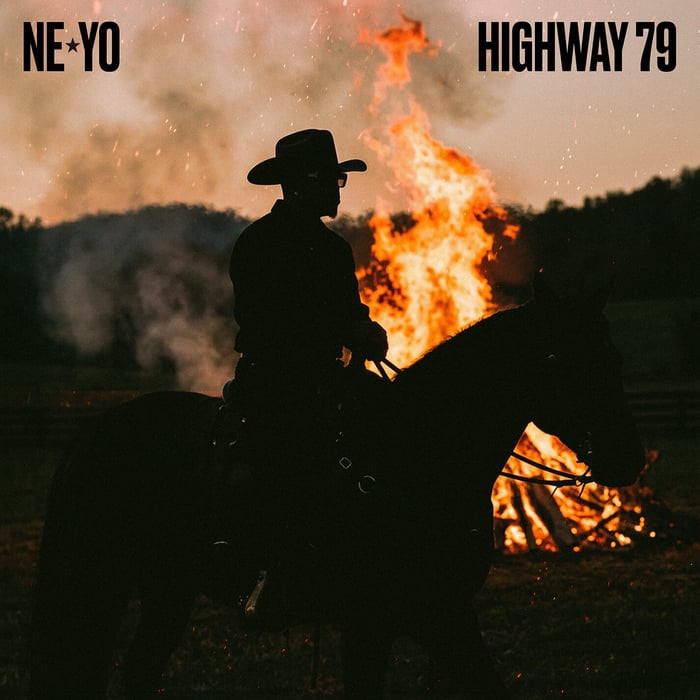
The concept is a road, but the real vehicle is his voice
The title Highway 79 carries the kind of symbolism artists love: the year he was born, the road tied to where he’s from, the idea of travel as a life summary. But the music doesn’t act like a scrapbook. It acts like a test.
The production choices—Nashville air in the mix, communal hooks, that “band in a room” energy even when it’s clearly modern—feel designed to do one thing: leave his voice exposed enough that he can’t hide behind pretty wording. And that’s the first arguable claim I’ll plant my flag on: this album isn’t about genre tourism, it’s about removing his usual camouflage. People will argue it’s just a vibe shift. I think it’s a strategy.
At first I expected the “Nashville feel” to turn him into a guest in somebody else’s house. On second listen, it’s the opposite—he’s using the setting to make his own writing sound less rehearsed, even when it’s still extremely calculated.
“Hate Me Now” is Ne-Yo choosing the least flattering angle on purpose
“Hate me now, love me later.”
“Hate Me Now” kicks open a door most pop-R&B avoids: honesty that isn’t noble. He sets it up like a warning—do you really want the truth?—then admits the truth is basically a weapon with good posture.
The hook lands on that brutal little contract: “Hate me now, love me later.” That’s not romance, that’s a sales pitch for bad behavior. And then he makes it worse (or better, depending on your tolerance) by describing noticing another woman at the grocery store. He doesn’t soften it. He plants his feet in the mess—I’m all for you, but yeah, she was beautiful—and then tries to act like the virtue is simply that he said it out loud.
Here’s what I think is really happening: he’s writing a character who thinks “keeping it real” is the same thing as being decent. That’s a very human delusion, and Ne-Yo performs it without begging you to absolve him. You could call it growth. You could call it shameless. Either way, it’s a choice.
“Wish I Didn’t Know You” is what mastery sounds like when it turns mean
“Wish I Didn’t Know You” is the kind of song you get from someone who’s been doing this long enough to know exactly where the listener’s weak points are. Not in a cynical way—more like a surgeon who doesn’t need to look at the chart anymore.
The lines are engineered to hurt cleanly:
- wishing he didn’t know how to make her cry
- wishing he could undo the domestic proof of a breakup (clothes back in the closet)
- wishing he could put her heart “back in your chest” like this is all reversible if you press hard enough
There’s an arguable take here: this is one of the crueler breakup songs he’s written, because it frames emotional damage as a skill he accidentally mastered. It’s regret, sure—but it’s regret with fingerprints still on the glass.
And yet, it works because he stops decorating the pain. The Nashville-leaning simplicity forces the words to stand there without mood lighting.
“Thinking What I’m Thinking” tries to rescue a marriage with a weekend and a trick
“Thinking What I’m Thinking,” with longtime collaborators Louis York (Chuck Harmony and Claude Kelly) behind it, stays inside the wreckage instead of staring at it from the sidewalk. The relationship isn’t dead; it’s just gotten used to being miserable, like misery is a piece of furniture they both stopped noticing.
Ne-Yo’s solution is small and sneaky: pack a bag, vanish for a weekend, tell nobody. That’s not a grand romantic gesture. It’s a pressure-release valve.
And then he drops the kind of line that slides in sideways and wins the scene: candlelight and whiskey—except he doesn’t even drink whiskey—he just likes the taste on her lips when she kisses him. That’s a specific intimacy, and specificity is basically the whole thesis of Highway 79.
Arguable claim: the song’s “fix” is flimsy, but the tenderness is real enough that you forgive the logic. Not every love song needs to be a good plan; sometimes it just needs to sound like a person thinking out loud at 2 a.m.
“Ms. Tundra” is the album’s dumbest moment—and it commits like a professional
Then there’s “Ms. Tundra,” which is Ne-Yo walking straight into comedy and refusing to act embarrassed about it. He frames it like he’s sampled every kind of woman on Earth—“under the sun and even under moonshine”—and then he ends up obsessed with a country girl he compares to a pickup truck from every possible angle.
“I call her Ms. Tundra ’cause she built like a truck” is the kind of line that dares you to roll your eyes. The track leans all the way into truck-and-road puns:
- curves like a backroad, can’t move too fast
- back it up and put it in park
- crowd chant answering boasts with a “Hell yeah”
Here’s my mild criticism: it’s a little too satisfied with its own gimmick. The joke is the engine, and once you get it, you’re basically just riding the loop.
But I can’t fully hate it, because the beat is built for a room full of synchronized idiots having a great night, and sometimes that’s a valid artistic goal. Also, if you’re going to make a goofy line-dance-adjacent track, committing this hard is the only way it survives.
Arguable claim: this is as far as the “Nashville experiment” goes—not because it can’t go further, but because Ne-Yo knows parody is safer than full immersion.
The opening run: three nights out, three different kinds of escape
The album opens with a stretch that feels like Ne-Yo trying on bar-night narratives like jackets.
“Up Out & Gone”
This one is chasing a night he won’t remember, with the kind of hook you can yell back while holding a drink you didn’t pay for. He even spells out the props: a beer ice-cold like December. The title gets stretched and repeated until it turns into a chant, which tells you what kind of room the song imagines.
Arguable claim: it’s not romantic; it’s anesthesia with a melody.
“Dance Right Now”
Here he turns the bar into a dodge. He lists the checks he could run—does she want money or heart, is she dressed like an angel with something ugly underneath—then shrugs and chooses the dance floor instead.
That’s not naïveté. That’s deliberate avoidance. The song is basically him saying: yes, I see the red flags; no, I’m not reading them tonight.
“Next Round On Me”
This is the softest of the trio, passing by like a friendly stranger making an offer with “no catches.” “Ninety-nine proof, no chasing” is a neat detail—clean, quick, meant to be swallowed.
I’m not totally sure if this track is intentionally slight or if it just doesn’t have enough teeth to stick. Either way, it functions like a breath before the album slides into devotion mode.
The mid-album glow: pleasant, sincere, and a little too similar
“Only Ever Been You” is where Ne-Yo leans into mid-tempo devotion with the classic move: stack up absurd status symbols—lottery ticket, private jet, a stadium of people there just to hear him sing—then wave them away for one person.
The feeling comes through as genuine. The problem is that the songwriting flirts with cliché, and when multiple songs sit in that same “you’re all that matters” temperature, they start to blur into one agreeable stretch.
This is the arguable part: the album’s warm middle is also its soft underbelly. The tougher confession songs and the sharper heartbreak moments have edges; these devotion tracks feel like they’re wearing matching sweaters.
Not bad sweaters. Just… you stop noticing them.
“Simple Things” is the album’s smartest flex: love without the costume
“Simple Things” strips away the whole production of romance. No glamor montage, no slow-motion dress reveal. He tosses out the makeup, the hair time, the red dress with the slit—and chooses the sweats and ponytail instead.
Then he lands the line that tells you exactly what he’s doing: he’d “equally praise a sandwich that you made.” That’s not a metaphor trying to impress you. That’s him insisting that real affection lives in the unsexy details.
He even closes the thought with the road-dog logic: so many nights out on the road, just to end up at the most obvious conclusion possible—there’s no place like home.
Arguable claim: this is Ne-Yo sounding more adult than he does on the big romantic gestures, because he’s finally praising normal life without apologizing for it.
“Crooked Halo” turns insecurity into trophies
“Crooked Halo” points outward at a woman who’s picking herself apart, building mountains out of blemishes nobody notices. The song works by reframing every supposed flaw as evidence of survival:
- flaws in a diamond are why they shine
- scars are trophies you take home after something tried to break you
This could’ve been corny motivational wallpaper. But the directness—again, that core move on Highway 79—keeps it grounded. It doesn’t sound like a brand campaign. It sounds like someone trying to talk a person off the ledge in real time.
Arguable claim: it’s less a compliment than a corrective—he’s not admiring her insecurity, he’s trying to overwrite it.
“If I Roped the Moon” saves the grand gesture for last—and makes it bitter
“I gave my all / I gave too much / I gave everything, still not enough.”
He holds the biggest ballad posture until the end with “If I Roped the Moon,” and instead of making it triumphant, he makes it resigned. The chorus is basically a receipt:
“I gave my all / I gave too much / I gave everything, still not enough.”
Then he hits the harsh verdict: she wanted the world, never wanted his heart. That’s not poetic ambiguity. That’s a closed case.
The second verse adds an extra twist of sting: he watches another guy fall for her the same way he once did—“the good guy who’s yet so naive”—and he can’t even bring himself to warn him off. Not because he’s kind, but because he recognizes the inevitability. Some lessons apparently have to be learned by impact.
Arguable claim: this is Ne-Yo’s old “romantic pain” formula, but it finally sounds believable here because the Nashville-style restraint keeps it from turning into perfume-ad heartbreak.
So what’s the real tradeoff on Highway 79?
The plan is pretty obvious once you sit with it: swap gloss for directness. Confession songs walk the expected path, regret songs hit harder because the language is plain, and even the truck jokes are committed enough to count as a real artistic decision.
But that mid-album softness—the cluster of pleasant devotion—keeps the record from feeling razor-sharp front to back. The surrounding songs have clearer silhouettes; those middle tracks smear together like warm streetlights through a rainy windshield.
And still, the tradeoff pays off more often than not. Highway 79 gets Ne-Yo to some of his most effective writing in a while, mostly because it forces him to stop hiding behind elegance.
If I sound too sure of myself, I’ll admit this: I kept waiting for the album to fully jump the fence into a bolder Nashville commitment, and it never quite does. Maybe that’s the point. Maybe he’s not trying to convert—he’s trying to simplify.
Ne-Yo’s Highway 79 isn’t a costume party; it’s him choosing to sound less protected. The best songs don’t chase innovation—they chase clarity, and they catch it just long enough to leave a mark.
Our verdict: People who like breakup honesty that doesn’t ask permission will actually like this album, especially if you enjoy pop songwriting wearing work boots. If you want nonstop bangers or deep genre purity, you’ll get restless halfway through and start side-eyeing the “Ms. Tundra” truck metaphors like they personally offended you.
FAQ
- Is Highway 79 a country album?
It doesn’t play by strict genre rules. It borrows Nashville textures—guitars, backbeat, group-hook energy—without fully surrendering Ne-Yo’s pop writing instincts. - What’s the emotional center of Highway 79?
The confessional tracks hit hardest—songs like “Hate Me Now” and “Wish I Didn’t Know You” lean into uncomfortable truth instead of pretty phrasing. - Which track feels the most “Nashville night out”?
“Up Out & Gone” is built like a room chant, with a hook designed to be yelled back after the first drink. - What’s the album’s weak spot?
The mid-tempo devotion stretch (“Next Round On Me,” “Only Ever Been You”) is pleasant but can blur together compared to the sharper songs around it. - What should I listen to first if I only try three songs?
“Wish I Didn’t Know You,” “Simple Things,” and “If I Roped the Moon” show the album’s range: regret, grounded love, and bitter grand-gesture heartbreak.
If you’re the type who judges an album by whether its cover matches the mood, you can shop a favorite album cover poster at our store—quietly, no pressure—over at https://www.architeg-prints.com.
 | DISCOUNTGET 30% OFF*Use code on your next order:
|
* This post may contain affiliate links, meaning we earn a commission if you make a purchase through these links, at no additional cost to you.