Macklemore Support Grows as BIIRD and Myles Smith Speak Out

 See more Architeg Prints stories on Google.
Macklemore Support Grows as BIIRD and Myles Smith Speak Out
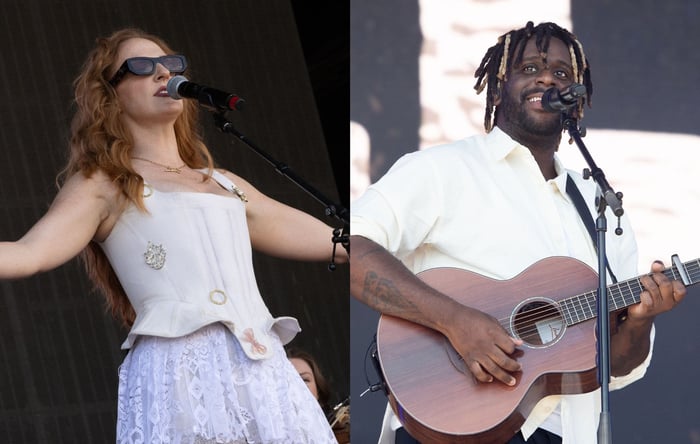
The Macklemore support movement grows as former Ed Sheeran tour acts BIIRD and Myles Smith defend his call for Palestinian freedom.
A Tour Controversy That Quickly Became Bigger Than Music
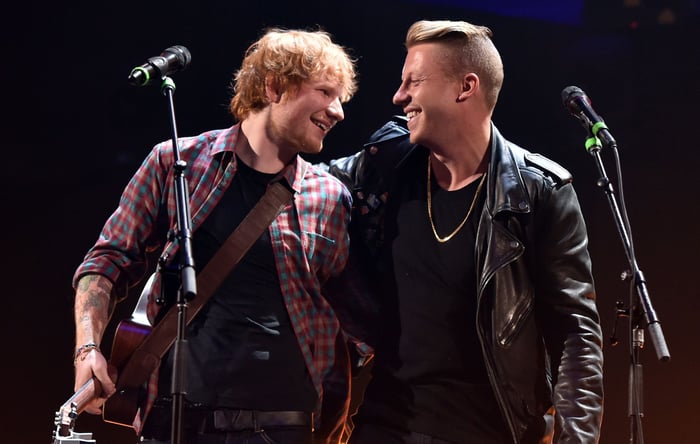
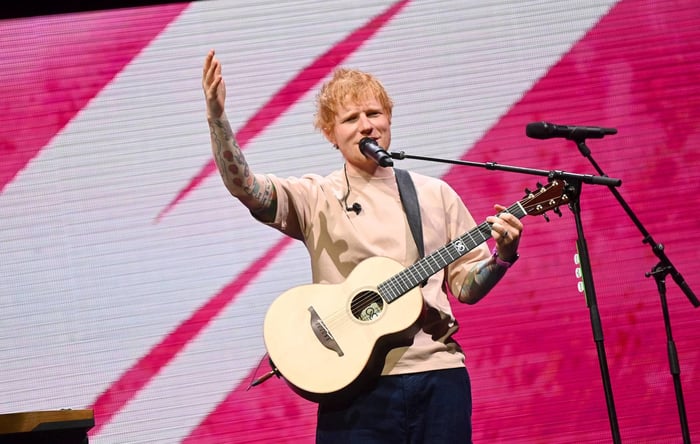
A concert usually runs on a familiar rhythm: lights down, opening act, crowd singalong, headline set. But during Ed Sheeran’s ongoing Loop Tour, the evening took a sharp turn when Macklemore used the stage to speak about Palestine—and the fallout continued long after the microphone was switched off.
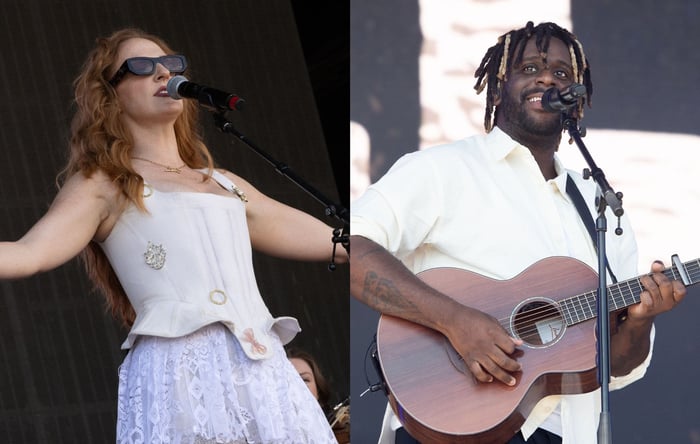
Both BIIRD and Myles Smith, who supported Sheeran on earlier legs of the tour, have now spoken in support of Macklemore. Their statements arrive after the rapper was removed from the lineup following his public backing for Palestine and his appeal for equal dignity and freedom.
The controversy began during Macklemore’s appearance as an opening act for Sheeran. Speaking to the audience, he called for “all human beings to be treated with dignity, respect, and equality” and voiced support for a “free Palestine.” It was a direct, emotional statement—and, as anyone who has watched a live show turn into a cultural flashpoint knows, the words traveled far beyond the venue.
Macklemore’s Speech Sparks a Public Dispute
The response was immediate. The Israeli-American Council called for Macklemore to be removed from the tour, accusing him of using his platform to promote what it described as a one-sided political agenda.
Macklemore did not retreat from his comments. Instead, he defended his appeal for a free Palestine and argued that the pursuit of equality “should never be controversial.” Despite that response, he was later dropped from the tour.
The rapper subsequently shared a lengthy statement about the decision. In it, he claimed that Robert Kraft, owner of the New England Patriots and Gillette Stadium, had launched a campaign urging Sheeran to remove him or risk having the shows canceled.
Kraft later defended his involvement, saying the venue would not provide a platform for hate speech. Sheeran, meanwhile, said he was “not complicit” in the decision and was not responsible for Macklemore’s removal. He added that he had spent the previous week “trying to build bridges, to find a solution,” but had been unable to reach one.
That explanation did little to quiet the debate. In music, silence can be interpreted in a dozen different ways, and support acts soon found themselves deciding whether remaining on the bill was compatible with their own views.
Other Artists Begin Pulling Out
The dispute continued to ripple through the tour lineup. Several additional support acts withdrew in solidarity with Macklemore and the people of Palestine.
Among those named were Finneas, the brother and musical collaborator of Billie Eilish, along with Irish artists Aaron Rowe and Beoga and Danish band Lukas Graham. Finneas has previously expressed support for Palestinians and said that “Artists must not be silenced when they speak up for the oppressed.”
The withdrawals changed the atmosphere around the tour. What began with one artist’s speech became a wider conversation about the responsibilities of performers, the pressure placed on musicians working within large touring productions, and whether artists can speak freely when their words may affect venues, promoters, and headline acts.
For BIIRD, the decision was especially personal. The Irish group had already completed its dates supporting Sheeran, but that did not stop the members from making their position clear.
BIIRD Stand Behind Macklemore’s Words
BIIRD said their time on the tour had ended with a performance at MetLife Stadium—the same show where they witnessed Macklemore deliver his speech.
In a statement, the group explained that they felt it was important to address the decision to remove him. Their message was unequivocal: they supported what Macklemore had said and stood with those who had chosen to step away from the tour.
“Following the decision for Macklemore to be dropped from the ‘Loop Tour’, we feel it is important to be clear about where we stand.”
They continued by pointing to their final performance and the significance of seeing Macklemore speak in person:
“Our time on the ‘Loop Tour’ has already come to an end. Our last show was at the MetLife Stadium where we witnessed Macklemore’s speech. We stand unequivocally behind every word he said.”
BIIRD also expressed support for Palestinians, for the artists who had made the difficult choice to leave the tour, and for people speaking against Zionist lobbying groups.
There’s something striking about the timing of the statement. BIIRD had no remaining tour dates to protect and no immediate position on the bill to risk. They were speaking after their run had finished, when the stage lights had moved on and the practical business of touring was already behind them.
Myles Smith Rejects the Idea of Staying Quiet
Myles Smith, a BRIT Award winner who had also completed his dates with Sheeran, addressed the issue after fans asked him to comment.
His response was blunt from the opening line. Smith made clear that he was no longer part of the tour and therefore was not speaking to preserve a spot, paycheck, or career opportunity.
“For everyone asking me to drop out of Ed’s tour, let’s get something straight: I’m not on that tour anymore.”
He continued:
“This is not me protecting a slot, a cheque, or an opportunity. I have absolutely no need to say anything here. I could have stayed silent, coasted along, or asked my PR to write something clean and careful. But fuck that.”
Smith described the suffering of Palestinians as devastating and impossible to ignore. He said that no child, family, or innocent person should have to endure bombing, displacement, hunger, grief, or fear.
His statement also drew on experiences from his own life. Smith said he had spent six months working in a home with Holocaust survivors, where he heard stories from members of the Jewish community about bravery, survival, loss, and humanity. He also described growing up around Muslim friends and families, spending time in mosques, and celebrating Eid during his youth.
“Neither of those experiences taught me to sit on the fence. They taught me to be human.”
A Call for Compassion Without False Choices
Smith’s statement rejected the idea that supporting Palestinians requires ignoring Jewish trauma or antisemitism. He argued that people can mourn Jewish suffering while condemning the bombing of Palestinian children, reject antisemitism while opposing occupation and collective punishment, and recognize the fear of Israeli civilians while acknowledging the catastrophic scale of Palestinian suffering.
His message was centered on freedom, safety, dignity, and self-determination. Rather than presenting the situation as a simple choice between two opposing loyalties, Smith said compassion should not be treated like a limited resource. Caring about one community does not require abandoning another.
That position also shaped the way he spoke about Sheeran.
Myles Smith Defends Ed Sheeran While Criticizing the Situation
Addressing Sheeran directly, Smith argued that the singer was not the victim of the crisis—but also was not its perpetrator.
“It’s simple: Ed is not the victim here. Palestinians are. But let’s not get confused: Ed is also not the perpetrator.”
Smith described Sheeran as a friend and said no pressure, trend, headline, or online comment would make him turn against him. He acknowledged that the situation was deeply ironic because, in his view, Sheeran had quietly invested considerable time, care, and money into making the world better.
The point was not to erase the controversy or excuse every decision connected to the tour. Instead, Smith tried to separate personal loyalty from political responsibility. He said supporting Palestinian life, safety, and freedom did not require him to betray someone he believed to be a good person.
“It requires me to keep the focus where it belongs: on the people suffering, and on the people with the power to stop it.”
That distinction gives Smith’s statement its particular weight. It is possible, he argued, to criticize a situation without reducing every individual connected to it into a villain or symbol.
Who Has Responded—and Who Hasn’t?
At the time covered by the report, Sheeran had not responded directly to the support acts who withdrew or spoke publicly about the controversy.
Other artists who performed during earlier stages of the tour included Vance Joy, Sigrid, Amble, Ellie Banke, and Mia Wray. None had shared a comment on the situation at that point.
Macklemore, meanwhile, had used his MetLife Stadium speech to tell people in Gaza and the West Bank that they had not been forgotten. He also said he believed every person on Earth deserved exactly the same freedom.
Kraft’s response confirmed his role in Macklemore’s removal and stated that the venue “does not provide a platform for hate speech.” That position, along with Sheeran’s explanation and the statements from BIIRD and Smith, left the controversy suspended between the music industry’s business machinery and the moral convictions of the artists working inside it.
Conclusion
The support for Macklemore shown by BIIRD and Myles Smith is about more than a single tour lineup. It reflects a broader question musicians have faced for decades: when a public platform opens in front of them, do they use it only for songs—or also for the causes they believe cannot wait?
FAQ
- Why was Macklemore removed from Ed Sheeran’s tour?
Macklemore was removed after publicly expressing support for Palestine during a performance and calling for dignity, equality, and freedom for all people. - What did BIIRD say about Macklemore?
BIIRD said they stood “unequivocally” behind every word of Macklemore’s speech and expressed solidarity with Palestinians and artists who left the tour. - Why did Myles Smith speak out?
Smith said he was no longer on the tour and therefore had no position, paycheck, or opportunity to protect. He explained that he could have stayed silent but chose to address the suffering of Palestinians. - Did Myles Smith criticize Ed Sheeran personally?
Smith said Palestinians—not Sheeran—were the victims. He also described Sheeran as a friend and said that supporting Palestinian freedom did not require him to turn against Sheeran. - Which other artists withdrew from the tour?
The artists named included Finneas, Aaron Rowe, Beoga, and Lukas Graham. The wider lineup also included performers such as Vance Joy, Sigrid, Amble, Ellie Banke, and Mia Wray, though not all had commented.
If this story made you think about the artists and albums that have shaped your own sense of identity, browse the favorite album cover posters at Architeg Prints—a warm, lasting way to keep music’s biggest moments on your wall.
 | DISCOUNTGET 30% OFF*Use code on your next order:
|
* This post may contain affiliate links, meaning we earn a commission if you make a purchase through these links, at no additional cost to you.