Tove Lo’s Estrus: Therapy, Pop Freedom, and the Messy Girl


 See more Architeg Prints stories on Google.
Tove Lo’s Estrus: Therapy, Pop Freedom, and the Messy Girl
Explore Tove Lo’s Estrus, a vulnerable dance-pop era shaped by therapy, body acceptance, Swedish influences, and fearless self-expression.
A New Chapter With Teeth
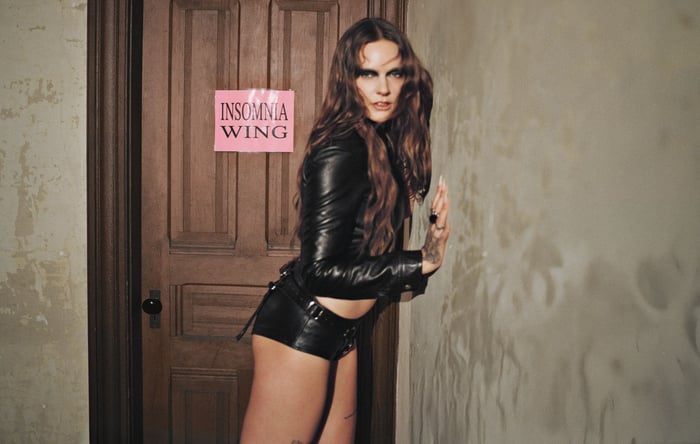
Tove Lo has never been interested in sanding down the rough edges. With her upcoming sixth album, Estrus, she turns vulnerability, desire, anxiety, and recovery into a glitter-covered dance floor—and somehow makes emotional chaos sound ready for the main stage.
The record follows preview tracks including “I’m Your Girl Right?”, “DNH,” and “Des Fleurs,” her collaboration with Stromae. It also marks her first solo album in four years, the longest gap she has taken between studio records. That pause arrived after her 2024 collaborative project with SG Lewis, Heat, left her creatively fulfilled but temporarily unsure what she wanted to say next.
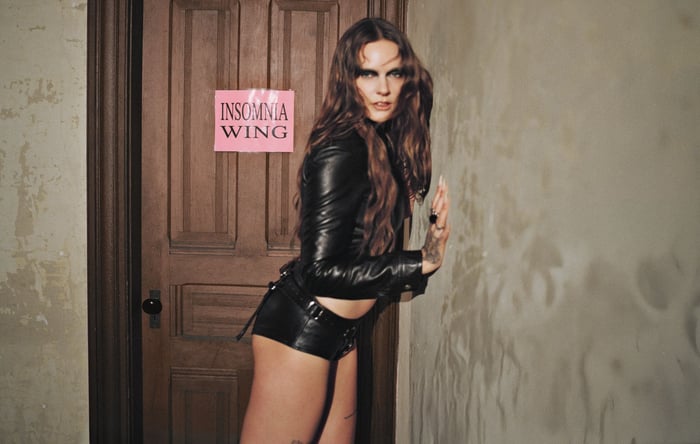
“After that, I felt kind of creatively satisfied for a while, and then when I started to do this record, I was like: ‘Man, I don’t even know what I want to say. Am I ready to open up again? I don’t know.’”
— Tove Lo
That uncertainty became part of the album’s emotional engine. Rather than forcing herself back into the studio, Tove Lo stepped away from writing for six months. Eventually, she returned to a small Swedish fishing village where she spent summers growing up, working alongside longtime collaborator Ludvig Söderberg. The album began to unfold there, with the ’80s-flavored synth anthem “Die For My Art With A Lonely Heart” among the first songs to take shape.
Why Tove Lo Chose the Name Estrus
The title arrived almost accidentally, which feels perfectly fitting for an album built around instinct and emotional exposure. Tove Lo was searching for a word that sounded animalistic and primal but still carried a sense of vulnerability and self-reflection.
While looking through a book called Feline in her Los Angeles studio—a place she visits when lyrics refuse to show up—she found the answer. The book explained that when a female mammal is in heat, it is in “estrus.”
The word captured the record’s central tension: desire mixed with frustration, confidence tangled with anxiety, and an urge to connect rubbing against the fear of being misunderstood. Tove Lo described the album’s emotional state as something physical and almost feral—an impulse to find a mate, to procreate, and to reach outward, while simultaneously feeling exposed and unsure of her own identity.
That combination gives Estrus its bite. It is not simply an album about sex or romance. It is about the whole messy nervous system of wanting something badly.
The Village Where Every Version of Her Still Lives
The Swedish fishing village is not just a picturesque writing retreat. For Tove Lo, it is an emotional archive.
She first visited during childhood summers, when the place became the setting for many early milestones: her first kiss, her first experience with alcohol, and her first heartbreak. Later, she returned after the release of her first album, when she was completely burned out. Each visit brought old memories back to the surface, sometimes tender and sometimes far less comfortable.
Now, she feels almost compelled to return there whenever a new album begins. The village gives her space to reconnect with earlier versions of herself without the usual distractions. Visiting in the off-season helps too; there are fewer people, fewer interruptions, and more room to disappear into a creative bubble.
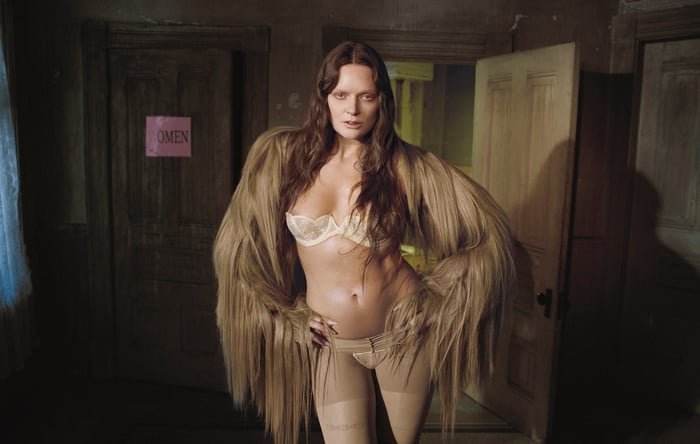
That setting helped shape Estrus into a club-ready collection filled with pulsing beats, slippery basslines, and huge pop melodies. The album draws inspiration from Swedish artists such as Robyn, Lykke Li, and The Knife, but its emotional center remains unmistakably Tove Lo: blunt, melodic, sensual, and just a little dangerous.
She was especially excited to perform “I’m Your Girl Right?” because of its “punk energy and feral-ness.” With a live production being prepared to “blow everyone’s minds,” the song sounds like it was practically built to send a crowd into joyful disarray.
Therapy, Recovery, and Making Peace With Her Body
The village has witnessed Tove Lo through nearly every major chapter of her life, including depression, an eating disorder, breakups, family drama, and loss. When she thinks about her teenage self now, she still feels closely connected to that younger person—even if old journals occasionally make her wonder what on earth she was trying to express.
One thing her younger self would likely celebrate is the way Tove Lo eventually rebuilt her relationship with her body. She recognizes that it took years, and she sometimes wishes those years had not been consumed by body struggles. At the same time, she believes those experiences helped her develop a deeper understanding of herself.
Being openly sexual, naked, unretouched, and natural has brought her plenty of affection, but it has also attracted cruel comments and harsh judgments. She says she could not have handled that public scrutiny without the work she did in therapy and the more grounded relationship she now has with her body.
Recovery began by addressing the habits and mental pathways connected to her eating disorder. Once those patterns became more manageable, she could look at the deeper emotional issues underneath them. As she explained, the root of the problem was often unrelated to food or appearance.
She continues to see a therapist and still checks in regularly. Therapy has given her tools for interrupting destructive thought spirals before they become overwhelming. The “inner saboteur” has not disappeared entirely, but she has learned how to manage it instead of letting it take over.

For anyone facing similar struggles, her advice is direct: tell someone close to you. Speaking openly can feel terrifying because it means the problem can no longer remain hidden. It also means surrendering some control over how you conceal it.
Still, that first conversation can begin the process of getting help. For Tove Lo, admitting the problem aloud was the frightening first move that could ultimately change everything.
Robyn, Lykke Li, and the Swedish Pop Blueprint
Tove Lo continues to listen to Swedish artists who inspired her, so she found it amusing—and lucky—that both Robyn and Lykke Li released new albums around the same period. She admired how both artists stayed firmly inside their own creative worlds while continuing to evolve.
Robyn’s influence is particularly clear in the way she can make a lyric sound simple while giving it an almost devastating emotional impact. Tove Lo pointed to “Dancing On My Own” as the ultimate sad banger, but she also highlighted a line from “Be Mine”: “It’s a good thing tears never show in the pouring rain.”
That lyric creates an entire film in a single sentence: someone walking through Stockholm in the rain, crying while the weather hides the evidence. It is dramatic, visual, and heartbreaking without needing to shout. For Tove Lo, artists like Robyn and Lykke Li were part of the reason she dreamed of making music herself.
A Bigger Welcome for the Messy Girl
Tove Lo has become an important voice in body and sexual positivity, particularly because she refuses to separate sensuality from intelligence or emotional depth. She says the cultural response has changed significantly since the beginning of her career.
Earlier on, she often felt she had to defend herself. Some questions seemed to assume that being sexual meant she had nothing meaningful to say. Now, she senses a greater level of respect and a wider acceptance of women who are complicated, open, imperfect, and unapologetically expressive.
“There’s way more love for and acceptance of the messy girl.”
— Tove Lo
When asked which emerging artists she admires, she immediately named Slayyyter. Tove Lo believes Slayyyter has spent years developing her sound and identity, and that she is finally receiving the attention she deserves.
That admiration fits neatly within the world of Estrus: bold women making strange, sexy, emotional pop without asking permission first.
George Daniel, Associanu, and an Organic Collaboration
Tove Lo also discussed her work with George Daniel, known for his connection to The 1975, on his debut track “Screen Cleaner.” The collaboration grew out of an already close creative network.
Tove Lo and producer and artist TimFromTheHouse work together in a side project called Associanu. They had created a song featuring Tove Lo singing in Swedish, and Tim also makes music with George. George is a friend of Tove Lo’s and had signed the Associanu DJ collective to his label, creating a distinctly in-house dance-music family atmosphere.
George and Tim reworked the Swedish-language track, with George producing it around Tove Lo’s vocals. The collaboration happened without the three artists needing to be in the same studio, even though they often spend time together socially.
Tove Lo has not written with George again since then, but she would love another opportunity. Her verdict was refreshingly uncomplicated: he is amazing.

From Habits to a New Kind of Euphoria
“Habits (Stay High)”, first released in 2013, remains one of Tove Lo’s defining songs. Her relationship with it has changed over time.
When she wrote it, the song came from a place of heartbreak, with the feeling that her heart was actively falling apart. Now, she hears it through a warmer lens. The track has become connected to an affectionate kind of euphoria because of how dramatically it changed her life.
She still loves performing it. Each live rendition brings back the memory of what the song opened up for her, transforming an old wound into something celebratory.
Why Estrus Won’t Get a Conventional Remix Album
While other pop artists have embraced elaborate remix albums, Tove Lo says she does not plan to give Estrus that treatment. She usually enjoys hearing other artists reinterpret her songs, but this record feels different. She would struggle to hear anyone change the tracks too much.
There may be one or two remixes if they make sense for specific songs. However, she would rather invite collaborators into the broader Estrus universe through new material—additional songs that share the album’s atmosphere without altering what is already there.
Her dream collaborator list includes Robyn, ADÉLA, Slayyyter, Charli XCX, Wet Leg, Doechii, and Zara Larsson. She spoke especially enthusiastically about Doechii, calling her “so fucking badass” and saying she would love to create something together.
Learning to Stop Having Every Answer
Making her sixth album taught Tove Lo that she is comfortable not knowing exactly where life will take her. She does not have a rigid future plan, and she is grateful to be with someone who feels similarly.
For her, not having everything figured out at this stage is not a failure. It is simply another way of living—one that leaves room for surprise, mistakes, new songs, and the occasional beautifully chaotic detour.
That may be the real heart of Estrus. The album does not promise neat answers. Instead, it offers a place where uncertainty can move to a beat.
Tove Lo hopes listeners feel as if she has ripped open their hearts, poured glitter inside, and sent them stumbling out of a sweaty club room wondering what just happened. They may not have more answers, but she hopes they feel more understood.
Estrus is scheduled for release September 18 through Pretty Swede Records. Tove Lo’s North American tour began in Nashville on September 15, followed by Mexico in October and the UK and Europe in November. Tickets and additional information are available at Ticketmaster.
Conclusion
Tove Lo’s Estrus sounds like a record about surrendering control without losing your voice. It turns therapy, desire, body acceptance, old heartbreak, and Swedish pop inspiration into something physical and communal. Are you ready to step into the glitter storm?
FAQ
- What is Tove Lo’s new album called?
Tove Lo’s sixth album is called Estrus. - What inspired the title Estrus?
The title came from a feline reference describing a female mammal in heat. Tove Lo connected the word’s primal, frustrated, vulnerable energy to the emotions behind the album. - How did therapy influence Tove Lo’s creative life?
Therapy helped her address eating-disorder patterns, interrupt destructive thought spirals, and build a healthier relationship with her body and self-image. - Which artists inspired Estrus?
Tove Lo named Robyn, Lykke Li, and The Knife as important inspirations for the album’s sound and emotional approach. - Will Estrus receive a remix album?
Tove Lo does not expect to release a traditional remix album, although she may consider one or two remixes and hopes to create new songs with dream collaborators.
Bring the bold, glittering spirit of Tove Lo’s music home with a favorite album cover poster from Architeg Prints. It is a warm way to keep that pop-euphoria feeling on your wall long after the final track fades.
 | DISCOUNTGET 30% OFF*Use code on your next order:
|
* This post may contain affiliate links, meaning we earn a commission if you make a purchase through these links, at no additional cost to you.