Megan Moroney “Cloud 9” Review: Gen Z Heartbreak, Kept Practical


 See more Architeg Prints stories on Google.
Megan Moroney “Cloud 9” Review: Gen Z Heartbreak, Kept Practical
Measured notes on Megan Moroney and Cloud 9, from the familiar country-pop setup to sharper character work, specific regrets, and a few carefully placed surprises.
Album context
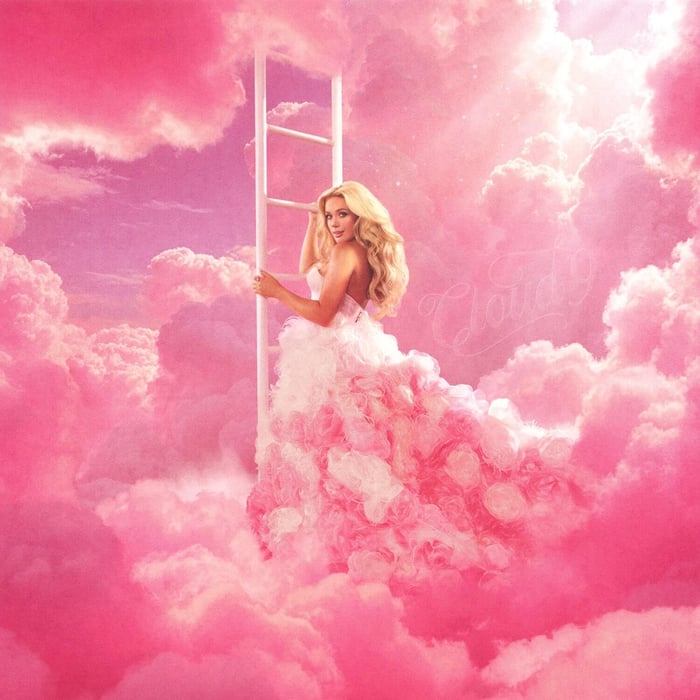
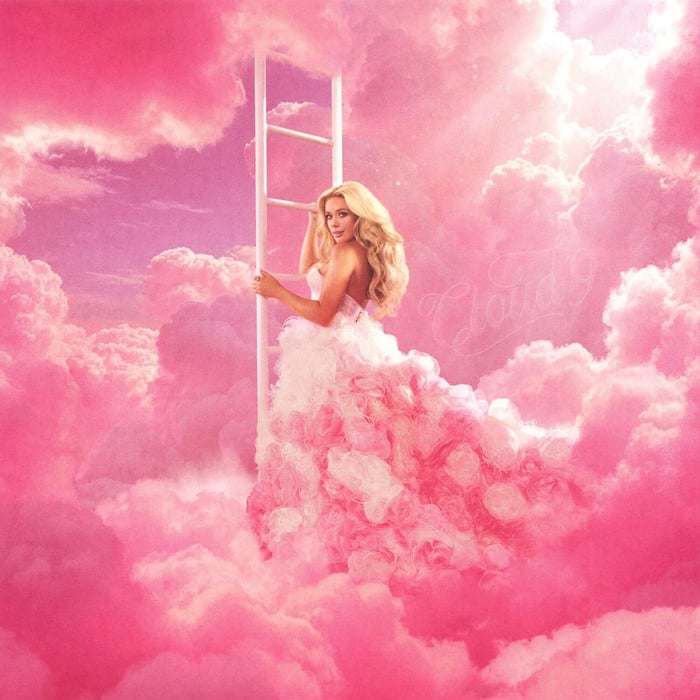
Megan Moroney’s third album, Cloud 9, arrives after a fast shift from online visibility to full-scale mainstream country presence. It positions her as a Georgia singer-songwriter operating comfortably inside major-label country, with pop reach built in.
From breakout narrative to arena-scale reality
The listening experience makes it clear how Moroney’s rise has been organized: one clean breakthrough premise, followed by a series of singles that keep the persona consistent while enlarging the room around it. “Tennessee Orange” functions like a origin story told in school colors—someone overrides college-football allegiance because romance has submitted the proper paperwork.
From there, the album’s surrounding context (and its general framing) treats Moroney less like a new artist and more like an artist who has already been decided upon. The trackwriting operates with the confidence of a catalog that expects to be quoted back. Nothing here sounds like it was recorded to test the waters. The waters are assumed.
A familiar framework, still doing its job
After the credits and guest list suggest a major leveling-up, Cloud 9 mostly proceeds by staying close to Moroney’s established method rather than pivoting into some dramatic reinvention.
The core structure remains:
- tightly plotted Music Row songwriting
- contemporary phrasing that pulls from Gen Z internet habits
- sturdy pop-rock muscle underneath the country finish
The album doesn’t hide its interest in current speech patterns; it uses them as a normal part of the character’s vocabulary, not as a novelty. At one point, the writing even drops the word “cosplay,” which lands less like a stunt and more like an unbothered sign that the narrator’s world contains both honky-tonk metaphors and online terminology in the same sentence. The songs don’t ask permission. They just file it under “daily life.”
References that come from the family shelf, not the algorithm
Moroney namechecks legacy artists—Al Green, Charlie Daniels, Etta James—in a way that feels domestic and inherited rather than curated for credibility. The album treats these references like items pulled from a parent’s record collection, not like historical citations offered for approval.
That detail matters mostly because it clarifies how Cloud 9 handles time. It’s current in language, traditional in how it uses musical memory, and practical in what it wants from both. The result is not a collision so much as a coexistence: the album can talk like a phone screen while keeping older names in the room as background furniture.
Heartbreak, processed with a phone in hand
In Moroney’s version of heartbreak, the central emotion isn’t staged as saloon tragedy. It’s administered in smaller, sharper reactions—more eye-roll than sob, more exhausted scrolling than cinematic collapse.
The album’s relationship writing leans into that posture. Instead of “tears in your beer” remorse, the songs often communicate disappointment the way modern disappointment usually travels: via disaffection, delayed replies, and the resigned awareness that the whole situation could have been avoided if anyone involved had better impulse control. The voice stays presentable even when it’s clearly not having a relaxing week.
Where Cloud 9 quietly changes: more complication per minute
The notable shift on Cloud 9 isn’t a makeover in sound; it’s a slow increase in emotional complexity underneath the pastel-coded presentation. The album still carries “prom-queen problems” on its surface—romance, self-image, social positioning, the daily math of who meant what—but it starts allowing the narrator to be less tidy about why she’s upset.
Two songs make that change especially legible:
“Liars & Tigers & Bears” as a list of professional demands
“Liars & Tigers & Bears” plays like an uneasy inventory of what aspiring pop stars are expected to tolerate and perform. It doesn’t romanticize the grind; it stacks requirements until the pile looks suspiciously heavy. The song’s tension comes from its catalog format—each new item adds pressure, and the accumulation starts to feel like a job description written by someone who won’t be in the building when it goes wrong.
The track’s effect is simple: it documents strain without converting it into inspirational branding. The narrator sounds aware of the deal, and not particularly soothed by that awareness.
“Change of Heart” as self-blame in pop-punk packaging
“Change of Heart” moves with pop-punk efficiency while keeping the lyrical viewpoint pointed inward. The song runs on the specific habit of blaming oneself for repeated bad romantic decisions—less “why did you do this to me” and more “why do I keep volunteering.”
It’s catchy in the way earworms tend to be: the hook behaves like it’s supposed to, the tempo keeps the song from lingering, and the regret is delivered as a routine update rather than a grand confession. The track doesn’t need a breakdown section to prove feelings exist. It just continues, briskly, with the paperwork of consequence.
“Bells & Whistles” and the practical mechanics of guilt
The album’s most pointed storytelling arrives with “Bells & Whistles,” a country waltz performed with Kacey Musgraves. The setup is straightforward: the narrator is involved with a man who is already in a relationship, and the song describes the situation from the mistress’s perspective.
What makes it functional is the song’s refusal to frame the scenario as glamorous. It observes the other woman—“the faithful woman being cheated on”—through a competitive lens at first, using comparison as a coping mechanism. Moroney’s narrator positions herself as the upgraded model, the one with the extra features.
Then the final turn flips the logic. The last line reframes the narrator’s confidence as dependency and self-disgust, revealing that the “extras” aren’t decoration so much as armor. The song’s meaning changes without changing the scene; it simply admits what the character’s been doing.
“She’s like me without the bells and the whistles… I’m not me without the bells and the whistles.” — Megan Moroney
It’s an efficient twist because it doesn’t announce itself as one. It just adjusts the emotional accounting at the end and leaves the listener holding the new total.
A narrator who treats songwriting as leverage
Later, the album offers a blunt summary of Moroney’s chosen weaponry. The line arrives with the calm of someone listing what’s on the table.
“Stone-cold killers have guns… But I’ve got songs.” — Megan Moroney
In practice, Cloud 9 behaves as if songwriting is both diary and tool: a way to process events and a way to control the narrative after the event has already happened. The album doesn’t present this as noble or tragic. It presents it as effective. People do what they can with what they have.
Sound and language: muscular pop-rock with conversational phrasing
Across the album, the production keeps a “muscular pop rock” posture—solid drums, bright guitars, forward motion—serving as a dependable chassis for Moroney’s conversational writing. The music doesn’t drift far from radio-ready structures, and it doesn’t need to. The intent is clarity: strong frames for lines that want to be repeated, screenshotted, or quietly memorized during someone else’s explanation.
The songwriting’s internet-adjacent language works best when it’s treated as normal speech rather than a wink. Cloud 9 mostly understands that. The album doesn’t pause to underline its modern references; it uses them and moves on, like anyone else trying to finish a thought before the feeling changes.
Guests and scale, without a change in personality
The presence of high-profile collaborators (named in the album’s framing around it) signals industry confidence and wider attention. Yet the album itself doesn’t behave like it’s trying to become a different kind of record to justify those names. It keeps Moroney’s core approach intact: organized storytelling, clean punchlines, and emotion delivered in controlled portions.
That steadiness becomes the album’s defining behavior. Even when the subject matter gets messier—affairs, self-recrimination, professional pressure—the delivery stays composed. The songs do not spiral. They document.
Conclusion
Cloud 9 keeps Megan Moroney’s established country-pop framework in place while letting more contradiction leak into the character work. The surface remains polished and current, but the details underneath show a narrator who can admit unattractive motives, keep going anyway, and turn the experience into a neat three-minute record of events.
Our verdict: consistent in tone, slightly sharper in its emotional accounting, and very committed to treating complicated feelings as regular calendar items.
FAQ
- What is the core focus of Megan Moroney on Cloud 9?
The album keeps her blend of Music Row songwriting and modern phrasing, while adding more emotional complication beneath the polished presentation. - Does Cloud 9 change Megan Moroney’s sound significantly?
Not dramatically. The record largely sticks to muscular pop-rock-leaning country and focuses more on tightening the storytelling than reinventing the sonic palette. - How does the album handle heartbreak?
It processes it with controlled delivery—less dramatic collapse, more weary self-awareness and practical irritation that still registers as real. - What stands out about “Bells & Whistles”?
It presents an affair from the mistress’s perspective and then undercuts the narrator’s confidence with a late admission of self-loathing. - Are there notable lyrical one-liners on the album?
Yes. The record repeatedly uses concise lines that function like summaries, including the idea that some people have weapons and the narrator has songs.
If you want a visual reminder of the album’s neatly packaged turmoil, you can shop a favorite album cover poster at our store: https://www.architeg-prints.com. It suits the general theme of making feelings look presentable.
 | DISCOUNTGET 30% OFF*Use code on your next order:
|
* This post may contain affiliate links, meaning we earn a commission if you make a purchase through these links, at no additional cost to you.