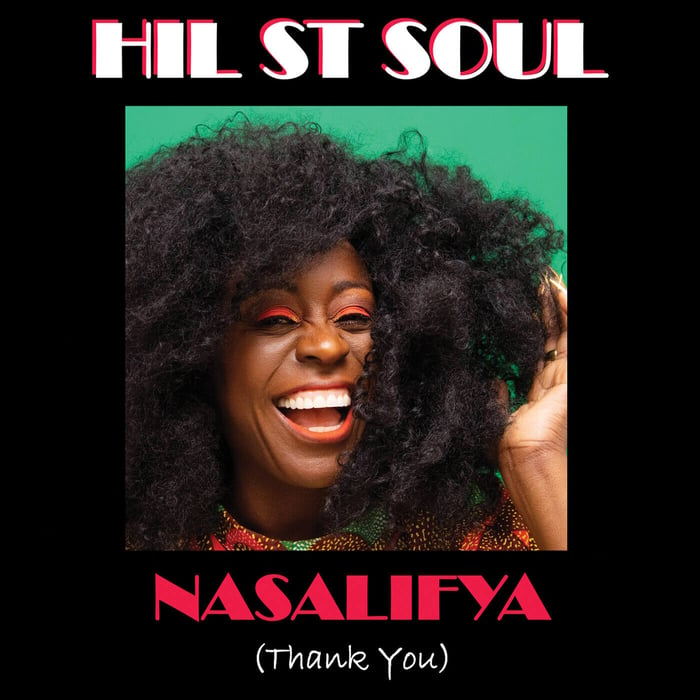
Nasalifya Album: Hil St. Soul Turns Grief Into a Slow, Stubborn Flex


 See more Architeg Prints stories on Google.
Nasalifya Album: Hil St. Soul Turns Grief Into a Slow, Stubborn Flex
Hil St. Soul’s Nasalifya album hides its heaviest punch at the end—gratitude, grief, and grown-folk restraint that refuses to beg for attention.
Start Here: This Album Isn’t “Smooth,” It’s Controlled
Some albums try to impress you. This one tries to outlast you.
The Nasalifya album feels like Hil St. Soul walking into a room, closing the door gently, and deciding you’ll listen on her terms—or you won’t listen at all. It’s not flashy. It’s not desperate. It’s the sound of someone who’s done performing youth as a personality.
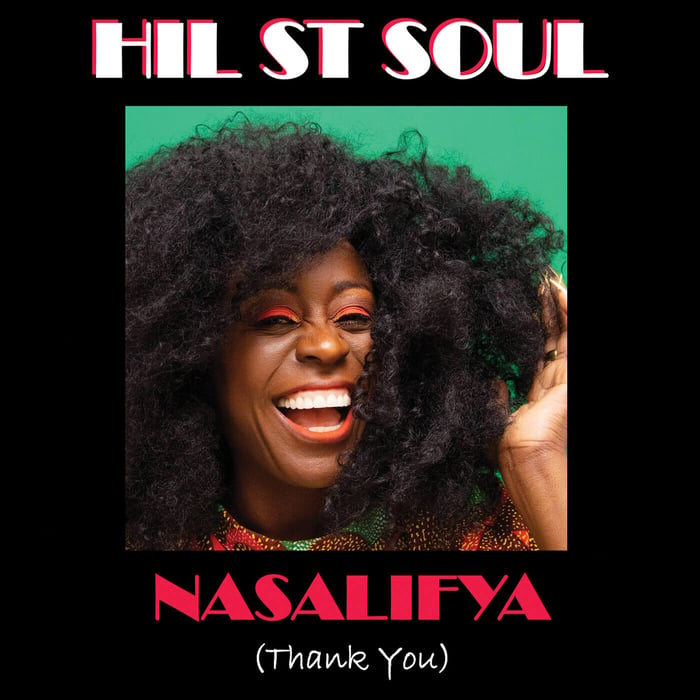
The Title Track: Gratitude, But Not the Cute Kind
Here’s what “Nasalifya” (the song) actually does: it refuses the usual grief theatrics. It doesn’t swell into some cinematic climax. It sits down.
I hear a Rhodes piano that doesn’t “answer back”—no big stabs, no showy flourishes, just a soft floor for her voice to walk on. And Hilary Mwelwa uses that restraint like a decision, not a limitation. When she sings lines like “Sifting through the bones of my life,” the track doesn’t dress it up. It lets the words hang there like a picture on a wall you don’t comment on because you can tell it matters.
The music video choice to end on a black-and-white wedding photo of her parents is blunt in the best way: this song belongs to a specific room, not a vague “memory.” That’s an arguable move—some listeners will want more drama, more lift—but I think the lack of lift is the point. She’s not trying to win grief. She’s trying to live with it.
And there’s a bigger decision behind it: she finished this song in Zambia, in her family home, after traveling there for her father’s funeral in 2024. That context matters because you can hear the difference between writing about gratitude and needing it.
One Language Switch, One Real Tempo Shift
The most telling detail on the whole record is that “Nasalifya” is the only track sung in her father’s first language, Bemba. That’s not a “fun cultural nod.” It lands more like a lock clicking shut.
It’s also the only cut built at a pace slower than anything she and producer Regi Myrix had attempted before. And that slowness isn’t just tempo—it’s emotional pacing. The song waits you out. It’s the album’s closing track, and it feels like the final word because it doesn’t try to summarize anything; it just sets something down and walks away.
I’m not 100% sure every listener will hear the Bemba hush as the emotional key, though. Part of me wonders if some people will treat it like an “interesting ending” instead of the record’s real thesis. But to my ears, it’s the only moment where the album stops negotiating with the outside world.
“I’m Done”: Breakup Soul With a Door-Closing Snare
“I’m Done” is staged like a kitchen scene at the end of a relationship—the kind where the conversation has already ended, but one person keeps talking out of habit. That’s not just lyrical; it’s in the production.
Myrix drops a heavy kick under the verses, then cracks a snare that feels like a boundary being drawn. The Rhodes stays cool, almost clinical, like the room has gone emotionally air-conditioned. When she sings, “The atmosphere is getting colder by the minute,” it’s not metaphor. It’s weather.
There’s a line that’s basically already a slogan in the world—“I love myself enough to leave the table when respect’s no longer being served.” It’s been plastered onto mugs and social posts for years, and I went in bracing for it to sound corny. On first impression, I honestly thought, “Oh no, this is going to turn into a quote-card anthem.” But then she folds in her mother’s voice—
“My mama always told me it’s okay to let go”—and the song stops being a meme and goes back to being a decision someone is making in real time.
Arguable claim: it’s the sharpest writing on the album, and also the least screenshot-friendly moment—because it has an actual scene, not just a maxim.
“Back In Tha Day”: Nostalgia That Actually Has People In It
“Back In Tha Day” runs on a bass line warm enough to hold a Saturday afternoon. Clean guitar licks slide underneath like background conversation. And the whole thing sits at cookout volume—loud enough to take over the yard, but not so loud you can’t still hear somebody telling a story.
The crucial moment is the spoken bridge: a friend’s voice breaks the performance of nostalgia and starts hosting it.
“Honestly, those were the days, man / Honestly, I really miss them.”
That’s the part where the track stops acting like “the past” is an aesthetic and starts treating it like a place people actually lived. And I love that her vocal stays locked to the groove—no showy runs, no reaching for the rafters. She’s not auditioning. She’s participating.
By the time the two-step coda comes, with the spoken dance instruction—“Put your snaps up... do the two-step”—the song is basically telling you: relax, you’re safe here.
Hot-ish take: it might be the best dance song she’s ever recorded, precisely because it doesn’t sound like it’s trying to become one.
Regi Myrix’s Real Job: Keep the Room From Getting Too Loud
Regi Myrix produces every track, and the strongest thing he does is not his “big moments.” It’s his consistency. He keeps choosing restraint, and that becomes the album’s spine.
On “Better With Time,” the Rhodes sits a half-step beneath her vocal like it’s intentionally refusing to compete. Everything else waits at the door. The whole arrangement feels like someone lowering their voice so you lean in. Less isn’t just more here—less is the entire strategy.
Then “Vibrate High” shows up with a dembow-flecked house rhythm, and Lina Loi’s voice braids into Mwelwa’s without turning into a contest. Nobody’s trying to “win the track.” That alone makes it feel adult, even when the lyrical framing leans motivational.
“Trip” and “With You” carry heavier kicks, while “Better With Time” stays sparse—same drum register across the slow songs, different pressure. That’s a subtle choice, but it keeps the album from sounding like a playlist of unrelated sessions.
Arguable claim: the production’s steadiness ends up being stronger than any single beat. If you want big track-to-track reinvention, this album will feel stubborn. I think the stubbornness is the point.
Where the Grief Goes (And Why That’s a Risky Choice)
A soul album made in your forties has a big question hanging over it: where does grief sit?
Some records thread it through everything—every hook, every verse, every “love song” still has loss in the stitching. The Nasalifya album makes a different bet. It keeps most of the tracklist moving through daylight—cookout energy, mid-tempo romance, self-discipline hooks—then places grief at the end like a final room you only enter when the guests leave.
That’s a gamble. One track of grief instead of an album soaked in it.
And I think that architectural decision is the album’s boldest move. It’s basically saying: I’m not going to perform mourning for you for 40 minutes. You get one song, and it’s the real one.
I can imagine someone arguing that this keeps the earlier songs from feeling as deep as they could. Fair. Sometimes I kept waiting for the heavier emotional weather to roll in sooner, and it didn’t. But when it finally does, it hits harder because she didn’t dilute it.
The “Discipline” Songs: Daylight Hooks With a Slightly Cringey Shadow
Not everything here is bulletproof.
The discipline tracks—“Good Vibes,” “Trip,” “Vibrate High”—pull hooks from the same drawer as self-help captions. They’re not useless, but they’re familiar in a way that can flatten the detail. When those slogans take over, the songs lose the specific rooms and faces that make “I’m Done” and “Back In Tha Day” feel alive.
And “Vibrate High,” for all its strongest production on the album, drops “be the change you wanna see” straight into the lyric without crediting Gandhi. That’s… a choice. I don’t think it ruins the track, but it does add a weird stain—like wearing a beautiful outfit with a tag still hanging off the sleeve.
Still, the album does something smart with this split:
- the discipline songs feel like daylight—public-facing, functional, meant to carry you through errands
- the slow songs feel like nighttime—private, appetite-forward, written like grown-folk soul used to be before everything became “content”
Arguable claim: the record’s “language problem” (slogans vs. scenes) isn’t a flaw so much as a design. It’s the difference between how people talk when they’re coping and how they talk when they’re telling the truth.
Sequencing: A Cookout Walks You Into a Bemba Hush
This is an 11-track album that moves like a person moving through rooms they’re finally old enough to be comfortable in. It starts with communal warmth, slides through mid-tempo love songs, and ends in that Bemba quiet—like the lights going low when everybody’s gone home.
Across it all, Myrix keeps Hil St. Soul’s voice as the loudest object in any space. Rhodes close. Kick close. Nothing stepping on her grain. It’s not “minimalism” in the trendy sense. It’s more like respect.
And when she sings, “I’m gonna ride this thing called life until my wheels fall off,” I buy it—not because it’s a perfect line, but because the album around it behaves like someone who means it. By the time the final syllables let go, the title’s meaning is basically all that’s left: thank you, said plainly, by someone who isn’t asking permission to be heard anymore.
Conclusion: The Album’s Big Trick Is Patience
Hil St. Soul’s Nasalifya album doesn’t chase you down the street. It waits on the porch. The best moments aren’t the ones trying to inspire you—they’re the ones that sound like real rooms with real temperature, especially when the album finally lets grief speak in its own language.
Our verdict: People who like grown-folk soul that values restraint over “moments” will live in this album. If you need every track to scream its purpose, you’ll get bored, start checking your phone, and blame the music for your personality.
FAQ
- What is the core mood of the Nasalifya album?
It moves from communal warmth (“Back In Tha Day”) into private resolve (“I’m Done”), then lands in a quiet gratitude at the end (“Nasalifya”). - Which track feels like the emotional center?
“I’m Done” hits like a real scene, not a vibe—cold room, final boundary, no extra drama. - Does the production change a lot across the album?
Not really, and that’s intentional. Regi Myrix keeps the Rhodes-and-kick palette steady so her voice stays in front. - Is “Vibrate High” more of a dance track or a message track?
Both, but the beat carries it harder than the lyric. The slogan-style writing is the main thing that might lose people. - Why does the album end differently than it begins?
The sequencing walks from daylight public songs into a Bemba hush, like the record saves the most personal material for when the room clears out.
If you’ve got a favorite album cover that feels like a whole world (like Nasalifya does by the end), it’s worth putting it on your wall. You can shop album cover posters at our store here: https://www.architeg-prints.com
 | DISCOUNTGET 30% OFF*Use code on your next order:
|
* This post may contain affiliate links, meaning we earn a commission if you make a purchase through these links, at no additional cost to you.