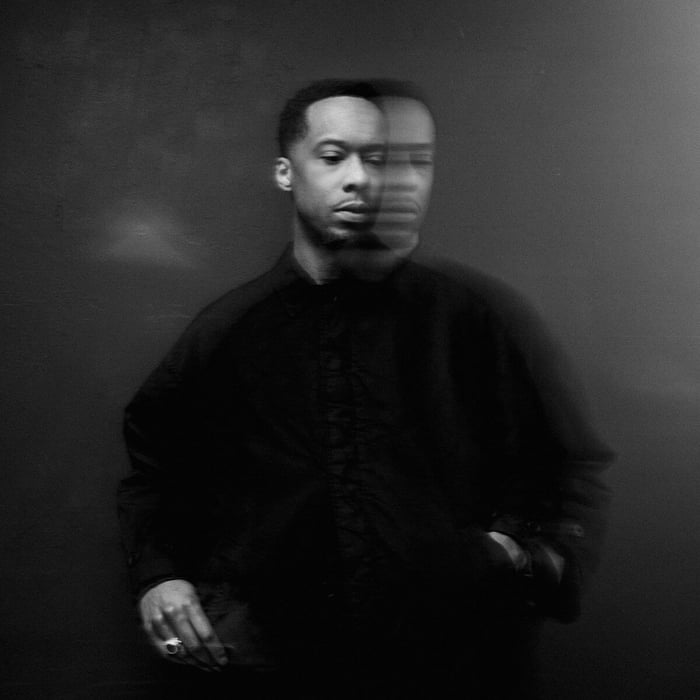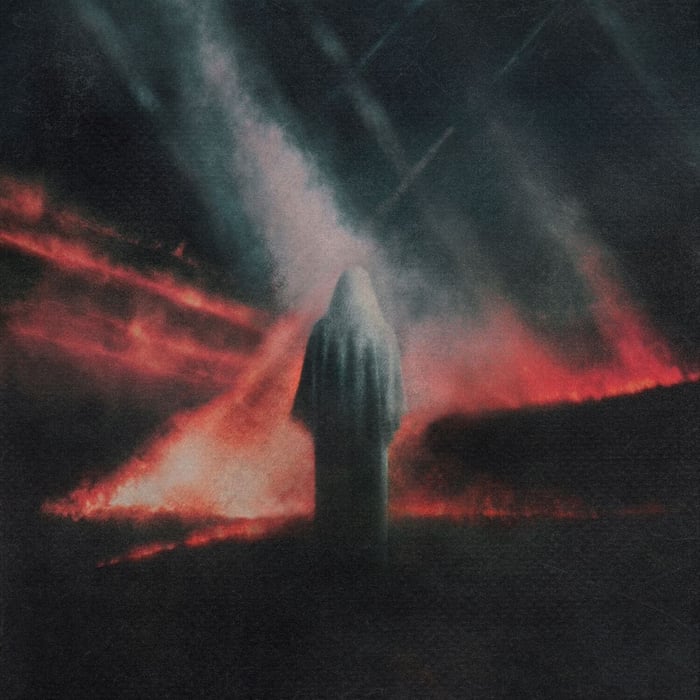
Phosphor Album Review: The Narrator’s “Safe” Metalcore That Still Hits


 See more Architeg Prints stories on Google.
Phosphor Album Review: The Narrator’s “Safe” Metalcore That Still Hits
Phosphor album turns old-school metalcore into a neat little weapon—predictable, loud, and annoyingly effective when it counts.
A scene that used to punch harder
Germany doesn’t exactly need help sounding heavy. I grew up thinking the country’s metalcore pipeline was basically endless—bands showing up with riffs that could rearrange your spine and choruses engineered to haunt European teenagers for a decade. Back then, the whole thing felt like it had a backbone: a wave of groups that could stare down the bigger American machine without flinching.
Lately though? I’ve caught myself wondering if that pipeline got a little… comfortable. Not empty—just weirdly short on obvious new contenders who sound hungry instead of merely competent. Sure, there are German acts doing huge numbers, and other bands have been carrying the flag for a while. But that’s kind of the point: they’ve been around longer than people admit. If the question is “who’s next,” The Narrator clearly want to be the answer.
The Narrator show up like they’ve got something to prove
The Narrator come out of Essen as a four-piece with the kind of reputation you only get one way: you make rooms messy. High-energy live shows, the whole sweat-and-bruises thing. Their debut Lore did enough to put them on the map, and now—less than two years later—they’re back with the Phosphor album, and this time the stakes are louder because they’ve got Nuclear Blast Records behind it.
That label backing doesn’t magically make riffs better, but it does change the vibe. This record doesn’t sound like a band “trying some stuff.” It sounds like a band that’s been told, implicitly or explicitly, “Don’t waste the moment.” And whether you like it or not, The Narrator mostly play it like they intend to cash in that momentum before it cools.
My first impression: “here we go again”… then the hooks started working
I’m not going to pretend Phosphor surprised me in a conceptual way. On first pass, I honestly thought,
Okay, here’s another paint-by-numbers metalcore record that knows exactly what playlists it wants to live on.
But on second listen—annoyingly—the thing started to land. Not because it’s innovative. It isn’t. It lands because it’s short, tidy, and built for repeat plays. We’re talking just over half an hour, no bloat, no “interlude” that exists to pad a tracklist. It’s the musical equivalent of walking into a gym where everything is already racked, labeled, and waiting for you to lift it.
And yeah, it’s “traditional.” The album keeps circling that earlier era when Killswitch Engage felt like hot young prospects instead of legacy names. The Narrator aren’t trying to reinvent metalcore; they’re trying to do the version of it that makes bodies move. That decision is both the album’s strength and the reason some people will roll their eyes.
This is “proper metalcore,” and it refuses to cosplay as anything else
A couple tracks make the band’s mission pretty obvious. “Agnosia” and “Aurora” follow that classic template with the confidence of people who like the template:
- riffs designed to start a pit, not impress a guitar forum
- low-end that sits like a weight on your chest
- vocals that swing between hardcore barks and clean, almost saintly crooning
If you’re expecting them to chase modern radio-rock gloss, you’ll be waiting a long time. The Narrator sound far more interested in triggering a crowd reaction than angling for a tour slot with a big, theatrically chaotic mainstream act. It’s “proper metalcore,” said with a straight face—no winking, no genre tourism.
I’m slightly torn on the clean-vocal approach, though. It’s catchy, it works, and it’s definitely more melodic than some of the bands they probably came up idolizing… but there were moments I wanted the cleans to feel less “correct.” Sometimes they land like they were sanded down to fit the mix perfectly. That’s not a deal-breaker. It’s just a little too polite for music that’s supposedly about impact.
Stasis is the clue: they want features without losing control
Right in the middle of all this, they drop the kind of big, modern “music video” moment that screams intent. Here’s the embedded video that came with the album cycle:
“Stasis” (featuring Avralize) plays like a strategic move. The Narrator lean into polish and momentum, but they don’t let the feature hijack the track. That’s an arguable choice—some listeners will want the guest moment to feel more explosive—but to me it reads as control. Like they’re saying, “Yes, we can do the bigger stage thing, but we’re still driving.”
No ballads, just almost-ballads—and that’s on purpose
For all the melody floating around this record, Phosphor avoids outright ballads. That’s a deliberate line in the sand. The closest it gets is “Two Lives,” which flirts with the emotional slowdown without fully committing to the lighter-in-the-air, phone-flashlight ritual.
And I respect that stubbornness. Plenty of bands throw in a true ballad because it feels like the “album” thing to do, or because someone in the room wanted a track that could creep onto broader playlists. Here, even the softer edges still feel like they’re meant to be played between heavier things rather than replacing them.
That said, I’m not 100% sure everyone will interpret that as discipline. Some people will hear it as a lack of risk—like the band kept the dial in the safe zone and refused to step outside it. I get that argument. I just think the album’s short runtime makes the choice feel intentional instead of cowardly.
The pit-anthensm is the whole point (and Modern Age Blasphemy proves it)
When Phosphor goes for brute force, it does it in a very specific way: not chaotic, not messy—purpose-built. “Modern Age Blasphemy” is the bruiser, the one that feels like it was engineered for knuckleheads who measure a song’s success by whether someone loses a shoe.
It’s not subtle, and it’s not trying to be. If anything, the track’s biggest flex is how little it cares about sounding clever. A reasonable listener could call that meatheaded. I’d call it honest. Metalcore that’s ashamed of wanting a pit is like a horror movie that apologizes for the blood.
Dissection is the moment they stop playing nice
And then there’s “Dissection.” This is the track that made me sit up and go,
Oh, you’ve got that in you?It churns with an almost-deathcore weight—bigger, nastier, more vicious around the edges. If someone told me The Narrator have even uglier material tucked away somewhere, I’d believe it, because “Dissection” feels like them briefly letting the leash slip.
This is where I’ll make a hot take: the band sound more alive when they get mean. The melodic side is good, sure—but the nasty side hints at a version of The Narrator that could actually separate themselves from the pack instead of just executing the genre correctly.
Yes, it’s paint-by-numbers—no, that doesn’t make it useless
Let’s not pretend this album is going to rewrite metalcore. It’s predictable. It’s not essential listening in the “change your life” sense. But the final picture is still solid because the songs are consistently entertaining, and the record doesn’t really stumble.
They occasionally come off like the German equivalent of Bury Tomorrow—not in the copycat sense, more in that “big modern metalcore with a reliable emotional engine” way. You can dismiss that comparison if you want, but I think it’s accurate in the way the choruses rise up cleanly and the heavy parts arrive on schedule.
And here’s the part that surprised me: if you asked me to name a track I outright dislike, I’d struggle. That doesn’t mean I love every second. It means the band understand quality control. They kept the album lean, and that alone makes it more replayable than a lot of bloated releases.
So what’s the actual move they’re making here?
The move is simple: The Narrator are auditioning for the next level without pretending they’re reinventing anything. Phosphor feels like a deliberate “we can deliver” statement—catchy choruses, chunky breakdowns, enough melody to widen the crowd, but still anchored in pit-first instincts.
Will they inherit the crown from Germany’s current metal giants this year? No. And I don’t think they’re even trying to do it in one record. This feels more like step two: prove consistency, build the base, let the nastier ideas peek through, then go bigger later.
If anything holds them back, it’s the album’s safety. Sometimes it’s almost too good at being correct. I kept waiting for a truly unhinged left turn—some moment where they risk looking stupid in exchange for sounding singular. It never fully arrives. But the fact I wanted that risk is also proof the band earned my attention.
Release info (the practical stuff)
Phosphor is set for release on May 8th, 2026 via Nuclear Blast Records.
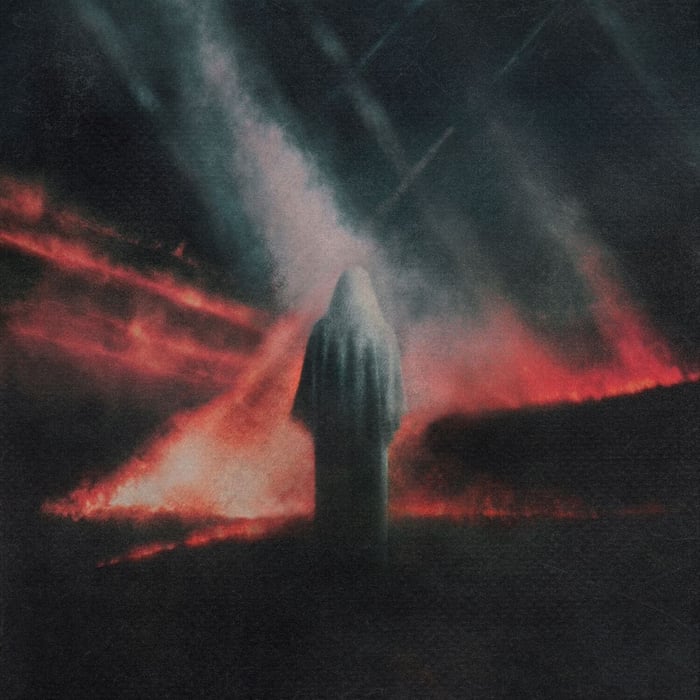
If you want to keep up with the band directly, they’re on Facebook: https://www.facebook.com/thenarratorhc
Where I land on it (including the number)
If I’m being blunt, this feels like a 6/10 kind of record: not because it’s weak, but because it’s cautious. It succeeds at what it sets out to do—deliver a tight, reliable, traditional metalcore punch—without gambling for something we haven’t heard before.
Phosphor doesn’t change metalcore; it just reminds you why the formula worked in the first place, then dares you to complain while your head is nodding.
Our verdict: People who actually like metalcore—like, the sweaty room version, not the algorithmic “heavy-ish” version—will have a good time with this. If you need every album to reinvent the genre or you break out in hives when a breakdown arrives right on schedule, you’ll call it predictable and go back to chasing novelty. Fair. You’re just not who The Narrator are trying to impress.
FAQ
- Is the Phosphor album more melodic or more heavy?
It leans melodic in the choruses, but it keeps the low-end and breakdown heft close enough that it still feels “proper” metalcore. - Does Phosphor include any ballads?
Not really. “Two Lives” comes closest, but the album avoids a full ballad commitment. - What track best shows their heavier side?
“Dissection” is the one that turns nastier and hints they’ve got more extreme material in the chamber. - Is this a big reinvention moment for The Narrator?
No—and that’s the point. It sounds like a controlled step forward, not a leap into experimentation. - Who’s most likely to bounce off this album?
Listeners who equate predictability with failure, or who want genre-blending gimmicks more than riffs, will probably get bored.
If this album’s vibe has you nostalgic for that classic metalcore era, a poster of your favorite album cover is a pretty fitting way to live with it. We keep tasteful prints over at https://www.architeg-prints.com.
 | DISCOUNTGET 30% OFF*Use code on your next order:
|
* This post may contain affiliate links, meaning we earn a commission if you make a purchase through these links, at no additional cost to you.