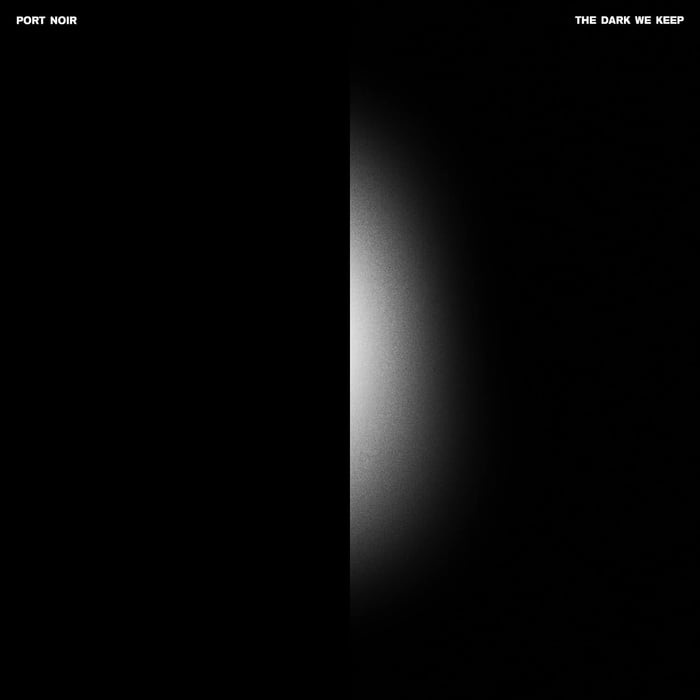
Port Noir’s Dark We Keep Review: Heavy? Sure—But Also Weirdly Safe


 See more Architeg Prints stories on Google.
Port Noir’s Dark We Keep Review: Heavy? Sure—But Also Weirdly Safe
Port Noir’s Dark We Keep wants to be the band’s heaviest chapter, but the real story is how often it flirts with danger—then backs away.
A record that keeps daring you to feel something
Some albums kick the door in. Dark We Keep mostly stands in the doorway, staring at you like it’s deciding whether the room is worth trashing.
Port Noir have been at this for a long time—over a decade since their debut Puls—and this is their fifth studio album. You can hear that experience in the control they have over tone and pacing. You can also hear the downside: a band that knows exactly what “works,” and sometimes settles for that instead of going for the throat.
Thirteen years in, and they still want to “push boundaries”—but on their terms
Here’s what Dark We Keep seems to be doing: taking Port Noir’s established alternative/prog-metal identity and giving it a heavier coat of paint—especially in the vocals—without actually rebuilding the house.
They’re clearly aiming for “heaviest to date” energy, but not in the cartoon way people expect. It’s not constant double-kick brutality. It’s more like thicker vocal aggression threaded into their signature blend: progressive structures, alternative sheen, metal weight. The intention feels obvious: stay recognizable, but sound tougher about it.
And honestly, at first I thought that was going to be enough. On second listen, I started noticing how often the album relies on the same emotional temperature—moody, restrained, controlled—until that restraint starts to feel like a habit.
“Complicated” sets the tone: haunted, intimate, and annoyingly relatable
The opener “Complicated” tells you the whole plan early. It runs on a haunting melodic thread that doesn’t really leave the song—more like it circles you, patiently. The vocal approach from Love Andersson is breathy, close-up, and intentionally fragile in a way that makes the heavier moments hit harder when they arrive.
Lyrically, it lands because it doesn’t dress up the problem. It reads like the kind of toxic romance you already know you shouldn’t be in, except you’re still checking your phone anyway.
“Drowned by all the words you’re breathing / Cut me off, in a way / Our blood red ties are in the old like I was / You’re too complicated,” — Love Andersson
That’s the album at its best: not just “dark,” but personally cornered. The hook isn’t trying to be inspirational. It’s trying to be accurate.
One thing I’m not totally sure about, though: whether the album actually wants you to sit in that discomfort, or whether it just likes the aesthetic of discomfort. Sometimes those are the same thing. Sometimes they’re absolutely not.
Video: “Redshift” and the art of borrowing the right kind of tension
“Redshift” comes in with a rhythmic guitar riff that feels knowingly modern—clearly pulling from the kind of pulsing, ritualistic groove people associate with Sleep Token-style tension-building. And yeah, that influence is obvious enough that someone will complain about it, but I’m going to say the quiet part out loud: it’s a smart choice here. Port Noir aren’t cosplaying another band; they’re using that rhythmic hypnosis as a delivery system for their own mood.
It’s also one of the moments where the record actually feels “heavier” in a meaningful way—not just louder, not just thicker, but more physically propulsive. The riff doesn’t show off; it drives. That’s what makes it breathtaking. The song earns its momentum instead of begging for it.
The mild problem: the album doesn’t always follow through on that promise. When “Redshift” works, it makes some of the later safe stretches feel even safer by comparison.
“My Destroyer” is where the vocals start shape-shifting
The introduction to “My Destroyer” is pure prog tease: scattered melody fragments that pull you forward note by note, like the band is turning a Rubik’s cube in the dark and letting you hear the clicks.
Then Andersson’s vocals level up—not by getting bigger, but by getting sharper. There’s a near hip-hop rhythmic sensibility in the phrasing, and it works because it makes the vocal feel like an instrument with percussive intent, not just a carrier for mood. It’s one of those decisions that could’ve been corny if it was done as a gimmick; here it lands like a natural extension of how the song moves.
This is also where I revised my first impression. Early on, I assumed the “heaviest to date” talk was mostly marketing language—like someone adding extra pepper and calling it a new recipe. But “My Destroyer” convinced me they did make real performance choices to intensify the record. Not everywhere. But enough to matter.
“Vargtimmen” is short, and that’s exactly why it wins
Halfway through, “Vargtimmen” shows up as an instrumental interlude—only 1 minute and 9 seconds—and it’s weirdly one of the most effective pieces on the album.
Why? Because it doesn’t over-explain itself.
Interludes usually fall into two traps:
- They’re filler dressed up as “atmosphere.”
- They’re so ambitious they feel like a different album trying to escape.
“Vargtimmen” does neither. It’s a palate cleanser that keeps the tension alive instead of resetting it. It’s the band admitting, for a moment, that not every idea needs a chorus, a build, and a grand finale. The restraint here feels purposeful instead of habitual—which is exactly why it sticks out.
And yes, that’s an arguable take: I think this tiny instrumental does more “progressive” work than a couple of the full songs, because it changes the album’s shape.
Where it slips: “Noir” and “Ebb And Flow” don’t grab the wheel
Not everything here earns your attention. “Noir” and “Ebb And Flow” are the point where the album starts feeling a little too pleased with its own vibe.
They’re not offensively bad songs. That’s almost the issue. They sit in the mid-tempo, mid-emotion zone and never make a decisive move—no melodic turn that makes you rewind, no rhythmic switch that makes the air change. I kept waiting for either track to do something mildly irresponsible. They don’t.
If this album is supposedly the heaviest Port Noir have gone, these tracks are where that claim feels most like a headline rather than a lived truth. The musicianship is still there—these guys can obviously play—but skill isn’t the same as urgency.
“Reverie” overstays its welcome, and you can hear it happen
“Reverie” is the clearest example of the album’s pacing problem. It initially hints at variety—like it’s about to open a new door in the record’s soundworld—then it keeps circling the same idea far longer than it needs to.
It runs about five minutes too long, and that’s not me begging for short songs. Long songs are great when they travel. This one feels like it’s jogging on a treadmill: same scenery, same breath, same tension level. By the end, it starts sounding like it’s drifting into a generic lane occupied by other bands in the same orbit.
That’s my mild criticism in plain terms: Port Noir are at their worst when they sound like they’re obeying the genre instead of bending it.
“This View” promises grit, then chooses comfort
“This View” starts with a feeling that something’s about to crack open. It feels auspicious, like the album is finally going to put teeth into its darkness.
Then it kind of… doesn’t.
The track flattens out after a while, and the problem isn’t that it’s calm. The problem is the lack of progression—the sense that the song is content to coast on its initial mood without sharpening it. For an album that sells itself on heaviness and boundary-pushing, “This View” is where the record feels most hesitant, like it’s worried about messing up its own clean lines.
Someone could argue that’s the point—that the emotional stasis is intentional. Maybe. I’m not fully convinced. When I listen, it reads less like artistic paralysis and more like a band choosing the familiar exit.
So what is Dark We Keep actually doing? Repetition as a shield
Even with real highlights—“Complicated” and “Vargtimmen” especially—Dark We Keep can feel melodically repetitive. The album returns to similar shapes and similar emotional colors, and after a while that lack of surprise becomes the main event.
The frustrating part is that the talent is obvious. The musicianship is strong across the record, and there are plenty of moments where the band’s control is impressive. But control can become a cage. This album sometimes feels like it’s avoiding “wonder” on purpose, like surprise might break the spell they’re trying to maintain.
After this many years, I don’t buy the idea that they can’t do more. It sounds more like they didn’t fully choose to.
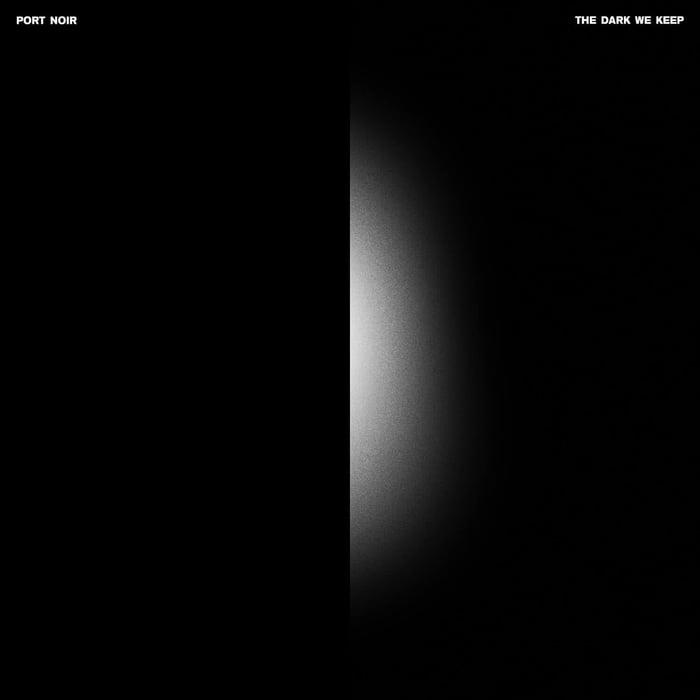
Album art
Release notes (the practical stuff that still matters)
The Dark We Keep is out now via InsideOut Music.
My personal bottom line (yeah, I’m putting a number on it)
If you forced me to translate my listening experience into something blunt: a 6/10 feels fair—not because the band lacks ability, but because the album keeps choosing “solid” when it could’ve chosen “memorable.”
Conclusion
Dark We Keep has moments that punch through—when the melodies haunt instead of hover, when the riffs actually move blood, when Andersson’s vocal choices get risky. But it also has long stretches where the album feels like it’s protecting its own atmosphere from change, and that’s a weird strategy for a record that wants to be called their heaviest.
Our verdict: This will hit people who like polished, moody prog-metal that sounds expensive and controlled—even when it’s trying to be ugly. If you need big left-turns, true shock, or songs that escalate instead of looping, you’ll get impatient and start checking how much time is left on “Reverie.”
FAQ
- What is the core vibe of Dark We Keep?
Dark, modern prog with alternative-metal gloss—heavy more in texture and vocal bite than in nonstop aggression. - Which track best represents the album’s strengths?
“Complicated” nails the haunted melody and emotional frustration without overacting. - Does “Redshift” feel derivative?
The riff language nods to modern rhythmic metal, but it’s used effectively—more tool than imitation. - What’s the most effective non-song moment?
“Vargtimmen” (1:09) works because it’s brief and purposeful, not “atmosphere” filler. - What holds the album back the most?
Melodic repetition and stretches where promising tracks (“This View,” “Reverie”) stop developing and just linger.
If you’re the type who bonds with an album’s aesthetic as much as its hooks, it might be fun to put that commitment on your wall—grab a favorite album cover poster at our store: https://www.architeg-prints.com
 | DISCOUNTGET 30% OFF*Use code on your next order:
|
* This post may contain affiliate links, meaning we earn a commission if you make a purchase through these links, at no additional cost to you.