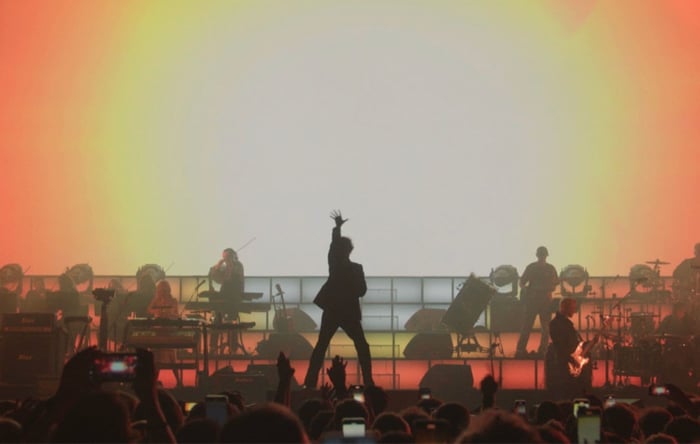
Pulp Documentary Captures a Joyful New Chapter With Garth Jennings


 See more Architeg Prints stories on Google.
Pulp Documentary Captures a Joyful New Chapter With Garth Jennings
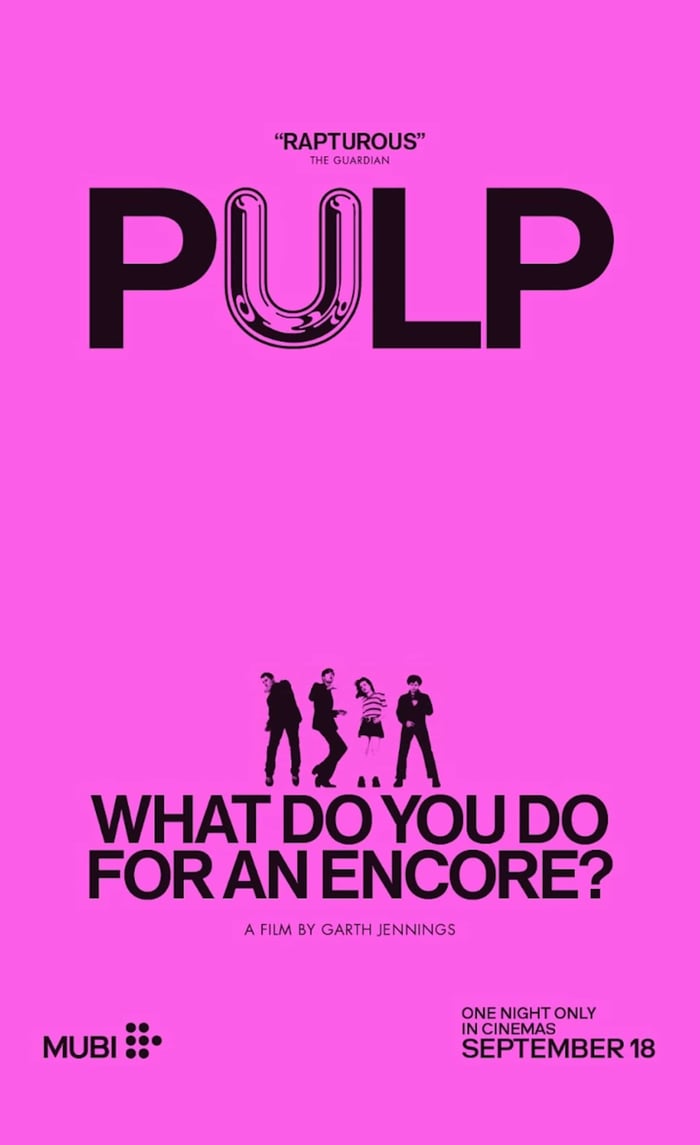
Pulp documentary What Do You Do For An Encore? follows the band’s emotional return, live-show magic, and enduring creative spark.
A Pulp Story Built on Music, Memory, and Momentum
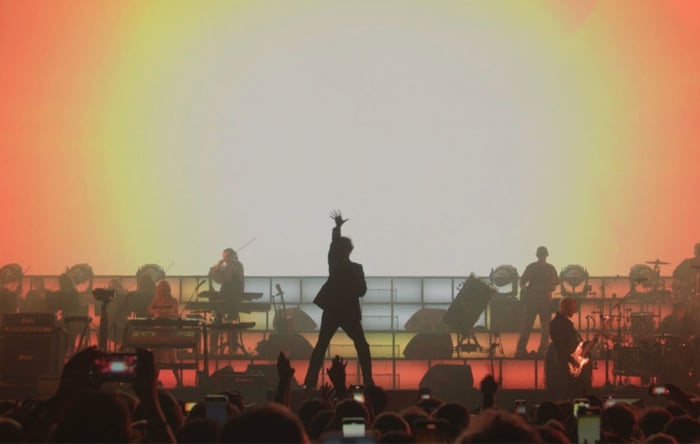
Some concert films simply point a camera at the stage and let the lights do the heavy lifting. What Do You Do For An Encore? aims for something warmer: a celebration of the people, accidents, friendships, and wonderfully strange twists that brought Pulp back together.
Directed by Garth Jennings, the 90-minute live film and documentary captures the band’s two sold-out shows at London’s O2 arena last summer. It combines the concert itself with narration from the band, unseen archive material, and rare behind-the-scenes footage. The result follows Pulp from obscurity to cultural touchstone, then onward to the tour supporting More, their first album in 24 years.
Jennings is hardly a detached observer. He directed the classic music videos for “Help The Aged” and “A Little Soul,” so his connection to the band stretches back well before this latest chapter. That history gives the film an affectionate point of view without sanding away the oddities that make Pulp, well, Pulp.
Rather than treating the reunion as a museum piece, the film frames it as a living, breathing event. The old songs are present, of course, but they don’t feel preserved behind glass. They’re being played, inhabited, and reshaped by musicians who know exactly what those songs mean—and who still seem genuinely curious about where they might go next.
“Something Changed” Becomes the Emotional Center
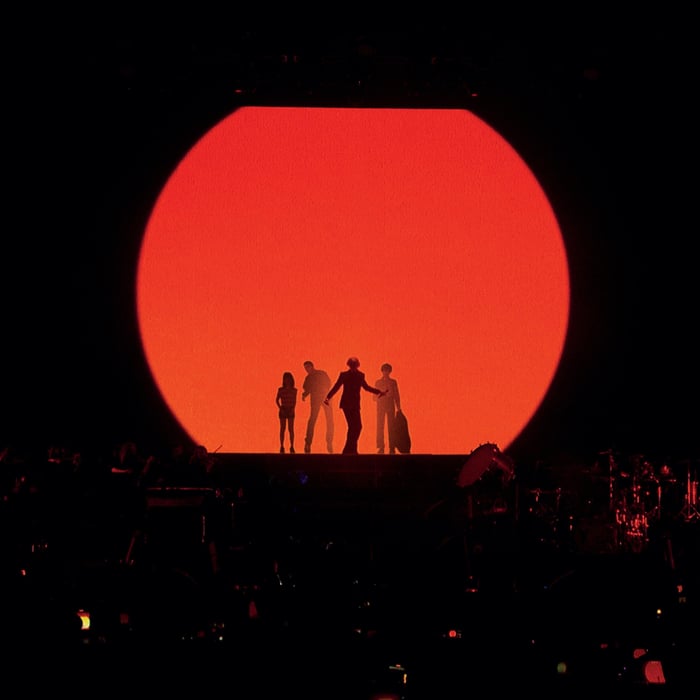
The film’s most moving sequence arrives during a stripped-back performance of “Something Changed,” the beloved Different Class song. Pulp perform it together in tribute to their late bassist, Steve Mackey, whose presence remains woven into the band’s story.
“There was a moment when the four of them stood in front of a curtain and sang ‘Something Changed’. I found that very moving.”
— Garth Jennings
Jennings explained that the scene reveals the connection between the musicians in a particularly direct way. Before the lights, the sold-out arenas, and the pressure of expectations, there was a living room where the band gathered to see if they could still make music together. The answer, as fans now know, was a resounding yes.
That sense of rediscovery gives the performance its power. It isn’t simply a tribute inserted into a set list. It feels like a conversation across time—between the band as it was, the band as it is, and the people who have carried these songs with them for years.
Keeping Steve Mackey Part of the Picture
Mackey appears throughout the film in small but meaningful flashes, with archive footage helping maintain his place within the wider story. Jennings spoke warmly about the bassist, remembering him as effortlessly stylish and deeply kind.
“He was so fucking cool,” Jennings said, recalling Mackey’s many memorable haircuts and his ability to always look terrific. Beneath the humor was clear affection. Jennings described him as “the loveliest guy,” while also emphasizing how important every member of Pulp has been in shaping the group.
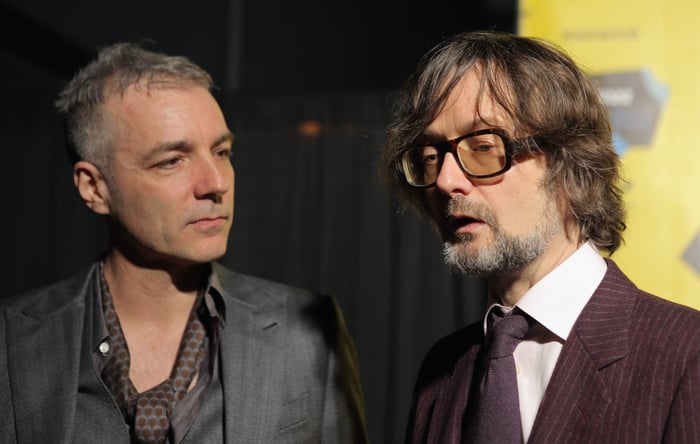
He particularly remembered seeing Jarvis Cocker and Mackey together. Their partnership had its own unmistakable energy, one that could be felt both onstage and away from it. The film treats that bond with care, allowing Mackey’s contribution to remain present without turning the documentary into a memorial alone.
Jennings also reflected on the way music can keep people close after they’re gone. Songs linked to Mackey continue to bring him into the room, much as a familiar photograph or an old story can suddenly make someone feel near again. In that sense, performance becomes a form of remembrance—less solemn monument, more living connection.
Why Pulp’s Chemistry Still Works
Pulp’s appeal has never depended on everyone being cut from the same cloth. If anything, the opposite is true. Jennings described the band as an eclectic collection of very different personalities, with contrasting temperaments and approaches that somehow become something magical when placed together.
Candida Doyle arriving with a glass of champagne is one example. Nick Banks brings the force of the drums. Mark Webber appears absorbed in his own guitar-shaped universe. Jarvis, naturally, commands the room with his theatrical presence and sharply observed storytelling.
Individually, each musician contributes something distinctive. Together, those ingredients create the peculiar alchemy that makes Pulp so compelling. The band’s long history adds another layer, too. When people have endured setbacks, changes, pauses, and difficult stretches together, the resulting chemistry carries a richness that can’t be manufactured overnight.
That’s part of what makes the film feel so joyful. It doesn’t present Pulp as a perfectly polished machine. It shows a group of people whose differences are not obstacles to overcome but essential parts of the sound and spectacle.
From Tour Visuals to a Career-Spanning Film
Jennings first became involved with the project after hearing that Pulp might reunite for another tour in 2022. He initially offered to film the band, then took on the role of creative director for the tour’s visual presentation. From there, the idea expanded into something much larger: a documentary covering the group’s journey across decades.
He said Pulp’s story fascinated him because it is filled with false starts, reversals, and unlikely turns. Moments of adversity repeatedly became openings into new chapters. The band’s path was never a straight line, and that unpredictability is part of its appeal.
Jennings sees the group’s return to major stages as especially inspiring because they had no obvious need to prove themselves. They could have worried about expectations or about failing to recreate the past. Instead, the attitude was much simpler: let’s make something fabulous.
That spirit became central to the film. Pulp weren’t returning merely to repeat an old victory. They were approaching the shows with enthusiasm, theatrical instinct, and enough curiosity to make the whole experience feel new again.
Found Footage With a Proper Pulp Flavor
The film’s visual language draws on the band’s famously thrift-store sensibility and their fascination with ordinary life. Jennings and his team searched through the band members’ homes, explored BBC archives, and gathered period footage that felt connected to Pulp’s world.
The goal wasn’t to fill gaps with random historical clips. Every piece of material needed to feel as though it belonged to the atmosphere of the band—the basements, bedrooms, streets, kitchens, and slightly battered corners where real life tends to happen.
Jennings resisted the familiar documentary format built around rows of talking heads explaining everything after the fact. Instead, the creative team wanted the film to feel discovered. The footage should seem like something unearthed in a basement, found in a box, or pulled from an old cupboard with a little dust still clinging to it.
That approach suits Pulp perfectly. Their songs have always found drama in recognizable lives and messy details. Even the discarded objects of a culture can reveal more than its treasured artifacts, and that idea helped shape the film’s archive-heavy texture.
Earthy Songs, Theatrical Delivery
Jennings sees a fascinating contradiction at the heart of Pulp. The songs are grounded in recognizable lives and messy details, yet the band presents them with enormous style. The stories may begin in the kitchen sink, but they can end beneath a storm of lights, glitter, movement, and carefully timed drama.
“It’s a really great combination of earthy realism and then staggering showmanship.”
— Garth Jennings
That contrast is one of Pulp’s secret weapons. The band can make an everyday situation feel cinematic without pretending it was ever glamorous to begin with. Jarvis Cocker’s performances often turn small social observations into full-scale theater, while the musicians around him give those stories the propulsion they need.
The film leans into that duality. It shows the lived-in details behind the music, then lets the concert scenes explode into color and communal release. One moment you’re rummaging through the past; the next, the whole arena is singing as if it has been waiting years for this exact line.
A Concert Film About Communal Joy
Jennings admitted that he isn’t naturally drawn to nostalgia, but Pulp’s return revealed something he was ready for: communal joy. At the O2 shows, he heard crowd singing on a level he had never experienced at a concert before.
The audience wasn’t simply enjoying familiar songs. They were participating in a shared emotional release. After years marked by uncertainty, isolation, conflict, and exhaustion, the shows offered a reminder that beauty could still gather thousands of people in one place.
That feeling shaped the film’s tone. Jennings wanted What Do You Do For An Encore? to be celebratory and accessible, which is one reason it runs for 90 minutes. He preferred leaving viewers wanting more rather than allowing the film to overstay its welcome.
Pulp themselves seem to be operating from the same instinct. Their return doesn’t feel like an obligation or a financial assignment. As Jennings put it, they aren’t trying to prove something or simply pay off a mortgage. They’re embracing what they have created: an unapologetically musical and theatrical experience.
With 18 people onstage, the scale is huge, but the mood remains personal. The band isn’t making peace with its songs. It’s living inside them.
What Comes Next for Pulp?
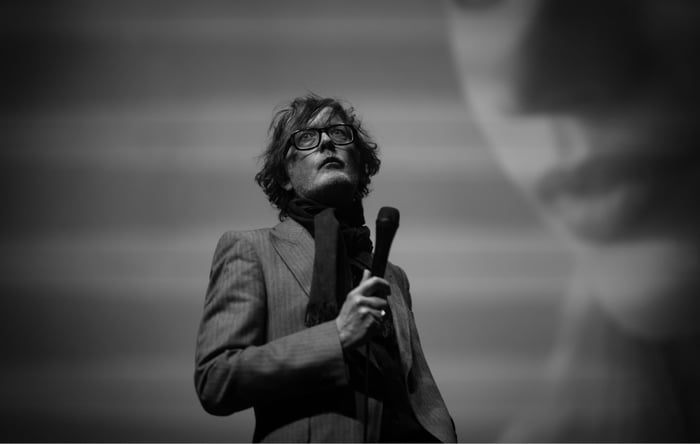
Is Pulp back for good? Jennings isn’t prepared to make any promises. He admitted that he isn’t confident about what comes next, but he is confident in the band’s spirit.
That spirit still feels curious, mischievous, and startlingly youthful. Jennings said he wouldn’t be surprised if the current chapter continued, though he has no idea what shape that continuation might take. The enthusiasm surrounding the band feels infectious precisely because it doesn’t seem forced.
At one point, the team wondered what the moral of Pulp’s story might be. Why keep doing this? Jarvis Cocker’s answer was wonderfully simple: “Why wouldn’t you?”
That question hangs over the film like a friendly challenge. Why stop when the music still feels alive? Why close the door when something appears to be cooking?
The movie’s release plans continue that forward motion. It receives a one-night preview in UK and Irish cinemas on Friday, September 18, followed by Canadian theatrical screenings on September 23 and U.S. cinema showings on September 24. It then streams exclusively on MUBI from September 25.
Pulp’s story has always been about more than timing, fashion, or a particular musical era. It’s about persistence, chemistry, and the strange magic that can appear when very different people keep returning to the same songs. What Do You Do For An Encore? captures that magic with affection—and leaves us wondering what Pulp might try next.
FAQ
- What is What Do You Do For An Encore? about?
It is a 90-minute documentary and live film covering Pulp’s career, reunion, sold-out O2 performances, archive material, behind-the-scenes footage, and tour for More. - Who directed the documentary?
Garth Jennings directed the film. He previously helmed Pulp’s music videos for “Help The Aged” and “A Little Soul.” - Why is “Something Changed” significant in the film?
Pulp perform the song in a stripped-back arrangement as a tribute to their late bassist, Steve Mackey, whose legacy remains central to the band’s story. - How does the film use archive footage?
The filmmakers searched the band members’ homes and archival collections for material that felt naturally connected to Pulp’s aesthetic rather than relying on conventional interview segments. - Where can viewers watch the film?
The film has cinema screenings in Canada and the United States before streaming exclusively on MUBI from September 25, according to the release information presented here.
Bring a little of Pulp’s theatrical spirit home with a favorite album cover poster from Architeg Prints—a tasteful way to keep the music, memories, and mischief close by.
 | DISCOUNTGET 30% OFF*Use code on your next order:
|
* This post may contain affiliate links, meaning we earn a commission if you make a purchase through these links, at no additional cost to you.