Ed Sheeran’s Live Return: Why He Removed the B-Stage in Philadelphia


 See more Architeg Prints stories on Google.
Ed Sheeran’s Live Return: Why He Removed the B-Stage in Philadelphia
Ed Sheeran’s live return in Philadelphia came with a major change: he removed the B-stage amid security fears and addressed a turbulent week.
A Different Kind of Concert Opening
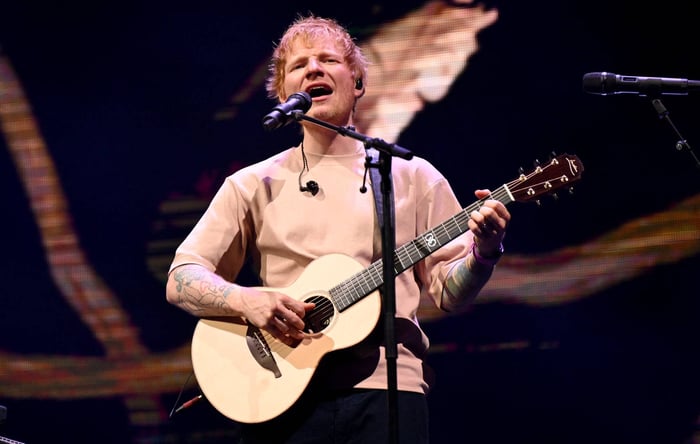
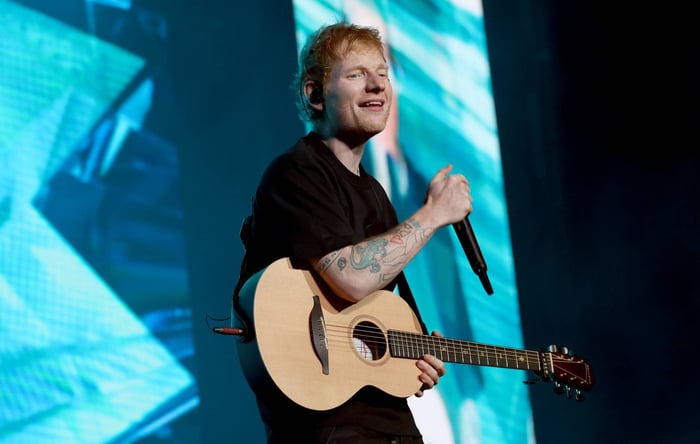
Ed Sheeran’s first live performance following the Macklemore controversy didn’t quite follow the usual playbook. The songs were still there, the crowd was still enormous, and the familiar guitar-led warmth remained—but one major piece of the production had disappeared.
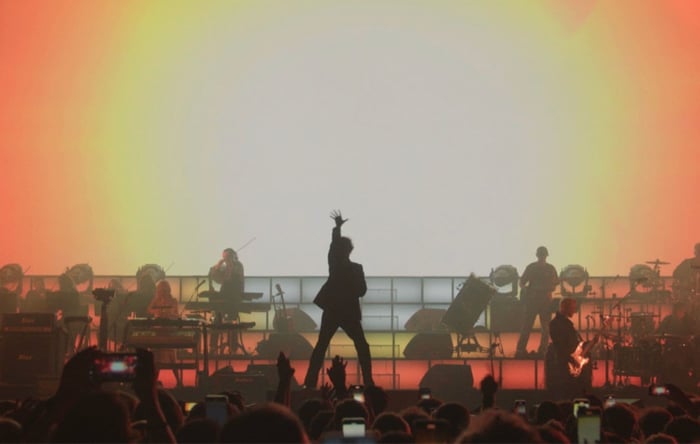
When Sheeran resumed his “Loop” tour at Philadelphia’s Lincoln Financial Field on September 19, he told the audience that he had removed the B-stage because he was worried about what might happen if he walked into the middle of the crowd.
For fans familiar with his shows, the change would have been immediately noticeable. The B-stage normally places Sheeran away from the main platform, surrounded by concertgoers in the center of the venue. It’s the kind of setup that makes a stadium feel briefly intimate, like the whole giant room has folded in around one performer and one guitar.
This time, however, Sheeran stayed away from that central position.
Why the B-Stage Was Removed
Sheeran addressed the decision directly during the Philadelphia concert, offering a remarkably candid explanation rather than pretending the production had simply been redesigned.
“At this point in the show, to be honest, I usually go out to a B-stage, and I’m going to be totally honest with you, I didn’t know what this audience would be like tonight.”
He continued by acknowledging that he had been concerned about objects being thrown at him or people reacting angrily.
“I didn’t know if I’d have things thrown at me. I apologise that today is not the usual show. I took the B-stage out because I was afraid of what might happen if I stood in the middle and I will admit that. So, the show is a little bit different.”
— Ed Sheeran

The decision reflected the uneasy atmosphere surrounding his return. Rather than hiding behind stage logistics, Sheeran made the security concern part of the conversation with the audience.
The B-stage may sound like a simple platform, but in a stadium performance it changes the relationship between artist and crowd. It places the performer in the middle of thousands of people, removing some of the physical distance that a main stage provides. On a normal night, that closeness can be thrilling. Under tense circumstances, it can also feel vulnerable.
The Turbulent Week Behind the Show
The Philadelphia concert arrived after a difficult series of events involving Macklemore, who had been scheduled as a support act on Sheeran’s tour.
Macklemore was removed from the lineup after making pro-Palestine comments during a performance at MetLife Stadium in New Jersey. During that appearance, he delivered an impassioned “Free Palestine” speech and performed his protest song “Hind’s Hall,” accompanied by footage from Gaza.
The rapper’s appearance prompted calls for him to be dropped from the tour. Pink and the Israeli American Council were among those who responded publicly to the controversy.
Sheeran later explained that he was not complicit in the decision to remove Macklemore, saying the final call was made by promoter Messina Touring Group after venues objected to the rapper appearing.
The fallout didn’t stop there. FINNEAS, Lukas Graham, Aaron Rowe, and Beoga withdrew from their support slots. Sheeran’s backing musicians also departed, leaving the singer to face the Philadelphia audience after a week in which the structure of the tour had shifted dramatically.
It’s one thing to alter a setlist. It’s another to lose much of the musical team surrounding a stadium show. The backstage tension clearly followed Sheeran onto the stage.
Sheeran Apologizes for Mistakes
Once the concert began, Sheeran spoke at length about the criticism he had received and the difficult decisions he had been forced to make.
He said he was accustomed to people criticizing his music. In fact, he described that kind of reaction as normal, especially for an artist whose work is enjoyed passionately by some listeners and rejected by others.
This time, though, he emphasized that the criticism concerned something far more serious than a song, an album, or a performance.
“But this week, the criticism was about something much more important, and I’ve had to take and make difficult decisions, and I am making mistakes, and I’m so, so sorry.”
— Ed Sheeran
Sheeran also said he had never wanted to be an “activist musician.” Still, he recognized that the situation had placed him inside what he described as an important and deeply passionate debate involving freedom of speech and one of the most complicated political issues in the world.
That tension appeared to shape the entire evening. The show was still a concert, but it was also a public reckoning. The usual escape route—play the hits, thank the crowd, move on—wasn’t really available.
Concerns About Artistic Freedom
Another major point in Sheeran’s speech was his concern about venues attempting to control what performers can say onstage.
“I am deeply worried about the idea that venues should pre-approve content for performers. This happens in so many places that I perform around the world, but it should never happen in the free world.”
— Ed Sheeran
His comments connected the controversy to a broader question about the relationship between artists, promoters, venues, and audiences. Performers may be booked to sing, but live music has always carried a little unpredictability. A stage is not just a platform for polished entertainment; sometimes it becomes the place where artists speak about what’s happening beyond the venue walls.
For Sheeran, that raised an uncomfortable contradiction. He said he wanted his music and shows to focus on unity rather than division, and on humanity rather than politics. Yet he also felt unable to remain silent about the humanitarian crisis unfolding in Gaza.
Speaking About Gaza
Turning directly to the Israel-Gaza conflict, Sheeran said he had tried throughout his career to avoid acting as a political commentator. His preference, he explained, had been to keep his performances centered on togetherness.
But he described the situation as a humanitarian issue and said he could no longer hide how he felt.
Sheeran called the Hamas-led attack at the Nova music festival on October 7, 2023, “horrific.” He then described the situation in Gaza as catastrophic, unjustifiable, and disproportionate.
“My heart has been broken by the scale of devastation and loss of civilians’ lives, of children’s lives. And the systemic injustice we’re seeing unfold in the West Bank cannot be overlooked.”
— Ed Sheeran
Those remarks placed his own position clearly in the room. They also showed why the past week had become so emotionally and professionally complicated: he was trying to acknowledge suffering, defend artistic freedom, respond to the Macklemore fallout, and continue performing for tens of thousands of people.
That’s a lot to carry before the encore.
An Emotional Moment With the Crowd
By the end of the night, Sheeran became visibly emotional while describing the previous week as one of the worst of his life.
He said he had not known whether the tour would continue, whether he would perform again, or even whether he still wanted to be an artist. Those are stark words from someone standing in front of a packed stadium, especially an artist whose career has been built around making massive spaces feel personal.

Sheeran then looked toward the audience and said he saw 50,000 people who had not abandoned him. Whatever people might say about the controversy, he told the crowd that he was doing it for them.
That moment appeared to give the concert its emotional center. The B-stage was gone, but Sheeran still found a way to close the distance between himself and the audience—this time through a direct, vulnerable conversation.
He told the crowd:
“I really didn’t know whether this tour would carry on, I really didn’t know whether I’d get on stage again, whether I even wanted to be an artist at all.”
Later, as the audience supported him, he became emotional again.
“I will never stop doing this.”
— Ed Sheeran


The Wider Fallout
The controversy also led to public criticism from several musicians. Billy Bragg said the situation risked tarnishing Sheeran’s career and later said he was not impressed by what he viewed as an attempt to deflect the criticism surrounding the dispute and a humanitarian donation.
Massive Attack, Roger Waters, Dropkick Murphys frontman Ken Casey, and Hayley Williams also responded to the wider row.
Meanwhile, Macklemore donated his entire $1 million earnings from the tour to six organizations supporting Palestinians. Robert Kraft, the owner of Gillette Stadium, said Sheeran had asked him to match a $2 million humanitarian contribution.
Kraft had earlier described Macklemore’s comments as deeply offensive and hurtful to the Jewish community. The contrasting responses showed just how quickly a tour dispute had expanded into a much larger public argument involving political speech, humanitarian aid, artistic responsibility, and the power of live music.
For Sheeran, the Philadelphia show became a test of whether the tour could continue under that pressure. He chose to step onto the stage, speak plainly, and perform—even if the set had to look different.
The B-stage may have been missing, but Sheeran’s Philadelphia return was anything but emotionally distant. Do you think artists should be free to speak about political and humanitarian issues during concerts, even when it puts their tours at risk?
FAQ
- Why did Ed Sheeran remove the B-stage?
Sheeran said he was concerned about what might happen if he stood in the middle of the crowd, including the possibility that objects could be thrown at him or people might react angrily. - Where did Sheeran resume his tour?
He returned to the stage at Lincoln Financial Field in Philadelphia on September 19 during his “Loop” tour. - What caused the controversy involving Macklemore?
Macklemore faced backlash after making pro-Palestine comments and performing “Hind’s Hall” during a support appearance at MetLife Stadium in New Jersey. - Which support acts withdrew from the tour?
FINNEAS, Lukas Graham, Aaron Rowe, and Beoga withdrew from their support slots. Sheeran’s backing musicians also departed. - What did Sheeran say about the situation in Gaza?
He called the devastation catastrophic, unjustifiable, and disproportionate, and said the loss of civilian and children’s lives had deeply affected him.
If this story brings back memories of a favorite record or unforgettable concert era, browse the album cover posters at Architeg Prints. A great music print can keep that feeling on the wall long after the encore ends.
 | DISCOUNTGET 30% OFF*Use code on your next order:
|
* This post may contain affiliate links, meaning we earn a commission if you make a purchase through these links, at no additional cost to you.