Ed Sheeran Macklemore Row: His Emotional Live Return Explained


 See more Architeg Prints stories on Google.
Ed Sheeran Macklemore Row: His Emotional Live Return Explained
Ed Sheeran addresses the Macklemore row, apologizes for mistakes, discusses Gaza, and reveals he nearly quit music during his emotional live return.
A Difficult Night in Philadelphia
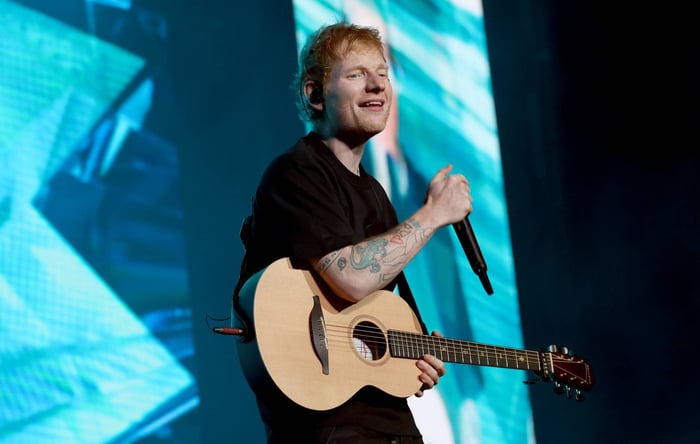
The stage lights came up, the crowd roared, and Ed Sheeran walked out carrying far more than a guitar. At his live return in Philadelphia, he faced the Macklemore row head-on and admitted that the controversy had pushed him to question his future as a musician.
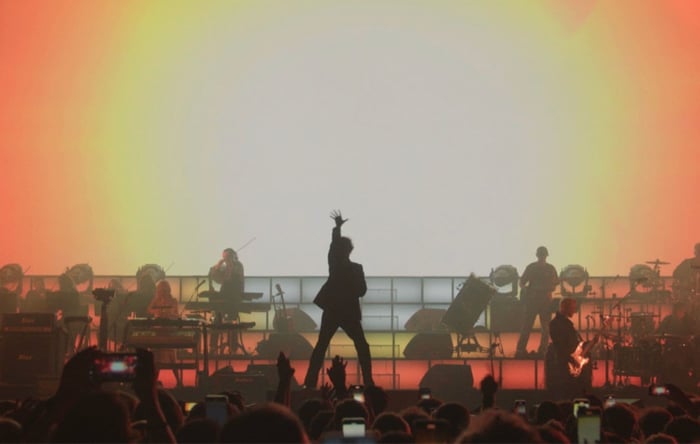
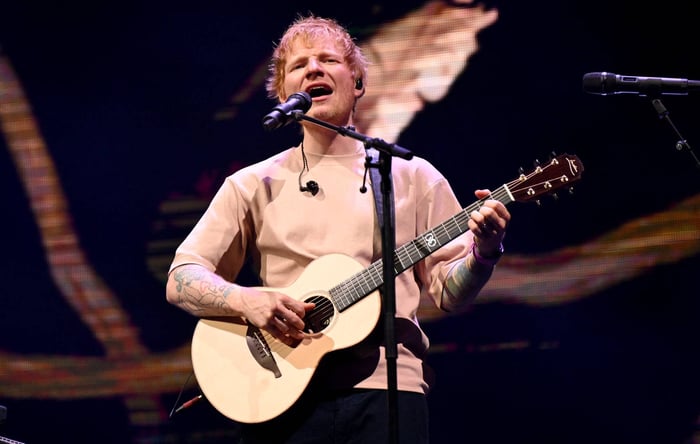
Sheeran spoke extensively during his show at Lincoln Financial Field on September 19, appearing after his support acts and backing band had withdrawn from the tour. It was not the usual polished concert introduction. Instead, it felt like a musician stepping into the spotlight with the curtain pulled back.
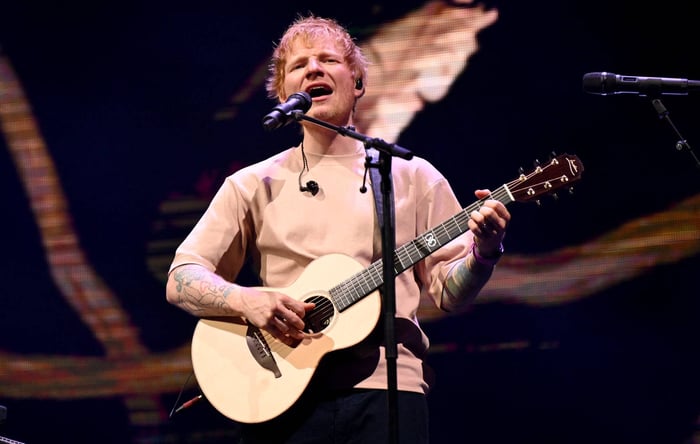
At the beginning of the concert, Sheeran acknowledged the criticism he had received during the previous week. He said he was accustomed to people judging his music, but this dispute was different because it involved a much larger humanitarian and political conversation.
“I’m used to my music being criticised, and I’m always happy to take that because I’m lucky a lot of you like my stuff, and to be honest, I’m surprised,” Sheeran told the crowd. “I’m not surprised that other people don’t. It’s normal.”
—Ed Sheeran
He then addressed the personal mistakes he believed he had made.
“But this week, the criticism was about something much more important, and I’ve had to take and make difficult decisions, and I am making mistakes, and I’m so, so sorry.”
—Ed Sheeran
That apology set the tone for an unusually candid night. There was no hiding behind a setlist or letting the songs do all the talking. Sheeran wanted the audience to understand why he had continued performing, even while the tour around him was rapidly changing.
Why Sheeran Felt Caught in the Middle
The dispute placed Sheeran in a position he had spent much of his career trying to avoid. He explained that he had never wanted to become an activist musician or a political commentator. His concerts, in his view, were supposed to bring people together rather than divide them.
Still, the situation surrounding Macklemore’s removal from the tour forced him into a debate about free speech, artistic responsibility, and the Israel-Gaza conflict.

“I don’t want to disappoint fans, and I’ve never wanted to be an activist musician, but this has put me in the middle of an important and passionate argument about freedom of speech and the most complex political issue on the planet,” he said.
—Ed Sheeran
Sheeran also defended the idea that concerts should remain open spaces for audiences with different beliefs. He said his shows had always been safe spaces for everyone, and that honoring his commitment to fans was central to his identity as a performer.
That commitment, he explained, was why he appeared onstage alone after the departures surrounding the tour. The evening was not simply about getting through a scheduled performance. For Sheeran, it became a public statement about continuing to create a shared space, even when the people inside it disagree.
Sheeran Speaks About Israel and Gaza
The conversation then became even more direct. Sheeran said he could no longer avoid explaining how he felt about the conflict.
He described the attack at the Nova music festival in Israel on October 7 as horrific and said it compounded centuries of Jewish pain. At the same time, he called the situation in Gaza catastrophic, unjustifiable, and disproportionate.
“My heart has been broken by the scale of devastation and loss of civilians’ lives, of children’s lives. And the systemic injustice we’re seeing unfold in the West Bank cannot be overlooked.”
—Ed Sheeran
His comments attempted to acknowledge suffering on both sides while making clear that he was deeply troubled by the civilian devastation. Sheeran added that he was speaking with people across different perspectives to determine how he could make a useful contribution to victims of the crisis.
He also admitted that he was still learning. That admission mattered because Sheeran was not presenting himself as an expert. Instead, he said he did not know enough and was listening to people across the spectrum. In a dispute filled with certainty and sharp public reactions, his words carried the hesitant tone of someone trying to understand the consequences of his decisions in real time.

Music as a Meeting Place
Despite the turmoil, Sheeran insisted that the concert could still hold people with opposing views. Fans did not need to agree on every political question to sing the same songs together.

“Everyone here can stand by people who don’t agree with on everything, and they can all agree on singing these songs. And these songs are about love, hope and unity.”
—Ed Sheeran
It is a familiar pop concert idea, but on this particular night it sounded less like a slogan and more like a challenge. Could a stadium full of people remain connected without pretending their disagreements did not exist?
Sheeran clearly believed the answer had to be yes. His songs, he said, were built around love, hope, and unity. Those themes were not decorative words for the evening; they were the reason he felt unable to walk away from the tour.
The Week Sheeran Nearly Walked Away
Later in the performance, Sheeran revealed just how deeply the controversy had affected him. He said the previous week had been one of the worst of his life and that the day of the Philadelphia show had been one of the strangest.
Most strikingly, he admitted he had questioned whether he wanted to continue as an artist.
“I really didn’t know whether this tour would carry on, I really didn’t know whether I’d get on stage again, whether I even wanted to be an artist at all.”
—Ed Sheeran
The pressure came from multiple directions. Sheeran said people had urged him to cancel the tour, while individuals he had known for years appeared to distance themselves from him. The speed of the fallout seemed to leave him stunned.
“But, you know, in these situations, you really find out who your friends are. And it’s been a weird week. I just feel like everything happened very quickly.”
—Ed Sheeran
Then the ticket sales gave him a different kind of answer. Rather than seeing a wave of cancellations, Sheeran said he saw people continuing to buy tickets.
That became the emotional turning point of the night. While he felt friends and acquaintances pulling away, thousands of fans were still showing up.
“And I look at the end of the week, and I see 50,000 people who haven’t abandoned me,” he said. “People will say what they want, but I’m doing this for you. I love you. I love this. I love the unison we have here.”
He described the audience as a gathering of people from different races, religions, and political ideas. In his eyes, that diversity was not a problem for the concert to solve. It was the point of the concert in the first place.
“The root of it is love. And if this tour ends, love doesn’t win. Love doesn’t win. You know? I can’t let you guys down. That’s why I’m here tonight, on my own, for you guys.”
—Ed Sheeran
Although Sheeran repeatedly referred to performing “on my own,” he did perform with replacement musicians at points during the show. The concert therefore became a mixture of solo performance and rebuilt stage support—an imperfect but determined return.

How the Macklemore Dispute Began
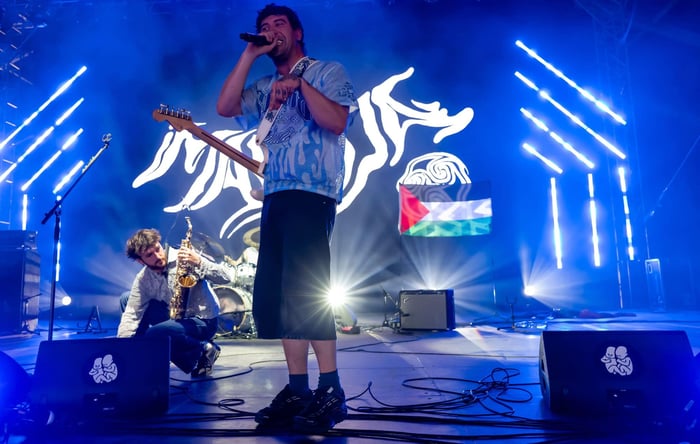
The controversy started after Macklemore delivered an impassioned “Free Palestine” speech while supporting Sheeran at MetLife Stadium in New Jersey. During the appearance, Macklemore also performed his protest track “Hind’s Hall,” accompanied by footage from Gaza.
The performance led to calls for Macklemore to be removed from the tour. Those calls included criticism from Pink and the Israeli American Council. Robert Kraft, the owner of Gillette Stadium, later described Macklemore’s comments as deeply offensive and hurtful to the Jewish community.
Sheeran maintained that the final decision to remove the rapper was made by promoter Messina Touring Group after several venues objected to Macklemore appearing onstage.
The decision then created another wave of departures. FINNEAS, Lukas Graham, Aaron Rowe, and Beoga withdrew as support acts, while Sheeran’s backing musicians also left the tour.
Financial Fallout and Industry Reaction
The dispute also developed a financial dimension. Macklemore later pledged his full $1 million in tour earnings to six organizations supporting Palestinians. Kraft said Sheeran had asked him to match that with a $2 million humanitarian contribution.
Even with those developments, criticism of Sheeran’s handling of the situation continued from several musicians.
Billy Bragg argued that Sheeran risked damaging his career and becoming a pariah. Bragg later said he was not impressed by what he considered Sheeran’s attempt to deflect the criticism and questions surrounding the humanitarian donation.
Massive Attack argued that neutrality in the face of the deaths of more than 20,000 children could not truly be considered neutrality. Roger Waters used much harsher language toward Sheeran while praising Macklemore for what he described as the right decision.
More recently, Dropkick Murphys’ Ken Casey said Sheeran’s treatment of Macklemore did not sit right with him. Hayley Williams showed support for the artists who left the tour by adding all four departing support acts to her pre-show playlist.
The reactions have made the dispute larger than one performer’s stage speech or one promoter’s decision. It now touches artistic freedom, venue influence, public protest, humanitarian giving, and the complicated expectations placed on musicians when their work intersects with world events.
Conclusion: Can a Concert Still Unite People?
Ed Sheeran’s live return was messy, emotional, and anything but routine. He apologized for mistakes, defended his commitment to his fans, acknowledged the suffering connected to the Israel-Gaza conflict, and admitted that he had nearly walked away from music altogether.
Whether audiences agree with every decision he made, the Philadelphia performance showed a performer trying to navigate an impossible-looking middle ground. His central belief remained simple: people do not have to agree on everything to share a song. Can that idea survive the pressure surrounding modern music, politics, and public responsibility?
FAQ
- Why did Ed Sheeran speak about Macklemore during his Philadelphia concert?
Sheeran addressed the dispute because Macklemore had been removed from the tour after making pro-Palestine comments, while several support acts and backing musicians subsequently withdrew. - What did Ed Sheeran apologize for?
Sheeran said he had made mistakes while dealing with the controversy and apologized to fans. He did not present the apology as a simple response to criticism of his music, but as an acknowledgment of difficult decisions connected to a major humanitarian issue. - Did Ed Sheeran support Macklemore’s comments?
Sheeran said he was not complicit in Macklemore being removed from the tour. He also spoke about free speech, venue control, and the humanitarian suffering connected to the Israel-Gaza conflict. - Why did Sheeran consider ending the tour?
He said people urged him to cancel, some long-standing relationships appeared to break down, and the pressure made him question whether he wanted to perform again or remain an artist at all. - What happened to Macklemore’s tour earnings?
Macklemore pledged his full $1 million in earnings from the tour to six organizations supporting Palestinians. Robert Kraft said Sheeran had asked him to match that with a $2 million humanitarian contribution.
Carry the feeling of a concert that brings people together with a favorite album cover poster from Architeg Prints. It’s a warm, music-loving way to keep that sense of unity on your wall.
 | DISCOUNTGET 30% OFF*Use code on your next order:
|
* This post may contain affiliate links, meaning we earn a commission if you make a purchase through these links, at no additional cost to you.