RHYTHM & MELODY Review: Sango’s Two-Disc Flex That Won’t Sit Still


 See more Architeg Prints stories on Google.
RHYTHM & MELODY Review: Sango’s Two-Disc Flex That Won’t Sit Still
RHYTHM & MELODY turns city sounds into a routing map—Sango’s drums do the talking, and the features either fit the seatbelt or get tossed around.
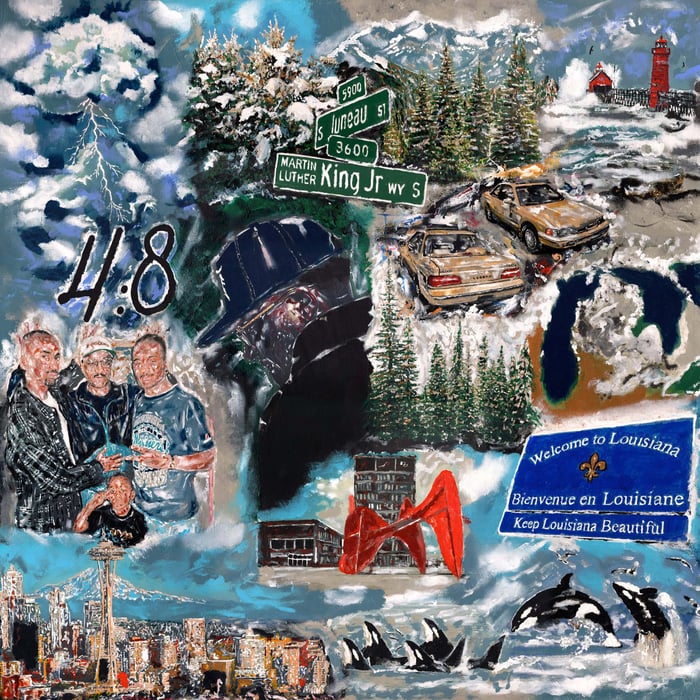
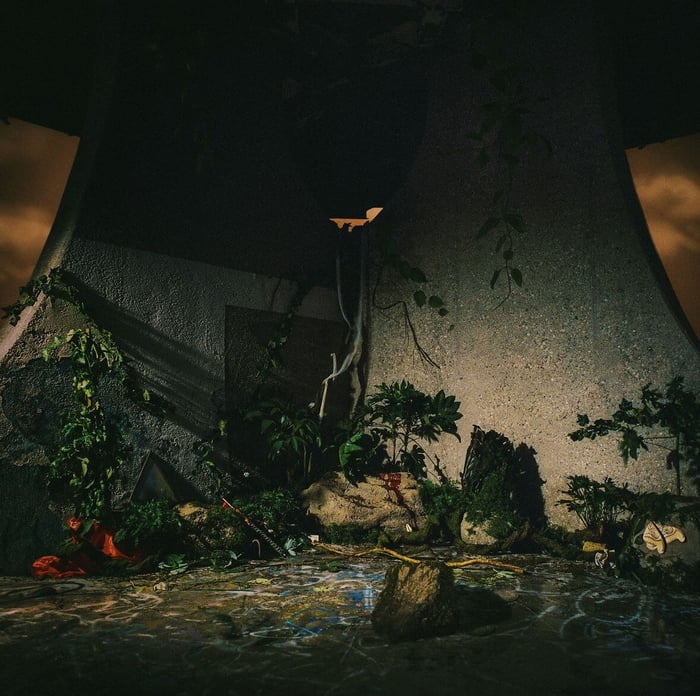
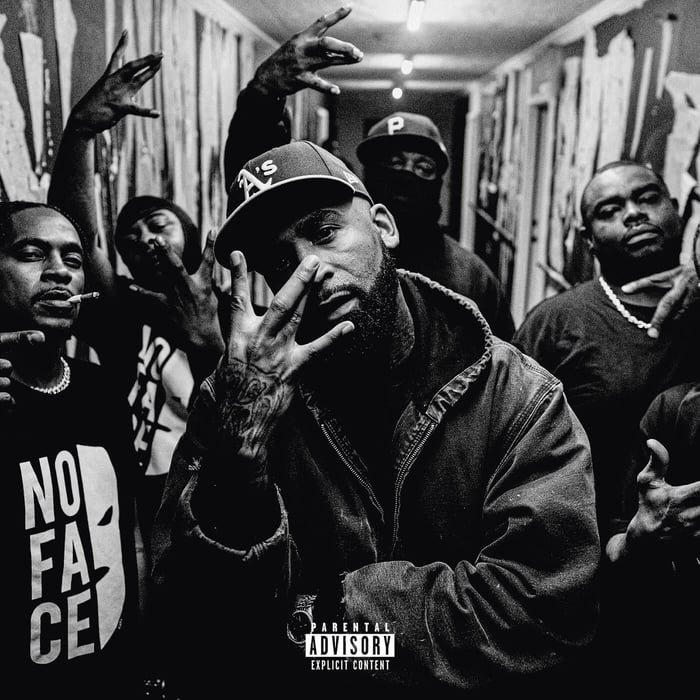
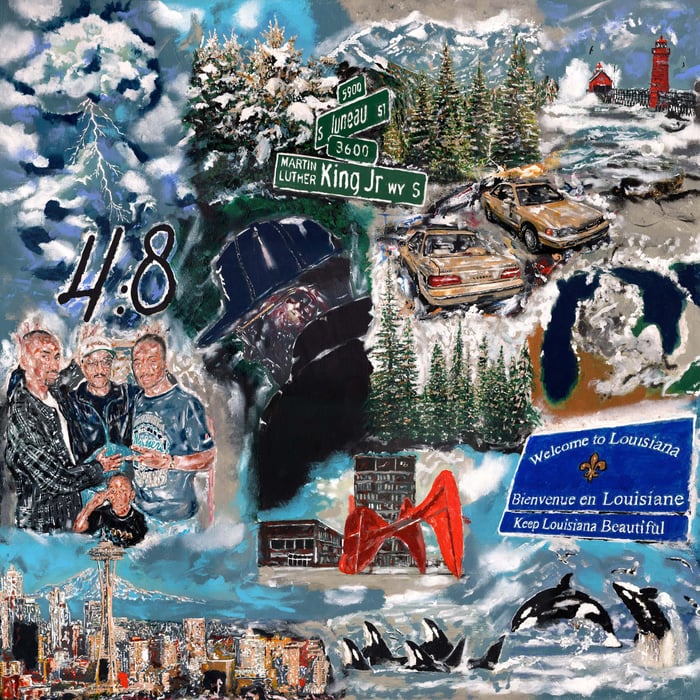
Courtesy of Mass Appeal.
A two-disc album that dares you to keep up
Some albums try to “take you on a journey.” This one tries to relocate you. RHYTHM & MELODY plays like Sango’s personal airline schedule—two discs, a shifting cast, and percussion that keeps stamping the passport whether you asked for it or not.
Right away, it’s obvious what Sango’s actually doing: he’s treating scenes like instruments. Not in a corny “world music” way—more like he’s building pockets so specific that rappers and singers sound like they’ve been dropped into their home weather system. Los Angeles feels different from Detroit. Rio doesn’t get turned into an “accent.” New Orleans doesn’t get cleaned up for polite company. And the connective tissue isn’t synth tone or vocal processing—it’s the drum DNA.
Sango’s real trick: splitting the catalog until it tells the truth
Here’s the blunt part: Sango has been building this kind of mapmaking since the beat-tape era, and RHYTHM & MELODY feels like him finally deciding to stop pretending it’s all one blob. The structure is the point.
I hear the logic in the way he divides things into RHYTHM and MELODY, but he also refuses to behave and keep them separate. At first I assumed the split would be clean—rappers over here, singers over there, tidy lines, two neat piles. On second listen, that assumption starts looking naive. The album bends its own rules whenever it wants, almost like Sango set up the categories just to prove he can break them without losing control.
And yes, it’s a Mass Appeal debut, but the bigger statement is personal: this is him formalizing the whole “regional pocket” idea he’s been hinting at for years, especially since his Da Rocinha run where funk carioca wasn’t treated like a decorative shaker on an American rap beat—it was the engine.
Michigan isn’t a cameo here—it’s a gravitational pull
The Michigan stretch isn’t subtle. It’s not even trying to be subtle. The closer you get to Detroit on this record, the more the drums feel like they’re tightening bolts.
“I-96” basically plants a flag with that end-line promise that anything on this side of the Mississippi is going down, and the nearby Detroit voices make sure it doesn’t sound like an empty threat. Boldy James slides into “Fenkell Ave Interlude” with that familiar even-pace menace—calm delivery, ugly images, no extra drama. It’s the kind of performance that doesn’t rise to a climax because it doesn’t need one; the point is that he sounds comfortable inside the grim loop.
Ab-Liva digs into the same zone with “Trap lord, crack lord / Reagan era, wiretap,” which lands like a shrug that happens to be historically detailed. That’s one of Sango’s moves here: he builds beats that make specific kinds of confession sound natural, like the instrumental is a room designed for that exact sentence to be spoken.
Then “The Cold” shows up and decides it’s not here to entertain you—it’s here to tell on you.
“Wake up to sirens, concrete lullabies.”
— G.T., “The Cold”
G.T. runs the fatherless-childhood thread until the line “No father to show me, I became the God” hits with this uncomfortable plainness. Not inspirational. Not tragic on cue. Just stated like weather. Babyface Ray follows in that easy, behind-the-beat way, watching a friend change under fame—more exhausted than angry. Julian Andretti ends the thing with lovers under sheets and a warning that the mindset out there will rot your teeth. That’s not a moral—it's a diagnosis.
What surprised me is where Sango places it: “The Cold” opens the MELODY disc, which immediately tells you the title split is about emphasis, not boundaries. He’ll put the bleakest rap scene-setter right where you expected sweetness, just to reset your ears.
“Big Little Lies” is Big Sean doing patience instead of performance
The tender assignment goes to Big Sean on “Big Little Lies,” and the reason it works is because it doesn’t sound like he’s trying to “act tender.” He just… stays in the room.
The track leans on Mary J. Blige’s “Not Gon’ Cry,” and Sean uses that borrowed emotional gravity in a smart way: first verse outside himself, describing a woman who’s done with men whose energy doesn’t match and still feels phantom pain from old scars—especially the brutal detail of a man leaving during the postpartum period. Second verse returns to his own viewpoint—“You’re on me, then you’re off me, swear you treat me like a trend”—and the chopped Mary vocal becomes the woman’s voice, looped into a hook that turns into “No hurt, no cry over big little lies.”
It’s one of the most patient pieces of storytelling he’s done in a while, and the patience is the flex. Sango doesn’t crowd it with extra fireworks either—he lets the emotional sampling hang there like a curtain you don’t pull back.
Rio, New Orleans, Chicago: the album stops translating and starts committing
This is the section where the album could’ve easily turned into a travel brochure. It doesn’t. It commits to the local frameworks and lets you deal with it.
Halfway through the second disc, Luccas Carlos sings in Portuguese on “Sol No RJ,” and it plays like night-out seduction: jump in, the sun’s out in Rio. The key detail is Sango’s percussion—the funk carioca pulse feels alive the way it did in the Da Rocinha days, without that touristy “look, we used Brazilian drums!” vibe.
Then “St. Claude” hits with HaSizzle performing it like a bounce veteran calling the room to order—“Work it… with your back”—and Sango doesn’t sand the edges down for outsiders. That’s a creative decision I respect: he keeps the New Orleans framework intact instead of polishing it into something safer.
Smino bridges rap and singing on “Duet,” stretching “Make a melody together, baby, let’s do it” until it turns into two things at once: flirtation and studio invite. It’s smooth, but not background—there’s intent in how long he holds the phrase, like he’s daring you to admit you heard the double meaning.
“I Finally Found the Words to Say” moves the dance logic through Chicago. The hook reduces courting to numbers—“Say two one nine…”—and Vince Ash keeps his voice weighted so the twitching footwork grid doesn’t swallow him. That balance matters; the beat is eager to sprint, and the vocal refuses to be treated like a sample.
GoldLink’s “I Called” is a spiral disguised as a dance
“I Called” is basically a mid-argument with yourself, except it’s set inside one of the bounciest pockets on the whole record. Bright melodic chords, springy rhythm—music built for movement—while GoldLink talks himself into a mess.
He lands, Ting Ting calls, he declares he found his soulmate last night, then immediately admits he got shaky at twenty-nine when someone asked about a wedding. Then he’s jumping between details: an all-black outfit, an ex-wife moving on and giving birth. The whole thing plays like he’s trying to outrun his own timeline.
And Sango’s choice here is sneaky: he puts emotional instability inside a beat that feels like sunlight. You can dance to it, sure, but you’ll be dancing next to a guy pacing.
The singing side isn’t romance—it’s temptation with receipts
The end of the RHYTHM disc hands the door to Phabo, and he sets the tone for the album’s singers: Los Angeles framed through a “Westside shorty” unimpressed by sections and Rollie chains, and the line that pins it to a place—“Meet me in Altadena.” It’s specific enough that it feels like a real coordinate, not a vibe.
After that, temptation keeps reappearing like a bad habit you still know by name:
- Jaymin on “Settle” walks back through a door he swore was shut: “Swore I wouldn’t ever be back, but I’m back somehow,” bargaining down to “I’ll settle for tonight, we may not get tomorrow.”
- Xavier Omär on “Lucky I” sings the cost of staying together: “What I sacrifice / Don’t cost money, but it’s not that cheap.”
- Dave B. weighs the alternative—being richer and saner—and brushes it off because he’d rather have her.
My read is that Sango isn’t using singers to soften the album; he’s using them to show a different kind of self-sabotage. The rappers talk about streets and consequence. The singers talk about choice and consequence. Same trap, different lighting.
Where it slips: a couple performances don’t earn their runtime
This album is confident enough to leave in moments that don’t fully bloom, and I can’t tell if that’s generosity or just inertia. I kept waiting for a couple tracks to turn the corner and they… didn’t.
Jay Anthony slides in and out of “G.O.” on a rhyme sound that never thickens past the early slack—“All this drip on me…”—and it stays stuck in that posture. LAZA’s “I Pray for This” rides one manifestation-prayer idea so long the Visa-passport-Amex chorus starts burning out before the song gives you anything new to chew on. There’s even a Timmy T punchline floating around, but the track doesn’t build a real frame for it.
That’s not me calling the album bad—more like pointing out that Sango’s world-building is so strong that when a guest shows up underwritten, you feel it immediately. The pockets are tailored. A lazy performance looks even lazier in a tailored suit.
Sango alone: the beats don’t “fill space,” they set rules
Sango also makes a point of letting his no-guest tracks last, which tells me he’s not scared of his own instrumentals as full statements.
“Out With the New in With the Old” introduces him before any rapper arrives—dusty old-soul loop, but freshened by precise drum programming that keeps it from sounding like a thrift-store cosplay. “Be the Light That You Are” acts like a brighter, slower breath between flexes, a deliberate pace change instead of filler. And “More Than Anything” ends with studio chatter—someone saying “This is my dream”—and then the last beat lands with no feature in sight, like Sango’s reminding you the whole airline runs because he’s flying the plane.
I’m not totally sure everyone will enjoy those stretches the same way I do; if you came strictly for verses, these moments might feel like layovers. To me, they’re the actual thesis.
“Rain & Shine” is the album’s mission statement in one beat switch
If there’s a single track that shows what Sango’s aiming at, it’s “Rain & Shine,” because it compresses the whole idea—multiple types of cool, same piece of architecture.
Robb Bank$ starts bruised and grandiose, writing verses in blood, claiming Michigan like the Pistons even though he’s coming from Florida. Then Sango flips the beat under him mid-song, and Sir Michael Rocks saunters in talking options and contracts, plus a line about his Mexican rich friend buying a brick if the Sox win. Two energies, one restructuring beat, and neither side loses posture.
That’s the album in miniature: one map, redrawn in real time. Sango’s been recharting routes since the beat-tape days. Here, he schedules every flight at once and dares you not to notice.
Conclusion
RHYTHM & MELODY isn’t trying to be a “variety” album. It’s trying to prove Sango can build a whole transit system out of drums and let artists keep their local gravity. When it hits, it feels like geography turned into rhythm. When it misses, it’s usually because a guest doesn’t bring enough personality to match the pocket they’ve been handed.
Our verdict: People who like producer-led albums where the beats are the main character will eat this up—and Detroit rap heads will get plenty to rewind. If you need every track to resolve into a big obvious hook, you’re going to get antsy and start checking your phone like you’re waiting at the wrong gate.
FAQ
- What is the core idea behind RHYTHM & MELODY?
It uses a two-disc split to push contrast—rap and singing, yes, but also different city pockets connected by Sango’s percussion. - Which tracks best show Sango’s range here?
“The Cold” for stark rap placement, “Sol No RJ” for funk carioca energy without tourism, and “Rain & Shine” for the mid-song beat restructure. - Does the album keep RHYTHM and MELODY strictly separate?
Not really. It sets the categories, then bends them on purpose—like opening the MELODY disc with “The Cold.” - Are there any weaker moments?
A couple performances (“G.O.” and “I Pray for This”) feel like they ride one idea too long, especially compared to how detailed the production is. - Who shines most on the features?
Big Sean surprises with patience on “Big Little Lies,” and the Detroit run (G.T., Babyface Ray, Boldy James) matches the album’s hardest pockets.
If this album put a visual stamp on your brain, you can always grab a favorite album-cover poster for your wall over at our store: https://www.architeg-prints.com—consider it the non-musical version of Sango’s mapmaking.
 | DISCOUNTGET 30% OFF*Use code on your next order:
|
* This post may contain affiliate links, meaning we earn a commission if you make a purchase through these links, at no additional cost to you.