Social Distortion’s Born To Kill Review: Punk for People Who Hate Waiting


 See more Architeg Prints stories on Google.
Social Distortion’s Born To Kill Review: Punk for People Who Hate Waiting
Born To Kill is Social Distortion kicking down the door after 15 years—loud, defiant, and weirdly life-affirming even when it snarls.
The long wait is part of the point
For a band that’s been around for more than 40 years, Social Distortion’s catalog has always felt almost stubbornly small. You’d assume there’d be a mountain of albums by now. Instead, Born To Kill shows up as only their eighth record—and the first in fifteen years—like the band spent a decade and a half just staring at the world, letting it get worse, and then finally deciding: fine, we’ll say something the only way we know how.
And yeah, it arrives with eleven tracks that are basically engineered to blow dust out of your speakers. The bigger story, though, is that it doesn’t sound like a “comeback” album in the polite, heritage-act sense. It sounds like they resented the passage of time and turned that resentment into gasoline.
I expected something comfortable. What I got was a record that keeps trying to start a fight with your morning commute.
The title track lights the fuse and doesn’t apologize
The opener, “Born To Kill,” starts with feedback—bright, ugly, deliberate—and then swings into driving riffs that make it clear the band isn’t easing anybody in. This is a tone-setter in the simplest way: it says “we’re here,” and then it proves it with momentum.
The chorus is one of those blunt-force singalongs that’s almost irresponsible. You end up yelling “I WAS BORN TO KILL” like it’s a motivational slogan, and then you realize you probably should keep your windows up if you don’t want to explain yourself at the next red light.
Right after that, “No Way Out” keeps the speed up and leans hard into the album’s favorite mode: riffs that feel like they’re dragging the whole song forward by the collar. Mike Ness sounds exactly like himself—that unmistakable drawl, half-growl—spitting lines like the world’s gone sideways and he’s not shocked, just annoyed. The guitars feel almost desperate here, like the song is trying to outrun the news cycle.
A reasonable person could argue this is just classic Social D: fast, anthemic, familiar. I’d argue the familiarity is the trap—it’s how the album sneaks its bitterness in.
Then it slows down just enough to stare at the mess
Third track “The Way Things Are” arrives with more screeching feedback, but the real shift is in the guitar tone: grungier, dirtier, like somebody rubbed the strings in ash. It slows the pace without killing the energy, and it aims its attention outward—another look at the current world, but not in a preachy way. More like: this is what it feels like to be awake right now.
What surprised me is the melancholy. There’s a backward glance in the writing—thinking about what used to be—and a forward look that doesn’t exactly promise improvement, but still insists on keeping your chin up. It’s defiant in that very Social Distortion way: not optimism, more like refusing to be flattened.
I’m not totally sure if the song is meant to be comforting or just stubborn. It kind of does both, and that tension is what makes it stick.
“Tonight” is the album flashing a grin mid-brawl
After that heavier reflection, “Tonight” pulls a neat trick: it brings in a bluesy tone and tips into a rockabilly-ish swing without abandoning the punk backbone. This is Social Distortion doing what they’ve always done best—acting like punk and old American rock ’n’ roll were never separate genres, just different outfits for the same attitude.
At first, I thought this detour might feel like the band taking a breather. On second listen, it feels more like them reminding you they can still have fun while they’re being pissed off. That little change-up matters, because Born To Kill doesn’t survive on speed alone—it survives on personality.
And then “Partners In Crime” comes in and tightens the screws again. The riff has a bounce to it that practically demands movement—though given the age range of a lot of Social Distortion fans now, it’s more like an enthusiastic head nod and maybe a knee pop if you’re brave.
Here’s the hot take: this song has a Bruce Springsteen-style bigness to it, like heartland rock if it grew up meaner and faster. It’s an oddly useful thought experiment—what would Springsteen sound like if he’d gone punk instead of stadium poet? This track kind of answers that, and it doesn’t feel like a gimmick. It feels like Social Distortion admitting they’ve always been a rock band in punk clothing.
The middle stretch time-travels: 1950s sunshine, then a darker room
“Crazy Dreamer” leans into an older rock ’n’ roll spirit—more 1950s than CBGB—and it’s built around a fun beat that flirts with Isley Brothers-style singing, except it’s being delivered with punk grit instead of velvet. There’s piano tinkling throughout, and the whole thing gives off this specific feeling: sitting in the sun with a drink, pretending the modern world can’t reach you for three minutes.
If you want to call that escapism, fine. I’d call it strategic. The album needs these moments of warmth so the colder parts land harder.
Because then “Wicked Game” shows up and drags the temperature down. It’s slower, brooding, pure rock and roll—less punch, more shadow. Ness sounds like he’s turning mistakes over in his hands, regretting them, wondering how different life could’ve been if he’d made one clean decision at the right time. It’s not melodramatic; it’s heavier than that. It’s the sound of someone old enough to know you don’t get refunds.
I will say this: the shift is bold, but the pacing here briefly tested me. Not because it’s bad—because it’s so committed to the slow burn that it risks losing the impatient listener. That’s the mild flaw in this record: sometimes it trusts its own vibe a little too much.
Then “Walk Away” snaps the energy back into place with simple structure, strong riffs, and Ness returning to that fun, growling vocal posture. This is the air-punching track—the one that turns your steering wheel into a drum. It doesn’t overcomplicate anything, and that’s exactly why it works.
The last run locks into rhythm, sarcasm, and bruised optimism
Near the end, “Never Going Back Again” comes in with a swinging drum beat that immediately changes your posture. The guitar chugs in a muted way, clicking into the groove like gears catching. It’s one of those tracks that makes you almost jump without realizing you’re moving—like your body buys in before your brain does.
Lyrically, it’s world-weary and sarcastic, taking aim at the political climate and the way the past keeps pretending it isn’t about to repeat itself. The song circles back on itself like it’s trying to convince you—and maybe itself—that there’s no way we’re heading backwards… while clearly seeing all the signs that say otherwise. That “full circle” feeling isn’t comforting. It’s the point. The album isn’t pretending the world got better during their fifteen-year gap.
“Don’t Keep Me Hanging” acts as the penultimate track and turns its attention to a relationship that should’ve ended ages ago but just… kept going. The gut punch here is the realization that what you thought was real was closer to a dream you refused to wake up from. Still, Ness doesn’t leave it in the dirt—there’s optimism in the delivery, like he’s insisting better days are possible, even if you’ve got to crawl toward them.
And then it bleeds into “Over You,” the closer, which leans into the stubborn fact that some things simply don’t resolve. You can move on, sure, but “getting over it” is not always on the menu. It’s a huge-sounding rock track to end on, with driving guitar carrying through to the final moments.
My first impression of the ending was that it was almost too clean—a little too “wrap it up, big finish.” But once I replayed it, that wry smile it leaves started to make sense. The album doesn’t end like everything’s fixed. It ends like you’ve accepted what you can’t change and you’re still going to walk forward anyway.
That’s the real trick Born To Kill pulls: it makes endurance sound like a singalong.
This doesn’t feel like a reunion—more like a reset
By the time the last notes fade, Born To Kill feels like the overdue return it clearly wants to be. Not because it’s trying to impress anyone with reinvention, but because it leans into what Social Distortion does when they’re locked in: pure rock and roll-punk with bite, the kind that makes you feel briefly capable of handling your life.
It also makes the fifteen-year wait feel… almost intentional, even if it wasn’t. Like the band needed the world to get weird enough to justify this level of snarl.
Born To Kill is out now via Epitaph Records.
Conclusion
Fifteen years later, Social Distortion didn’t return with a museum piece. They returned with Born To Kill, a record that alternates between fists-up momentum and those darker, slower moments where you can hear the cost of staying alive this long. It doesn’t fix the world; it just gives you a loud, stubborn way to stand in it.
Our verdict: People who like their punk with rock ’n’ roll bones—and aren’t allergic to melody—will actually love Born To Kill. If you want punk that constantly mutates, or you demand every veteran band “try something new” every three minutes, you’ll probably roll your eyes and call it predictable… right before the chorus gets stuck in your head anyway.
FAQ
- Is Born To Kill a fast album or more mid-tempo rock?
Mostly fast and driving, with a few strategic slowdowns like “Wicked Game” to darken the room. - Does the title track “Born To Kill” set the album’s tone?
Completely. The feedback, the riff, and that shouted chorus basically define the album’s posture. - What song changes the vibe the most?
“Tonight” swings into a bluesy, rockabilly flavor that keeps the record from feeling one-note. - Are the lyrics personal or political here?
Both, depending on the track—there’s world-weariness aimed outward and regret aimed inward. - Is this album approachable if I haven’t heard Social Distortion before?
Yes, because the hooks are big and the structures are clear—this record doesn’t hide what it’s doing.
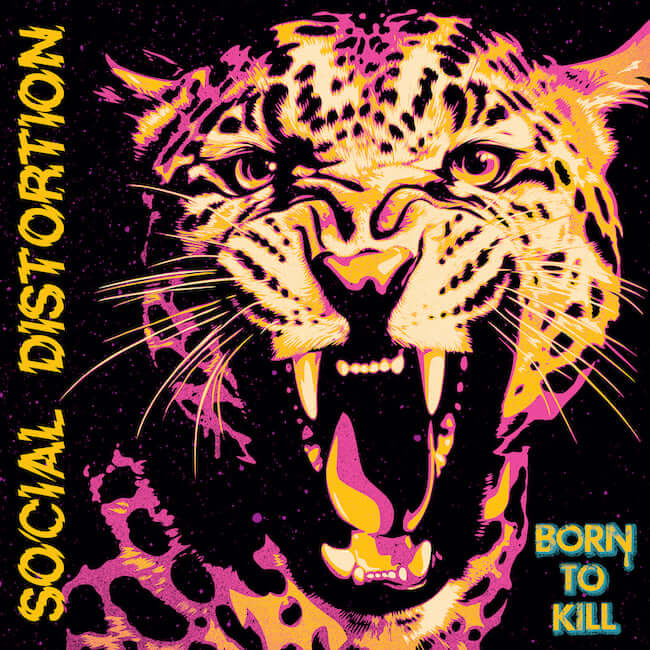
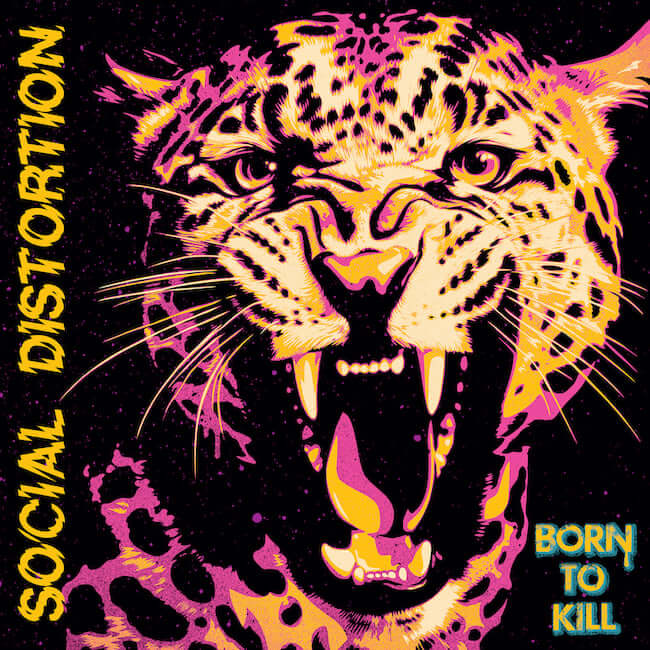
If this album’s cover hits you the way the choruses do—like a fist on the dashboard—you can grab a favorite album cover poster over at our store: https://www.architeg-prints.com.
 | DISCOUNTGET 30% OFF*Use code on your next order:
|
* This post may contain affiliate links, meaning we earn a commission if you make a purchase through these links, at no additional cost to you.