Soul Woman Album Review: Michelle David’s Gospel Therapy Hits Harder


 See more Architeg Prints stories on Google.
Soul Woman Album Review: Michelle David’s Gospel Therapy Hits Harder
Soul Woman isn’t “inspirational”—it’s a private argument with God, recorded live so you can hear the doubt breathe.
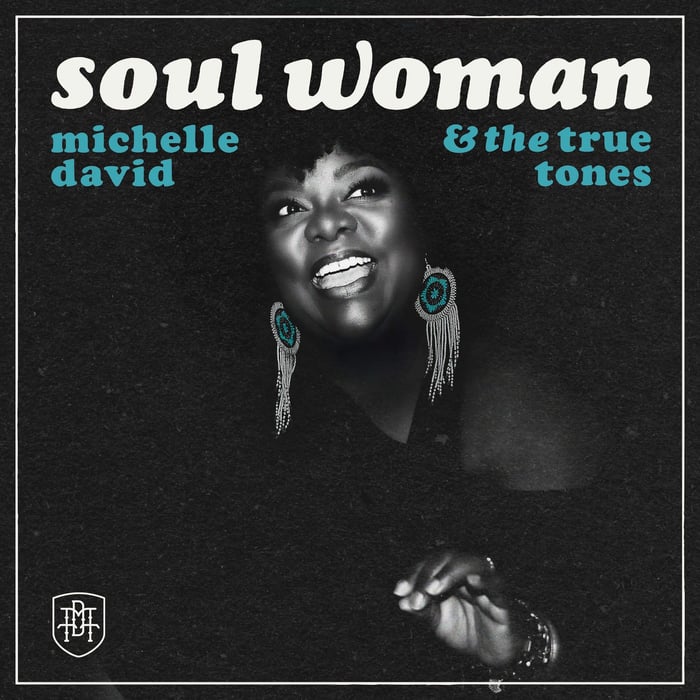
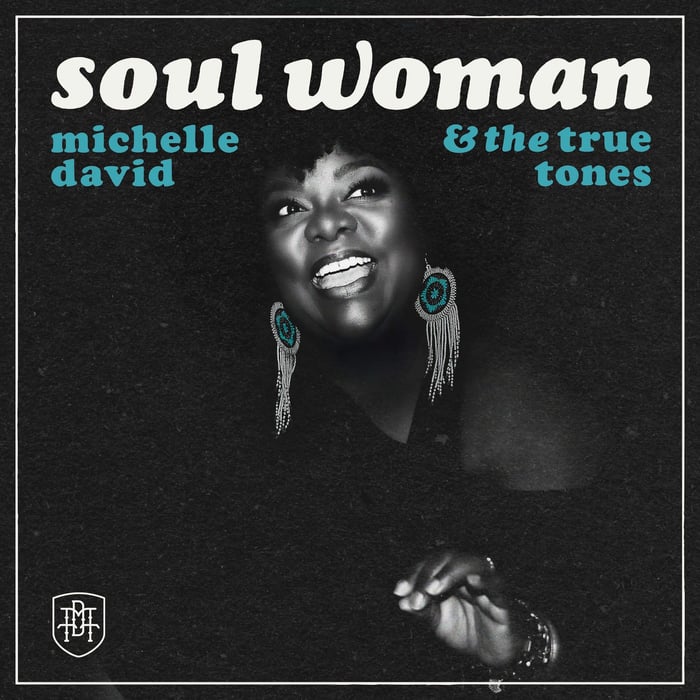
First, here’s the cover—and the warning label
The pivot: from talking at the world to talking at herself
The last record, Brothers & Sisters, felt like watching the world through a screen and heckling it back—social commentary dressed up in analog soul clothes. That contrast was the whole hook: big gospel pipes and classic arrangements used as a megaphone for modern stress.
But Soul Woman doesn’t keep that distance. It’s the sound of someone realizing it’s easy to diagnose society when you’re not diagnosing yourself. The energy shifts from “look at this mess” to “why am I still carrying mine?” And I don’t mean that in a motivational-poster way—I mean it as a slightly uncomfortable decision to stop performing certainty.
A reasonable listener could argue this is less “fun” than the last record, and they’d be right. It’s also braver. Those two things aren’t always friends.
Recorded live, on purpose: the band as a witness
You can hear the choice immediately: this was recorded live, together, in one room, in the same take—guitars (and production) from Paul Willemsen and Onno Smit, drums by Bas Bouma. No puzzle-box assembly. No “fix it later” perfection.
And it matters because Soul Woman is basically a series of admissions—some whispered, some shouted—and admissions don’t land the same when they’ve been polished into something safe. The band isn’t just backing her; they’re acting like witnesses. That’s my read, anyway. The drums don’t decorate. They underline.
If you like records where every instrument sits politely in its lane, you might call this messy. I kept thinking: good—let it be messy. This album is not trying to look unbothered.
“Running”: the prayer that doesn’t get answered
“Running” is where the album shows its teeth. It’s not a victory-lap gospel tune; it’s the sound of someone doing everything right—fasting, praying, keeping quiet, trying to be patient—and still hearing nothing back.
The lyric turns that silence into a kind of emotional treadmill. She keeps moving, keeps reaching, and the track keeps pushing forward like it’s trying to outpace disappointment. There’s a moment where the patience drops and the language hardens—where she admits she thought she had it figured out, and then it got “quickly deferred.” That line doesn’t just sting; it reframes the whole track as a story about spiritual whiplash.
On my first listen, I took “Running” as a standard struggle-then-overcome setup. On second listen, it hit me that the song’s power is that it refuses the neat turnaround. It keeps running. It keeps not arriving. That’s the point.
Arguable claim: this is the most honest thing on the record because it doesn’t reward you for being faithful. It just shows you what it costs.
“Speak to Me”: scripture as noise, not comfort
“Speak to Me” carries the same frustration, but it’s louder about it—stomping brass, Willemsen’s distorted guitar, and a vocal that doesn’t beg so much as demand.
The lyric basically says: I know the sayings, I know the quotes, I’ve heard the “rights” and the “playings,” and none of it is feeding me. That’s a brutal stance for a gospel-rooted record to take, and I mean that as praise. It’s the sound of someone realizing that repeating holy language can become its own kind of avoidance. Like: if I keep reciting, I don’t have to admit I’m empty.
I’m not totally sure the brass always helps here—I went back and forth on whether it’s triumphant or just insistent. But that uncertainty kind of fits. The track feels like it’s trying to kick a door down, and not every kick is graceful.
Arguable claim: the distorted guitar is the real “voice” of the song—it says what the lyric is too polite to fully scream.
“Soul Woman”: the moment she stops asking permission
The title track is where the album stops negotiating. She starts declaring.
“I am all that I say I am,” she sings—then stacks image on top of image: north/south/east/west, air and inhale, a womb carrying light and dark and everything in between. It doesn’t feel like a TED Talk about empowerment. It feels like a personal inventory said out loud until it becomes immovable.
Midway through, the lyric lets grief in—rivers, lakes, mountains, endless peaks, simplicity and vast complexity. And then the screws tighten: moans and groans carrying the weight of the world, concealing the origin of pain, nourishing through resistance, built to construct.
Here’s the interesting contradiction: she’s proclaiming herself with authority, but the details are full of strain. That’s the whole trick. The song isn’t saying “I’m fine.” It’s saying “I exist loudly even when I’m not fine.”
Arguable claim: “Soul Woman” isn’t about womanhood as an idea—it’s about survival as a job description.
“Flow”: advice that collapses into a command
“Flow” opens like friendly instruction: sometimes you gotta let it flow. The first verse even sounds almost philosophical—peace isn’t something you can grab, it’s a state of mind.
Then the track gets impatient with itself. The language shifts from calm guidance to blunt confrontation: why hold it in, why keep it close, the hurt you feel is hurting you the most. The bridge basically throws away the self-help framing and reduces everything to a single, repeated instruction: cry out loud.
And honestly, that’s the moment I respected the most. Not because it’s pretty—because it isn’t trying to be. It’s refusing to decorate pain with clever wording. It’s saying the quiet part plainly: sometimes you don’t need insight; you need release.
Arguable claim: the bridge saves the song from becoming “good advice” that you forget five minutes later.
“Pick Up the Pieces”: self-talk with a full-band spine
“Pick Up the Pieces” starts with broken glass on the floor—pieces scattered everywhere—and then turns into a coaching session. But it’s not corny. It’s the kind of self-talk you do when you’re trying not to slide backward.
She’s basically clearing space: clear the path you’ve made, leave room for growth, face the naked truth, be good to you. The outro turns into a chant—“get yourself together, girl / you know you’re not alone”—and this is where the live recording choice really pays off.
Because if this were programmed and pristine, that line about not being alone would feel like something printed on a mug. With Bouma’s drums pushing and the band moving as a unit, it feels embodied—like other people are in the room with her while she says it. Even if the “other people” are just the band, that still counts.
Mild criticism, though: I don’t love how neatly the chant lands rhythmically. I wanted it to fray a little more, to sound less resolved. But maybe that’s my taste talking—I like my recovery messy.
Arguable claim: this track proves the band isn’t accompaniment; they’re the emotional scaffolding.
“Seasons”: the one sideways glance back at the world
Only once does the album really turn its head outward again. “Seasons” is the moment where she names the bigger cultural confusion plainly: truth is truth even if the world says different; never thought she’d see a time when facts were fiction.
It’s not a full return to social commentary mode. It’s more like she’s acknowledging that the external chaos is still there, even as she tries to do the internal work. The key line for me is the refusal to “amp up the hype”—a quiet flex of integrity when everything else wants noise.
Arguable claim: “Seasons” works because it’s brief with its message; if it preached longer, it would weaken the album’s inward pull.
The back half: gratitude that doesn’t erase the fight
After all that searching, “You’ll Never Know” lands like a letter aimed upward. It’s not slick gratitude; it’s gratitude with residue on it—the kind that comes after you’ve been swallowed by darkness and someone steps in when you can’t see.
The lyric admits the problem directly: there’s nothing she can say that can properly relay what she’s feeling. And that’s the honest limit of praise—language eventually taps out.
“When All Is Said and Done” carries the heaviest question on the record: when you’re alone with nothing but your thoughts, with everything you lost still echoing, can you find peace within that makes it make sense? There’s even a moment where she admits she’s not sure if she’s understanding what’s being said to her, or if she’s bending it into the shape she wants. That’s a nerve most records avoid touching. Doubt isn’t a vibe here; it’s a line in the lyric.
Then she prays—repeatedly—and makes a promise that’s almost startling in its intensity: holding, loving, protecting… and also fighting. Not fighting against—fighting for. That contradiction is the point. Devotion can be tender and combative in the same breath.
Arguable claim: the album earns its gratitude only because it refuses to shortcut the confusion.
“I Thank You”: the closer that shakes off composure
After nine tracks of searching and scraping and asking and not always hearing anything back, the album closes with “I Thank You,” and it’s deliberately uncomplicated praise: thanking the Lord for glory and patience.
But the best part is that it doesn’t stay formal. The bridge cracks open into everyday gratitude—waking up in the morning and thinking, I thank ya. And by the outro, whatever composure she had left is gone. You can practically hear her moving while she sings it. The band hears it too; they follow her like they’re watching someone step back into their body.
I thought I wanted a bigger, more “final” ending. Instead, the physical looseness is the ending. The record doesn’t conclude with a thesis. It concludes with motion.
Arguable claim: the closing track isn’t the resolution—it’s the release valve.
Tracks that hit the hardest (the ones I’d replay first)
Not “best songs,” because that’s not what this album is aiming for. But the ones that feel like the record’s spine:
- “Running”
- “Soul Woman”
- “Speak to Me”
Each one contains a different kind of confrontation: silence, identity, and impatience.
Conclusion
Soul Woman isn’t trying to impress you with range. It’s trying to tell the truth while the tape is rolling—live band, live nerves, and lyrics that don’t tidy themselves up for your comfort.
Our verdict: People who like gospel-soul as a place to wrestle—not just rejoice—will actually love this. If you want your “uplifting” records to stay polite, you’ll bail halfway through and call it heavy. It is heavy. That’s why it works.
FAQ
- Is “Soul Woman” more personal than the previous album?
Yes. It trades outward commentary for inward interrogation, and it doesn’t soften the edges. - Does the live recording style change the feel of the album?
Completely. The push-and-pull between voice and band makes the vulnerable moments feel physical, not staged. - Which songs feel the most intense?
“Running” and “Speak to Me” hit hardest because they stay unresolved and let frustration remain audible. - Is this album purely faith-centered praise music?
No. It’s faith as struggle, faith as waiting, and faith as gratitude that arrives late and slightly bruised. - What’s the best entry point if I’m new to Michelle David & The True-Tones?
Start with “Soul Woman” to understand the album’s core stance, then go to “Running” to feel the conflict underneath it.
If this record lodged in your brain the way it did for me, you might want the cover art nearby—on a wall, not just in a playlist. If that sounds right, you can pick up a favorite album cover poster at our store: https://www.architeg-prints.com
 | DISCOUNTGET 30% OFF*Use code on your next order:
|
* This post may contain affiliate links, meaning we earn a commission if you make a purchase through these links, at no additional cost to you.