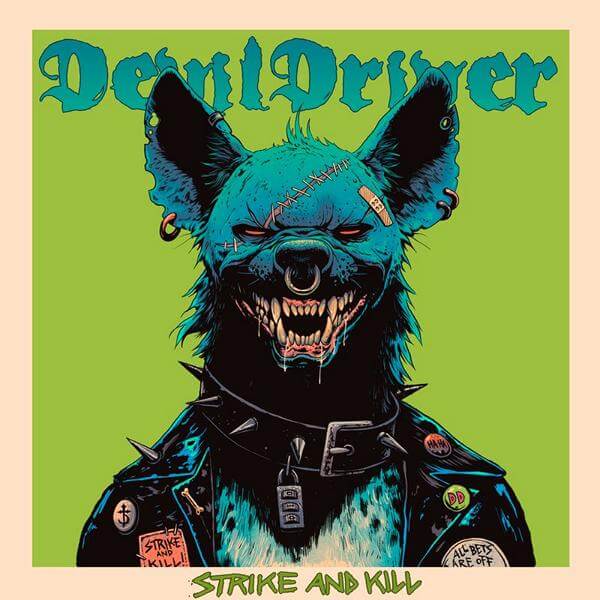
Strike And Kill Review: DevilDriver’s “Too Much” Album (On Purpose?)


 See more Architeg Prints stories on Google.
Strike And Kill Review: DevilDriver’s “Too Much” Album (On Purpose?)
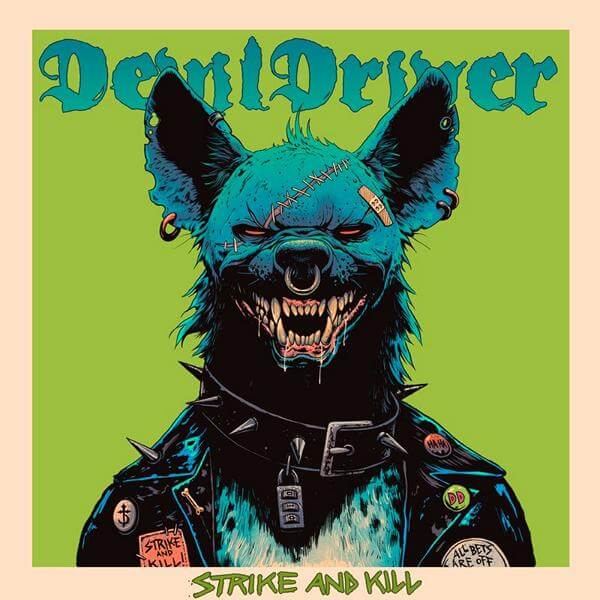
Strike And Kill proves DevilDriver still swing hard—but the real story is how this Strike And Kill dares you to keep up for 50 minutes.
A record that doesn’t ask permission
DevilDriver don’t ease into anything here. Strike And Kill starts like it’s trying to beat your attention span into compliance, and honestly? For a while, it works.
This band has been doing the high-output thing since the early 2000s—new records with barely enough time for the paint to dry, lineup shifts, and Dez Fafara still somehow sounding like he’s got a personal grudge against silence. I can’t pretend I’m not impressed by the sheer stubbornness of it. Strike And Kill is album number eleven, it’s out through Napalm Records, and it’s the first one with guitarist Gabe Mangold (yeah, that Gabe Mangold). That matters, because the playing on this record has a tightness that feels newly sharpened, like somebody walked into the room and started rearranging the furniture without asking.
The opener is a threat, not a welcome
The first big tell is “Dig Your Own Grave.” It doesn’t “set the tone.” It jumps you. Dez sounds more furious than I expected—more venom than grit, which is a small difference but you feel it in the way the phrasing snaps.
Then “Dead In The Water” keeps the pressure on, no palate cleanser, no cute detour. Early on, the album acts like it’s trying to rip your ears off and then hand them back just so it can do it again. If someone wants to argue DevilDriver have mellowed with age, I’d like them to explain these first tracks with a straight face.
And yeah, I know the obvious counterpoint: prolific bands can blur into autopilot. I came in half-expecting that. But on first pass, the opening stretch didn’t sound like autopilot—it sounded like a band that still enjoys the sensation of hitting something very hard.
The title track slips in a metalcore grin
Here’s where Strike And Kill starts showing its cards. The album mostly lives in that classic DevilDriver groove—chunky, forward-leaning, built for motion. But they keep flicking the steering wheel just enough to remind you they could crash this thing if they wanted.
The clearest “swerve” is the end of the title track, “Strike And Kill.” That final breakdown slows down and leans into pinch harmonics in a way that feels unapologetically mid-2000s metalcore. Not as a tribute, not as parody—more like they’re borrowing an old weapon because it still cuts.
Arguably, that’s the most self-aware moment on the record: DevilDriver letting a different era’s vocabulary creep into their sentence, then snapping right back to their own accent.
“In The Moonlight” is the real curveball—and I didn’t trust it at first
The next track, “In The Moonlight,” opens with a more melodic guitar figure, and Dez goes clean over it. The first time I heard it, I braced for the usual problem: clean vocals as a quick attempt at “dynamics,” like opening a window in a room that doesn’t need air.
But on second listen, I got what they were doing. It isn’t a bid for accessibility—it’s a bait-and-switch. That clean intro doesn’t soften the album; it makes the return to heaviness feel meaner. It also keeps flirting with that same mid-00s metalcore energy, like they’re admitting the genre’s hooks were effective even when the fashion around them was questionable.
Do I love the clean vocal? I’m not totally sure. Part of me still thinks it’s deliberately “wrong” in a way that’s supposed to bother you. But it’s memorable, and that counts for more than purity.
The “gentler” songs aren’t gentle—they’re just paced differently
A few songs pull back from full-speed bludgeoning:
- “Summoning Shadows”
- “You’re Just A Ghost”
They aren’t ballads, and they aren’t really breathing room either. They’re more like the moment in a fight where someone stops swinging wildly and starts aiming. If you’re listening for tenderness, you won’t find it. What you will find is DevilDriver manipulating tempo and weight so the album doesn’t become one long identical bruise.
And then “Never Coming Home” drops a Spanish-guitar-inspired middle section—an unexpected texture that flashes by like a quick memory you’re not sure is yours. It’s such a specific choice that I can’t call it accidental. It’s the band saying: we can decorate the room, we just don’t want to live in the decorations.
A reasonable listener might say these moments “humanize” the record. I’d say they do the opposite: they make the heavy parts feel less like catharsis and more like a decision.
The album’s biggest problem is also its flex
Here’s the irony: the main thing that drags Strike And Kill down is the thing it’s most proud of—how much of it there is.
Thirteen tracks and nearly fifty minutes is a lot of blunt-force groove metal to take without going numb. And past the halfway point, I started feeling that numbness creep in. Not because the band gets worse, but because the album keeps insisting that every punch should land like the first one.
That’s where tracks like “Ride Or Die” and “Headed For The Fall” start to jar. They aren’t bad songs, but they arrive after you’ve already been hit with so much that their impact dulls on contact. The record’s consistency becomes a weird liability: the same strengths, repeated, begin to feel like sameness.
If they’d trimmed two or three tracks, it would’ve hit harder overall. I kept waiting for the album to end on a moment that felt like a mic drop, and instead it sometimes feels like it’s shadowboxing after the crowd already believes it won.
And yes, I can hear the counterargument: longer albums matter in a short-form world; refusing to trim is its own statement. Fine. But if that’s the statement, then Strike And Kill is basically DevilDriver saying,
“I don’t care if you can’t keep up—try harder.”That’s admirable. It’s also slightly self-sabotaging.
What this album is really doing: protecting the “no frills” brand
By the end, Strike And Kill comes off like a deliberate act of identity maintenance. This is DevilDriver reminding you what they actually sell:
- groove-first heaviness
- riffs that move like machinery
- vocals that sound like a door being kicked in
- minimal ornamentation, unless it’s there to sharpen the blade
It doesn’t reach the same high-water mark as some of their strongest back-catalog moments (you can feel that ceiling when you want one more great peak instead of another good punch). But it still delivers the version of DevilDriver that long-time listeners show up for: metal with few frills and even fewer shiny distractions.
And I’ll admit something: when I saw the track count, I thought,
“here we go again.”After sitting with it, I think the excess is part of the personality—even if I still wish they’d edited themselves just a bit.
Conclusion
Strike And Kill doesn’t reinvent DevilDriver. It tightens the screws, throws in a couple of sharp left turns (that title-track breakdown, that “In The Moonlight” opener, that Spanish-guitar flash), and then dares you to complain about the bruises.
Our verdict: People who like their metal straightforward, groove-loaded, and allergic to fancy concepts will actually love Strike And Kill—especially if they miss the blunt satisfaction of mid-2000s heaviness without the eyeliner theatrics. If you need restraint, big dynamic arcs, or an album that knows when to shut up, this one will feel like being trapped in a very competent mosh pit that refuses to end.
FAQ
- Is Strike And Kill classic DevilDriver or a new direction?
It’s mostly classic DevilDriver groove and force, with small detours—especially the metalcore-leaning moments and a few more melodic openings. - What’s the most surprising moment on Strike And Kill?
The clean-sung, melodic start of “In The Moonlight” is the biggest swerve, because it doesn’t stay “soft”—it’s a setup. - Does the title track “Strike And Kill” stand out?
Yes. The ending breakdown slows down and leans into pinch harmonics with a very mid-00s metalcore flavor, which makes it stick. - What’s the main drawback of Strike And Kill?
Length. At thirteen tracks and nearly fifty minutes, the back half can start to blur, and songs like “Ride Or Die” and “Headed For The Fall” lose some punch. - Who is the new guitarist on Strike And Kill?
Gabe Mangold is the new guitarist featured on this album, and the playing feels especially locked-in and sharpened.
If this album’s blunt-force vibe is your kind of wall art too, you can always shop a favorite album cover poster at our store: https://www.architeg-prints.com/ — it fits the whole “loud thing you commit to” aesthetic.
 | DISCOUNTGET 30% OFF*Use code on your next order:
|
* This post may contain affiliate links, meaning we earn a commission if you make a purchase through these links, at no additional cost to you.