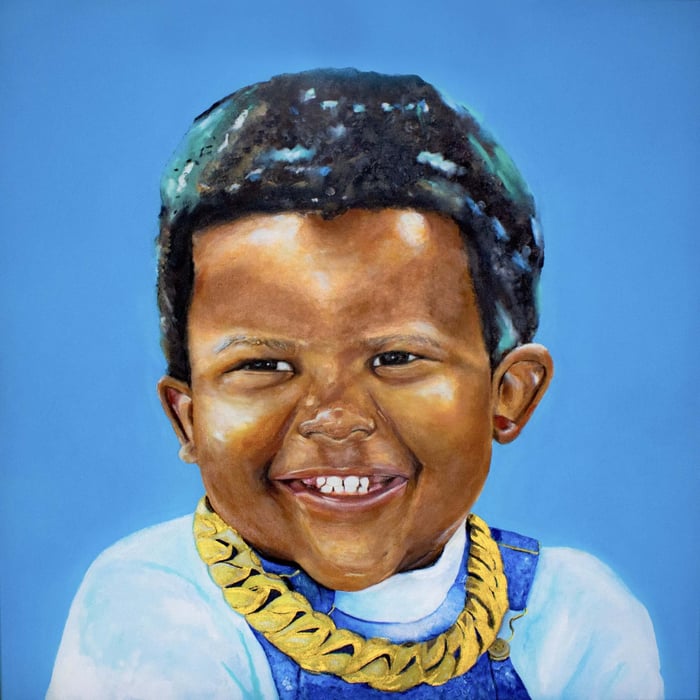
WHY EQUALS SELF Album Review: Raz Fresco Does Math, Then Dares You to Flinch


 See more Architeg Prints stories on Google.
WHY EQUALS SELF Album Review: Raz Fresco Does Math, Then Dares You to Flinch
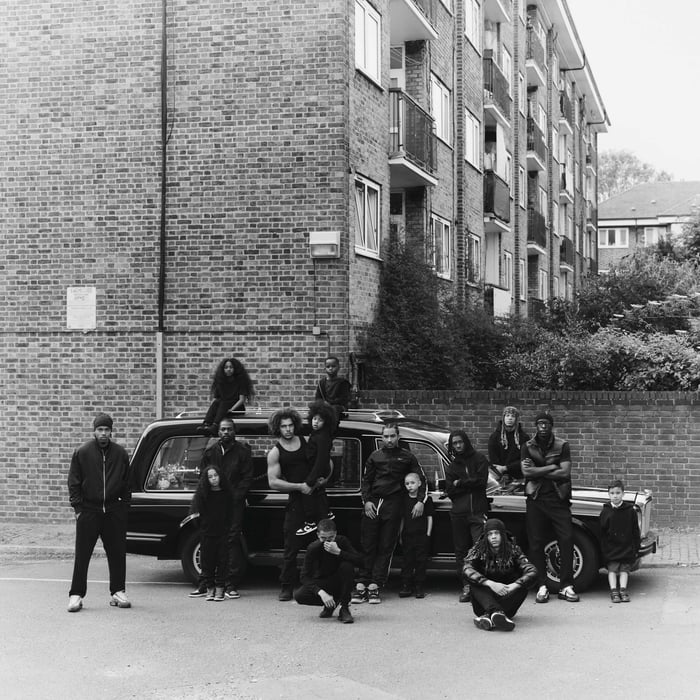
WHY EQUALS SELF isn’t background rap—it’s a self-audit in public, where Raz Fresco uses Supreme Mathematics like a flashlight and keeps aiming it at your face.
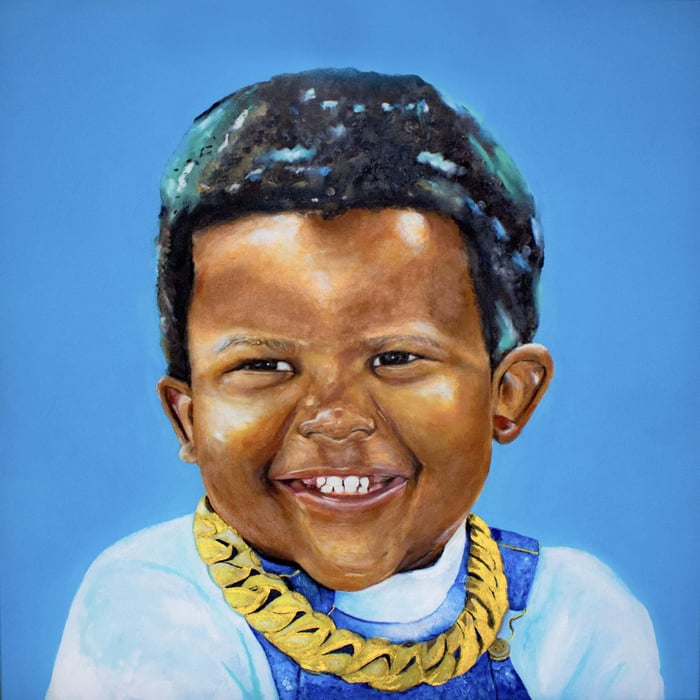
Image credit: Vinyl Digital GmbH.
A record that treats “Y” like a mirror, not a letter
This album doesn’t ease in. It walks up like it already knows what you’re avoiding. In the Nation of Gods and Earths framework, “Y” isn’t just a question—it’s the question and the answer at the same time, the seeker and the thing being sought. And WHY EQUALS SELF takes that idea way too literally: every lesson feels like it’s trying to solve you while you’re still listening.
Raz Fresco’s been doing this cipher-in-public thing for years—building music in his studio (The Bakery), feeding his BKRSCLB crew, and dumping projects at a pace that basically forces the Canadian underground to keep up or get left behind. What’s different here is the posture. This time he’s not just sprinkling knowledge—he’s laying out degrees one after another like a classroom session, and the classroom is Toronto, whether Toronto asked for it or not.
That’s an arguable choice, by the way: turning the city into a chalkboard means the album can feel less like “songs” and more like “evidence.” If you want vibes first, you might feel like you got assigned homework.
“IT DONT STOP” is an intro, but it’s also a roll call
The opening move is simple and cocky: Raz spells himself out on “IT DONT STOP”—R-the-A-the-Z, then G-the-O-the-D—like he’s stamping a passport. And then he starts stacking autobiography in quick flashes: the DatPiff mixtape era, a Brooklyn show, the moment he heard KRS-One say “Peace God” from the same stage. It’s not nostalgia for comfort; it’s nostalgia as credentials.
He even drops a line that basically dares you to disagree—something like, if he isn’t a legend, the map needs to be redrawn—and then he pulls the rug by insisting the “actual facts” aren’t up for debate.
That’s a recurring tactic on WHY EQUALS SELF: he’ll flex, then immediately tell you it’s not a flex, it’s just arithmetic.
I’ll admit, on first listen I thought this would be one of those records where the confidence does all the work. But after a few tracks, it’s obvious the confidence is just the casing. The real engine is compulsion—like he has to document what he’s learned before the room changes again.
He raps like he’s allergic to the algorithm
“THE LIVING LIGHT” is where the album starts showing its teeth. Raz strings together dense internal patterns—“DoorDash format, the war path on the forecast”—and it feels less like showing off and more like sprinting through a thought before it gets interrupted. He outright calls AI music “online artistic homicide,” and the line lands because the whole track is built like a rebuttal: there’s supposedly “no algorithm” that can replicate being fly “as the I-N-I.”
That’s a spicy claim, and people will argue it, but here’s the thing: the album doesn’t argue politely. It argues like it’s trying to keep a tradition alive by force.
“SPECIALIZE” takes the same rhyme-motor and turns the heat up until the punchlines start smearing together—Goku to sudoku to tofu to Nobu, sodium to Soviets. It’s impressive, sure, but it also flirts with a problem: when the assonance gets that constant, your ear starts hunting for meaning like it’s a missing ingredient.
And that’s my first mild gripe: sometimes the record packs so many bars per second that the point arrives a half-beat late. Not always. But enough that I caught myself rewinding—not because I loved it, but because I didn’t want to miss the message hiding behind the fireworks.
“CROSSING BORDERS” turns personal history into a geography lesson
Then the album stops posturing and gets brutally specific.
On “CROSSING BORDERS,” Raz tells it like a chain of doors slamming: the last time he saw his father in person was 2015, and even that meeting—scheduled around his biggest show—collapsed in an airport. He sketches the whiplash of opportunity (DJ Muggs inviting him to Los Angeles, then Westside Gunn calling) and then the gut-punch of reality when he tries to connect back home: he calls his dad, gets asked “You here?” and has to answer with the refusal—“They say I can’t go.”
And the title isn’t metaphor. The borders multiply: family court, separation from his kids, a lie told on the stand, the “all out war” to get them back. He takes it further inward—too many borders and you start going “borderline schizo,” borders around the mind turning the heart into an igloo. The moment that stuck with me is when he admits age changed the angle—he can see it now “from a father’s vantage point.” That’s not a tidy resolution. It’s a scar learning how to talk.
If someone told you rap doesn’t do adult complexity anymore, “CROSSING BORDERS” would be my counterexample. And yes, that’s an arguable statement—plenty of artists do complexity. But few make it sound like paperwork, airports, and pride are all part of the same trap.
“THE DEAF,” “THE BLIND,” “THE DUMB”: he diagnoses the city one sense at a time
From there, Raz leans into old lessons—the idea of the masses as deaf, dumb, and blind, deprived of knowledge of self. WHY EQUALS SELF doesn’t treat that like abstract doctrine; it treats it like a running injury.
On “THE DEAF,” he compresses generations into one verse: his mother leaving Kingston to come to North America “to look for change,” his father getting caught up with “the things,” and then Raz landing in the present where his daughters feel that same ache sometimes. That’s Kingston to Toronto to two kids waiting on a call. No inspirational sheen. Just the same pattern repeating with different wallpaper.
“THE BLIND” gets nasty in a different way. The sickness isn’t ignorance—it’s spectacle. Murder gets marketed as content, and Raz basically narrates the way people pretend not to see what they’re consuming: act blind like your eyes didn’t witness it, put it in your car and ride with it. And then he delivers the kicker like he’s swallowing bile:
it’s entertainment, right?
That line doesn’t “comment on society.” It accuses you of being comfortable.
“THE DUMB” pivots toward performance—people “cooling for the viewers”—and he lands a sharp jab about what they’re missing (a “watermelon,” said with that cold sarcasm that’s not really joking). Then he turns away from rap entirely and points the camera at pen-work like a séance: a kid who killed the wrong person over nothing. The track ends with a broadcast report about the death of Javay Roy, an eight-year-old Toronto boy shot in his bed by a stray bullet.
I’m not going to pretend that’s an easy listen. I’m also not completely sure the broadcast audio “belongs” inside a song—part of me wondered if it risks turning tragedy into a dramatic button. But the discomfort might be the point: the album keeps asking what you’re willing to treat like content.
“WHATS REALLY REAL?” and “L.I.F.E.”: the lesson turns into a lecture, on purpose
After that heaviness, “WHATS REALLY REAL?” opens by calling out “lesson number seven,” and the beat gets lighter—almost like a fake exhale. Raz uses that softness to ask the kind of questions that sound simple until you say them out loud: how many broke soldiers, how many rich politicians? Then he scorches peers trapped in record advances, selling fake criminal resumes like it’s part of the brand package.
That’s the album’s pet peeve, and it doesn’t hide it: pretending is expensive, and it gets paid for in real bodies.
He pushes the teaching furthest on “L.I.F.E.” The lines are blunt: you either get judged by twelve or carried by six. He talks about asking a kid who his hero is and hearing “King Von”—then hearing that kid got shot, dead before prom. And then—this is the bold move—Raz gives the last minutes to a spoken lecture about trades, board licenses, and self-preservation. He says the quiet part out loud: you can’t save anybody until you save you.
People will argue that a lecture kills replay value. I get that. But I also think Raz is intentionally sacrificing “playlist friendliness” to keep the message from getting diluted into vibes. He’d rather lose you than entertain you into agreement.
“EUPHORIA’S FORMULA” admits the grind is exhausting
“EUPHORIA’S FORMULA” is where the record finally shows fatigue instead of just force. He wakes up like, here we go again—the face smiling while the soul pretends. The drum beat is calm, almost too calm, like the track is trying not to wake the neighbors while it confesses something ugly.
And then he drops the question that basically summarizes the album’s obsession: is it 99 problems, or is self the only one? The important detail is that he aims it at himself first. WHY EQUALS SELF isn’t self-help. It’s self-interrogation with receipts.
Gritfall’s production shifts: minimal guilt, then sudden low-end violence
Most of the production stays under one roof, and that consistency matters: it makes the album feel like one long worksheet rather than a bunch of disconnected singles.
Gritfall shows up on “CANT LET GO” with a minimal beat that leaves a lot of air in the room. The track opens with a movie character being talked down from a gun, and Raz uses that tension to tie up the things that won’t release him: streets with no “loading system” and no forgiveness, a woman who wouldn’t let him go, and then the cleanest emotional gut-punch on the album—his daughters asking if he’s famous (because that’s what kids do), then asking why he can’t pick them up from school.
That question is small, but it’s nuclear. It turns “success” into something you can’t use.
Then “MAYDAY!” goes the opposite direction: heavy low end, “surface to air missile rhymes,” Lucifer running the music business. It’s the album’s hardest hit sonically, and it’s not subtle about wanting to sound like a warning siren. It ends with a birthday toast calling Raz the “most consistent in Toronto,” which feels less like celebration and more like a tired acknowledgment: consistency is what you get praised for when peace is unavailable.
“CENSORSHIP” brings drums forward again and tells a story about someone who spoke truth to teens—then by the next day the block had the scene cleared dead. Raz makes it sound immediate, like the city punishes instruction.
And on “PLZTLLME,” he turns election hope into the image of frogs in water, temperature rising slow. It’s cruel imagery on a beat that’s built to attack, not soothe. The song basically argues that optimism can be another form of compliance—and honestly, that take will annoy people, which is probably why it’s here.
“MEMORIES” is where grief finally gets room to breathe
“MEMORIES” opens up a more generous pocket—less sprinting, more space. The lone guest, The 6th Letter, uses it to rewind to Saturday morning TV—Fox Kids and Teletoon—and a line about wanting to be AI before his dad left. It’s nostalgia, but not the cute kind. It’s nostalgia as a time-stamp: before things broke.
Raz goes further back in his own verse: an aunt burning his CDs to sell in the park, being a kid crying in the dark while playing “I’m Missing You” when his father was deported, claiming he saw a man “at his own funeral,” and calling that the reason he started producing on computers in the first place. It’s messy, human causality—not “trauma made me stronger,” but “trauma rearranged my hobbies until they became my life.”
The hook lands like a summary line you don’t want to agree with: you never see a man counting money on his deathbed. It’s the album’s syllabus in one sentence. And it hits because the album earned it the hard way.
What the album is really doing (and where it almost trips)
By the end, it’s clear WHY EQUALS SELF isn’t chasing the clean satisfaction of an “arc.” It’s chasing clarity, and clarity isn’t smooth.
Here’s what I think Raz is doing on purpose:
- He uses Supreme Mathematics as structure so the personal stories don’t drift into therapy-rap mush.
- He keeps returning to borders—literal and mental—because the whole album is about constrained movement: airports, courts, industry systems, attention economies.
- He puts moral instruction inside rap songs because he doesn’t trust the culture to carry messages unless they’re delivered with drums.
And the part I’m still torn on? The density. Sometimes the rhyme-sprint is so constant that it can feel like the technique is driving the car while the point rides shotgun. On second listen, though, I started hearing that as the album’s anxiety made audible—like slowing down would feel dishonest.
Conclusion: WHY EQUALS SELF sounds like Raz Fresco answering his own questions in real time, then double-checking the math while the room watches. It’s not trying to be your favorite record—it’s trying to be true, even when the truth is awkward, wordy, or impossible to dance to.
Our verdict: People who like lyrical rap that actually says something specific—family court, deportation, industry traps, city grief—will latch onto WHY EQUALS SELF fast. If you need hooks to do the emotional lifting, or you flinch at spoken lectures inside songs, you’ll tap out and call it “too much.” Which, honestly, is exactly the kind of reaction this album seems designed to provoke.
FAQ
- Is WHY EQUALS SELF more personal or more political?
It’s personal in a way that becomes political by accident—because family, borders, and survival aren’t separate topics here. - Does the album have a lot of features?
No. There’s one guest verse (The 6th Letter), and it’s used deliberately on “MEMORIES,” not as a streaming boost. - What’s the emotional center of the record?
“CANT LET GO” and “MEMORIES” feel like the moments where the armor slips and the costs show up. - Is there a standout “message track”?
“L.I.F.E.” goes all the way, including a spoken section about trades, licensing, and saving yourself first. - Will I enjoy it if I’m not into Supreme Mathematics references?
You can still follow the human stakes—kids, parents, courts, streets—even if some of the framework passes over your head.
If you’re the type who bonds with albums visually as much as sonically, consider grabbing a favorite album cover poster for your wall at our store: https://www.architeg-prints.com. This record practically begs to be stared at between listens.
 | DISCOUNTGET 30% OFF*Use code on your next order:
|
* This post may contain affiliate links, meaning we earn a commission if you make a purchase through these links, at no additional cost to you.