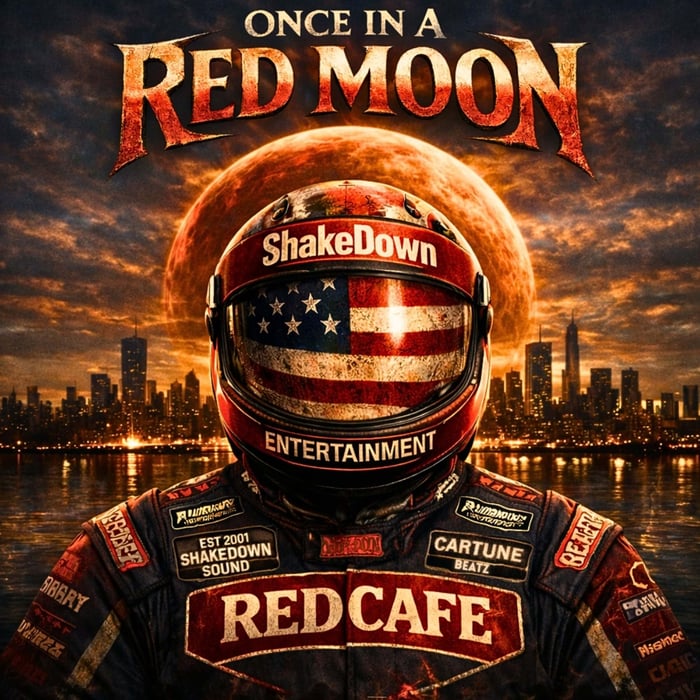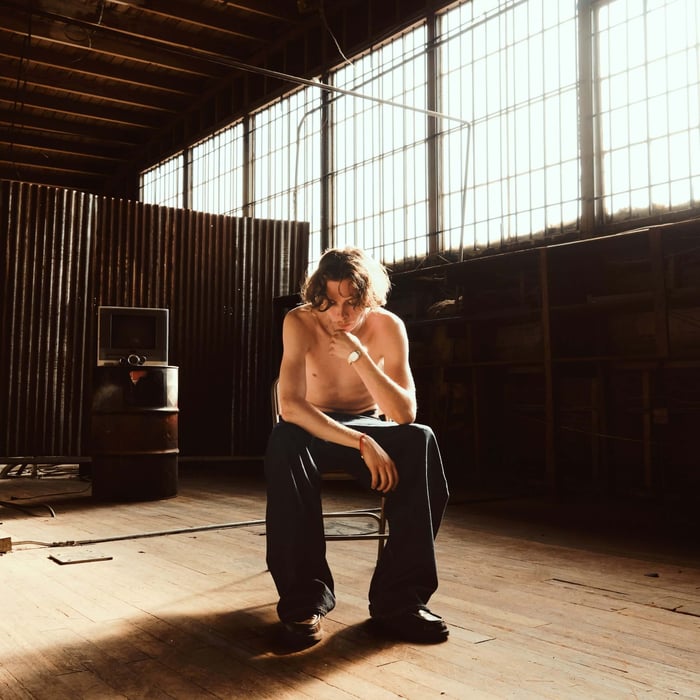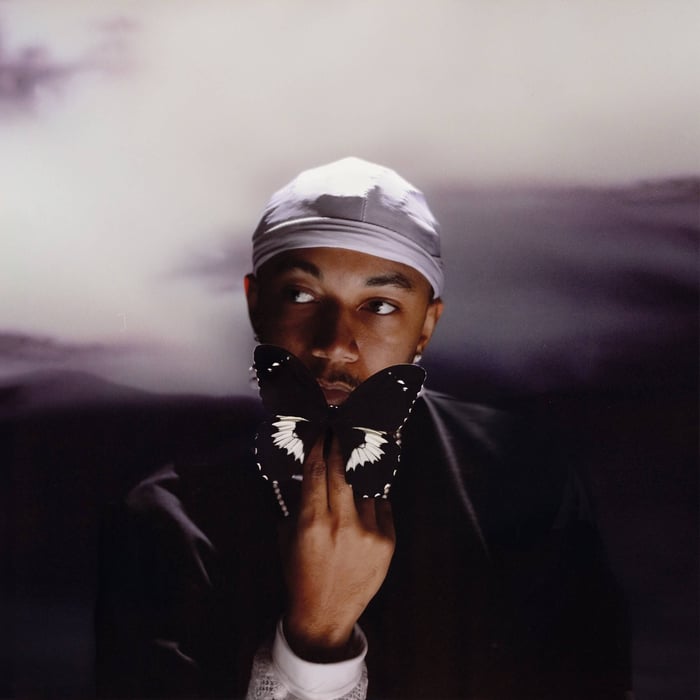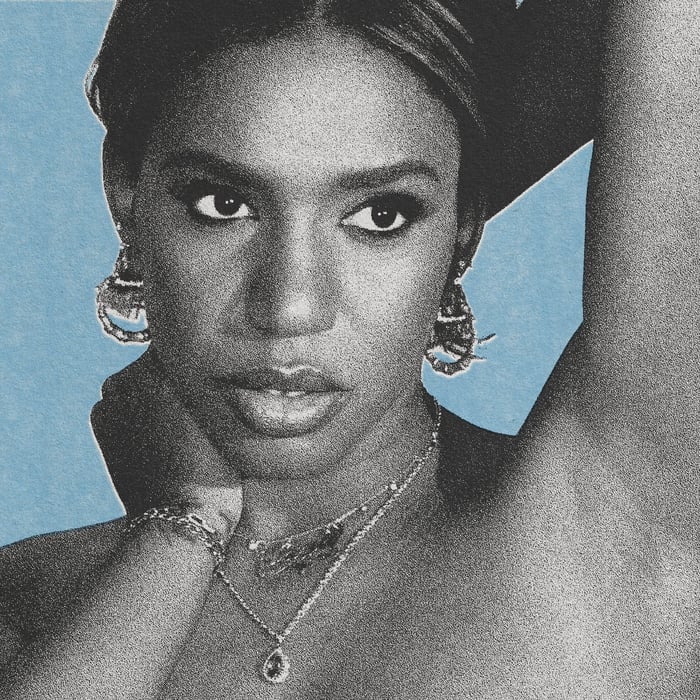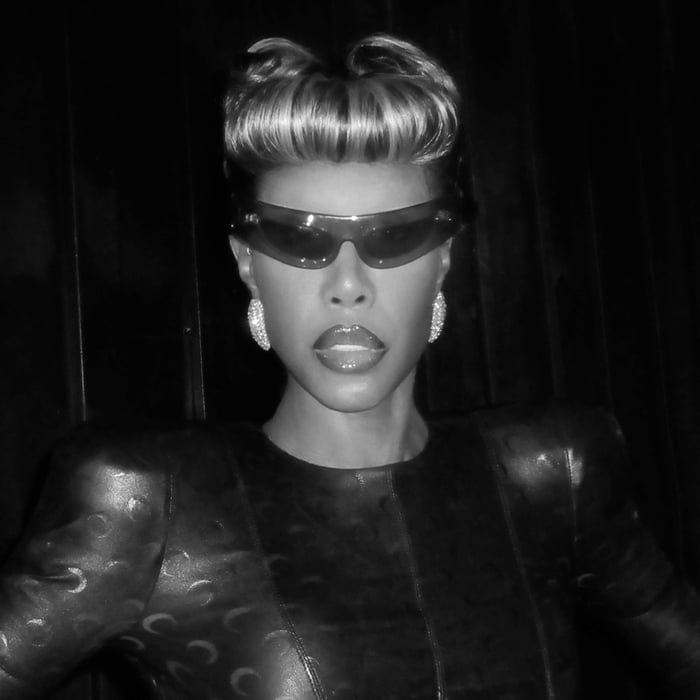
The Nightlife Album Review: Honey Dijon Throws a Party, Not a Hug


 See more Architeg Prints stories on Google.
Album Review: The Nightlife by Honey Dijon
A guest-filled, boundary-pushing house album that refuses to sugarcoat heartbreak and embraces the dance floor as a place of both community and confrontation.
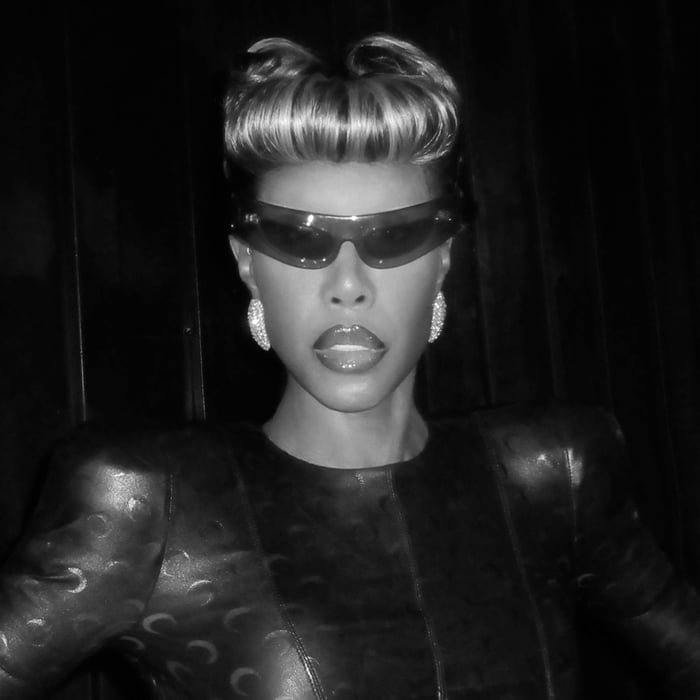
A club record that’s allergic to the spotlight
House music has always been a “who grabbed the mic first” kind of culture. The old rooms—The Warehouse on West Jefferson, the Paradise Garage energy a state over—ran on voices, not branding. The diva-over-four-on-the-floor thing didn’t need a press release back then, and honestly it still doesn’t.
That’s why The Nightlife feels pointed: Honey Dijon (Honey Redmond in the credits of my brain) doesn’t try to “sing” her legacy into existence. She builds it. Every lead vocal is handed to a guest, and she stays behind the boards like a veteran DJ who knows the real flex is who picks up the phone when you call. You can hear the Rolodex turning. You can also hear the intent: this album wants to prove house is a community practice, not a personality contest.
Arguable? Sure. Someone could say it’s just collaboration-as-usual. But the way the record keeps pushing Dijon out of the center feels like a decision, not a default.
“Just Friends” is what happens when a dance song actually finishes its sentence
The third track, “Just Friends,” is where the album stops flirting and starts talking plainly. Adi Oasis opens with the kind of line most dance music avoids because it ruins the fantasy: “Your love, it won’t save me.” Danielle Ponder slides in with that smoky alto and makes the second verse feel heavier—like the same thought, but after you’ve slept on it and decided you still mean it. Then Suni MF shows up to rap the bridge and lands the petty truth with a shrug: “You’ve been friend-zoned, had to put you to the back.”
Here’s the thing: “Just Friends” is the clearest writing Dijon’s assembled across three albums. Euphoric disco-house on top, deep-soul ache underneath, and the whole song is a kiss-off with an actual spine. Most dance tracks don’t “say” much because they don’t need to. This one insists anyway.
And yes, it’s catchy—but the catchiness isn’t the point. The point is that the song refuses to pretend heartbreak is romantic. That’s a bold move in a genre that usually sells longing like it’s champagne.
When Jacob Lusk hushes the room, Dijon lets the kick drum testify
Later, Jacob Lusk does something that changes the posture of the entire album: he hushes the party instead of feeding it. He starts with a spoken passage—“Black is adjective, adverb, color and noun”—and then he drags a four-centuries-old grievance into the middle of a club track. It’s not subtle, and it’s not supposed to be.
“You brought me over here, motherfucker
I didn’t want to come here
To work me to fucking death
And then tell me I’m ungrateful
And I won’t be satisfied.”
What hit me is the production choice underneath: warehouse-grit kick, distorted vocal stabs, the track pointing right back toward that original Chicago DNA. Dijon doesn’t soften the moment into “message music.” She lets it sit in the same physical space as sweat and strobes. That’s the provocation: the club is not an escape from history—it’s where history keeps showing up.
I’ll admit I hesitated the first time through. Part of me wondered if dropping something this confrontational into a dance record risks snapping the flow in half. On second listen, though, the snap felt intentional—like the album wanted to interrupt my easy listening habits on purpose.
The middle of the album belongs to the body—and Bree Runway steals it
After that kind of weight, the album doesn’t drift into introspection. It goes straight back to the body like it’s making a point: you can be serious and still dance like your rent depends on it.
Bree Runway arrives early and raps like she’s daring you to blink:
“I got a bag that go with this bag
I got a walk that go with this ass
I got a whip that give you whiplash
Use every chance to get a bitch mad.”
She keeps the flex running for four minutes without letting it sag. “Slight Werk” is the cleanest rap performance on the record—bragging stacked over a kick drum and not much else. It reminds me of the sharpest Missy Elliott verses, that weapons-grade competence dressed up in party clothes.
Arguable take: I think “Slight Werk” works because it’s kind of bare. Someone else might want more synth fireworks, more obvious “drop” behavior. But the restraint makes Bree’s delivery feel like the main percussion instrument, and that’s the whole trick.
Small criticism, though: the minimalism flirts with feeling too safe. There were moments where I kept waiting for the track to get weird—some left turn, some grime in the gears—and it mostly stays clean. The confidence carries it, but it doesn’t surprise it.
Sweat, flirting, and the girl-group handoff that snaps like a rubber band
Then the album goes sensual in a way that feels lived-in, not perfume-ad sexy.
Greentea Peng spends “I Like It Hot” flirting with her own sweat over a hypnotic bassline. It’s not “romance,” it’s chemistry—more like the moment you realize the room is too warm and you don’t actually want it to cool down.
Later, Cor.Ece, Rush Davis, and Gavin Turek trade lines on “Okay Daddy” like a girl-group relay. The handoffs are the thrill. One voice sets the hook, another voice twists it, and the whole thing lands with that line that sounds like it was written with a smirk: “Make room for the sickest bitch on the avenue, rip the blade like boom.”
If you’re looking for softness here, you’re in the wrong aisle. The record keeps choosing attitude over affection, and I think that’s deliberate. This album treats confidence like the real dance-floor lubricant, not romance.
A rejection album in club lighting
Here’s the pattern that made itself obvious halfway through: nobody on this record falls in love. Not really. They flirt, they posture, they confess, they detach. But they don’t collapse into the usual dance-music happily-ever-after.
- Mette turns a dance-floor pickup into a clinical diagnosis on “International”: “This shit ain’t real, delusional.” And then she signs off at the outro with the final stamp: “I’m emotionally unavailable.”
- Mahalia holds a single line for basically the entire runtime of “Rush Me”: “Don’t rush me, take your time, we’re not in love.” It’s not even cruel—it’s boundary-setting with a nice melody.
- Rochelle Jordan plays both sides of a one-way crush on “Private Eye.” One voice swears devotion while the other answers from deeper in the same headphone: “That’s all in your head.”
Arguable statement: this is rarer on the dance floor than the genre pretends. People think club music is all lust and soulmates and sunrise kisses. The real club is full of people practicing distance. Dijon sounds like she knows that and decided to stop lying about it.
At first, I assumed this would make the album colder. Weirdly, it made it feel more human. The refusal to sell romance starts reading like honesty instead of cynicism.
Where the album turns inward: Madison McFerrin and Dave Giles II
When The Nightlife finally gets private, it does it without changing costumes. It just dims the lights and lets the lyrics get uncomfortably specific.
Madison McFerrin opens “Smoke and Mirrors” over piano with a question that feels like it’s aimed at the listener, not some fictional lover: “Do you remember who you were before you were told who you should be?” By verse two, she offers a partial answer—“It might be smoke and mirrors but it’s all me.” You can hear Bobby McFerrin’s timbre in her phrasing, not as a gimmick but as inheritance.
And I don’t think Dijon has ever produced a song that feels this private. The piano isn’t there to make it “serious.” It’s there because the track wants you to stop moving for a second and actually listen to a sentence.
Then “Welcome to the Moon” reaches somewhere stranger: six minutes of space-age house that gets split open—twice—by Dave Giles II narrating his arrival on a planet that might also be a club. “I’m feeling over myself in this foreign land,” he says, and later: “I now realize I feed off of you.”
I’m not 100% sure what “Welcome to the Moon” is literally trying to be—sci-fi metaphor, dissociation, a diary entry written under lasers. But I’m sure about what it feels like: that moment in the night when the room turns alien because you suddenly remember you’re a person with a life outside this bassline.
And that’s where Dijon’s Chicago history breathes closest to the surface—those clubs as shelter, not trend. The track doesn’t explain that with a speech. It just lets the feeling leak through.
2026 Dijon: history on her shoulders, but she refuses to lecture
Dijon sits in an odd place in 2026. There’s a small, growing roster of Black queer DJs enjoying commercial daylight that wasn’t available a few years ago—and she’s been in those rooms two decades longer than most of them. DJ Minx is back on the circuit. Moodymann still headlines. Jayda G and Peggy Gou are in rotation. Kaytranada touches house when he feels like it. Meanwhile, Dijon’s been in the rooms for three decades and spent nearly ten soundtracking Dior Men runways.
So yeah, the labor of pulling this music’s history back toward its founders lands on her more than most of her generation. And that labor isn’t nothing.
But The Nightlife doesn’t feel like it was made to argue any of this directly. It doesn’t come off like a manifesto. The argument is simpler, and maybe sharper: look who showed up when she called. That’s not just networking—it’s a map of respect.
I thought I was getting an “important” album. What surprised me is how often it chooses to be fun anyway, like it refuses to let responsibility cancel pleasure. That contradiction is basically the whole nightlife.
Conclusion: the party is real, the boundaries are realer
The Nightlife uses the classic house tradition—guest voices, big feelings, physical grooves—but flips the emotional default. Instead of selling love as the endpoint, it sells self-possession as the payoff. Even when it gets heavy, it doesn’t stop being a club record. It just stops pretending the club is a fairy tale.
Our verdict: People who like dance music with spine—where the vocalists sound like adults making decisions—will eat this up. If you need your house music to spoon you, whisper sweet nothings, and promise eternal romance by the third chorus, this album is going to feel like getting politely escorted out.
FAQ
- Is The Nightlife a Honey Dijon solo-vocal album?
No. The lead vocals go to guests throughout, while Dijon anchors the whole thing from behind the boards. - What’s the standout track if I only play one song first?
“Just Friends.” It’s sharp, memorable, and actually says what it means without hiding behind vibes. - Does the album stay upbeat the whole time?
It stays danceable, but not emotionally sugary—there are spoken passages and inward tracks that dim the lights. - Is it more about romance or independence?
Independence. The recurring theme is rejection, emotional boundaries, and not mistaking desire for commitment. - Who are the key guest moments that shape the album’s feel?
Bree Runway brings the cleanest rap flex (“Slight Werk”), Jacob Lusk shifts the room with spoken fire, and Madison McFerrin plus Dave Giles II handle the most inward turns.
If this album put an image in your head—a kick drum under neon, a voice drawing a hard line—you can hang that feeling on your wall. Shop your favorite album cover poster at our store: https://www.architeg-prints.com
 | DISCOUNTGET 30% OFF*Use code on your next order:
|
* This post may contain affiliate links, meaning we earn a commission if you make a purchase through these links, at no additional cost to you.