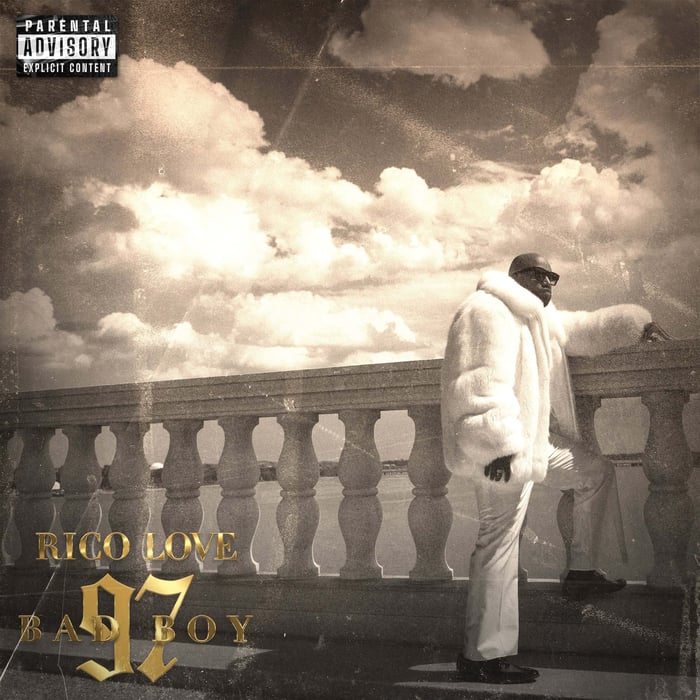
97 Bad Boy Review: Rico Love’s “Writer Steps Out” Flex Is Kinda Wild


 See more Architeg Prints stories on Google.
97 Bad Boy Review: Rico Love’s “Writer Steps Out” Flex Is Kinda Wild
97 Bad Boy turns Rico Love from behind-the-scenes hitmaker into the main character—and he spends the whole album daring you to call it romantic.
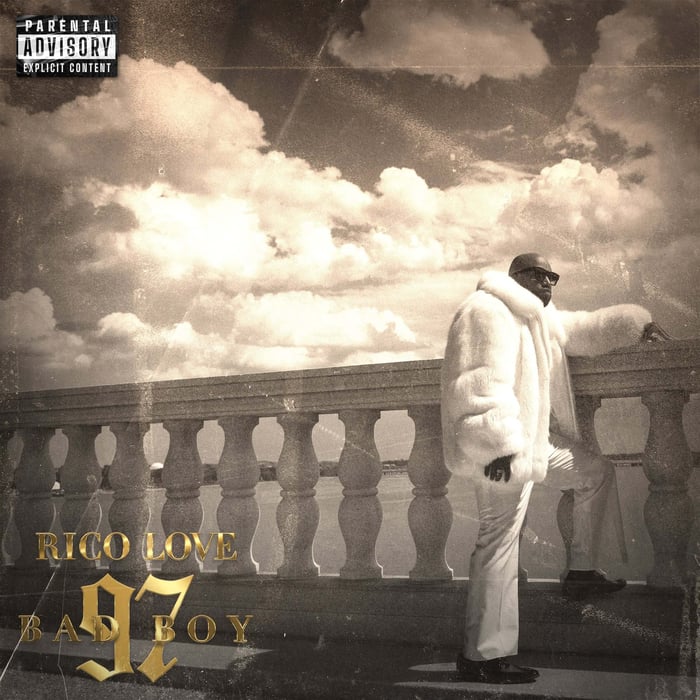
A writer finally grabs the mic—and refuses to share it
There’s a special kind of confidence required to stop being the guy who hands other people hits and start insisting you’re the voice I should be staring at. 97 Bad Boy feels exactly like that pivot: not an introduction, not an apology, not a “thanks for waiting.” It’s Rico Love walking out from the credits and acting like the spotlight was always his property.
And the album makes one decision that tells you everything: this is basically a solo lock-in. No parade of features. No big-name distractions. Just one supporting guest used more like a texture than a scene-stealer. That’s not an accident; it’s a control move. A reasonable listener could argue it makes the record feel narrow. I’d argue that’s the point—Rico isn’t building a universe here, he’s building a room and shutting the door.
Before the first track is done, the album’s obsession becomes obvious: wanting a woman, needing her to stay, and treating that need like a moral argument he plans to win by repetition.
“Not Again” opens with a crisis, not a vibe
The opener, “Not Again,” is where Rico actually sounds most alive—because he remembers he can rap, not just croon. It drops you mid-argument with himself, and it’s not the neat, inspirational kind either. He’s weighing whether his craving is love or just a different drug, and he doesn’t resolve it; he just keeps talking like momentum is the solution.
The details come fast and a little brutal. There’s a woman who’s three months pregnant. He believed her when she said she couldn’t get pregnant, and now he’s stuck doing that specific mental math: how do you explain another baby in a home that already has two? Two bars later, he compresses his whole arc—small-town cocaine dealer to money made through writing for bigger voices—like he’s speed-running his own origin story because he’s tired of being reduced to “the guy behind that song.”
Then he lands a line that’s ridiculous and sharp enough to work: heartbreak compared to an UNO hand—“draw four,” red, reverse—like emotional damage is just another rule set he learned too well. Some people will hate that kind of bar. I get it. But it also signals the mindset of the album: romance as a game you can strategize, even when you’re losing.
And when his mother shows up with the warning—avoid lust or you’ll ruin yourself—it doesn’t land as a revelation. It lands like something he already knows and plans to ignore. That’s the first real thesis statement: awareness without correction.
Q Parker shows up to say the quiet part out loud
The one recurring outside presence here is Q Parker, and his value is weirdly specific: he sounds unburdened. Rico, for most of the album, implies things and circles them. Q just states them clean.
On a hook, he admits something Rico keeps dressing up with “connection” language:
I just hate being alone, and I still call people, to just go ahead and break their hearts.That’s colder than anything Rico says directly, and because it’s sung smoothly, it slides right into the “slow jam” tradition like it belongs there. A listener could argue Q’s honesty makes Rico look worse. I think it’s the opposite: it makes the album honest by force.
That dynamic matters on “Tell ’Em.” Rico isn’t asking. He’s instructing:
tell them who you belong to.And he frames it like certainty, not control—like he just needs the words spoken aloud to make the bond real. If you’ve ever watched someone confuse reassurance with ownership, this song is going to feel uncomfortably familiar.
It gets more domestic, too: he’s brought her home, introduced her to his parents, and now his child is starting to call her “Mommy.” That should soften the possessiveness, right? It doesn’t. It sharpens it—because now the relationship is an ecosystem, and Rico treats her as the keystone whether she asked for that job or not.
Later, he compares her to his rib and starts pleading for forgiveness, which would be tender… if it didn’t feel like he’s pleading for access more than peace.
Jealousy shows up early and never really leaves
If “Nobody Else” had been track ten instead of arriving with this kind of urgency, it might’ve felt like a spiral. But Rico starts jealous. He’s already mad before he even asks where she went. That choice is telling: the album doesn’t portray jealousy as a late-stage problem; it treats it like baseline atmosphere.
He even acknowledges he knows not to be toxic—then immediately keeps being toxic, like naming the issue counts as working on it. That’s one of the record’s weird tricks: it turns bad behavior into a love-song ingredient, making it both part of the romance and separate from it, like a side dish you didn’t order but still have to eat.
By the second verse, the “love” turns into a damage policy. He’ll pay her rent. He’ll pay for any damages. But if he thinks someone else got in? He’s tearing the place apart. Q Parker co-sings the hook here, and it’s almost sneaky how the threat gets wrapped in that warm, classic group-harmony feel. Some listeners will call that seductive. I’m not sure. It feels more like the song is trying to perfume a warning label.
The sound lives in one dim room on purpose
Here’s the sonic truth: this whole album stays in the same low-lit space. Fat low end. Measured drums. Vocals up close like he’s leaning over your shoulder. The beats don’t chase big scenery changes; they pace around the room like they own it.
At first, I thought that sameness was going to flatten the record. On second listen, it started to feel like a deliberate constraint—like Rico wants you trapped in the same emotional lighting where possessiveness looks like devotion.
Still, I can’t pretend it never blurs. A few tracks blend together if you’re half-listening, and that’s a self-inflicted problem.
What separates songs isn’t a dramatic switch-up. It’s one question: how hard does the groove hit?
- “Be Quiet” is tighter and punchier than the nearby slow-burners, which fits the song’s whole thing—sexual caution framed as bedroom strategy. It’s not romance; it’s hush-money energy.
- “Body Kisses” stays in a perfectly steady pocket, almost stubbornly unchanged. It’s the most relaxed track here, and it’s basically about touch, period. No plot, no lesson—just physical language.
- “I Know” moves more underneath, just enough to avoid sliding into easy ballad territory. It’s like Rico adding motion so the song doesn’t get sentimental by accident.
- “Take It Away” sinks back into the haze, with Rico complaining about sex as deprivation—like not getting it is a literal loss he can feel in his body. The twitchy frustration is the point.
A reasonable person could say the album’s “dim room” production is safe. I’d argue it’s a power play: Rico wants you trapped in the same emotional lighting where possessiveness looks like devotion.
“80 Thousand” is the money track—and it’s not polite
Then there’s “80 Thousand,” the obvious flex record—the Patek moment in the low light. Rico’s unapologetic here, and it’s the one time he really drops the gentleman mask. Suddenly the talk gets cruder: women’s “worth,” gun talk, sexual boasting. It’s the only song that doesn’t feel designed to ease someone into bed with subtlety.
It’s more like:
Patek and a strap—pick your comfort item.
This is where I hesitated, honestly. Part of me wondered if the track was intentionally ugly—like he wanted one song that shows the raw underside of the fantasy. But even if that’s true, it still drags a bit of grime across the album’s otherwise controlled intimacy. Mild criticism: it’s the moment where his confidence stops sounding like charisma and starts sounding like he’s trying to scare the room into agreeing with him.
The album keeps trying to resurrect slow jams like it’s a mission
“Up In This Room” teases the idea of “outside”—the club, the party, the broader world—and then refuses to open the door. The party’s over, the clothes are off, and the only setting that matters is the private aftermath.
Somewhere mid-album, Rico finally says the quiet mission statement out loud:
somebody has to start singing love songs again.And that line matters because it reframes everything you’ve been hearing. He’s not just making R&B; he’s trying to recover an old mode of slow jam—those ancient, patient songs built for spending real time, not just flirting in 15 seconds.
That also explains the Q Parker connection. Pulling in a co-founder of 112 isn’t random—it’s a specific kind of heritage signal, a way to call back to a brand of Bad Boy-era smoothness this album keeps trying to reclaim. The vibe is classic without being nostalgic cosplay.
By the time the second verse kicks in on “Up In This Room,” Rico is practically directing a scene: stuffed dance floor, telling the DJ to put on a slow jam, easing into a woman, promising her an evening she “can’t comprehend.” It’s dramatic in that very R&B way where the stakes are absurdly high for something that is, technically, just dancing.
And yes—I clocked the contradiction. He’s preaching “love songs” while spending half the runtime negotiating possession, jealousy, and anxiety. That might bother you. To me, it’s the album’s real honesty: this is what his love songs are made of.
Where the album actually lands (and where it doesn’t)
By the end, 97 Bad Boy doesn’t feel like an artist trying to “introduce himself.” It feels like a writer who’s tired of being useful and wants to be central—even if what he’s central about is messy.
The record works best when:
- Rico lets his rap instincts tighten the storytelling (“Not Again”)
- the groove stays subtle but alive (“I Know”)
- the intimacy feels specific, not generic (“Mine Too” lands in that sweet spot)
It loses me when the possessiveness stops being a confession and starts being a demand. Not because I need my R&B pure—I don’t—but because the album sometimes acts like intensity automatically equals depth. It doesn’t. Sometimes it’s just volume, even when it’s whispered.
Rico Love’s 97 Bad Boy is a controlled, low-lit exercise in wanting, keeping, and rationalizing—less “here’s love” and more “here’s what I call love when I’m scared.” It’s compelling when he’s honest about the fear, and weaker when he tries to dress the fear up as entitlement.
Our verdict: People who like R&B that feels like a private argument you weren’t supposed to hear will eat this up. If you want big features, bright hooks, or a narrator who learns a lesson by track twelve, you’re going to get impatient and start checking your phone.
FAQ
- Is “97 Bad Boy” more singing or rapping?
Mostly singing with rap popping up when Rico wants to compress a whole life into a few bars—especially on “Not Again.” - Does the album have lots of guest features?
No. It keeps the focus tight, with one key supporting voice used to deepen the sound rather than dominate verses. - What’s the album’s main mood?
Low-light intimacy: heavy bass, restrained drums, and close vocals that feel like they’re aimed at one person, not a crowd. - Which tracks stand out most?
“Not Again,” “Mine Too,” and “I Know” are the ones that stick because the writing and groove feel the most purposeful. - Is it actually romantic or more possessive?
Both, and that tension is the point. The album keeps trying to sell possession as certainty—some listeners will buy it, others won’t.
If this whole “dim-room slow jam” world is your thing, you might want to hang it on your wall, too. Shop your favorite album cover poster at our store: https://www.architeg-prints.com
 | DISCOUNTGET 30% OFF*Use code on your next order:
|
* This post may contain affiliate links, meaning we earn a commission if you make a purchase through these links, at no additional cost to you.