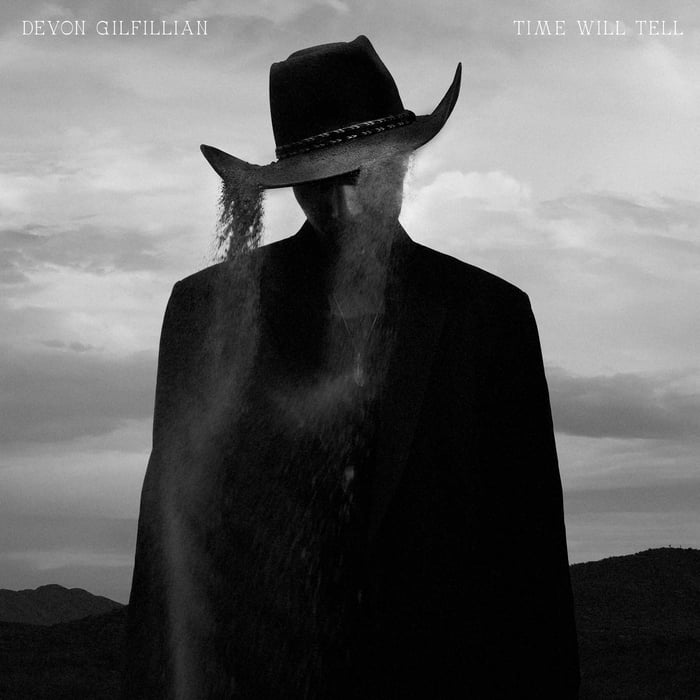
Time Will Tell Review: Devon Gilfillian’s Breakup Tape Wins by Refusing to “Fix” It


 See more Architeg Prints stories on Google.
Time Will Tell Review: Devon Gilfillian’s Breakup Tape Wins by Refusing to “Fix” It
Devon Gilfillian’s Time Will Tell bets that one-take performances beat studio polish—until the cracks start sounding like the whole point.
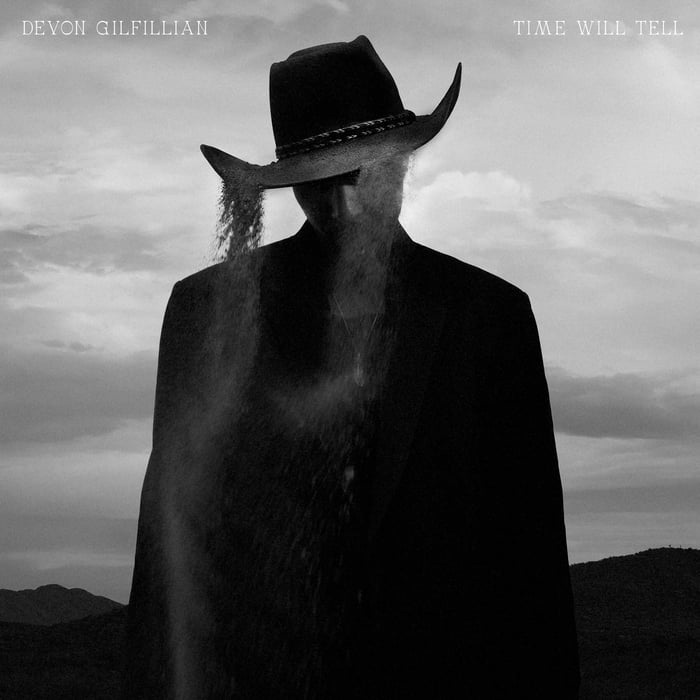
Courtesy of Fantasy Records.
This album isn’t chasing perfection—it's chasing presence
The first thing Time Will Tell makes clear is that Devon Gilfillian doesn’t want the safety net. This is a “get in the room and let it happen” kind of record—a breakup album that sounds like it was recorded with the logic that if you can’t say it in a take, maybe you don’t mean it yet. And yeah, that’s a gamble. But it’s also the thesis.
I hear a musician basically arguing—without giving a lecture—that a singer and a band breathing the same air will always beat whatever a console can “add later.” It’s a stubborn, almost romantic stance in 2026: the idea that the moment is smarter than the edit. And the word that keeps returning, the one he worries like a loose tooth, is the core keyword for the whole thing: Time Will Tell.
Time is the villain in these songs, but it’s also the only tool left in the drawer. He’s calling it the thing that corrodes a relationship, then turning around and begging it to repair the damage. That contradiction isn’t a mistake—it’s the engine.
“Time” turns two words—time and tears—into a whole worldview
The track “Time” doesn’t dress its message up. The chorus gets pared down until it’s basically time + tears, like he’s trying to reduce heartbreak to elements on a periodic table.
“All we have is time to heal it,”
then immediately admits the cost:
“I don’t wanna cry / But I gotta cry to feel it.”
The point isn’t poetry. The point is permission. This is a guy talking himself into feeling something he’s been dodging. Nothing stands between him and the emotion—no metaphor shield, no clever wording, no “character.” It’s direct to the point where you can almost hear him deciding to stop pretending.
And here’s my first moment of uncertainty: I couldn’t tell at first if that simplicity was bravery or just a lack of imagination. On second listen, it started sounding more like a choice—like he’s stripping the language down so the performance has nowhere to hide. Reasonable people can disagree, but I think the bluntness is the hook.
“IRL” is him choosing a body over a screen (and speed over meaning)
From there, “IRL” slides in like a rebuttal to modern romance. It’s not subtle: in-person replaces screen, slow replaces fast. The line “I want something good, not something fast” is so basic it almost dares you to roll your eyes. But the music refuses to be passive about it.
The boom-bap feel keeps him pinned to the rhythm like it’s a coping mechanism—like if he stays locked in, he won’t spiral. Then the organ lines show up and add hips to the whole thing, giving the track this physical sway that matches the lyrical demand: real life, real body, real time.
Arguable claim: the groove is doing more emotional labor than the words here, and I think that’s intentional. He’s not trying to write a thesis about “authentic connection.” He’s trying to make your shoulders loosen so the message can slip in.
“Moonflower” finally lets the music swell instead of stomp
“Moonflower” is where he starts reaching outward—where desire stops being a straightforward request and becomes this frustrated cosmic envy. He stacks images that scream “out of reach”: “An ocean in a vase, a black hole deep in space,” “A lesson I can’t learn, a page that just won’t turn.” It’s him admitting he can name the problem but can’t command it.
Then he drops the line that basically tells you what kind of longing this is:
“I’m jealous of the moon that gets to shine on you.” That’s not jealousy in the petty sense; it’s jealousy in the I want proximity I can’t earn sense. His melody stays languid, and there’s this soft bottom note underneath that makes his sigh feel heavy instead of pretty.
Also—finally—the music swells. Most of the record moves with a kind of grounded stomp or locked-in pocket. Here, it lifts. And that lift gives the wanting an obstacle to push against. Without that, longing just becomes whining. “Moonflower” avoids that trap by making the distance audible.
Arguable claim: this is one of the only moments on the album where the arrangement openly “romanticizes” the feeling, and it works because it’s rare.
“Hold On (Hourglass)” turns the breakup into a ticking mechanism
The same tension—wanting something you might need to release—shows up in “Hold On (Hourglass).” The question at the center is brutally specific:
“Am I holding on just to let you go?” That’s not a lyric you write if you’re still pretending you’re fine.
It’s country-tinged, hiccuping soul, with the hourglass image doing quiet work in the background: the sand keeps pouring whether you’re ready or not. The track doesn’t rush to resolve the question, which is the whole point. A clean answer would be dishonest. Breakups rarely give you closure; they give you time and bad habits.
Arguable claim: the “country-soul” flavor here isn’t genre tourism—it’s a way of making the indecision feel like something older than him, like a standard human problem with fresh bruises.
“Black Dog Rabbit Hole” is the loudest moment—and it’s not for decoration
When “Black Dog Rabbit Hole” hits, the album stops being politely wounded and starts grinding its teeth. The guitars are cranked, the drums hit heavy, and there’s a solo that shreds the middle like it’s trying to tear a hole in the room. Gilfillian moves from a wispy falsetto to a bellow, and that jump matters: it’s the sound of someone losing control of their own narrative.
This is as loud as the band ever gets, and the noise doesn’t feel like extra seasoning. It feels like the surface gets harder so the surrender can land. He sings lines like
“Here I surrender, give in to the bad weather,”
“I don’t wanna, I don’t wanna, but I’m gonna give in,”
and the hook answers the spiral with the payoff:
“’Cause baby it feels so good.”
That’s the uncomfortable truth the song refuses to moralize: sometimes the thing that’s bad for you is also the thing that feels like relief.
Then he gets even more specific with consequence:
“If we come up too fast, baby, I’ma get the bends.” That’s a wild image because it frames the relationship like deep water—like he’s already adapted to pressure and doesn’t know how to return to normal air.
I’ll own a revised first impression here: I initially heard this track as him trying to “rock out” for variety. Later it sounded more like the emotional center—where the album admits the breakup isn’t just sad, it’s addictive.
Arguable claim: this is the track where Gilfillian is most honest about his own complicity, and that’s why it’s so satisfying.
“Let’s Stop Fucking Around” builds the band, not the request
The same insistent force points toward clarity on “Let’s Stop Fucking Around.” Avoidance finally slides off the table:
“Wanna quit chasing / Wanna stop playing games,”
and he cuts to the blunt conclusion:
“Nothing like this I found, so let’s stop fucking around.”
The band builds, rising like it’s about to explode into a big cinematic plea. But the request doesn’t inflate with it—he keeps the demand almost stubbornly the same size. That mismatch is interesting. It’s like the band is dramatizing what he refuses to dramatize. He’s not performing desperation; he’s performing decision.
Mild criticism, though: the title promises more danger than the arrangement actually delivers. It’s not toothless, but it’s steadier than the phrase suggests. I kept waiting for the track to get messier, to risk an uglier take, and it mostly stays controlled.
Arguable claim: the restraint is either maturity or a missed opportunity, depending on how much chaos you wanted from this moment.
“Glad To Be Here” makes gratitude carry the same weight as grief
Then the scene changes: out among horses and cicadas, “Glad To Be Here” slows everything down. It’s country-soul and unhurried, even in the vocal.
“The breeze on my cheek tells me I’m still alive” lands like someone noticing their own body again after months of living in their head.
The closer ends on a spoken exchange that doesn’t dip into confession. It’s not the usual “here’s my deepest secret” voicemail-style ending. It’s almost stubbornly steady:
“Where are you right now?... Just got done feeding the horses... just wanna say I’m glad to be alive, man.”
And I don’t hear this as a cute pastoral break. I hear it as the other side of the breakup: the part where you don’t get your relationship back, but you get your senses back. These thank-you songs aren’t respite. They weigh as much as the heartbreak tracks because they’re about survival, not celebration.
Arguable claim: the album’s emotional peak isn’t the loud pain—it’s this quiet insistence on being alive without making a big speech about it.
“Some Days” tells the truth without polishing it
“Some Days” keeps that plainspoken approach, but it’s heavier. There’s a worn, weighty feeling in the delivery, like his body is humming under his feet. The wind gets a warning:
“It can lift you up or send you to your knees.” That’s a line that sounds like it came from experience, not brainstorming.
Then he lays it out:
“Some days I feel like I’m a shell of a man,” sung over a grounding low end that refuses to let the song float away. No metaphor maze. No inspirational coating. Just a blunt inventory of what the week feels like.
Arguable claim: this track is more effective than the “big feelings” songs because it doesn’t try to prove anything—it just reports from inside the slump.
“Keep On Movin’” and “Shines In You” are where the album briefly thins out
Not every moment hits with the same weight, and honestly, that’s part of why the strong tracks stand out.
“Keep On Movin’” runs through working all day, running, hustling for cash—most of the verse is basically the grind. Then the hook offers:
“We gonna keep on movin’, gonna get it done for you.” The funk is doing the heavy lifting, pulling the track forward, but there’s almost nothing under it emotionally compared to the rest of the record. It feels like motion for the sake of motion.
“Shines In You” leans into affirmation—“I just wanna live all the love that shines in you.” It’s pretty and slightly weightless, buoyed more by the rhythm section than the words. That can be fine, but here it lands like a breather that doesn’t quite earn its space.
Arguable claim: these two tracks feel like the album momentarily forgetting its own premise—being unsparing—and choosing vibes instead of stakes.
“You Can Hate Me Now” becomes a duet so the apology has somewhere to land
Then “You Can Hate Me Now” pulls the focus back in, and the key decision is obvious: Madeline Edwards claims half the song. That choice changes everything. A solitary apology can feel performative, like you’re confessing into a mirror. Turning it into a duet makes it a negotiation. Now the words have a body to hit. Now “sorry” has consequences.
Each vocal trades
“You can hate me now / That’s alright, that’s okay,”
and the arrangement is softer and steadier than the title implies—low and breathy where it could’ve blasted. That restraint makes the apology feel less like self-punishment and more like making room for someone else’s anger.
Eventually he reaches the small kindness he’s been circling all album:
“I see through the haze / More lighter days / Room for some grace.” Because Edwards matches his phrases exactly, the goodbye feels jointly made instead of inflicted. That’s a subtle but massive difference. It turns the ending into something constructed together—even if it still hurts.
Arguable claim: this duet is the album’s smartest “production” move, because it’s not about sound—it’s about accountability.
Where I land: what this record is really betting
The hidden bet of Time Will Tell is that you’ll accept a lack of surprise if the emotional posture is honest enough. A few songs flirt with being too slight, sure. But when the album locks in—“Moonflower,” “Black Dog Rabbit Hole,” “You Can Hate Me Now”—it proves what Gilfillian seems to believe: that a single take can carry more truth than a thousand little fixes.
Standout tracks
- “Moonflower”
- “Black Dog Rabbit Hole”
- “You Can Hate Me Now”
Conclusion
Time Will Tell doesn’t try to outsmart heartbreak; it tries to sit in the room with it until it stops lying. The best moments feel like a band choosing pressure over polish, and a singer choosing plain language over clever cover. Even when a couple tracks go a bit lightweight, the album’s central move—trusting time as both the problem and the only possible cure—keeps tightening the story around your chest.
Our verdict: People who like breakup albums that sound human-sized—voice, band, air in the room—will actually love this. If you need every track to come with big twists, glossy hooks, or lyrical gymnastics, you’re going to get impatient and start checking your phone “IRL.”
FAQ
- Is Time Will Tell heavily produced or more live-sounding?
It leans hard into a live-to-tape feel—like the room and the take matter more than studio perfection. - What’s the emotional center of Time Will Tell?
“Black Dog Rabbit Hole” feels like the moment where the album admits the pain isn’t just sadness—it’s temptation. - Does the album ever get hopeful without sounding corny?
“Glad To Be Here” does it by staying quiet and physical—breeze, horses, cicadas—gratitude without a speech. - Are there any tracks that feel lighter than the rest?
“Keep On Movin’” and “Shines In You” ride groove and affirmation, but they don’t cut as deep as the breakup core. - What’s the value of the duet on “You Can Hate Me Now”?
It turns an apology into a real exchange—someone’s actually there to receive it, not just the air.
If this album puts you in a mood and you want something tangible from it, a favorite album-cover poster is a pretty good way to keep that feeling on the wall instead of stuck in your playlist. You can browse options at our store: https://www.architeg-prints.com/
 | DISCOUNTGET 30% OFF*Use code on your next order:
|
* This post may contain affiliate links, meaning we earn a commission if you make a purchase through these links, at no additional cost to you.