O.Y.N Review: Maxo Kream Ages in Street Rap Without “Growing Up”


 See more Architeg Prints stories on Google.
O.Y.N Review: Maxo Kream Ages in Street Rap Without “Growing Up”
An O.Y.N review of Maxo Kream’s blunt middle-ground: still reckless, suddenly reflective, and annoyingly honest about what age does to a rap life.
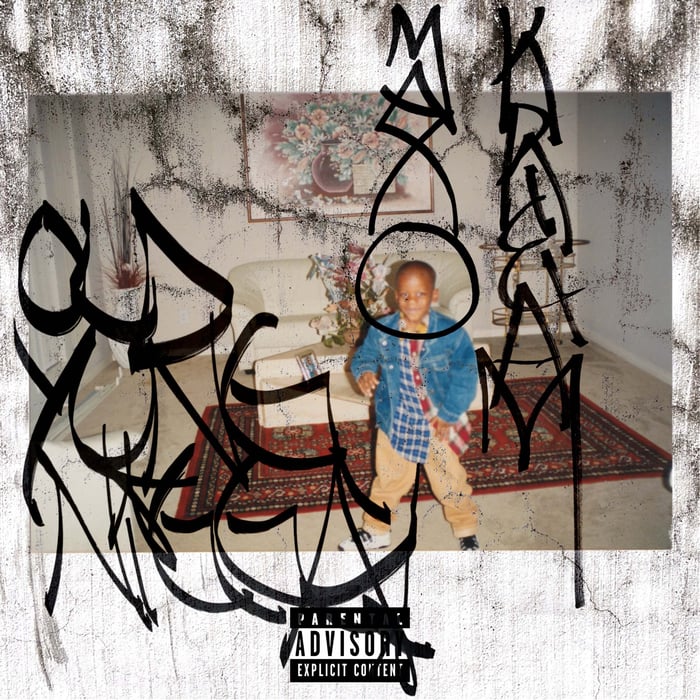
Aging in street rap usually looks embarrassing
Street rap doesn’t leave much room for a man to get older without turning into a lecture or a parody. You either become the “wise OG” handing out speeches, or you pretend you’re still 22 and hope nobody notices your knees. Listening to O.Y.N, I get the feeling Maxo Kream knows both traps—and spends the whole album trying to slip between them like he’s escaping a fence.
That’s the quiet tension here: he wants to keep the same impulses that made him dangerous when he was younger, but he also wants credit for surviving long enough to see what those impulses actually cost. And he doesn’t dress that up as “maturity.” He frames it as a nickname: O.Y.N—short for Old Yung Nigga—a title that basically admits, “I’m older now, but don’t expect me to act civilized.”
One producer, one lane—and it’s tighter than it sounds
Right away, the biggest creative decision is also the simplest: Maxo only locks in with JPEGMAFIA as producer. That can go two ways. It can sound boxed-in, like an artist doing a “concept album” to prove discipline. Or it can sound like a pressure cooker.
Here it’s the pressure cooker. The beats don’t coddle him. They don’t give him the usual luxurious street-rap padding either. Instead, they feel like they’re designed to keep Maxo alert—like the production is constantly tapping him on the shoulder saying, Don’t drift into autopilot. A reasonable listener could argue Maxo sounds a little too comfortable on some of these pockets anyway, but I think the point is the opposite: he’s trying to rap like experience is a weapon, not a retirement plan.
And yes, I’m not totally sure the one-producer idea is “necessary”… but it does force the album to behave like a single argument instead of a playlist.
“30 N Dirty” opens with bravado that’s basically a stance
The posture shows up immediately. Maxo drops that line—“Old enough to be yo Unc”—and he doesn’t mean “unc” like family cookouts and advice. He means it like an instructor. The vibe is: I’m not raising you, I’m qualifying you.
On “30 N Dirty,” the target isn’t some teenager. It’s a contemporary—another grown man still stuck in the same corner logic. Maxo clowns him with this sharp, almost comedian timing:
“I’m a grown man, I ain’t kiddin with children.”Then he flips into threat-mode with that dentist bar—
“Keep running yo mouth like yo teeth got some tennis / Make me run in yo mouth send you back to the dentist”—and caps it with the most humiliating punchline possible: you’re too old for this, go get a job.
That’s the first real thesis of O.Y.N: Maxo isn’t romanticizing the hustle. He’s mocking what it looks like when the hustle fails to evolve. Some people will hear that as judgment. I hear it as fear—because he knows that could’ve been him.
“Fake Jeezy” is legacy cosplay… except Maxo means it
From there, “Fake Jeezy” works like a flashback and a test at the same time. It nods to mid-2000s Jeezy swagger, but it doesn’t feel like fan service. It feels like Maxo asking: Who gets to keep this energy without turning into a museum exhibit?
Denzel Curry shows up like one of the only rappers who can match that “cement your legacy while still swinging” attitude. And the pairing matters: it frames Maxo as someone who’s not trying to compete with younger rappers by dressing like them—he’s competing by refusing to soften.
I thought, on first listen, this would be a pure flex track—one of those obligatory “still got it” joints. On second listen, it sounds more like a warning shot: not aimed at the kids, but at the grown men still pretending they’re kids.
The title track turns the flex into something messier
The persona gets harder to pin down on “O.Y.N” the track, because the brag has to negotiate with something close to care.
Maxo raps about a woman his age and her son—his own ninth-grade son’s age—already drifting toward the street. The kid gets caught with a piece at home and nearly gets killed in the chaos of running from opps while his mom is working the clock. Maxo steps in with guidance, but he refuses the whole “surrogate father” fantasy. He’s not offering a warm blanket. He’s offering grim clarity from a man old enough to recognize how predictable this story is once it starts moving.
And then he says the only practical line a lot of rappers would avoid because it makes them look selfish:
“If I'm fuckin' on his mom, how this shit gone work?”The song never gives him a clean answer, because real life doesn’t.
He warns the kid in terms the kid might actually understand: put the product back, because the plug is gonna pull up and repossess the house if you don’t meet. He points out how being on the evening news would just multiply the damage already hanging over this family. He even drops the sharpest truth on the album:
“It takes a man to raise a man, it’s hard as a single mother.”
Then—almost immediately—he’s instructing the kid how to put a switch on a Glock.
That contradiction is the whole song. And honestly, it’s the whole album. You could argue Maxo should’ve picked a side there—mentor or menace—but I think he’s admitting he can’t. He’s not writing a morality play. He’s documenting how guidance and damage can come from the same mouth.
“Time Out” is where the album finally stops performing
When the performance quiets down, the emotions hit harder. “Time Out” is the clearest example. Maxo deals with his father’s death, travels to his family’s ancestral origins in Naija and Ghana, and then drops something that lands with a weird kind of everyday bleakness: he addresses the Adderall and Vyvanse in his routine like it’s just part of the maintenance plan.
He name-drops Amy Winehouse, which could’ve felt corny or random, but it actually fits the mood—self-medication as daily architecture. And then he draws a boundary around how you’re allowed to interpret him:
“Low vibrations in my thoughts, but never suicidal.”That’s not a cry for help. It’s a man annoyed that people confuse darkness with a death wish.
The line that sticks, though, is the one that sounds like the real reason he made this album at all:
“This street shit was inherited, can’t share it with no therapist.”That’s not bragging. That’s resignation. A listener could say it’s an excuse; I hear it as him admitting the emotional language he has access to is limited by what raised him.
The lil Jordan section makes the “grown man” theme unavoidable
Half of “Time Out” gets taken over by an interaction with his friend lil Jordan, speaking from a murder trial that ended in a 50-year sentence. What surprised me is how pragmatic and motivating the friend sounds—less dramatic, more focused, like someone who’s already accepted the shape of the cage and is trying to build routines inside it.
Maxo plays it like the conversation becomes fuel. And then he lets lil Jordan’s voice sit there, older-sounding, talking through visitation glass while appeals drag on. That small detail—his hand-drawn tear—hits harder than any “free my bro” slogan, because it’s so human it’s almost embarrassing to overhear.
If you don’t buy the idea that street rap can age, this is the part that argues back. Not with sermons—just with time passing in someone’s voice.
“6 Months Clean” counts sobriety like it’s a survival stat
“6 Months Clean” carries the same weight, but it’s colder. It’s sober-day counting, except each tally is shadowed by the kind of loss that makes “progress” feel like a joke.
Maxo sketches these lapses and tragedies with specific brutality: a partner choking to death on his own .45, a parent collapsing into deep melancholy because grief never left the house. This track doesn’t try to sound inspiring. It sounds like someone staring at a calendar while the past keeps knocking stuff off the wall.
A reasonable person could argue Maxo leans too hard on bleak imagery here, like he’s stacking trauma for impact. I didn’t feel manipulated, but I did catch myself thinking, Alright, I get it—let the song breathe. Still, the discomfort is kind of the point: recovery isn’t cinematic, it’s repetitive.
Not every flex lands—and that’s where the album wobbles
Maxo doesn’t stay in that raw pocket the whole time. On “This Shit Going On” and “How I’m Coming,” he dips into designer name-drops and brags about sex with multiple famous women. That section is where the album starts to blur a little. The flexes aren’t shocking; they’re just… monotonous. Like watching someone scroll their own highlight reel because silence feels worse.
That said, “How I’m Coming” still flashes real wit. He drops this line about being
“the last man to get it popped, then they took a L / Heard they wanted me caught, then they wanna make some dough.”That’s classic Maxo: turning street paranoia into a punchline without removing the threat.
And then there’s “Cum Over,” a late-night sex track with Isaiah Falls. I can see fans getting alienated here, because it’s a different kind of intimacy than the album’s heavier moments. I wasn’t convinced at first either—it felt like a detour. But he slides in that quick mention of turning thirty-five and being happy he’s alive, and suddenly the track reads less like a seduction and more like a man checking his pulse.
“How TF I’m Lucky” is Maxo snapping at the word “lucky”
The album’s spine, for me, is “How TF I’m Lucky.” The whole track feels like Maxo arguing with someone who called him “lucky” once—and he never got over it. Honestly, I don’t blame him. Calling survival “luck” is a neat way to erase the blood price.
So he catalogs what the word ignores: opening for K-Dot, dodging bullets outside a show, getting co-signed by legendary rappers while also burying childhood friends. He names losses—cousin Woodrow and Lil Kaime—like he’s reading from a ledger, not a memorial.
He reaches back further, too: turning down a recording deal to stay independent, then getting arrested, and later being acquitted eight years later. And he drops one of the ugliest, most clarifying lines on the record:
“My first time on a TV was a murder, not no music shit.”
That’s not a fun fact. That’s Maxo explaining why “success story” doesn’t fit him right. You can disagree and say he’s still mythmaking—turning pain into brand. But the anger in his delivery doesn’t sound like marketing. It sounds like someone sick of being congratulated for damage.
Conclusion: this album isn’t a glow-up—it’s a stalemate
O.Y.N doesn’t pretend street rap gets easier with age. It just shows Maxo Kream learning how to stand in the contradiction: part mentor, part menace, part exhausted witness. Some tracks sharpen that tension into something unforgettable, and a few let it sag into routine flexing—but even the weaker moments feel like they’re revealing his impatience with the role he’s expected to play.
Our verdict: If you like street rap when it stops posturing long enough to tell the truth, you’ll actually like this album—especially the parts where Maxo sounds irritated that he’s still here. If you want nonstop bangers or clean moral lessons, you’ll get bored or uncomfortable and call it “too much talking.” Which is, frankly, the most predictable reaction possible.
FAQ
- What does “O.Y.N” mean on Maxo Kream’s album?
It’s short for Old Yung Nigga—a nickname that frames him as older, but still driven by the same young impulses. - Who produced O.Y.N?
Maxo Kream teams up with a single producer for the project: JPEGMAFIA. - What are the most emotionally direct songs on O.Y.N?
“Time Out” and “6 Months Clean” hit hardest because the performance drops and the grief and survival details take over. - Does the album lean more into bragging or reflection?
It deliberately does both—sometimes in the same song—though a few brag-heavy stretches (“This Shit Going On,” “How I’m Coming”) can start to feel repetitive. - What’s the central theme of the track “How TF I’m Lucky”?
It’s Maxo pushing back against the idea that his life is “luck,” listing the sacrifices, deaths, and legal battles that sit underneath his success.
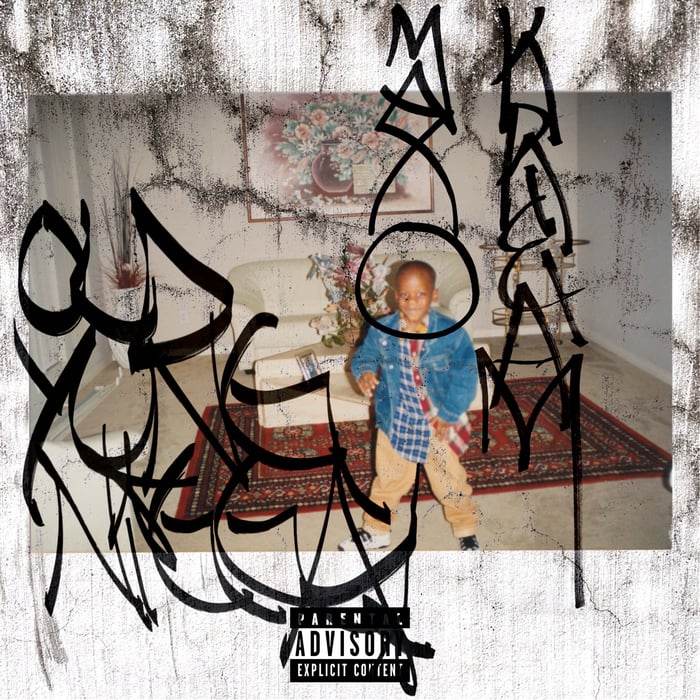
If you’ve got a favorite cover aesthetic—and O.Y.N definitely wears its mood on its face—you can grab an album-cover poster that fits your wall energy over at our store.
 | DISCOUNTGET 30% OFF*Use code on your next order:
|
* This post may contain affiliate links, meaning we earn a commission if you make a purchase through these links, at no additional cost to you.