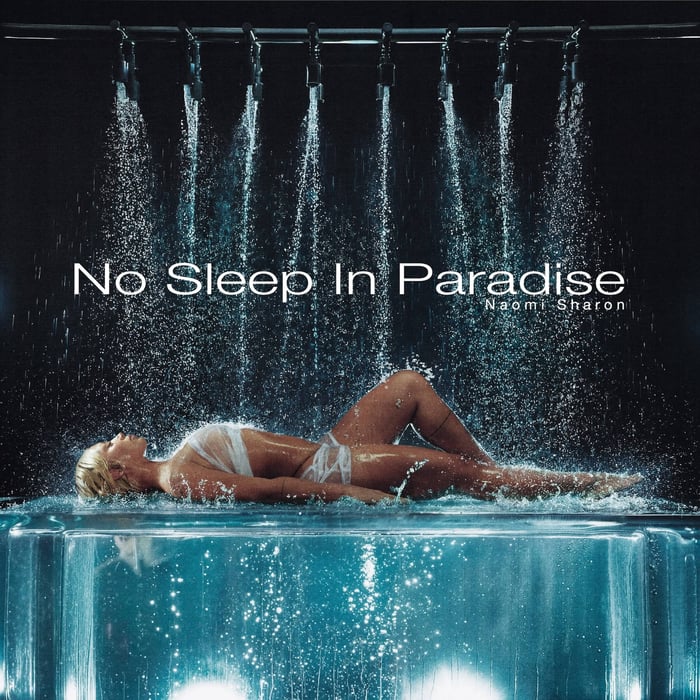
Naomi Sharon’s No Sleep in Paradise Review: Pretty, Petty, and Awake


 See more Architeg Prints stories on Google.
Naomi Sharon’s No Sleep in Paradise Review: Pretty, Petty, and Awake
Naomi Sharon’s No Sleep in Paradise isn’t trying to impress you—it’s trying to keep you up with a quiet kind of control, until the silence starts winning.
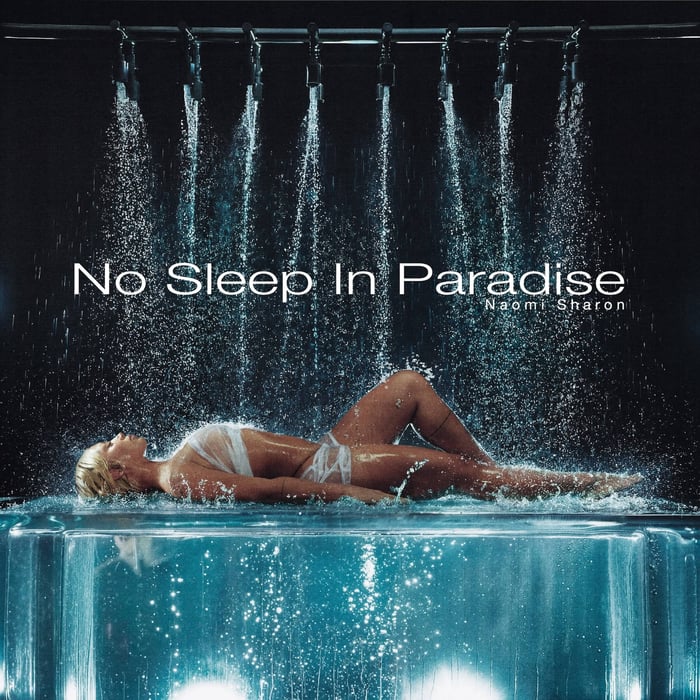
This album doesn’t belt—it stares
Some singers show you power by going big. Naomi Sharon shows you power by refusing to. No Sleep in Paradise is built like a room with the lights low and the bass turned into furniture—always there, always supporting, occasionally threatening to swallow the whole scene.
I can’t un-hear her musical theater background in the way she inhabits lines, even when the production barely lifts a finger. Years of performing other people’s stories leaves a mark: you learn how to sell emotion from the back row. But here’s the twist—this album isn’t about projecting. It’s about compressing everything until the pressure does the talking.
She came in with that deep alto that can fill space without begging for it. And instead of leaning on arena-ready high notes, this record mostly keeps her planted in the lower register, like she’s decided the point isn’t to reach—it’s to withhold. That’s an arguable choice, sure. Plenty of listeners want the big moments. I get it. But the restraint feels deliberate, like the whole album is a demonstration of how much leverage you can get without raising your voice.
A relationship told in slow motion, on purpose
The core story runs like a single relationship being walked from first spark to final slam of the door. Not in dramatic chapters—more like snapshots where the real drama is what no one says.
“I Know” sits right outside an argument. The groove moves at a crawl that feels stubborn, like the song refuses to hurry because the couple refuses to admit what’s happening. The line about being “built from broken times, stitched with second tries” isn’t romantic; it’s exhausted. And when she lands on “We told each other a different truth / It was dressed in little lies,” it’s not a confession for sympathy—it’s a report from inside the mess. The most brutal moment might be the calm one: “We don’t beg the sun to rise / We just wait it out.” That’s not hope. That’s endurance. And I’d argue that’s the album’s first real mission statement.
Then “Bittersweet” opens the bass up and warms the room a little, which almost tricks you into thinking it’s going to be comfort music. It’s not. It’s acceptance music. “Playin’ house in broken homes” is one of those lines that sounds simple until you picture it—two people doing the motions because the alternative is admitting the house isn’t a home anymore. When she asks “Can we just be? / Stay bittersweet,” the plea isn’t for passion. It’s for a ceasefire.
And that phrase—“This Ground Don’t Fit Me Every Night”—hangs around like a bruise, because it’s not just about love. It’s about not fitting inside your own life, even when everything looks fine.
Desire turns into a standoff (and that’s the point)
This album’s version of desire isn’t soft-focus longing. It’s leverage. It’s a stare across the table.
“Weak” is where she gets cruel on purpose. The rhythm is clubby and bass-forward, but it doesn’t feel like a party. It feels like a trap with nice lighting. “When I get you where I want, you’re gon’ be / Weak”—she’s not flirting, she’s warning him. And the threat of disappearance (“You gonna regret it if I’m gone”) is the real hook. I kept waiting for the song to turn tender, to offer a release valve. It doesn’t. That’s the flex: she lets the groove do the seducing while the lyrics do the damage.
“Try” shifts into confrontation, with the drums getting more active underneath her. The lovers are “guid[ing] each other on a tightrope,” which is exactly what the track sounds like—careful steps, balance as survival. “Exchange control, what’s mine is yours” is pitched like intimacy, but it reads like negotiated surrender. If you think that’s too cynical, fair. But this album keeps implying that romance is just power with better branding.
Then “Untitled” strips almost everything away until the sub-bass is barely there—more ocean swell than beat. This is one of the record’s smartest moves: she turns stillness into dominance. “You don’t chase, you don’t plead / You just wait, you let me bleed.” That’s the whole dynamic in four short lines. He doesn’t push; he permits. And she’s trapped in the kind of relationship where someone’s calmness feels like a cage.
I’m not totally sure whether the song is accusing him or admitting she’s addicted to that cold control. Maybe it’s both. The ambiguity is the wound.
When the writing gets tighter, the album gets meaner
A lot of the record works because the writing narrows instead of expanding—less decoration, more incision.
“Better Days” widens the arrangement a little, leaving space around her vocal. And in that air, she doesn’t belt; she thinks out loud. “Overthinking conversations that I’m having in my head” lands because it’s mundane and relentless. It’s not poetic suffering—it’s the brain chewing itself raw. Every unsaid phrase becomes a kept object, a reminder you can’t throw away.
Then the album steps into the most primal kind of harm: when speaking feels like danger.
“Is it grace or is it silence? / Speaking up just feels like violence.” That’s a brutal line because it admits how warped the choices are. So she picks a lesser harm: “So I smile to hide the dying.” Not subtle, but it doesn’t need to be. The point is the cost.
And the confession “I don’t know what hurts more, what you say or what you did to me” is where the album stops pretending the damage is abstract. Words and actions become equally sharp. That’s the type of lyric that sounds obvious until you realize how many people live inside that exact math.
“Celebration” briefly yearns—“Time slows down telling you, ‘See me.’” It’s almost tender, almost hopeful. Almost.
But by “Was It Ever Love,” quiet stops being protective and turns into the enemy.
“I tried to argue less / But even quiet moments feel like I’m screaming.” That’s what happens when you build a whole relationship around swallowed words—eventually the silence doesn’t read as peace. It reads as absence. And when she finally leaves, the writing turns crisp, like she’s pleading her case in court and she’s done being interrupted.
Arguable take: this is the album’s emotional peak, not because it’s loud, but because it’s the first time the restraint feels like it’s cracking.
The title track: success doesn’t soothe her—it agitates her
The title track doesn’t blow the doors off. It doesn’t need to. The production opens up a little without breaking the album’s rules—still restrained, still smooth—but there’s anxiety moving under the melody.
“City’s sleeping, but I’m wide awake.” That line is simple, yet it nails the whole sensation: the world is calm, and she isn’t. In a room full of people, she’s still misread: “They all see the fire, but nobody gets me.” That’s not humblebragging. It’s isolation with good lighting.
And “This ground don’t fit me every night” returns like a private diagnosis. The closer she gets to some version of “made it,” the more unstable she feels inside it. I’d argue the album is quietly saying that achievement doesn’t heal intimacy—it just gives loneliness a nicer couch.
The one dance-floor moment still sounds like a warning
“Miss That” is the record’s lone clear nod to the dance floor, and even then, she refuses to let it be uncomplicated. There’s a sampled Chicago voice grinding against a familiar progression, and she stays cool over the bright surface like she’s refusing to sweat.
She calls the attraction poisonous. She admits, flatly, “We’ll never make it out alive,” which is a wild thing to say in the middle of something designed to move bodies. And yet that’s the whole point: she lingers in the space even while naming the exit wound. The track is basically the album in miniature—seduction on the outside, fatalism inside.
On first listen, I thought this would be the obvious single moment, the “okay, here’s the hit” concession. But on second listen, it feels more like she put it here to prove she can do it—and then immediately ruin it with honesty.
The final stretch gets brighter… and that’s where it slips
“Light My Soul” brings a brighter feel and a bit more energy, and her delivery still hits the right pockets. The music does what it’s supposed to do. But the writing steps closer to familiarity—“Two hearts on fire”—and for the first time, I feel the album reaching for default romance language.
The sweet-talking gestures (“Melt over me like gold”) float by pretty, but a little generic. And that’s my mild complaint: the record is so sharp when it’s specific, and it’s noticeably less interesting when it starts talking in ready-made metaphors.
“Starting Fires” picks up and ratchets tension after the wistfulness earlier on, but the lyric stays oddly rote. The line “She was always magnified, even though she contributes to your lungs” is a striking image—almost bodily, almost essential—but it sits in a section that otherwise feels like it’s leaning on vibe to carry what the writing isn’t fully supplying.
“Pink City” lands smooth, more sketch than manifesto, choosing atmosphere over declaration. This whole late section has moments where she sings about feelings without anchoring them to their cause, and the polish can’t completely hide the emptiness. You could argue that hollowness is intentional—maybe that’s the point, that the shine is the lie. But I’m not totally convinced it’s all on purpose. Either way, it’s the one place the album feels slightly less in control of itself.
“Half a Lie” is where she turns precision into a weapon
Then “Half a Lie” shows up and reminds you what this album does best: cold, exact writing that doesn’t beg to be liked.
To love him is to accept what he can give: “Giving just enough to make it feel real.” That’s the kind of line that makes you sit up because it doesn’t dramatize— it diagnoses. “I dim myself just to match your shade” is even nastier, because it admits complicity without forgiving it.
And then she drops the ghost line: “I taste your past when I kiss your lips / Like I’m a loving ghost you still miss.” It’s intimate and humiliating at the same time, which is the worst kind of accurate.
By the time she lands on “We’re living in a half lie / Too close to leave, too far to fight,” the relationship isn’t a story anymore—it’s geometry. Distances. Angles. No exit that doesn’t hurt. She knows what the compromises mean, and the song refuses to let her pretend otherwise.
The tracks that actually stick
The album makes its case through specific moments, but a few tracks are clearly the spine. If you want the record at its most pointed, these are the ones that feel like the mission:
- “If You Wanted to You Would” (the title alone tells you the emotional temperature)
- “Untitled” (stillness as control)
- “Half a Lie” (precision that cuts)
Conclusion
No Sleep in Paradise wins by refusing the obvious move. It takes a voice built for big rooms and uses it to narrate small humiliations, quiet threats, and the kind of love that survives mostly because it’s too tired to die quickly.
Our verdict: People who like restrained, bass-led R&B where the real drama is in what’s withheld will eat this up. If you need big choruses, vocal gymnastics, or a clean moral ending, you’ll get bored and start checking your phone like it’s your job.
FAQ
- Is No Sleep in Paradise more about vocals or production?
Vocals, but not in the “big notes” way—she uses control and low register presence while the bass-heavy production stays out of the way. - Does the album tell one story or a bunch of separate moods?
It plays like one relationship arc—attraction, negotiation, silence, and the exit—told in scenes rather than chapters. - What’s the most emotionally direct track?
“Was It Ever Love” hits hardest because the quiet stops feeling like peace and starts feeling like damage. - Is there a more upbeat or danceable song?
“Miss That” is the clearest dance-floor cut, but it still sounds like she’s warning herself while moving. - What’s the sharpest written song?
“Half a Lie.” The phrasing is cold and specific, and it doesn’t soften the reality of compromise.
If this album’s sleek unease got under your skin, a good album-cover poster kind of makes sense as a souvenir—hang the mood on the wall and call it décor. If you want, you can shop your favorite album cover poster at our store: https://www.architeg-prints.com
 | DISCOUNTGET 30% OFF*Use code on your next order:
|
* This post may contain affiliate links, meaning we earn a commission if you make a purchase through these links, at no additional cost to you.