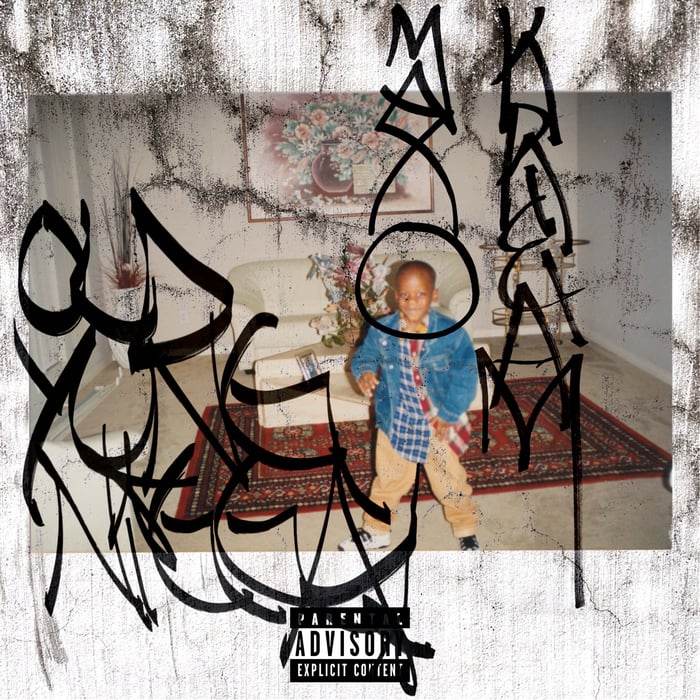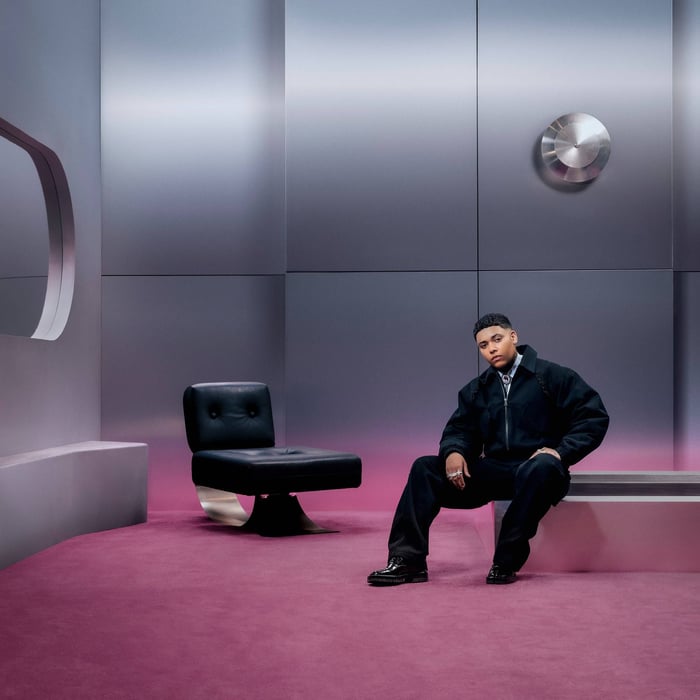
TERRA COTTA Review: Joseph Solomon Makes Heartbreak Sound Like Airport Food


 See more Architeg Prints stories on Google.
Album Review: TERRA COTTA by Joseph Solomon
Joseph Solomon’s TERRA COTTA turns long-distance love into a repeating exit row sermon—tender, paranoid, and weirdly brave about the mess.

A heartbreak album that keeps checking the departure board
This isn’t an album that “tells a story.” It repeats a situation until you finally admit you’ve been living in it. TERRA COTTA sounds like the life of a touring R&B singer where flights get bumped, weekends slide around, and love gets treated like a carry-on: technically allowed, emotionally inconvenient.
What hits first is how loose the singing feels—not sloppy, more like he knows exactly where the melody is going to land, so he doesn’t rush to prove it. I can hear an artist who spent a long time singing other people’s hooks (yeah, into a webcam world) before trusting his own writing. The confidence isn’t loud. It’s practical.
And the album’s real engine is simple: one love affair, stretched across the country, replayed as the same departure in different lighting. Each song feels like another attempt to leave “correctly,” as if the right sentence could turn a breakup into a round trip.
The album’s main trick: suspicion that still sounds like devotion
Here’s what TERRA COTTA keeps doing: it lets doubt sit right next to affection without pretending they aren’t roommates. That’s a choice. And it’s bolder than the usual “I miss you / you hurt me” playlist logic, because he doesn’t sanitize the suspicious thoughts—he makes them part of the love language.
That’s also the album’s gamble. A reasonable listener could hear this as romantic. Another could hear it as someone staying in a loop because the loop is familiar. I lean toward the second read, even when the songs try to soften it.
“TOO HIGH!” turns anxiety into a love rule (then breaks it)
This opener doesn’t glide in—it pants. The anxiety is right there, heaving and alert, and it gets shaped into a warning: keep your toes on the ground, because there’s “a long way to fall,” and he’s “still scared of heights.” It’s intimate in a slightly sweaty way, like he’s confessing something he’d usually hide behind charm.
“You don’t fall in love, you rise to it/Up is the only direction.”
That twist is basically the album’s mission statement. He names the fear plainly, then talks himself out of it in real time. And honestly, I didn’t trust it on first listen—I thought he was going to do that motivational-poster thing where a nice line replaces actual risk. But the longer the record runs, the more I hear the point: he isn’t cured. He’s bargaining.
Arguably, that’s more honest than “I’m healed” music. It’s not healing. It’s coping with good phrasing.
“MEET THE SUN” is where the band gets loud enough to feel like intent
After that initial tightrope walk, “MEET THE SUN” swells into the most overt “rock band” moment on the album—big arrangement, forward motion, the kind of lift that implies he wants the relationship to feel survivable.
He actually names the problem instead of circling it: the partner is “a flight risk.” Then he does the thing most people avoid because it’s embarrassingly straightforward—he admits the two of them could be more “if we decided.”
That word, decided, is doing heavy lifting. Because this album keeps suggesting love isn’t just a feeling here; it’s an agreement that keeps getting delayed like a gate change. When he asks, “Would you stay ’till morning meets the sun,” it doesn’t feel like poetry first. It feels like a negotiation with someone who’s already half gone.
You could argue this is the album at its most functional: when he stops romanticizing uncertainty and just asks for time.
“HALF ON THE BLAME” stages the relationship like a restaurant argument (and wins)
Now the record gets sharp. “HALF ON THE BLAME” is the best pure writing moment because it turns a fight into something you can see: a reservation at a restaurant, already a bad omen, and instead of swallowing the whole night, he draws a line down the middle of it.
That detail matters. He isn’t just saying “we fight.” He’s saying: we showed up to perform normalcy and it failed immediately.
He takes his share—maybe more than his share—but he draws a boundary: you have to change too, and he won’t carry guilt for everything. He calls playing the victim her best move. He says she’s “allergic to responsibility.” And then he reduces the argument into math—“Like forty-five, fifty-five”—like he’s trying to weigh blame on a scale that was never built for feelings.
The live band stays glued to him—guitar, bass, piano—leaving his vocal enough space to push back. That spacing is important. It gives the argument somewhere to land instead of turning into melodrama.
If you want a mild criticism, here: the “allergic to responsibility” line is effective, but it’s also the kind of cut that makes you sound a little too pleased with your own diagnosis. The song still works because he doesn’t pretend he’s innocent—he just refuses to be the only one holding the bag.
“UNBROKEN HEARTS” is the apology that refuses to stop being a confession
Where “HALF ON THE BLAME” slices, “UNBROKEN HEARTS” opens its hands. He owns the damage more plainly than anywhere else, admitting he confuses “self-love with self-sabotage,” and even drops that brutally modern image: “Therapy after red wine.”
That’s not a slogan. It’s a lifestyle snapshot. The kind where you can tell the speaker is trying—then undoing the trying—then trying again.
He frames it as “unlearning panic from a past life,” and the song keeps narrowing down to the real question: will people who are used to running ever “love like unbroken hearts”?
The impressive part is he moves toward something like hope without backing away from what he confessed. No fake victory lap. No sudden redemption. Just a guy saying: I might ruin this, and I still want it.
A listener could disagree and say the song is too self-aware, too therapy-literate. I get that. But I also think that’s the point: the language of healing becomes another tool to either fix the relationship—or justify staying in the same loop.
“FIREFIGHTER” makes chaos sound… comfortable
The album doesn’t let hope stay safe. “FIREFIGHTER” opens with a Smokey Bear PSA: “Remember, only you can prevent forest fires.” And then it immediately turns the relationship into a controlled burn that nobody’s controlling.
“We’re making love in a wildfire.”
“We fight, we sex, and it’s all right.”
That’s the line that tells you what this album is actually willing to admit: conflict has become an intimacy style. Some couples have pet names. These two have combustion.
He can’t stay, and he can’t leave—“One hand is on the door, but the other’s tryna feel your skin.” That’s not romance; that’s dependence dressed as passion. And yet, it’s sung with enough tenderness that you understand why he’s stuck.
If you want an arguable take: this is where the album is most honest and most dangerous. It makes the disaster feel sexy, which is either brave truth-telling or a very pretty way to avoid changing.
“END OF DAWN” goes full apocalypse because normal heartbreak wasn’t big enough
Then the record does something quietly ridiculous—in a good way. “END OF DAWN” pulls in radio calls from somewhere out of time: “the sun is setting… Scientists have numbered our days,” governments fail, and the stars and moon turn to fire.
It’s breakup-as-doomsday, and it’s not subtle. But it works because he isn’t using the apocalypse to sound epic; he’s using it to test one stubborn question: if the world ends, do we still choose each other?
Later, a doctor hands him a verdict—“Medicine will help me on, but it’s only matter of days”—and he answers the doctor the same way he’s been answering the burning sky: he’ll be “still in love on the last day of the sun.”
I’ll admit I’m not 100% sure whether this track is metaphor, literal narrative, or just him trying on catastrophe like a coat. On second listen, I stopped caring. The emotional logic is clear: he’s escalating the stakes because everyday love already feels like extinction.
“WAITING IN GEORGIA” makes distance sound like a verdict
After the cosmic fire, the album drops back down to the real grind: cities, delays, couches, and airline calls. The distance is mapped one stop at a time—family waiting in Texas, a love that’s moved on to New Orleans—until it hits the line that lands like a door closing:
“Nobody’s waiting for me in Georgia.”
That’s not just loneliness. That’s the moment he realizes the travel itself has become a way to avoid facing the lack of a destination.
He admits the closest thing he has to a plan: “I won’t fly home soon unless I fly home to you.” It’s romantic, sure. It’s also a trap. Because if “home” only counts when she’s in it, then he’s outsourced his stability to someone who already keeps leaving.
You could argue this is the album’s clearest thesis: long-distance doesn’t just separate two people—it lets uncertainty masquerade as commitment.
“SAN JUNIPERO” is the daydream that almost floats away
“SAN JUNIPERO” (and yes, it feels like a deliberate reference-point vibe even without you needing to pin it down) is where he tries to escape the whole mess by imagining sleep as teleportation: fall asleep, wake up with her, leave reality, and never fully come back.
He lists her reasons for running—“Religion, trauma, image, money”—like he’s sorting through possible exit ramps. And this is the one spot where I think the writing gets a little too misty. The lines are pretty, but they’re light enough that the song threatens to become pure mood, like a still pond in the middle of moving water.
That said, maybe that’s the point. Daydreams are weightless. They don’t solve anything; they just pause the pain. If the album is about repeated departures, this track is the pause button he doesn’t really deserve—but takes anyway.
“MOTHER’S CHILD” is the one relationship he can’t lose
Then the album changes who it’s talking to, and everything steadies. “MOTHER’S CHILD” is addressed to his mother, and it starts in the most physical way: made from hers—“Water and womb.” A grown son, far traveled, still tethered by something older than romance.
He says faith “comes and it goes,” but “love from you” doesn’t. And then he turns the album’s doubt toward the light:
Sometimes he’s questioned if he’s God’s, but he knows he’s his mother’s child.
It’s a brutal little reframing. The album’s earlier love is full of flight-risk energy; this one is fixed. He’s also looking at his son—a boy with her smile and his frame—wanting to be the kind of hero his mother deserves, trying to pass down that love so it doesn’t thin out with distance.
Arguably, this track exposes the whole album: romantic love keeps slipping, so he anchors the record in a bond that can’t ghost him. And it’s not manipulative. It’s human. When everything else is burning, you reach for what doesn’t.
Conclusion: TERRA COTTA is a diary that keeps rereading itself
TERRA COTTA doesn’t try to “move on.” It tries to understand why leaving keeps happening, why staying feels like free-fall, and why love can look like a wildfire while still feeling like shelter. I came in expecting a smoother heartbreak set; I left thinking the rough edges were the point—the album wants you to hear the indecision, not just the melody.
This album will hit hard for anyone who’s ever treated travel as emotional postponement—or who loves R&B that argues with itself mid-sentence. If you need clean answers, tidy breakups, or choruses that act like therapy certificates, this album will annoy you the way an honest friend does: quietly, repeatedly, and on purpose.
FAQ
- Is TERRA COTTA a concept album or just breakup songs?
It plays like a concept: the same long-distance fracture keeps reappearing in different scenes, from restaurant fights to apocalyptic metaphors. - What’s the emotional center of the album?
“MOTHER’S CHILD” feels like the anchor—the one place where love isn’t a gamble. - Which track best captures the relationship dynamic?
“FIREFIGHTER.” It admits the chaos is part of the intimacy, not just a problem around it. - Does the album ever feel too dramatic?
“END OF DAWN” absolutely goes big, but it earns it by using the apocalypse to ask a simple, stubborn question about devotion. - Where should I start if I’m only playing three songs?
“HALF ON THE BLAME,” “MOTHER’S CHILD,” and “MEET THE SUN” give you the argument, the foundation, and the reach for hope.
If you’re the type who remembers albums visually as much as sonically, a clean poster of your favorite cover can feel like pinning the era to the wall. You can shop album-cover-style prints at our store: https://www.architeg-prints.com
 | DISCOUNTGET 30% OFF*Use code on your next order:
|
* This post may contain affiliate links, meaning we earn a commission if you make a purchase through these links, at no additional cost to you.