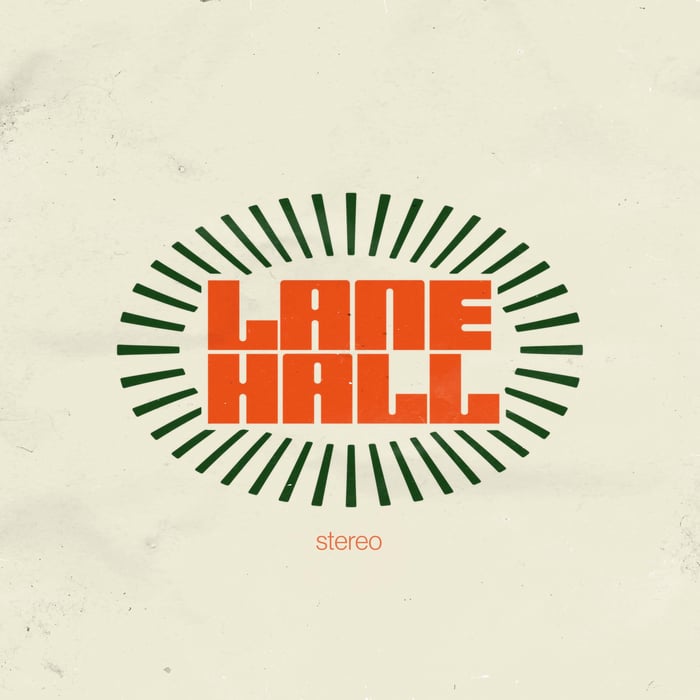
JRDN & Lane Hall’s Lane Hall Review: Soul From Halifax, Somehow


 See more Architeg Prints stories on Google.
JRDN & Lane Hall’s Lane Hall Review: Soul From Halifax, Somehow
Lane Hall is Halifax soul with real weight: live bass-and-drums warmth, romance-as-addiction hooks, and one song that actually lands the punch.
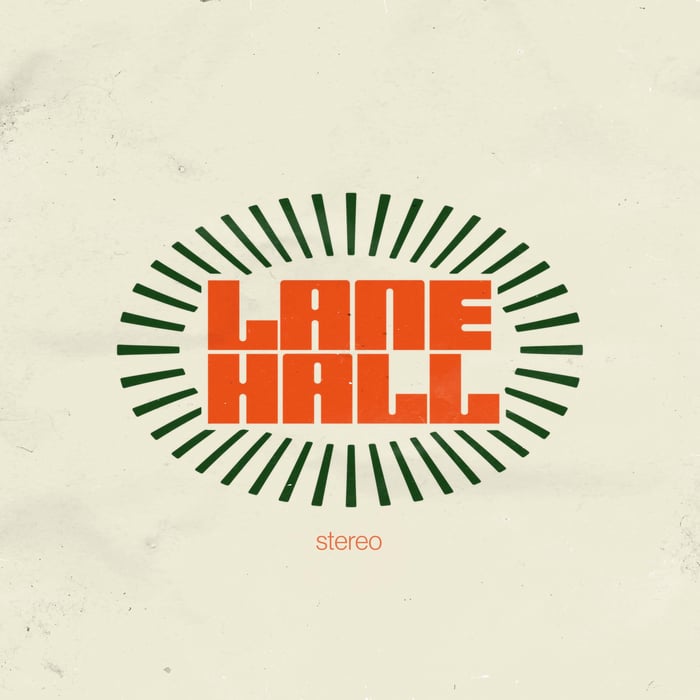
A record that shouldn’t make sense—but does
If you told me a warm, low-slung soul record was coming out of Halifax, I would’ve nodded politely and assumed you were confusing it with something else. Then I pressed play, and the thing immediately started acting like it had every right to exist.
That’s the first trick Lane Hall pulls: it doesn’t “introduce itself.” It just shows up already settled into the room, like the band’s been playing that corner stage all night and you’re the one who’s late.
Halifax isn’t Memphis, so the album refuses to cosplay it
Here’s what I hear: a tight trio named Hill (bass and drums doing the heavy lifting) playing like actual humans in the same space—fluid, locked in, and allergic to that copy‑paste, “track-by-track” studio stiffness. That matters, because the whole album leans on a simple promise: groove first, everything else second. And when the groove is genuinely alive, it buys the singer a lot of freedom.
JRDN’s voice sits right up front—open-throated, clean, and confident in a way that screams “years of touring” without needing to say it. He’s not fighting the mix; he’s steering it. The band keeps the temperature warm and the movement subtle, like they’re trying to prove you don’t need a wall of sound to feel something.
An arguable take: the most impressive part of this album isn’t JRDN’s singing—it’s how often the rhythm section refuses to over-explain itself.
“Hooked On” turns a dumb metaphor into an actual mood
The bulk of the album’s happiness lives in “Hooked On,” where the pocket is both sturdy and deep. It’s the kind of groove that makes your head start moving before you’ve decided whether you like the song. JRDN leans hard into a conceit he seems weirdly unable to quit: love as a drug he can’t shake. He asks whether there’s “rehab for two,” offers to “sign myself in,” and—crucially—he delivers it straight.
No wink. No smirk. No ironic distance.
I expected that approach to feel corny on first listen. It didn’t. The band keeps the groove narrow enough that the metaphor doesn’t balloon into comedy. That’s a choice: they’re basically refusing to let the hook become a novelty. And it works because the music treats the lyric like it’s just… true.
An arguable take: the song succeeds because it doesn’t try to be clever; it tries to be believable.
“Pink Wagyu” is the thickest flex here—and it almost overcooks
“Pink Wagyu” goes lower and thicker, like the bass decided to put on heavy boots. JRDN bounces between two versions of himself: the guy reaching for galaxy-brain romance (“the light of my mind and the focus of my Earth”) and the guy planting his feet, lining up his moves, and trying to sound smooth about it.
By the time the harmonized chorus rolls in, he’s basically run out of new angles—like he’s talked himself into a corner of his own desire. That’s part of the charm, honestly. The song doesn’t feel like it’s presenting a love story; it feels like it’s presenting a man mid‑monologue, trying to keep the fantasy stable.
Still, I’ll admit I’m not fully sure the “Wagyu” framing earns its spot. The track wants luxury and devotion and hunger all at once, and sometimes it flirts with sounding like a slogan.
An arguable take: “Pink Wagyu” is a better groove than it is a concept.
Mid-album, “Top of the Charts” swaps romance for fatherhood—and changes the stakes
The album pivots at the midpoint with “Top of the Charts,” and suddenly the usual love-song tools get redirected toward JRDN’s four-year-old daughter, Aaliyah. It’s a bold move, not because it’s edgy, but because it’s unguarded. He tosses the “hit single” language at her—“you are a hit to me”—and then drops his voice for the line that actually matters: “that’s why it took me so long to have you in my life.”
That moment lands with real lightness and real emotion. It’s the kind of softness the album hints at elsewhere but doesn’t fully step into.
And yet, the song also shows a limitation JRDN keeps bumping into: it stays at the level of sentiment. I kept waiting for one small concrete everyday detail—something in a room, some minute action, a specific flash of what Aaliyah is doing right now—and it never arrives. It’s love expressed in the most unpretentious language he has, which is sweet… but also a little generalized.
An arguable take: “Top of the Charts” is moving because it’s honest, but it’s less vivid than it wants to be.
When the album gets hurt, it gets strangely generous
Here’s where Lane Hall quietly surprises me: when JRDN shifts into romantic harm, he doesn’t turn into a cartoon of heartbreak. He’s more generous than the genre usually allows.
“Holding” sounds like someone arguing with himself in real time
“Holding” plays like a man talking himself out of a version of therapy he isn’t sure even comforts him. His mom’s voice intrudes—“Baby boy, she better treat you right”—and suddenly the song has a second conscience. The lyric about bite marks (“you really sunk your teeth into me / got the bite marks to prove it”) isn’t poetic so much as blunt-body evidence.
What I didn’t expect: the track closes with resolution, not mope. “I got to be brave and let you go.” That’s a creative decision—ending on motion instead of fog—and it makes the song feel like a turning point rather than a diary entry.
An arguable take: “Holding” works because it refuses the dramatic ending and chooses the adult one.
“Both Ways” actually shares blame, which is rarer than it should be
“Both Ways” is more balanced about fault. It’s a conversation where he confesses he lied and so did she, and the track doesn’t pretend that admission magically solves anything. The outro makes the trap explicit: they’re stuck in a “cycle of toxic shit.” It’s ugly phrasing, and that’s why it lands—it doesn’t come dressed up as wisdom.
On second listen, I realized I’d underestimated this one. At first I heard it as just another relationship post-mortem, but the structure feels more like two people pacing the same room, unable to find the exit.
An arguable take: the bluntness isn’t laziness—it’s the point.
“Let Her Go” brings in Kayo, then briefly trips over its own art-speak
“Let Her Go” hands the next verse to Kayo, who reframes the dynamic as a tug-of-war between “purgatory” and “paradise,” and the girl becomes the choice that defines the self. It’s a strong reimagining; it widens the emotional lens without breaking the track’s tone.
But the song falters when it adds a spoken vignette about “torture” and whether pain is “scientific.” That detour feels like the album putting on a blazer it didn’t need. The track was already communicating; it didn’t require a little lecture break to prove it’s deep.
An arguable take: the spoken bit doesn’t make the song smarter—it makes it less direct.
“Hard Times” is where the groove gets gritty on purpose
Money problems drag JRDN into his most grounded pocket on “Hard Times.” You can hear it: the bottom end gets heavier, like the track is literally weighted. He uses that gravity to describe a bad month—rent due, paychecks already spent, prices rising, people sleeping out in the cold.
What hits is how unglamorous it is. The song doesn’t try to turn struggle into a motivational poster. It sounds like a man taking inventory and realizing the math doesn’t care about your feelings.
I’m slightly unsure if the track needed a sharper hook to match its subject, though. The mood is right; the chorus impact is… more muted than I expected given how vivid the situation is.
An arguable take: “Hard Times” nails the atmosphere, but it could’ve used a chorus that punches harder.
“Little Things” is intimate to the point of whispering
“Little Things” is exactly what it claims to be: small gestures stacked into devotion. A hand across a body in the dark. A mug of coffee that shoves the dawn back a few feet. A plate of food when you’re broken and the world is too loud.
JRDN sings it fit and close—no showy high notes—like he’s choosing not to perform the feeling, just to state it. It lands like a thank-you you say into someone’s ear when you don’t want anybody else to hear.
An arguable take: this is the album’s quietest vocal, and it’s also one of the most persuasive.
“Flowers” is the best writing here, and it doesn’t even try to be cool
He saves the best writing for “Flowers,” a story-song about a man who worked “Papa’s farm since the day he could stand,” passing flowers through his whole life for somebody else’s use—and getting nothing back. JRDN keeps his voice at the bare minimum and just holds the story steady, refusing to dramatize it before it’s time.
Then the ending arrives like a delayed bruise: the man is dead, and they show up late with the bouquet.
I wish he got his flowers in his day
but there’ll always be flowers laid on his grave.
That’s the heart-wrenching part, sure. But the more brutal detail is the lateness—a life spent cultivating beauty for other people, and the gratitude shows up when it can no longer be received. The song feels giving in the way that real grief is giving: it hands you the lesson without congratulating itself.
An arguable take: “Flowers” is the emotional center of the album, and everything else feels lighter because it exists.
Where I land: highlights, missteps, and what the album is really doing
By the end, my first impression (“nice grooves, clean singer”) had to be revised. This album isn’t just trying to be smooth. It’s trying to make a case that steadiness can carry real weight—that grown-up feeling doesn’t need maximal drama or maximal production.
Still, Lane Hall occasionally confuses “sincere” with “specific,” especially when it reaches for big sentiments without grounding them in scenes. And when it adds that spoken, artsy interlude, you can practically hear the album briefly lose faith in its own plainspoken strength.
If you want the most effective run of what this record does well, I keep coming back to:
- “Holding” for the decision to resolve instead of wallow
- “Flowers” for the storytelling that actually cuts
- “Down Home” as a standout pull (it hits like a favorite room you don’t explain to visitors)
An arguable take: the album’s best moments happen when it stops trying to impress you and just stands there, breathing.
Conclusion
Lane Hall is the sound of JRDN putting a seasoned voice on top of a band that values feel over flash, then betting that honesty can be catchy without turning into a gimmick. When it’s specific—when it tells the truth with details—it’s hard to shake. When it stays in broad sentiment, it still sounds good… it just doesn’t haunt you the same way.
Our verdict: People who like soul that actually grooves—bass, drums, air in the room—will click with Lane Hall fast, especially if you’re tired of shiny vocals pasted onto dead beats. If you need constant left turns, maximal hooks, or lyrics that paint scenes every ten seconds, you’ll get impatient and start checking your phone by the spoken-word “pain is scientific” moment.
FAQ
- Is Lane Hall more about live band feel or studio polish?
Live feel first—bass and drums lead, and the arrangements stay tight instead of stacking endless layers. - What’s the core vibe of the lyrics on Lane Hall?
Mostly devotion and relationship fallout, with a notable shift into fatherhood on “Top of the Charts” and social realism on “Hard Times.” - Which song hits the hardest emotionally?
“Flowers,” because it tells a full story and doesn’t let the ending off easy. - Does the album ever miss?
A bit—when it drifts into generalized sentiment or adds spoken art-speak that the songs don’t really need. - What should I play first if I’m unsure?
Try “Hooked On” for the pocket, then “Holding” for the emotional turn, and “Flowers” for the gut-punch.
If this record put an image in your head you can’t drop, you can keep that feeling on your wall—shop a favorite album-cover poster at our store: https://www.architeg-prints.com.
 | DISCOUNTGET 30% OFF*Use code on your next order:
|
* This post may contain affiliate links, meaning we earn a commission if you make a purchase through these links, at no additional cost to you.