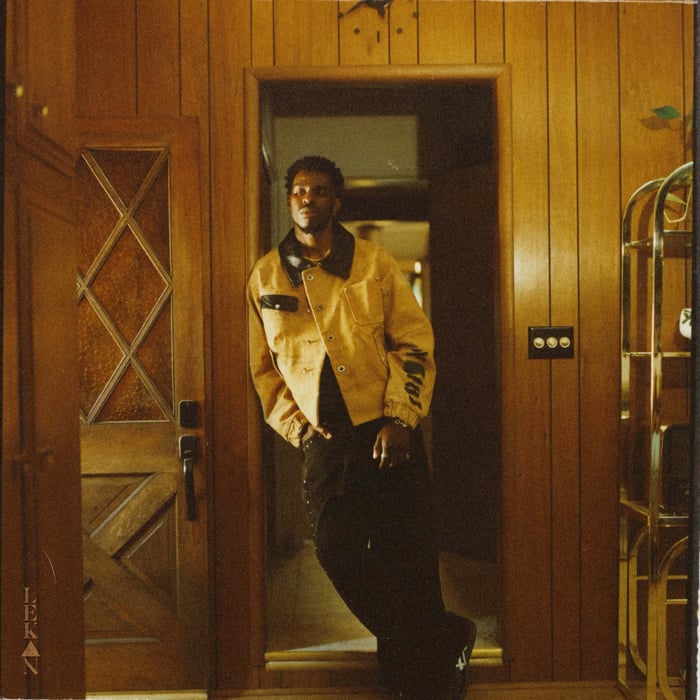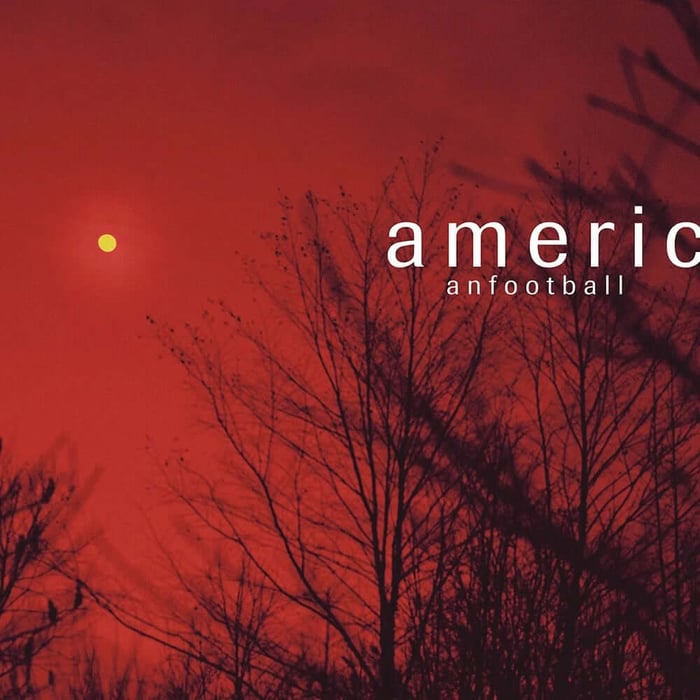
American Football LP4 Review: Sad Dad Jazz That Refuses to Behave


 See more Architeg Prints stories on Google.
American Football LP4 Review: Sad Dad Jazz That Refuses to Behave
American Football LP4 turns confession into architecture—big, bruised, and weirdly soothing, like crying in a well-lit kitchen at 2 a.m.
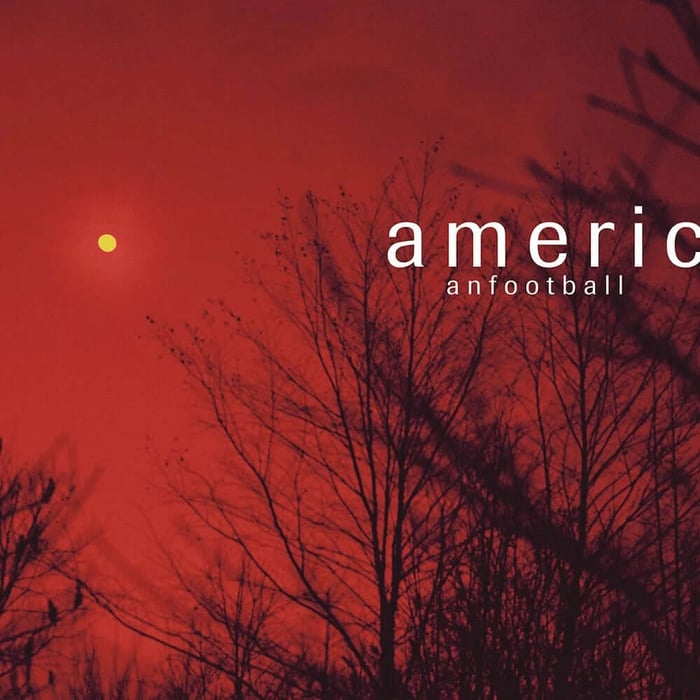
This record doesn’t “return”—it shows up with receipts
American Football LP4 doesn’t ease you in. It blurts. Every song opens like somebody already mid-confession, like you just walked into a room where the argument has been going on for hours and the air is hot with specifics. The emotional openness isn’t a vibe here—it’s the main instrument, louder than any guitar line.
What’s striking is how little the band hides behind their own legend. American Football has always been good at that soft-focus nostalgia thing, the “surrender to the feeling” trick. LP4 keeps the surrender, but swaps out mist for fluorescent light. I kept waiting for the usual tasteful distance—pretty chords, vague regret, a wink to the past. Instead, I got a narrator who points fingers while still admitting he made the mess. It’s messy in a way that feels chosen.
And yeah, it’s dramatic and ambitious. But here’s my revised first impression: I expected this to be more divisive than it actually is. On early listens, the bigger gestures felt like the band tempting self-parody—American Football going “cinematic,” as if they’d rented out their own sadness in IMAX. But the more time I spend inside American Football LP4, the more it sounds like the band expanding because the subject matter left them no choice.
The sound of LP4: open water, then the storm
This album keeps returning to oceanic space—drones, reverb, long outros, instruments drifting like they’re trying not to touch the floor. But it’s not ambient for its own sake. LP4 uses that space the way people use silence in a tense conversation: to dare someone else to speak.
The record also pulls a neat trick: it stays self-aware without popping its own balloon. It never fully breaks the American Football spell. It just admits the spell has consequences.
I’m not completely sure if the album wants me to sympathize with the narrator or simply witness him. Sometimes it feels like accountability; other times it feels like someone narrating their own wreckage because narrating is the only control they’ve got left.
1. “Man Overboard” — the tidal wave introduction that doesn’t let you swim
The first minute plays like a tidal wave forming in slow motion. Nate Kinsella’s vocal drone sets the scene, and the drums arrive knotty and ominous, like a weather report you can’t ignore. It’s a strong opening because it withholds the obvious pleasures—no immediate twinkle, no instant “there they are” comfort.
Then Mike Kinsella’s voice enters—immediately recognizable—and the mood shifts so hard it almost feels like the previous minute was a false memory.
“If I ever set sail/ Promise you won’t wait for me”lands like a sentence you wouldn’t say unless you’d already practiced it alone.
His pronunciation of “eschewed” is weirdly tender. That detail shouldn’t matter, but it does; it turns a word that could sound academic into something that sounds bruised.
The line that actually sticks a knife in is:
“God never taught me how to swim… just how to sink.”That’s the album telling you what it’s about without pretending it’s poetry homework. And when the expected release of twinkly guitars finally shows up, it doesn’t last long enough to count as catharsis. Instead, Cory Bracken’s vibraphone slides in and steals the spotlight—pretty, but not comforting. The outro goes voluminous, and the electric guitar solo sounds like it’s trying to peel away from the larger mass, tracing familiar notes like it’s searching for an exit.
Arguable take: this opener isn’t here to hook you—it’s here to warn you.
2. “No Feeling” (feat. Brendan Yates) — the single that pretends it’s calm
“No Feeling” is the closest thing LP4 has to a comforting slow dance, and by American Football standards that’s basically a warm blanket. It’s wispy, bleary, and built around bottomless anhedonia—“nothing feels like anything” as an aesthetic choice.
Brendan Yates’ presence makes sense here because the song’s atmosphere already leans oceanic, like it’s happy to blur the edges. I can picture how a gang vocal might’ve made it feel communal, but the way it sits now—more solitary, more fogged-in—feels natural.
And that parenthetical lyric-sheet line,
“I honestly never planned on getting old…”is the kind of sentence fans will yell like it’s a joke even though it’s not. That’s the American Football magic: turning a private dread into a crowd chant without changing a word.
Arguable take: this track stands out because it’s the only time LP4 lets you exhale without immediately making you feel guilty about it.
3. “Blood on My Blood” (feat. Caithlin De Marrais) — groove first, then the bruise
This is where Nate Kinsella’s bass gets to groove, paired with floating electronics that give the song a slicker spine. The drums take a slight back seat at first, which is a smart move; it makes the track feel like it’s walking in sideways.
Then the guitars find this beatific melody, and the interplay with vibraphone is so lovely it almost undercuts the punch of the line
“I fucked with lonely.”Almost. The arrangement feels sinewy—like a living thing—less “emo band plays pretty part,” more “organism assembling itself in real time.”
Caithlin De Marrais comes in not as an extension of regret but as another character entirely. She sounds like “the she” in the line about believing someone could save him—less a backup vocalist, more a person turning the story slightly so it doesn’t belong to one perspective anymore.
And the boldest choice? The words “murder” and “blood” smeared across the kind of mystery American Football fans usually prefer kept tasteful and indirect. LP4 isn’t interested in tasteful.
Arguable take: this is the moment the album stops flirting with confession and actually commits to it.
4. “Bad Moons” — an eight-minute epic that refuses to be polite
“Bad Moons” is where Mike Kinsella quits mincing words. American Football usually lives in that modest relatability zone—heartache that doesn’t feel like it’s trying to shock anyone. This track steps over the line of respectability on purpose.
Specific phrases sting: “wilted wife,” “new kinks.” They’re not there to be edgy; they’re there because divorce (and everything orbiting it) is being treated as lived detail instead of tasteful symbolism. Earlier on the album, the devil is in the details—here, the band shoves your face in them.
The instrumental towers. It surges toward catharsis…but the catharsis is weirdly brief considering the track’s length, like the band doesn’t trust release. And the exit is sedated: reverb up, bass doing this strange counteraction of its own low end, like dulling pain with pink noise.
Arguable take: “Bad Moons” isn’t long because it has more to say—it’s long because it’s refusing to end the argument.
5. “The One With the Piano” — actually, it’s the trumpet doing the talking
Calling it “The One With the Piano” feels like classic deadpan understatement. The more accurate description is a conversation between piano and trumpet—if anything, the trumpet leads and the piano answers, tearful and slightly atonal. It’s intimate in a “you can hear the room” way rather than a “studio perfection” way.
Then silence. Not dramatic silence—real silence. You hear drumsticks clicking, chatter, the mess of being in a space with other humans. And someone trips over a wire and accidentally ends Side A with the most fitting words possible:
“I’m sorry.”
Arguable take: this isn’t an interlude; it’s the album admitting that art doesn’t fix anything, it just documents the tremor.
6. “Patron Saint of Pale” — jazzy, twisted, and a little too honest
This track leans into the jazzy sensibility teased earlier, but it’s not smooth-jazz wallpaper. It’s off-kilter in a way that matches the lyrics’ twisted playfulness. After “Bad Moons,” it feels like the album has permission to emote beyond abstract poetic fog and start taking actual shots.
A line like
“Subjective truths that once filled a forever home now fill two”doesn’t hide behind metaphor. It’s a blunt image of domestic fracture, framed like a fact nobody can argue with even if they want to.
Additional vocals from Stella Sen and Lila Deckenbach paint the home around it—children playing, adults bickering, silent struggles humming underneath the daily routine. It’s dramatic, but it never tips into grandiose theater. The song doesn’t beg to be called important. It just stands there.
Arguable take: this is the album’s sharpest writing because it doesn’t try to be pretty about what it’s saying.
7. “Wake Her Up” (feat. Wisp) — the “normal” track that can’t stop adding ideas
On the surface, “Wake Her Up” is one of the more straightforward American Football tracks here—guitars doing the expected shimmer, structures that feel familiar. But it’s stuffed with ideas, like the band couldn’t resist tinkering.
Not all of it works. The mostly two-note guitar solo feels redundant, like it wandered in from a demo and nobody had the heart to tell it the party was full. That’s my mild criticism: LP4 is so carefully staged elsewhere that a moment like this stands out as unnecessarily repetitive.
Still, Wisp’s vocal presence changes the emotional lighting. Kinsella’s language turns darkly romantic around her voice, and the song lingers in the ether longer than it otherwise would—like the band got momentarily enchanted and forgot to move on.
Arguable take: Wisp doesn’t “feature” on the track so much as haunt it, and the song is better for that.
8. “Desdemona” — the Steve Reich-ish loop that won’t let the nerves settle
“Desdemona” undulates constantly. This is where the Steve Reich influence becomes obvious—not in a name-dropping way, but in the patient repetition and subtle shifts that keep changing the floor beneath you.
It twists like a tired body that can’t get comfortable, even when it lies down. The insecurity is unwavering—
“You’ve already moved on and I’m barely holding on”—and the music mirrors that: it holds on through tiny changes that you feel more than you consciously notice.
It’s a Trojan horse of shifts, and it stretches time without feeling like a jam. With one interlude and one proper song left after this, it sets up the promise of another surprise.
Arguable take: this track is the album’s real tension engine, not the louder epics.
9. “Lullaby” — pretty, brief, and not ironic at all
No piano here. No wink. No irony in the title. “Lullaby” wafts prettily for two minutes, like tucking in a child in a trenchcoat—sweet image, strange silhouette—right before the album spills one final confession.
It feels intentionally small, a calm hallway before the last room.
Arguable take: the prettiness here isn’t comfort—it’s the album trying to steady its hands.
10. “No Soul to Save” — the curtain call that opens the room wider
I don’t know if a song called “No Soul to Save” can count as a surprise—pretty on-the-nose, right? But LP4 still has tricks left. It brings in buoyant chords and a three-person choir that relaxes the album’s most destructive urges, like someone finally unclenching their jaw.
Kinsella sounds unburdened by fear but still clutching shame. He addresses “Ladies and only the gentlest of men,” and then catches himself in the irony by cursing again. It’s like he can’t decide whether he’s writing a letter, delivering a sermon, or mocking the idea of either.
And then there’s the weird meta edge to it all. What does breaking the fourth wall even mean when the “house” is publicly available—when people can literally spend a night with the ghosts of your past for $200? Does lifting the veil help, or does it just create a new kind of suffering where your private life becomes a tourist location?
The ending doesn’t resolve that. It just makes the band sound bigger than ever, like the only way out was to expand the frame.
Arguable take: the finale isn’t closure—it’s American Football admitting closure is a fantasy they no longer believe in.
FAQ
- What is the core emotional theme of American Football LP4?
It’s divorce-adjacent fallout told with unusually specific language—responsibility, resentment, shame, and the strange calm that follows the explosion. - Is LP4 a “classic” American Football sound or a big departure?
It keeps the familiar shimmer and patience, but it pushes into jazzier shapes, vibraphone-forward arrangements, and more direct lyrical detail. - Which track feels most like a statement piece?
“Bad Moons” goes big and refuses to be polite—an epic that makes the album’s bluntness unavoidable. - Does every experiment on the album work?
No. “Wake Her Up” has a guitar-solo moment that feels redundant, and the album occasionally flirts with overstating its scale—but it rarely loses the plot. - Is LP4 more comforting or more confrontational?
Confrontational, but in a quiet voice. It’s not here to soothe you—it’s here to sit in the room until you stop pretending you’re fine.
If LP4 put a particular image in your head—some sad architecture, a room-tone confession—getting that album-cover mood on paper makes weird sense. You can shop favorite album cover posters at our store: https://www.architeg-prints.com
 | DISCOUNTGET 30% OFF*Use code on your next order:
|
* This post may contain affiliate links, meaning we earn a commission if you make a purchase through these links, at no additional cost to you.