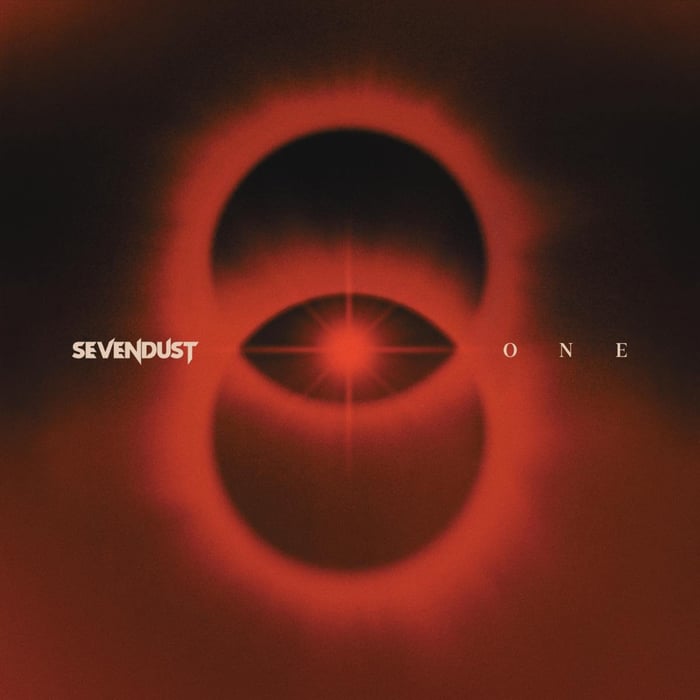
Sevendust One Review: Their “Experiment” Still Hits Like a Wrecking Ball


 See more Architeg Prints stories on Google.
Sevendust One Review: Their “Experiment” Still Hits Like a Wrecking Ball
Sevendust One doesn’t politely evolve—it throws synths and weird grooves into hard rock and dares you to call it subtle.
A record that refuses to “age gracefully”
It’s genuinely interesting what a band thinks it should be writing after a stack of releases. Some groups cling to the version of themselves that used to work; others get restless and start kicking holes in their own walls. Sevendust sound like they’ve chosen the second option on Sevendust One—not because they have to, but because they’re almost annoyed by how easily they could’ve played it safe.
After a quarter-century as a band and with 14 albums behind them (heading toward 15), this album comes off like a deliberate attempt to keep “traditional hard rock” from becoming a museum exhibit. And yeah, that’s a loaded claim—but listen to the choices: brutal riffs, clean-and-harsh vocal contrasts, and those experimental electronic/synth textures that pop up like flashing warning lights. When it all locks together, it’s not just heavy—it’s theatrical in a way the genre usually pretends it’s above.
I’m not saying it’s a brand-new language. I am saying they’re trying to make their familiar dialect sound dangerous again.
“One” (title track): the album’s thesis, stated loudly
The title track “One” opens with a riff that feels both rhythmically punishing and kind of haunting, like it’s dragging a chain behind it. Right away, it tells you what the album is going to do: it’ll hit hard, but it’s going to keep shifting its facial expression while it does.
Lajon Witherspoon is the instant center of gravity here. What works is how he treats the vocal melodies like moving parts, not wallpaper—verses with grit and bite, then a chorus that backs off into something softer and more atmospheric without losing intensity. That contrast is the hook. And a real hook doesn’t just “sound good”; it stitches the whole song together so the heavy parts and the floaty parts feel like they belong to the same body.
Then there’s a rare guitar solo after the second chorus. I didn’t expect one this early, and it lands like a little flare shot into the air—proof they’re not allergic to classic moves, they just deploy them sparingly. The final chorus returns, the main riff comes back around, and the track ends with that opening idea slammed down like a closing argument.
If you think Sevendust are only good at writing “big choruses,” this track argues they’re actually good at writing tension—and the chorus is just where they let you breathe.
“Unbreakable”: the chorus-first flex (and it works)
“Unbreakable” doesn’t warm up. It basically kicks the door in by going straight into the chorus before the first verse even shows its face. That move can feel gimmicky when a band’s trying to hide weak verses—but here it reads more like confidence, like: you’re going to hear this hook whether you’re ready or not.
The song also speeds itself up in a way that makes the chorus feel like the engine and everything else is built around it. The second verse tweaks the melody—just enough to feel like an intentional re-route rather than a copy/paste job—and honestly, it transitions into the chorus better than the first verse does.
The real payoff is that the chorus isn’t just “passionate” in the vague sense; it’s passionate because the vocal delivery and the guitar’s backing melody are locked together. The lead guitar is basically singing along in its own language, and that’s why the chorus hits: it’s got two mouths, not one.
Arguable take: if this track had started traditionally—with verse then chorus—it would’ve sounded more “normal,” and normal is exactly what the album is trying to avoid.
“Threshold”: the bait-and-switch that proves they can still surprise you
If the first two tracks are about establishing power, “Threshold” is where the album starts acting a little smug about its own control.
It opens with a first verse that feels deceptively mellow, like the band is pretending to be civil. Then a drum fill drops in as a signal: nope, still loud, still heavy, still ready to crush the room. That fake-out matters because it makes the heaviness feel chosen, not automatic.
The chorus is the kind of simple melodic idea that becomes “irresistible” precisely because they don’t over-decorate it. It’s just sung cleanly, confidently, like a line they know you’ll repeat later.
But the sneaky part is what they keep inserting before each chorus: short sections of ruthless instrumental progressive metal, with a whiff of unfamiliar timing that jolts the song sideways. Those moments add a layer of “wait—what was that?” energy, and they’re one of the clearest signs that Sevendust One is trying to complicate the band’s own template.
There’s also a solo section that behaves more like a breakdown than a traditional solo—another drum fill, then a clean slide into the final hook. If you wanted proof they’re thinking structurally, not just stacking riffs, it’s here.
I’ll admit I wasn’t sure on first listen whether those prog-ish detours were going to feel glued-on across the album… but in this track, they actually sharpen the chorus instead of distracting from it.
“We Won”: the midpoint swerve into something cinematic and weird
At the album’s halfway point, “We Won” shows up and decides to be difficult—in the best way.
It starts with a hip-hop vibe, then the main riff stomps in with the drums backing it like a heavy machine starting up. The verses have an atmosphere that doesn’t match anything else here; it’s a different kind of tension, less “metal urgency” and more “dark room with a spotlight.”
Then the chorus hits, and it’s straight-up cinematic. The hook feels huge, not because it’s louder, but because the experimental vocal melody is eerie and bizarre in a way that makes the whole track feel like it’s leaning into a horror-movie glamour shot. And the wild part is: it’s repeatable. That hook could loop for a while without getting stale because it’s not a generic singalong—there’s something crooked in it.
After the chorus, the main riff returns, pulling the song back into its groove before the second verse. And then the track drops the second guitar solo of the record, with the song title repeated in the background, which is such a deliberate “make this stick in your skull” choice that it almost feels like they’re testing how hypnotic they can get away with being.
This is one of the most fascinating moments on the album, and yeah, I’ll go further: it’s the kind of track that suggests Sevendust aren’t just experimenting with sounds—they’re experimenting with how long they can hold a mood without blinking.
It ends with the chorus one more time, the title repeated again, and a breakdown to close it out. If you think Sevendust only do straightforward aggression, this track politely disagrees.
“Bright Side”: the song that shouldn’t work… and then does
“Bright Side” has a weird core sound from the jump. The main riff is strange but effective, like it’s built to feel slightly “off” in your body. And the verse vocal melody follows that same logic—unexpected, not quite where you think it’ll land.
The chorus slows down in pace, but not in volume, and that’s why it hits. It’s not a “soft chorus.” It’s a heavy chorus that chooses to move in slow motion, like it wants you to stare at it.
The second verse is where the track really shows off. The rhythm changes and melodic pivots feel like they should fall apart—like too many ingredients thrown in one pot. And somehow Sevendust make it hold together. It’s almost irritating how well they pull it off, because it makes you realize they could have been doing this kind of left-turn writing any time they wanted.
There’s also a big ending that seals it as a standout. If the album has a “trust us” moment, this is one of them.
Arguable take: this track is more impressive than it is immediately lovable—its job isn’t to charm you, it’s to prove they can bend their own sound without snapping it.
“Misdirection”: the closing move that basically winks at you
The album closes in an unexpectedly theatrical way with “Misdirection,” and it earns its title.
At first, it plays like the start of a slow piano ballad, at least for the first half of that first verse. It’s almost suspiciously gentle—like the band is trying on a different outfit just to see your reaction. Then the guitars show up with rim hits tapping around the edges, and after the verse the “riff extravaganza” kicks in for real.
The bridge leading into the chorus arrives with the full wall of sound Sevendust keep bringing across the album. The chorus is just as explosive as that bridge—no undercutting, no fake modesty—yet the piano melody returns briefly afterward, like a reminder that the soft intro wasn’t a joke. It was a setup.
Another guitar solo follows, and it’s clearly shaped by the chorus vocal melodies, just shifted into another key. That’s a very specific kind of “we planned this” satisfaction—like the solo is echoing what you already sang in your head.
Then the final chorus returns, and as it repeats, drummer Morgan Rose starts improvising harder: double bass and tom fills layered in like he’s trying to make you picture the live show. It works. I could practically feel the imaginary venue air get warmer.
One mild criticism, though: that opening piano-ballad tease is clever, but it also risks feeling like a trick if you’re not in the mood for fake-outs. I liked it more the second time through, once I understood it wasn’t going to stay tender.
So what is Sevendust One actually doing?
By the end, Sevendust One feels like a “classic Sevendust record” that keeps trying to sabotage its own comfort zone. The monstrous riffs and big choruses are absolutely here. Nobody’s going to finish this album and claim they forgot how to hit hard.
But the album also keeps tossing in:
- synth and electronic textures
- progressive detours
- weird time signatures that show up just to unsettle the floor beneath you
And here’s the truth: sometimes that experimental stuff genuinely elevates the songs—those moments where the groove tilts or a strange synth color appears can make a chorus feel more massive by contrast. Other times, the extra weirdness doesn’t add much beyond “look, we can do this too.” Not every odd choice becomes a meaningful one.
I thought at first that the experimental elements were going to dominate the record, like a makeover you can’t unsee. But on second listen, it’s clearer: the experimentation is more like seasoning than the main dish—except on a few tracks where they dump half the shaker in and grin about it.
If you want a band to “mature,” this isn’t that. This is a band choosing to stay restless. And honestly, that says a lot: they don’t need to experiment to stay relevant, which makes it more interesting that they’re doing it anyway.
As for where I land? 8/10 feels about right for how often this thing actually lands its punches without becoming a self-parody of innovation.
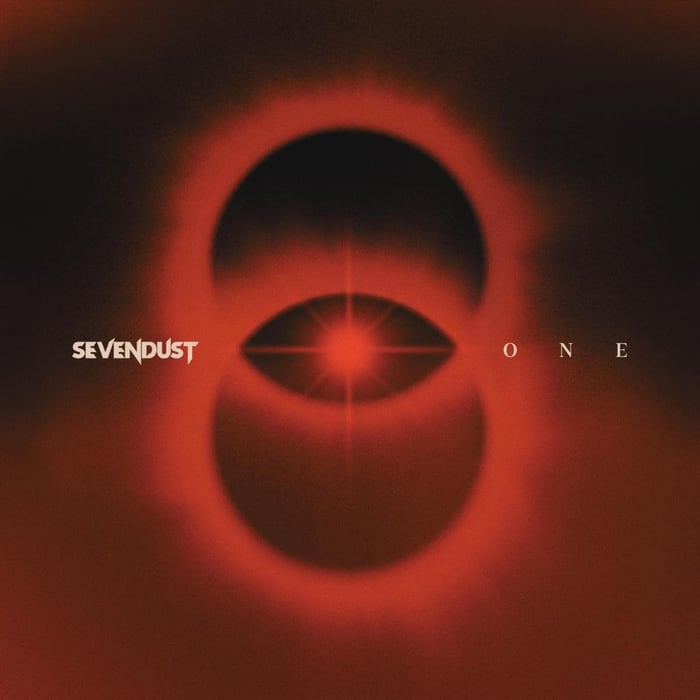
One is set for release on May 1st via Napalm Records.
Like Sevendust on Facebook.
Conclusion
Sevendust One doesn’t chase a new identity—it takes the old one, adds synth glare, bends the time a little, and insists it’s still a hard rock band while it’s clearly messing with the borders.
Our verdict: People who like heavy rock with huge choruses—but secretly wish the band would get a little stranger—will actually love Sevendust One. People who want Sevendust to stay purely riff-and-hook traditional are going to hear the weird touches and react like someone put hot sauce in their coffee.
FAQ
- What is the core vibe of Sevendust One?
Big riffs and bigger hooks, with occasional electronic and prog-like curveballs meant to keep you slightly off-balance. - Does Sevendust One lean more melodic or more brutal?
It tries to do both at once—clean atmospheric choruses against gritty verses—and it mostly wins by committing hard to the contrast. - Which song best shows the album’s experimentation?
“We Won” feels like the midpoint statement: hip-hop-adjacent intro energy, eerie vocal choices, and a cinematic hook that’s not trying to be normal. - Are there guitar solos on the album?
Yes, but they’re used sparingly—when they appear, they feel intentional rather than obligatory. - Is Sevendust One for listeners who hate prog elements?
Maybe, but you’ll have to tolerate some odd timing and structural detours. They’re not constant, yet they’re absolutely part of the album’s point.
If this album has you thinking about cover art as part of the whole “mood machine,” you can grab a favorite album cover poster for your wall at our store: https://www.architeg-prints.com
 | DISCOUNTGET 30% OFF*Use code on your next order:
|
* This post may contain affiliate links, meaning we earn a commission if you make a purchase through these links, at no additional cost to you.