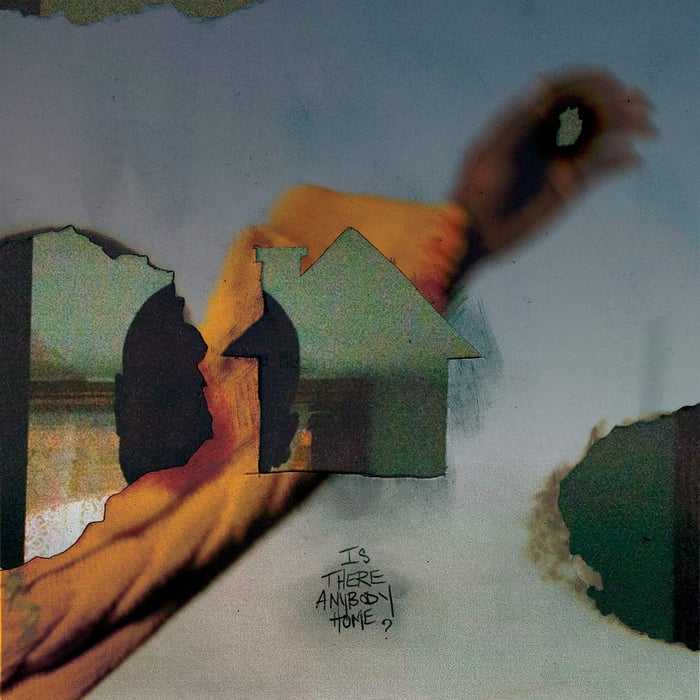
Anybody Home? rum.gold’s breakup album that refuses to decorate pain


 See more Architeg Prints stories on Google.
Anybody Home? rum.gold’s breakup album that refuses to decorate pain
Anybody Home is rum.gold turning divorce and childhood fallout into a house you can’t repaint—pretty vocals, ugly truths, and no one picking up the phone.
A record that starts with a ringing phone and dares you to answer
Some albums want you to “vibe.” Anybody Home wants you to sit on the edge of the bed and admit you’re not okay. It opens like a quiet domestic scene—then keeps removing the cushions until you’re basically on the floor.
The first thing I noticed (and kept noticing) is how the music avoids the easy drama button. No big theatrical sobbing. No grand “look at my pain” crescendo. Just this steady sense that the room has been emptied out and the echo is the point.
The backstory is in the bones, not the press-release gloss
Here’s what comes through plainly: Delonte Drumgold didn’t grow up in one stable “home” so much as rotate through family houses in Washington, D.C. That matters, because Anybody Home is obsessed with what a “home” even means when it’s never fully yours.
Before he was writing songs, he was singing in church choirs and playing trumpet—starting in fifth grade, then carrying it all the way through a Berklee degree. And you can hear the instrumentalist brain at work: his voice doesn’t just “sing the melody,” it bends and places notes like he’s shaping air through a horn.
He didn’t start performing his own material until he was 24, tossing tracks onto SoundCloud under a name chipped out of his surname: drop the D, dodge the “drummer” confusion, keep rum.gold.
His second LP, U Street Anthology, felt like him looking outward—paying tribute to Black D.C., tracing crack-era damage and poverty through the block his family lived on. Anybody Home doesn’t even try to be that photogenic. It’s not a city portrait. It’s the view straight down at the floorboards.
The big structural choice: adulthood first, childhood underneath
This album was made in the middle of a divorce, and after a relocation from Brooklyn to Lisbon. You can feel those two facts in the pacing: it’s restless, but also weirdly controlled, like someone trying to keep their voice steady while their life is rearranged.
The record splits into two halves—loosely “adulthood” and “childhood.” And the rollout was backwards: what becomes part two arrived first as a standalone EP, then the full album later recontextualized it. That sequencing matters, because the full run puts the grief in a different order.
It’s like he deliberately chooses to start with the grown-up mess—relationships, self-knowledge, the immediate wreckage—then digs down into the root system after. Adulthood up front, childhood underneath. On paper, that’s a neat concept. Listening to it, I’m not 100% sure it always lands cleanly… but I also suspect the slight imbalance is the truth of it. Childhood rarely arrives when it’s convenient.
“Is It Something I Said” turns the bed into a crater
The opener “Is It Something I Said” starts with an image I couldn’t shake: two people in a bed with this cavity between them, like the mattress itself is missing a chunk. The first real decision in the song isn’t “do we stay together,” it’s whether you’re going to fall asleep and pretend, or stare into the gap and measure it.
And rum.gold does that thing throughout the record where his falsetto floats like it’s trying to stay untouched—while the production below it hums low and percussive, like anxiety you can’t turn off. That contrast feels intentional: the voice wants to be graceful, the body knows better.
He even built a music video concept around Hoarders—a mother afraid her son will inherit her compulsions. And that’s the album’s first nasty little thesis: mental clutter gets passed down like furniture. Nobody chooses to carry it, but somehow it ends up in your house anyway.
“Blessed Me with a Broken Heart” makes commitment sound like a wake
The next gut-punch is “Blessed Me with a Broken Heart,” and it pushes the ambiguity into something almost ceremonial. He’s walking toward an altar, but the song won’t tell you if it’s a wedding or a funeral. That’s not coy writing—it’s the point. Some relationships feel like both on the same day.
Halfway through, the mask slips: he stops acting like he doesn’t want to hurt anyone. That’s the uncomfortable honesty on this record—he’s not painting himself as a saint who “just loved too much.” He’s admitting the desire to wound can show up right alongside love, and sometimes it’s hard to tell which one is driving.
I’ll admit: on first listen I thought this track might be leaning too hard on the “cinematic sad” vibe. On second listen, I heard something uglier and braver—he’s not making sadness look beautiful, he’s showing how people sanctify damage so they can keep walking toward it.
“Asleep at the Wheel” is where he stops making hurt sound pretty
“Asleep at the Wheel” runs on a driving metaphor that could’ve gotten corny fast if they’d played it bigger. Instead, it turns inward. The verses dissolve into a spoken breakdown that’s clipped and flat, like he’s rationing emotion:
“I’m not sad / I’m numb / I’m dead inside / High beams are on in broad daylight” — rum.gold
That moment matters because it’s one of the only spots on the first half where he quits polishing the edges. He strips the melody away entirely, and the song becomes a report from inside dissociation. Not tears—absence.
And yeah, it’s bleak. But it’s also the point where the album proves it’s not just a “nice voice, tasteful production” situation. He’s willing to sound unflattering.
The title track isn’t a metaphor—it’s a house that won’t change
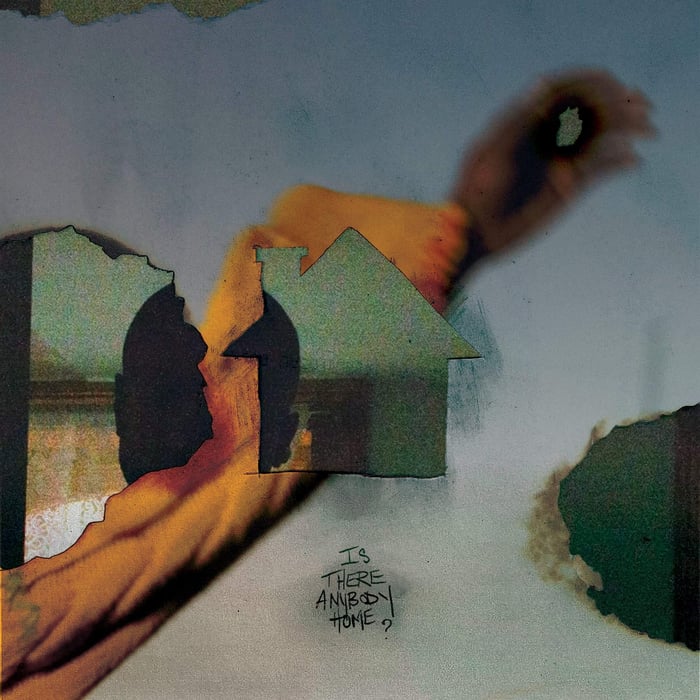
Then the title track, “Is There Anybody Home?” drops the central question against a scene you can practically smell: candlelight, peeling paint, smoke stains on the walls, a telephone that keeps ringing. It’s not dreamy. It’s specific.
He says he doesn’t need his father back. He tells his mother he’s grown. And then he undercuts both with the real admission: he’s been stuck running through the same doors his whole life.
This is where I’d argue the album is doing its most pointed work. That “home” in the lyric doesn’t feel like some poetic stand-in for “belonging.” It’s just a house. The kind where you slap on new paint and pretend it’s reborn, but the layout stays identical—so you keep walking into the same corners.
If you’re looking for a triumphant healing arc, this track basically shrugs at the idea. It’s not “I overcame it.” It’s “I recognize the floorplan.”
Why the songs feel so close: the mixes are built around his throat
One of the smartest decisions here is the production philosophy. The producers—Aire Atlantica, Frankie Scoca, Rahmm Silverglade, and Zak Khan—build these beds that stay wide and low, leaving the vocal right at the front.
You can hear the priority: clarity first. His phrasing sits close to your ear while the instruments hang back and rarely compete. It’s not flashy, but it’s controlling the listener’s attention in a very deliberate way. If the album is a room, the voice is the one piece of furniture you’re forced to sit on.
And the trumpet background shows up in the details:
- he bends notes slightly past where you expect them to land
- he lets vowels decay early, like he’s releasing breath instead of sustaining
- he leaves gaps where another singer would stack harmonies or belt for emphasis
That restraint reads like confidence… or maybe like someone trying not to spill what’s actually inside. I can’t fully tell which, and I kind of like that I can’t.
“Friend of a Friend” and the art of asking for the wrong things
“Friend of a Friend” is basically a stack of questions that don’t want answers. Do you love me enough to lie? To stay? To tell me goodbye? He hangs each one in the air long enough for you to feel the weight of asking it.
Then the chorus folds the questions into resignation, and it lands because the song doesn’t pretend this is a rare tragedy. It makes emotional disposability sound normal—like adult life is just a series of almosts.
The hook hits hardest because it’s not melodramatic. It’s bureaucratic. You can hear the paperwork being filed: you were a stranger, then you were mine, now you’re a stranger again—except with more history to trip over.
“Love Me Better” turns self-description into a gravestone
“Love Me Better” runs an inventory of the self over and over—good guy, bad side, fiend, human, not a savior, not a king. And the repetition isn’t there because he’s out of ideas. It’s there because he’s stripping away performance in real time.
By the third pass, it stops feeling like an introduction and starts feeling like an epitaph. He’s not saying “here’s who I am.” He’s saying “here’s what’s left when you stop trying to be the version that gets forgiven.”
If I’ve got a mild gripe on this section of the album, it’s that the low-and-wide production approach can make a few moments blur together emotionally. The vocals are so consistently front-and-center that sometimes I kept waiting for the music to interrupt him—just once—with a sharper left turn. But maybe that’s me wanting a fight when the album is committed to quiet clarity.
“Good Bones” is the cruelest love song here
“Good Bones” is where the album gets terrifyingly practical about how couples survive: both parties lie, both say it’ll be okay. First he admits he lied for them. Then he thanks them for lying to him. That little swap is the whole relationship dynamic in miniature—mutual deception as tenderness.
He’d break his heart in two so half belongs to them. And then comes the line that would sound ridiculous if he didn’t sell it with total belief: if he ever sells this broken place, he’ll tell them it has good bones.
That’s the album in one phrase: the structure is still standing, so we call it hope.
“Walking Dead” and the way numbness becomes a lifestyle
“Walking Dead” shows up like a late admission: numbness isn’t a phase, it can become your personality if you let it. Next to “Asleep at the Wheel,” it feels like the more functional version of the same condition—less collapse, more routine.
And that’s an arguable choice: a lot of artists would punch this moment up with bigger drums or a more obvious cathartic release. rum.gold keeps it measured, like he’s refusing to let you confuse volume with progress.
So what’s actually in the room when nobody picks up?
There’s a line of thought running through Anybody Home that feels blunt in the best way: when love stops being enough, people don’t immediately become villains. They become accountants. They start bargaining, editing themselves, deciding which truths to disclose and which to store in the attic.
The album’s setting stays consistent—low ceilings, bad paint, the phone ringing into the void. And yet, the emptiness isn’t romantic. It’s ordinary. That’s the sting.
Where U Street Anthology looked outward at a city, Anybody Home stares down at what the city left inside a person. It’s not trying to give you a documentary. It’s giving you the private aftermath.
Conclusion
Anybody Home doesn’t want to be your comfort album. It wants to be the moment you stop calling it “closure” and start calling it what it is: living with the same layout, even after you move.
Our verdict: People who like emotionally precise R&B—where the prettiest thing is the vocal and the ugliest thing is the meaning—will live in this album for weeks. If you need big hooks, obvious highs, or “I’m healed now” messaging, you’ll get impatient and start checking your phone like the album told you not to.
FAQ
- Is Anybody Home more about divorce or childhood?
It refuses to choose. It puts adulthood damage up front, then shows the childhood wiring underneath, like the second half explains the first without excusing it. - What’s the most “unfiltered” moment on the album?
“Asleep at the Wheel,” when the melody drops out and the spoken fragments take over. That’s the sound of someone not performing feelings. - Does the production ever distract from rum.gold’s voice?
Almost never. The mixes are built to keep his vocal clear and close, while the instruments stay wide and low behind it. - What track best represents the album’s thesis?
The title track, “Is There Anybody Home?” because it treats “home” like a literal place with stains and ringing phones, not a poetic abstraction. - Is this an easy listen?
Easy on the ears, not easy on the nerves. It’s smooth enough to play quietly, but the lyrics keep turning the lights on.
If you want to keep this mood on your wall—something pretty that still feels haunted—shop your favorite album cover poster at our store: https://www.architeg-prints.com.
 | DISCOUNTGET 30% OFF*Use code on your next order:
|
* This post may contain affiliate links, meaning we earn a commission if you make a purchase through these links, at no additional cost to you.