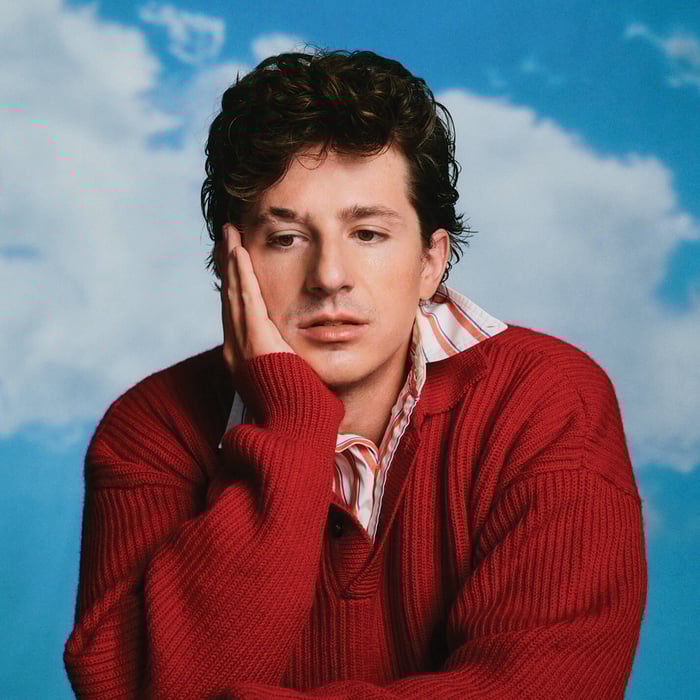
Whatever’s Clever Review: Charlie Puth Gets Uncomfortably Specific


 See more Architeg Prints stories on Google.
Whatever’s Clever Review: Charlie Puth Gets Uncomfortably Specific
Whatever’s Clever turns Charlie Puth’s polish into a pressure test—less flexing, more flinching, and that’s the point.
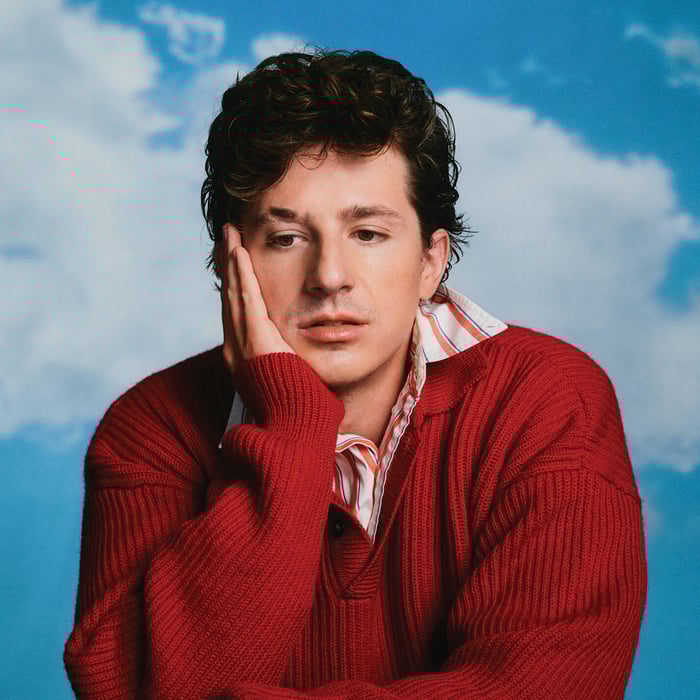
This album isn’t “mature”—it’s engineered to make him sweat
Charlie Puth has always sounded like a guy who could explain the wiring behind the magic trick while still doing the trick. Perfect pitch, Berklee brain, the whole “watch me substitute chords live” thing. And yet, for years, the public-facing version of him got flattened into a single old punchline—that hit from forever ago, as if he never moved on.
Whatever’s Clever feels like a counterattack, but not the dramatic kind. It’s more like he walked into a nicer studio, shut the door, and said: “Okay, what if I stop trying to win the internet for 40 minutes and make something that actually bugs me a little?”
That discomfort isn’t accidental. The production choices are basically a controlled environment designed to push him out of his default settings. The sound tilts toward a specific kind of grown-up pop craft—Yamaha CP70 electric piano as a guiding texture, and the shadow of Peter Gabriel and Phil Collins hanging over the arrangements like a dare. This is not him chasing “modern.” This is him chasing taste, and risking looking a bit uncool while doing it.
And the big tell is time. You can hear what happens when someone finally gets breathing room. The songs don’t feel rushed into being catchy; they feel built to hold weight.
BloodPop® isn’t “helping”—he’s steering Puth into the weird parts
Michael Tucker (BloodPop®) has a reputation for maximalist pop environments—big shiny rooms where everything echoes and nothing is allowed to be small. Coming off work like Chromatica and those era-defining pop moments (yes, including “Sorry”), I expected him to blow this album up into neon confetti.
At first listen, I honestly thought that’s what was happening—like, here we go, another “prestige pop” collab where the production does the emotional heavy lifting.
But on second listen, the slickness isn’t the story. The story is how the production keeps nudging Puth into specific lanes where his usual clean persona can’t fully hide. The choices feel intentional in a slightly annoying way, like the album is constantly moving his hands off the comfort rails: “Nope, don’t do the easy melodic solution. Sit in the awkward feeling. Say the embarrassing thing.”
That’s what makes the record feel like his first one that’s trying to mean something without turning into a diary read-aloud. It’s not confessional pop cosplay. It’s more like self-audit pop—painful in the practical way.
The best songs name names (without naming them)
Here’s the dividing line on Whatever’s Clever: when Puth gets particular, the album hits. When he goes generic, it drifts.
Several tracks are pointed at specific people, and you can feel the difference immediately. The songs that work don’t just say “I was hurt.” They say how, and by who, and what that did to the shape of a day.
“Cry” — the album’s mission statement disguised as a pep talk
“Cry” lands because it’s grounded in something real: it pulls a line from his dad—advice with that blunt-family tone that doesn’t try to be poetic, just useful. The track also turns into a weird little technical flex without feeling like one. There’s a Kenny G sax moment here that wasn’t just dropped in for nostalgia points. The way it was assembled—isolating a sax part from an existing cut, running it through Melodyne to map out a new melodic idea, then sending that blueprint back to Kenny G so he could re-record it and outplay the demo—tells you everything about this album’s mindset.
It’s control-freak behavior, sure, but it’s control-freak behavior in service of a song that’s trying to stand up after it gets hit.
And yes, it works. The sax doesn’t feel like a celebrity sticker; it feels like the emotional voice the track needed.
“Hey Brother” — specificity without the sad-boy performance
“Hey Brother” roots itself in adolescence: eighth grade, cutting class, arguments that escalate, sucker punches, watching someone grow into a better version of themselves over time. It’s not polished nostalgia. It’s the kind that still has bruises in it. And the fact he goes there—into a relationship that isn’t romantic, isn’t audience-friendly trauma bait—makes it feel more convincing than the big heartbreak gestures pop usually sells.
A reasonable person could argue it’s too “small” to anchor a pop album. I’d argue that’s exactly why it lands: it doesn’t beg to be important.
“Until It Happens to You” — Jeff Goldblum shows up and refuses to sing
This could’ve been a gimmick. It isn’t, mostly because Jeff Goldblum doesn’t do the cute thing and croon. He talks, straight through, about loss: not missing a second of it, living with the mess, knowing a goodbye is coming eventually. It plays like a sermon delivered in a suit you’re not sure you like, but you still listen.
Underneath, Puth’s verse hits a very specific image—bouncing a child on his knee and staring toward fatherhood. The timing around this album makes that hit harder: his son Jude arrived two weeks before the album dropped. That’s not trivia; you can hear the perspective shift. The song doesn’t sound like someone imagining adulthood. It sounds like someone who just got handed it.
I’m not totally sure the spoken-word choice will work for everyone—part of me kept waiting for the track to “turn into a song” in a more traditional way. But the refusal is the point. It’s grief as narration, not performance.
Self-reckoning, but he keeps it sharp enough to cut
The next stretch of the album lives in self-reckoning, and it’s where I started respecting the project instead of just enjoying it.
“I Used to Be Cringe” — weaponized embarrassment
“I Used to Be Cringe” is Puth doing something pop stars rarely do convincingly: listing his own pathetic evidence like it’s courtroom testimony. Lying about being taller. Tossing around “baller.” Dyeing his hair for a reaction. Trying so hard it made him cry.
Those aren’t grand sins. They’re worse—small humiliations you recognize immediately because they’re normal. The track works because he says them out loud. It’s not “I was flawed.” It’s “I did this.”
If you hate this kind of self-exposure, you’ll call it corny. I get that. But I think the corny risk is the whole maneuver—he’s choosing to lose a little dignity on purpose.
“Don’t Meet Your Heroes” — he won’t let himself win the narrative
“Don’t Meet Your Heroes” starts in murkier disappointment: someone let him down, and the song could’ve easily turned into a tidy villain story.
Then verse two does the only move that actually matters: it turns inward and asks whether he hurt that person’s self-esteem, whether he ends up in their memoir as the problem. That’s the moment where the album stops being image rehab and starts being actual thinking. He doesn’t fully trust himself as the hero of his own story, and that’s… refreshingly inconvenient.
Both people get a line. That’s the maturity, not the fancy chords.
“New Jersey” is the breakup song that refuses to crown a winner
“New Jersey” is written from avoidance—staying away from a boardwalk where someone said she was bored, telling himself there’s nothing fun there anyway, finding sand in the hoodie she returned. That’s a great detail: petty, physical, specific. You can picture the grit in the pocket seam.
Then Ravyn Lenae shows up and flips the emotional angle. Her verse doesn’t apologize for being a human being with boundaries; it clarifies the terms. She knew it was a fling. She’s never been one to wear a ring. And the sand in the hoodie? Not an accident—more like a signature.
“I’m sorry if I’m the reason you ended up leaving.” — Ravyn Lenae
That line is doing a lot of work. It’s half apology, half refusal to accept full blame. And the song gets stronger because it allows both perspectives to stand next to each other without forcing a moral.
They’re both honest about what they wanted. The problem is those wants weren’t compatible. The track doesn’t punish either of them for that—and that’s a rarer pop stance than people admit.
The guest choices aren’t “features”—they’re structural supports
This is where Whatever’s Clever shows its hand: the collaborators aren’t just there for streaming math. They’re there because each one changes what the song is allowed to be.
Utada on “Home” — the language choice is the emotional point
Bringing Hikaru Utada onto “Home” and letting her verse stay in Japanese isn’t decorative. It’s a deliberate refusal to translate the feeling into something easier for an English-only audience.
She sings about building a solo castle without compromise, but still missing the person who makes the house feel lived-in—asking for the everyday comfort of being able to say tadaima and have someone there on the other end of it. The emotional cargo lands without mediation. The song trusts you to feel it even if you don’t parse every word.
That trust is an artistic stance. And it makes Puth’s English lines feel less like the center of the universe and more like one side of a shared room.
“Love in Exile” — grown men with receipts
“Love in Exile” earns its collaborators differently. Michael McDonald and Kenny Loggins carry decades of pop-soul memory in their voices. McDonald’s part in particular has that grain of someone who’s seen enough endings to recognize the early signs—wondering how something that felt like a beginning was already, for the other person, the first step toward leaving.
The song quietly argues that experience changes the shape of romance. A younger singer might dramatize the betrayal. McDonald makes it sound like an old weather pattern: predictable, still depressing, not surprising.
And that perspective makes Puth sound smarter by proximity. That’s not a diss. That’s good casting.
Where it slips: ocean metaphors and relationship fog
Now, not everything here hits with the same punch.
“Washed Up” leans hard on ocean imagery—sailing, tides, currents, fog—and I kept waiting for one concrete detail to anchor all that water. It never quite arrives. The metaphors swirl, but they don’t stab. Compared to “sand in the hoodie,” it feels like he backed away from specificity at the last second.
Same deal with “Changes.” It’s about drift and distance, and it’s written broadly enough that it could lay over almost any relationship if you squint. It’s not a bad song; it’s just doing less work than the tracks around it. On an album where the best moments are basically named coordinates, these two feel like mood boards.
If someone told me those songs were intentional palate cleansers, I’d believe them. I’m also not entirely convinced that’s a compliment.
So what is this album really doing? Picking its company on purpose
By the end, Whatever’s Clever doesn’t feel like Charlie Puth trying to prove he’s a serious artist. It feels like him making himself harder to caricature.
He sings about topics he used to dodge, over production he doesn’t normally touch, with guests who actually add meaning instead of just tone. Jeff Goldblum brings a sermon. Utada brings a second language without translation-training wheels. McDonald brings four decades of emotional realism. Kenny G shows up and somehow doesn’t make it cheesy.
The album keeps the company it chose—and that’s the most revealing part. It’s not trying to be young. It’s trying to be sturdy.
Also: I walked in expecting a shiny “adult pop” makeover. I walked out thinking it’s more like a deliberate stress test of his own instincts. Not always comfortable. Usually worth it.
Favorite tracks and where it lands
If I’m translating my reaction into something blunt: this sits in four-out-of-five territory for me—what I’d call great, not flawless, and honestly better for having a couple smudges.
Favorite Track(s):
- “Cry”
- “New Jersey”
- “Love in Exile”
Puth finally made a record that sounds like it had time to become itself. The best songs don’t chase relatability; they chase accuracy. When he gets specific, the album hits nerve. When he floats back into metaphor or generalized breakup language, the spell wobbles—but it doesn’t collapse. Whatever’s Clever is what happens when craft stops being a shield and starts being a flashlight.
Our verdict: People who like pop when it’s overthought in the right way—tight songs, grown-up features, uncomfortable honesty—will actually love this. If you need your pop stars to stay glossy and uncomplicated, this album will feel like watching someone reorganize a drawer you preferred messy.
FAQ
- Is Whatever’s Clever a “different” Charlie Puth album?
Yes, mostly because it leans into discomfort and specificity instead of defaulting to clean, universal hooks. - Which songs best show the album’s emotional core?
“Cry,” “New Jersey,” and “Until It Happens to You” hit hardest because they’re anchored in concrete scenes and choices. - Do the guest appearances feel like marketing?
Not really—Utada, McDonald, Loggins, Kenny G, and Jeff Goldblum each change the songs’ meaning instead of just adding shine. - What’s the weakest stretch of the record?
“Washed Up” and “Changes” drift into broader language; they’re fine, but they don’t cut as sharply as the best tracks. - Who is this album for: pop fans or music-nerd fans?
Both, but it rewards music-nerd listening more—little decisions (language, arrangement, casting) matter here.
If you’re the type who wants an album to live on your wall when you’re not listening to it, you can shop your favorite album cover poster at our store: https://www.architeg-prints.com — it fits this record’s “carefully chosen company” energy.
 | DISCOUNTGET 30% OFF*Use code on your next order:
|
* This post may contain affiliate links, meaning we earn a commission if you make a purchase through these links, at no additional cost to you.