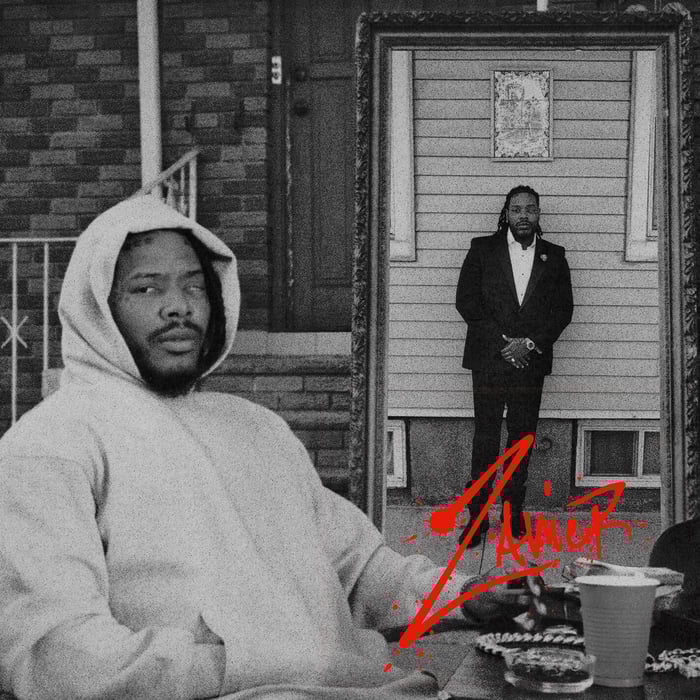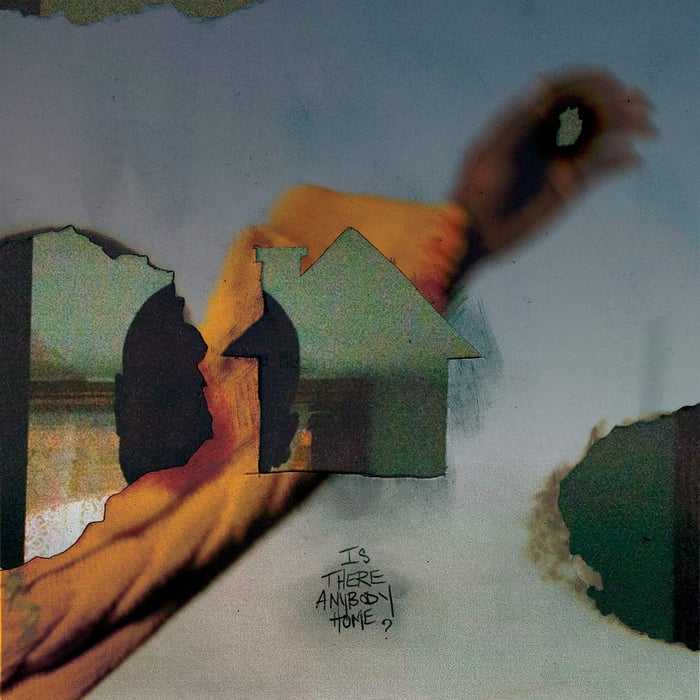
MEMORIA in Blue Review: Noah Guy Turns Heartbreak Into Warm Static


 See more Architeg Prints stories on Google.
MEMORIA in Blue Review: Noah Guy Turns Heartbreak Into Warm Static
MEMORIA in blue is a debut that dares you to like the rough edges—pandemic mic, couch-surf momentum, and songs that burn promises on purpose.

A debut that doesn’t “introduce” itself—it moves in
Some albums politely explain who they are. MEMORIA in blue doesn’t. It just shows up with a bruised voice, a producer-roommate’s fingerprints all over the walls, and the slightly unnerving confidence of someone who learned to write songs because there was literally nothing else to do.
I can hear the origin story in the audio grain: Noah Guy locked in his parents’ place outside Philadelphia during the pandemic, armed with a cheap Walmart mic and GarageBand, turning songwriting into a daily habit like brushing his teeth. That routine didn’t stop when the world reopened—it just relocated with him to Los Angeles, where he spent his first year couch-surfing and recording Who’s Taken Time?!, two five-song EPs that feel like a flare shot into a small but growing crowd.
And MEMORIA in blue? This is what happens when the flare actually lands and starts a controlled burn.
The roommate-producer closeness is the album’s real “concept”
Here’s the part that makes the album feel less like a “project” and more like a shared living space: most of it is built with Devin Concannon (Choob), who produces nine of the ten tracks. They didn’t meet through some glamorous scene—Concannon sent a beat pack online. That turns into a lease, then into a daily creative schedule, and you can feel the closeness in how the songs behave.
This is an arguable take, but I’m sticking with it: MEMORIA in blue isn’t trying to be experimental. It’s trying to be lived-in. The production keeps choosing the human option when the lazy digital one would’ve worked fine. Programmed drums sit cushioned inside live instrumentation; keys float up and disappear again; guitars show up in places where a loop could’ve done the job. The result is warmth—but not the soft-focus kind. More like a lamp in a room where you’re still arguing.
I kept waiting for the production to “go big” in that debut-album way, like it wanted to prove something. It mostly refuses. That restraint feels intentional, like they’re protecting the songs from their own ambition.
That voice isn’t cleaned up because the scuffs are the point
Noah Guy’s vocals are stacked and doubled constantly, almost like he’s trying to surround his own doubts. And he doesn’t tune them. Not the modern “raw but still aligned to a grid” trick—just straight-up letting the imperfections stay where they land.
You can hear a Philadelphia record-shop education in the way his voice leans into soul history—Gamble & Huff, Motown, and that Soulquarians orbit (D’Angelo, the Roots) lurking in the phrasing and the trust in groove. The grain is the instrument here: full-throated, a little scraped at the edges.
At first, I thought the doubling would distract me, like it was trying to hide thinness. On second listen, it hit me: the doubling isn’t camouflage—it’s pressure. MEMORIA in blue keeps making the voice sound like it’s arguing with itself in stereo.
“Green Vows” is where the album stops being polite
The record’s angriest moment is “Green Vows,” and it doesn’t cosplay fury—it commits. Guy pushes his voice hard enough to meet what he’s saying, which is basically: you killed my desire, you burned every promise, and you replaced tenderness with violence.
The lines climb higher and higher—“You brought me to the fire / You dampened my desire / One touch broke the way I love”—and you can hear the vocal grain thicken as he heats up. The title is doing double-duty too: it’s vows, but it’s also greenbacks—money burning alongside intimacy, like the whole shared life got tossed into the same blaze.
Arguable but true to my ears: this song is the album’s spine. Everything else is either recovering from it or trying to outgrow it.
“Again” waltzes away from betrayal like it’s practicing dignity
The album pivots into “Again,” and the time signature tilt matters. It slips into waltz time—this swaying motion that makes the bitterness feel… composed. Not forgiven. Just carried with posture.
The message is blunt: don’t come back. He’s not about to teach someone how to earn what they already squandered. The verse gets painfully domestic and specific—he spells out the room imagery like he’s forcing the listener to stand inside it: the same room used for intimacy now used for betrayal. “Made your bed now.” It’s not a poetic abstraction; it’s a floorplan.
And that’s a creative decision I respect: the song gives the listener a graceful rhythm while refusing to offer a graceful outcome. That contradiction is the point.
“That’s My…” replaces rage with confusion—and that’s nastier
The sway carries into “That’s My…,” but the emotional temperature drops. The fury drains out and leaves something more uncomfortable: confusion. He wants to be held up “like I’ve been holy,” wants to feel big, but the other person keeps covering his dreams in smoke and screams.
This is where MEMORIA in blue starts showing its real agenda: it’s less about losing love and more about losing faith that love was ever the other person’s goal. That’s a harsher grief than a breakup. A breakup implies something existed first.
I’ll admit I’m not totally sure whether the song is asking for devotion or mocking the idea of it. It kind of does both, and that ambiguity makes it stick.
“My Loss” breathes differently—and the guest verse changes the room
Then “My Loss” shows up with a different kind of patience. Billy Lemos produces this one, and you can hear the contrast immediately: the beat breathes where Choob’s tracks tend to press. It’s open-handed, not as tightly clenched.
And it benefits from that difference. The track feels like someone finally unclenching their jaw mid-conversation.
Amaria takes the third verse—she’s been in Guy’s orbit since those cabin sessions at Lake Arrowhead—and she flat-out shifts the emotional geometry. Her delivery is where the line
“I can’t wait for you, baby / I know things fall apart”stops being a poster and becomes fatigue you can taste. She isn’t performing heartbreak; she’s narrating a decision: the moment someone stops waiting.
Arguable claim: her verse doesn’t “feature” on the song—it corrects it. It flips Guy’s grief to the other side and makes the whole track feel more honest, because now the listener has to accept consequences, not just pain.
“Bella’s Sound” is tenderness and rebellion in the same snapshot
The album also makes room for gentler corners without turning corny. “Bella’s Sound” sits with that familiar ache—someone still on his mind after time apart, the wondering if they look fine, or even better now.
But the detail that keeps it from being just another ex-orbit song is a single domestic image that holds two generations at once: a mother praying over a granddaughter while Guy covers his skin in leather. Tenderness and rebellion occupying the same household, like two radios playing different stations in adjacent rooms.
That’s the thing: MEMORIA in blue doesn’t write “about feelings.” It writes about the furniture around the feelings.
“Bluesy Mae” isn’t blues—it’s someone slipping through your hands
“Bluesy Mae” lets guitars do most of the talking, even though it doesn’t actually play like blues. The title feels like a lure. The song’s real subject is motion: Lucy high, Lucy low, Lucy running through town all night.
Guy sits in that awful in-between place—adoration mixed with the admission that the laugh doesn’t cut anymore. Near the end, he breathes, “God forbid that you smile,” and it lands as half wish, half fear. Like her joy costs something. Like it always has.
And here’s a mild criticism, because the album earns it: I wanted one more lyrical turn of the screw here—one more concrete detail to match how vivid the guitars feel. The atmosphere is right. The precision slips for a second.
Still, I respect that the song refuses to “resolve.” No moral. No epiphany. Just the outline of someone who changed how he felt about feeling.
“Cézanne” makes absence visual—and then repeats it until it’s true
On “Cézanne,” Guy traces the steps of a vanished relationship and compares absence to a painting where close strokes never touch—marks near each other that still don’t meet. It’s a smart metaphor because it doesn’t romanticize distance; it makes distance irritating.
The other person takes a plane to Denver. He leaves the painting behind, hoping they’ll pick it up and grieve the same way. They won’t, and he knows it. The line
“But your heart don’t grieve the same, baby”repeats until it stops being an accusation and turns into a fact he has to carry.
Arguable take: the repetition is the closure. Not because it feels good—because it feels inevitable, like he’s drilling the truth into himself.
“Higher” finally lets the body move, even while the mind stays haunted
“Higher” flips the mood entirely. The percussion chops and stutters in a way that nods toward the kinetic snap of Amerie’s “1 Thing,” and then the groove opens into something upbeat—danceable, even while the lyrics keep one eye on the bruise.
Guy’s prayer—
“We pray for forgiveness / and take off all our armor”—rides a beat that actually wants to move. The word “grieving” shows up one last time, but the drums are pushing forward, reaching for something brighter than the fear will comfortably allow.
This is where I realized my first impression was wrong. I assumed the album’s goal was to document pain with style. It’s not. It’s trying to prove you can want something bigger than the hurt without lying about the hurt. That’s a harder trick than sounding sad.
So what actually works here—and what doesn’t?
To keep it blunt, MEMORIA in blue wins when it chooses specificity over drama, and when it lets rhythm carry the emotional weight instead of begging the listener to feel something.
What lands hardest for me:
- the scorched vow imagery and vocal push of “Green Vows”
- the poised, spinning refusal inside “Again”
- the airy patience of “My Loss,” especially once Amaria changes the angle
What occasionally trips:
- a couple moments where the mood is immaculate but the lyric gets slightly more generalized than the instrumentation deserves (it’s not frequent, but you notice because the rest is so intentional)
Still, that’s debut-level mess I can live with—because the album’s core decision is rare: it trusts the scuffed voice, the human timing, the roommate-lab closeness. It doesn’t sanitize the evidence.
Conclusion
MEMORIA in blue sounds like someone who learned to write every day, then refused to unlearn it when life got mobile again. It’s warm without being soft, wounded without being precious, and brave enough to leave the scratches in.
Our verdict: People who like soul-educated voices, lived-in production, and breakup songs that name the room (not just the feeling) will actually like this album. If you need pristine tuning, big chorus fireworks, or “closure” tied up with a bow, you’ll get annoyed and wander off by track three—probably muttering that it’s “too raw,” which is kind of the whole point.
FAQ
- What is the core vibe of MEMORIA in blue?
It’s intimate and warm, but it doesn’t comfort you. The grooves move, the lyrics sting, and the vocals keep the scuffs instead of hiding them. - Who produced MEMORIA in blue?
Devin Concannon (Choob) produces nine of the ten songs, and Billy Lemos produces “My Loss.” - What makes Noah Guy’s vocals stand out here?
He doesn’t tune them, and he stacks/doubles his voice a lot—so the grain and strain become part of the hook, not a flaw to polish away. - Which tracks hit hardest on first listen?
“Green Vows” is the immediate gut-punch. “Again” sneaks up with its waltz-time grace. “My Loss” opens the air and lets the emotion spread out. - Is MEMORIA in blue more about anger or sadness?
Both, but it’s really about trust collapsing—trust in love, in symmetry, in grieving the same way as someone else.
If you want a physical reminder of this album’s “warm static” mood, a good album-cover poster does the job better than another playlist scroll. You can shop your favorite album cover poster at our store here: https://www.architeg-prints.com
 | DISCOUNTGET 30% OFF*Use code on your next order:
|
* This post may contain affiliate links, meaning we earn a commission if you make a purchase through these links, at no additional cost to you.