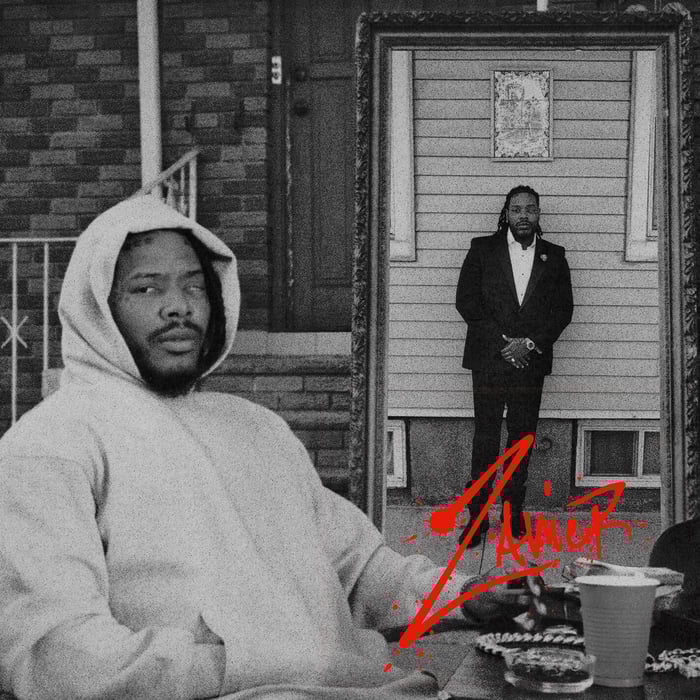
Chief Keef Skeletor Review: Grandma Advice, Gun Talk, and Zero Apologies


 See more Architeg Prints stories on Google.
Chief Keef Skeletor Review: Grandma Advice, Gun Talk, and Zero Apologies
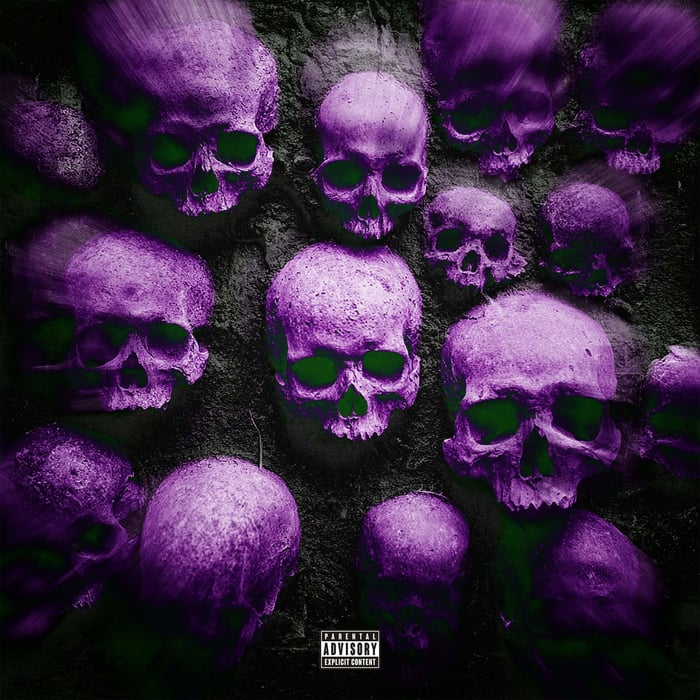
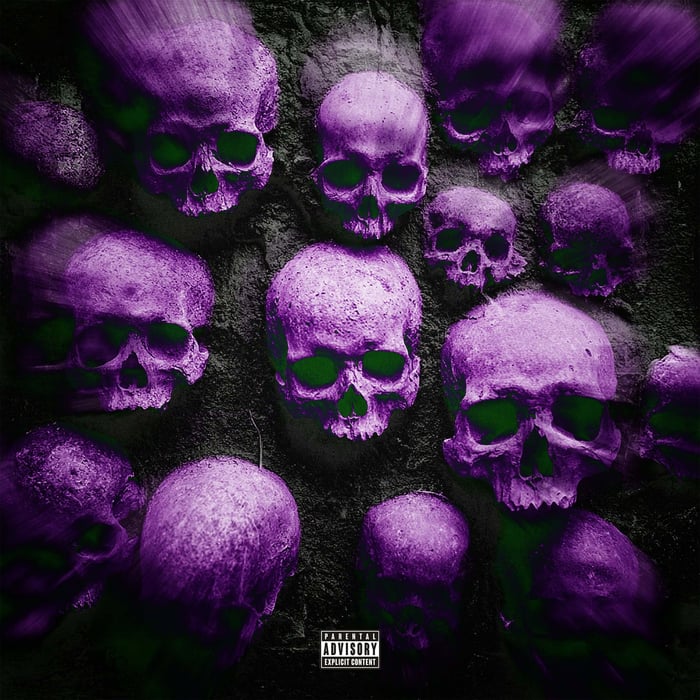
Chief Keef Skeletor is grief dressed as flexing—kitchen-table memories cutting through chains, court dates, and the trap’s 24-hour clock.
He turned 30 and did the most Keef thing possible: nothing
Some artists hit a milestone birthday and throw a parade for their own myth. Chief Keef turned 30 and basically refused to celebrate in public, which—after listening to Skeletor—sounds less like mystery and more like intent. This record doesn’t act like a victory lap. It acts like someone walking through his own life while pretending he isn’t.
Keef has been famous since he was a teenager: “I Don’t Like” made him a local eruption, Finally Rich made him a mainstream event, and then the label situation collapsed and he pivoted into running 43B out of Los Angeles without begging anyone for another deal. Meanwhile, a whole generation traced his early blueprint. Some of the people who copied the style ended up bigger than him in numbers, and some ended up dead. That’s not trivia here—it’s the air the songs breathe in.
What surprised me is how Skeletor doesn’t feel like him trying to reclaim the crown. It feels like him accepting that the crown is heavy and kind of stupid, but still wearing it because it’s welded on.
The real engine of Skeletor is Margaret Carter—and Keef knows it
Here’s what this album is actually doing: it’s building a shrine out of throwaway lines.
Keef’s grandmother, Margaret Carter—the woman who raised him—died in March 2022. I kept hearing her presence like a recurring room tone. She’s not a cute “tribute” tucked into one track. She’s threaded across Skeletor like the only voice he fully trusts.
“Harry Potter” straight-up drops her line like it’s scripture:
“Tie the bread up before it go stale.” — Chief Keef (quoting his grandmother)
That’s the point. This isn’t written like a sentimental Hallmark moment. It’s delivered like something you repeat automatically because you’ve heard it your whole life at the kitchen table.
Then “The Real Chief Keef” pulls a trick I didn’t expect: she’s there like she’s in two rooms at once—catching him in the pot, catching him in the jar—and the threat isn’t just “don’t steal,” it’s “your mom will break your jaw too.” Keef frames it like a memory you can’t edit: funny, strict, loving, violent around the edges because the environment was.
On “Slide,” he gives her a full clean sentence—“Granny knew that I was smart because she hate dummies”—and the phrasing lands harder than any brag because it’s the kind of compliment that actually sticks to a person. On “Only for the Night,” he talks to her directly: “Don’t worry ‘bout me, okay? I’m a soldier, I’ll be okay.” That line sounds brave until you realize it’s a kid’s line—grown-man voice, kid logic.
And “Breaking Down” doesn’t just mention the loss; it compares the aftermath to postpartum. That’s a weird comparison, and I’m not even totally sure I’m reading it “right,” but it felt like him describing grief as this physical, hormonal crash—your body doing something against your will.
He keeps returning to specifics: she took him to the dealership, she took him to the store and told him, “Don’t ask for shit.” On “Harry Potter,” she finds his gun and calls him “a trip.” Listening to this at 30, Keef sounds like he’s carrying these moments around fully memorized, not dramatized—more like inventory than poetry.
And honestly, the grandmother material alone separates Skeletor from the rest of his catalog. Not because he suddenly got “deep,” but because he finally lets the most important person in his story speak.
Flexing and childhood humiliation sit in the same verse on purpose
The album loves stacking contradictions until they spark.
Keef flashes back to stealing fans from Walgreens, performing on his bed with no audience, wearing old pants on the first day of school. “Breaking Down” drags that early-life embarrassment into the present—and then, a couple verses later, he’s talking about a hundred-thousand-dollar necklace with a cola charm like it’s normal.
That whiplash isn’t sloppy writing. It’s the whole psychological picture: the kid who got clowned is still driving the car. The money doesn’t delete the humiliation; it just buys louder ways to talk over it.
“The Real Chief Keef” is inspired by Eminem (you can feel it in how he treats images like punchlines), and he drops a Rolls-Royce comparison—pitch-black panther energy—and then immediately admits being broke and unable to cope in the same breath. No pause. No “but now I’m good.” That’s not accidental. That’s him admitting the flex is a costume he changes in and out of mid-sentence.
“Harry Potter” says it in the plainest possible math:
“Ain’t get my GED, but I get every dollar.” — Chief Keef
That’s not a motivational quote. It’s a confession with a grin: the education gap doesn’t haunt him because the income numbed it, but the line still sounds like he remembers exactly what he missed.
Money talk gets weirdly practical—like he’s auditing his own decisions
A lot of rap treats money like fantasy. Keef treats it like a messy receipt pile.
On “Video Shoot,” he admits he should’ve bought real estate, but his “dumb ass” bought a chain instead. That’s the kind of self-drag most rappers avoid because it punctures the myth. Then he follows it with a practical detail: he pays for cars in cash so they can’t get repossessed. It’s a flex, sure—but it’s also paranoia with a calculator.
“24Hrs” does that obsessive-number thing: twenty-four against Kobe’s jersey, twenty-four Hermès bags, twenty-four shots for twenty-four cowards, the trap open twenty-four hours. It’s excessive, but it’s also revealing. The number isn’t just bragging—it's a schedule. A loop. A day that never ends.
And the record keeps reminding you where that loop started: he used to walk to school with no shoes. That fact sits behind the cash talk like a quiet accusation—if you came from that, of course you hoard anything that looks like security.
The family moments don’t soften the violence—they make it scarier
The intro to “Only for the Night” is his baby son cooing and babbling—“Say dada”—and for half a second I thought the album might turn sentimental. On second listen, I realized it’s the opposite: the baby voice is there to make everything else feel more brutal.
Right after that, he unloads truths that don’t line up cleanly: he dropped out, he knows nothing about GPAs, he grew up around hustlers and hung around losers, he plans to smoke dope until he’s 72. He even flips the expected “lean makes you sleepy” cliché—he says it keeps him awake. That’s the kind of line that makes you picture someone staring at the ceiling at 5 a.m., not partying.
Then the rules come in: she can come over, but only for the night—because court is in the morning. Romance reduced to logistics. Pleasure boxed into a time slot.
“Mark of Buddha” tries to pivot toward fatherhood like a vow: his son doesn’t have to grow up in the hood, his son is just like him. And then—three bars later—the reality punches through: in Chicago, you can damn near not even go outside with your son. That’s not “storytelling.” That’s Keef exposing the lie we all tell ourselves: that love alone is protection.
And the violence never stops being specific. On “Harry Potter,” he recalls an opp walking up and accusing him of shooting. Keef’s response is basically: yeah, I did it—with my partner. No moral framing, no denial performance.
“Doja” goes full surgical threat:
“You’ll leave with a damn hole in your neck / Surgeons gon’ have to come open your neck.” — Chief Keef
It’s grotesque, but it’s also delivered like routine. The part that lost me, just a little, is how numb some of these threats feel—like the words are so normal in his vocabulary they stop sounding dangerous and start sounding like dead air. That might be the point, but it still flattens a couple moments that could’ve hit harder.
“Mark of Buddha” even shows him shooting at the wrong thing—mistaking “the hype” for an opp and opening fire on the hype. That’s not a cool anecdote. That’s the album admitting the adrenaline has outlived its target.
A few bars later, he’s “beefing with a pint,” not with people. Which is funny in a bleak way: the enemy shrinks from rivals to substances.
And despite publicly being clean from lean for months (as of mid-2024), he still raps about the whole chemical mess in the same verse and keeps it moving—on “The Real Chief Keef,” he even admits he has no business mixing Xans with Wock’. It’s not a “recovery arc.” It’s him documenting temptation like weather.
The features tell you who can stand next to Keef without disappearing
Some guests try to borrow Keef’s aura and end up sounding like cosplay. That doesn’t happen much here.
G Herbo on “Slide” is the clearest win: three kids, a backyard that needs a water slide, Glock under the pillow, “dropped the lo’ and his ass died.” Herbo matches the energy without stealing Keef’s cadence, which is the only way to do it. If you mimic Keef too closely, you turn into a tribute act on his own song.
ian is fine on “Video Shoot.” There’s a ‘16 Westbrook bar that’s narrow and actually funny, but he takes up more space than the track needs. Not a disaster—just that slight feeling of the camera lingering on a side character.
“Shrek and Donkey” is produced by Murda Beatz, and it’s one of only two outside producers on the album (Quadwoofer is the other). The beat choice matters because it frames Keef in this slightly more “industry” lighting, and Keef responds by acting like he’s in a kush coma, wondering out loud if he just saw Shrek and Donkey. It’s ridiculous, but he makes it sound like a genuine hallucination, not a forced punchline. He even tosses in that line about his mother being a GOAT the way Kobe’s mother was—another family reference wedged inside the fog.
“Talking Ish” runs long. Keef rambles through buying cars for Rosa and Harry, dodging court dates, and casually mentioning fifty for a show and fifty for a feature while sounding like he’s asking for neither. Ballout’s spot adds volume, but not much else—more bodies in the room, same conversation.
And that’s maybe my mild complaint with Skeletor: when Keef lets a song sprawl without tightening it, the atmosphere can turn into a haze where the sharpest lines get diluted. The album’s strongest moments are the ones with a clear emotional target—usually his grandmother, sometimes his kid, occasionally his own regret.
Standouts that actually reveal the album’s agenda
If you want the tracks where Skeletor tells on itself, start here:
- “Breaking Down” — where childhood embarrassment, grief, and luxury flexing collide without warning.
- “Harry Potter” — the kitchen-table quotes, the gun story, the GED line; it’s blunt and oddly intimate.
- “Only for the Night” — the baby intro turns the whole song into a stress dream with a court date.
I’ll admit: my first impression was that the grandma samples/quotes might feel like an easy emotional shortcut. But the more the album kept returning to her—mundane lines, strict lines, funny lines—the more it felt like the only honest center this project has. Not “heartwarming.” Just real.
Conclusion
Skeletor doesn’t sound like Chief Keef polishing a legacy. It sounds like him pinning down the parts of his life that still boss him around—his grandmother’s voice, the math of money, the constant threat assessment, and the weird tenderness of fatherhood squeezed between court in the morning and smoke at night.
Our verdict: People who like their rap messy, personal, and unbothered by “growth narrative” will actually like Skeletor—especially if you listen for the Margaret Carter thread. If you want clean arcs, tidy morals, or hooks that politely introduce themselves, this album will irritate you on purpose and then wander off mid-sentence.
FAQ
- Is Chief Keef Skeletor a tribute album? Not in a neat, formal way. It’s more like grief leaking into regular life—quotes, memories, and habits showing up without permission.
- What’s the most emotional moment on the album? “Only for the Night” opening with his son’s babble, then immediately turning into adult stress (court in the morning) hits like a door slamming.
- Does Keef address sobriety directly? He still raps about drugs and admits risky mixing, even after being publicly clean from lean for months. It’s not a victory speech—more like honesty without a bow on it.
- Which feature works best? G Herbo on “Slide.” He matches the temperature without copying Keef’s weird rhythmic instincts.
- What should I play first if I’m new to this era of Keef? “Harry Potter.” It’s the clearest snapshot of the album’s core: family voiceovers, street reality, and money talk in the same breath.
If this album’s imagery stuck with you, a good album-cover poster is basically the adult version of pinning a moment to the wall. You can grab one at our store: https://www.architeg-prints.com
 | DISCOUNTGET 30% OFF*Use code on your next order:
|
* This post may contain affiliate links, meaning we earn a commission if you make a purchase through these links, at no additional cost to you.