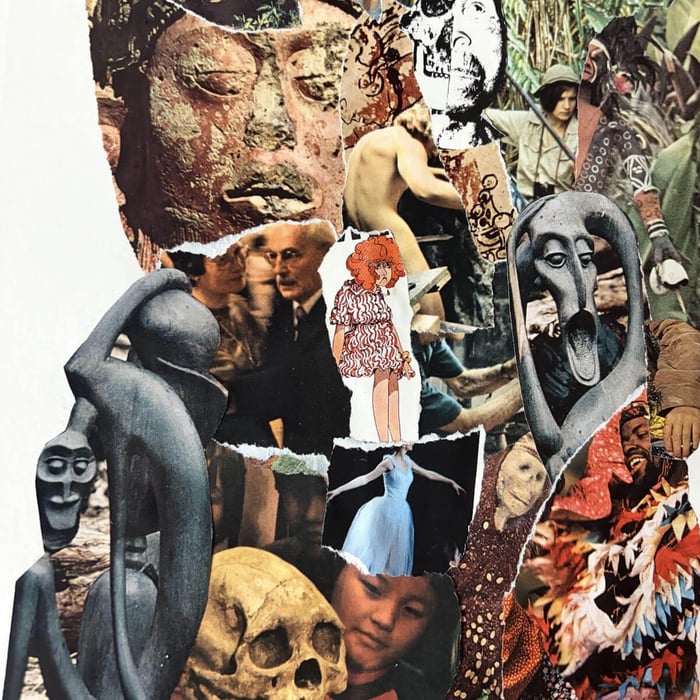
Garden Dance Review: Rap Man Gavin Makes History Sound Uncomfortably Alive


 See more Architeg Prints stories on Google.
Garden Dance Review: Rap Man Gavin Makes History Sound Uncomfortably Alive
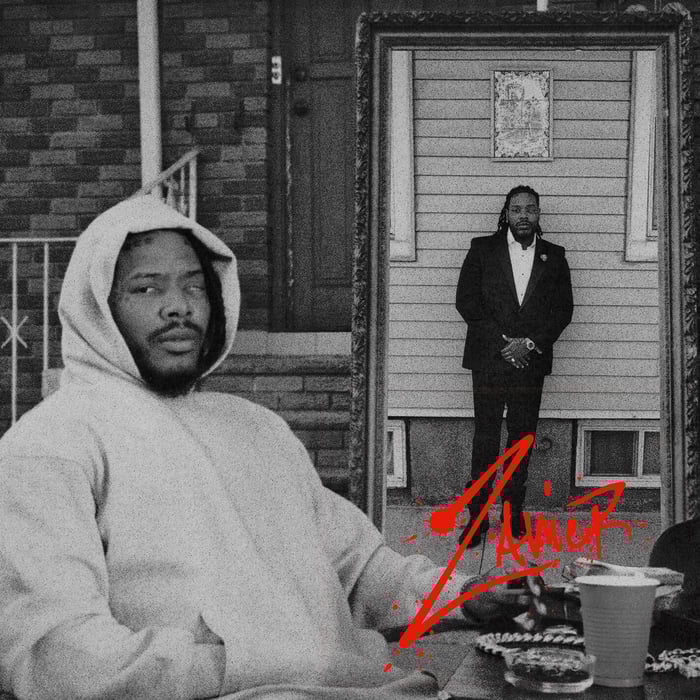
Garden Dance feels like two continents sharing one lung—muddied loops, blunt memory, and verses that refuse to sit politely in the past.
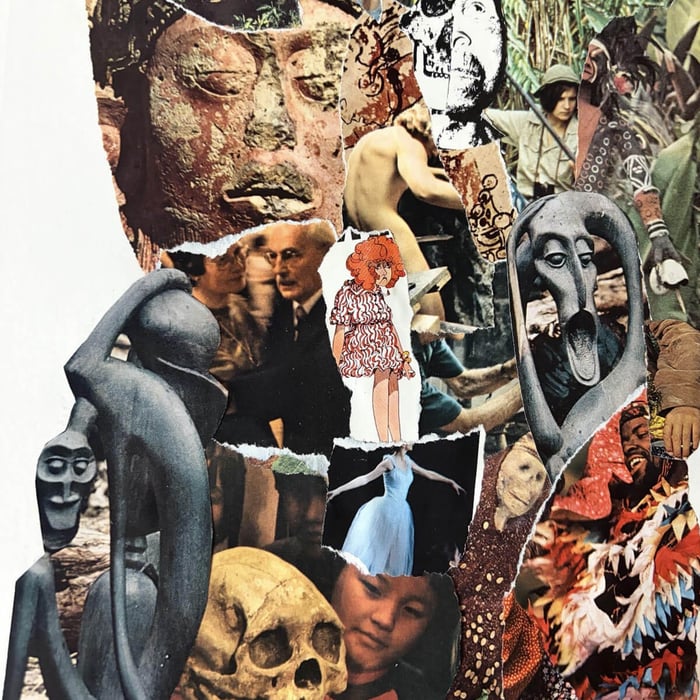
Two Rappers, One Ocean, and a Very Specific Kind of Patience
It’s funny how Garden Dance starts by not “starting” at all. It just shows up, already mid-thought, like you walked into a room where the argument’s been going on for years and nobody’s pausing to catch you up.
Cape Town and Providence, Rhode Island aren’t exactly sister cities. They share an ocean and, apparently, the kind of online music gravity that drags niche artists into each other’s orbit. Rap Man Gavin is 26, operating out of Cape Town and running his own art collective called Bottom Rock. Jesse the Tree is based in Providence. They didn’t meet through a label handshake or a press cycle. They met the way actual underground rap still meets: by finding each other on Bandcamp and deciding the weird overlap was worth pursuing.
Before Garden Dance, there was a slow build. First, the 2022 EP Garden of Now, where “Grim Reaper” paired Gavin’s breathless, clause-stacked writing with Jesse’s loop-heavy, low-register production. Then Gavin pops up again on Jesse’s 2024 album Not Fade Away, trading verses on “Pale Horse.” This album is the full version of what they’ve been circling for about four years—Jesse producing every beat, and the two of them sharing the mic just once, on “Ritual of Art.”
Jesse’s tied to Strange Famous Records (yes, the Sage Francis home base), and Gavin’s running a collective most people outside the underground couldn’t name if you handed them a flashcard. That imbalance could’ve turned Garden Dance into a “producer cosigns rapper” situation. It doesn’t. If anything, the album sounds like both of them agreed to ditch career math and just make the exact thing they were already making in their heads.
Jesse the Tree’s Beats: Muddied on Purpose, Like Memory
The easiest mistake to make with Garden Dance is to expect “harder drums” to show up and rescue you. I kept waiting for that on first listen—some moment where the mix snaps into a clean punch. It mostly doesn’t. And that’s not a flaw; it’s the point.
Jesse’s production runs on:
- muddied loops that feel rubbed-in rather than laid-on
- dialogue samples pulled from psychology lectures
- apartheid-era news broadcasts that don’t “set a scene” so much as haunt the room
- drums that shuffle and smear more than they knock
The beats rarely accelerate. They don’t hype. They don’t really “drop,” either. They cycle, they fog up, they keep a steady temperature. That decision forces Gavin to do what he’s already inclined to do: carry momentum with language, not with percussion.
There is a mild downside, though. A couple times I wanted the low end to stop being so polite. Not louder—just sharper. The drums can feel like they’re wearing soft shoes in a place where boots might’ve told the truth faster. But even that criticism comes with a catch: sharpen the drums too much and you’d ruin the album’s central trick, which is making time feel sticky.
Rap Man Gavin’s Delivery: Clauses in a Sprint, Anger With No Hook
Gavin raps like he’s trying to say everything before someone takes the mic away. His bars are clause-heavy, packed with sub-clauses that bend around corners right before the line ends. The closest shorthand I can land on is somewhere between Milo’s clipped abstraction and billy woods’ conversational winding—except Gavin doesn’t lean on jokes the way either of them sometimes do. He’s not winking. He’s not trying to charm you out of the weight. He’s trying to keep the weight intact.
And that’s the real creative decision here: Garden Dance doesn’t use cleverness as a release valve. It uses cleverness as pressure.
The album keeps putting Gavin’s voice in situations where a normal rapper would reach for:
- a big singable hook to “balance” the heaviness
- a punchline to break the tension
- a threat to turn grief into power
Gavin mostly refuses those exits. When he gets poetic, it isn’t to soften the blow—it’s to make the blow harder to dodge.
“Ritual of Art”: The One Time They Share a Mic, and It Explains the Whole Album
The album’s one shared-mic moment is “Ritual of Art,” and it’s almost rude how clearly it lays out the contrast.
Gavin comes from inside the political. You can hear him digging with his hands—talking about the master bleeding out in the cotton field, about statues that shouldn’t have stood. He sounds like he’s running, not performing. Jesse enters from a cooler distance, painting images that feel half-dream, half-warning: crows drunk-dancing by the window, bloody hands clutching pearls at a wretched golden door.
If Gavin sprints through his anger, Jesse lopes. That mismatch should clash. Instead, it braids. The track lands on a line that feels like the album’s mission statement without announcing itself as one:
This the ritual of art / Half instinctual, lit the spliff in the dark / Brave the dismal elements in absence of a God.
I’m not totally sure whether the song is proud of that “absence of a God” or just resigned to it. On second listen, it sounded less like atheism and more like a dare: can you still make meaning when nobody’s watching?
That’s the album’s real flex—Garden Dance makes art sound like an endurance practice, not a lifestyle.
“Mapungubwe”: A History Lesson That Refuses to Stay Academic
“Mapungubwe” is where Gavin stops implying the album’s scope and just names it.
Mapungubwe was the first state in southern Africa—a kingdom in what’s now Limpopo—with stone ruins that European settlers insisted Black Africans could not have built. Gavin names the track after it and spends three verses moving through that erasure: migration, the deliberate scorching of evidence, the settlers rejecting oral tradition because it wasn’t “written,” like ink is the only form of truth that counts.
What hits is how he keeps the dead and their artifacts in the same breath. The verse doesn’t present history like a museum plaque. It presents it like something still happening in the muscles.
Gold laid with the dead, the sky bronze, serpent’s eyes stay locked / The charms were mercilessly mocked, still they felt the spirits across the whole plot.
That’s the whole album in miniature: the past isn’t “referenced.” It’s in the air. The history curdles into something personal, and Gavin doesn’t pretend he’s unaffected.
I’ll admit, my first impression of this track was that the density might smother the emotion. Then I realized the density is the emotion. The refusal to simplify is the point. He’s not trying to make this easy to quote. He’s trying to make it hard to forget.
Literary Titles That Actually Earn Themselves
Gavin titles another song after Octavia Butler’s Parable of the Sower, and it’s not a cute bookshelf nod. The verse is full of named bone yards with known fascists, freedom fighters stuck on the wrong side of crooked fences, and rich people catching rides instead of learning to fly. In the same breath he drops an Animal Farm comparison—and he means it to sting, not decorate.
A lot of rappers name-drop books like they’re pinning medals to their own chest. Gavin’s references don’t feel like status symbols. They feel like tools. The bars are specific enough to stand next to the titles they borrow, which is rare. Usually, the title does the heavy lifting. Here, the title is just the door; the verse is the room.
And the room is messy. Not chaotic—messy like real life, where moral clarity is easy to chant and hard to live.
Death on Garden Dance Isn’t Poetry—It’s Inventory
Most rappers, when they write about death, write either elegies or threats. Gavin writes inventory. That’s a brutal choice because inventory doesn’t let you glamorize anything. It’s just counting what’s there and letting the count hurt.
On “Charlotte’s Web,” he goes looking for a dead friend’s ashes in outer space. That image could’ve turned into a whimsical metaphor. It doesn’t. He yanks it back down to earth by admitting he’s crippled by the thought of his parents dying. There’s a line that lands like a plain fact you didn’t want to remember:
One call could turn you dead sober.
The second verse keeps picking at it—thoughts bouncing all night, holes in the ground, wanting to fly again. And what’s almost shocking is that the bar doesn’t do anything fancy. It doesn’t need to. It just means what it says, which is the kind of writing that makes you pause the track without meaning to.
“Deep Rest”: Three Verses, Three States of Consciousness
“Deep Rest” is a quiet centerpiece, and it’s doing a pun on the word “rest” without ever stopping to point at itself like “get it?” The track trusts you to keep up.
The first verse has Gavin calling his own mind “an egomaniac” who is “really just a maniac,” while paper changes to ash and he keeps up the act anyway. That’s not a confession wrapped in prettiness. That’s someone watching themselves perform sanity.
The second verse gets darker and weirder: he watches his corpse stand back up, legs collapsing, learning to crawl again. It’s grotesque, but it’s also… practical? Like the imagination is trying to rehearse survival after collapse.
Then the third verse calms entirely. The language turns toward the joy of the pen—horse feet dancing, eclipsing into dragon ink. It’s not a tidy recovery arc. It’s more like the brain finally finds one object it can hold without shaking.
Meanwhile, the beat stays level and unmoved the whole time. That steadiness is a creative decision I’d argue with someone about: it’s either hypnotic discipline or emotional stinginess. I lean toward discipline, but I can see how it might feel like the track refuses to “open up” when you want it to.
“Fauna Song”: The Quietest Protest Is the One That Doesn’t Yell
“Fauna Song” is where the album buries its politics inside the body instead of inside the institution.
The lines hit like grim little equations:
- nine-to-fives replacing ancient prey selection
- money spent on trees to purchase breath
- profit affecting peace
That’s the song’s world: modern life as a trade where you sell your instincts back to yourself in monthly payments.
The hook—“Mirrors scream you’re in a dream / But everything you feel is real”—doesn’t float above the verses like a chorus usually does. It clamps down. It turns the song into a psychological room, where trauma lives deep in the chest and identity forms out of habit, not out of slogans.
This is the album’s quietest protest, and it’s angrier because it barely raises its voice. Loud protest tracks can feel like performance. “Fauna Song” feels like a diagnosis you didn’t ask for.
Where Garden Dance Actually Lands (And Who It’s For)
By the end, Garden Dance doesn’t feel like a “collab album.” It feels like a shared method. Jesse keeps the ground unstable—loops muddy, drums shuffling, samples whispering like old TVs left on in the next room. Gavin keeps moving through it, stacking clauses, dragging history and family and death into the same inventory list, refusing to let any of it become aesthetic wallpaper.
I’m still a little unsure how intentional some of the emotional distance is on the production side. Part of me wonders if a couple beats hide too well behind their own haze. But the longer I sit with the album, the more that haze feels like the truth of what it’s talking about: history doesn’t show up in HD. It shows up smeared, half-heard, interrupting your day.
And if you want a neat takeaway, you’re going to be annoyed. This record doesn’t hand you one. It hands you a shovel.
Conclusion
Garden Dance is what happens when two rappers decide the point isn’t to entertain you through the pain—it’s to make you feel how long the pain has been sitting there, unclaimed, like a package nobody wants to sign for.
Our verdict: People who like their rap dense, literary without being decorative, and politically sharp without turning into a lecture will latch onto Garden Dance. If you need booming drums, obvious hooks, or a clean “message,” you’ll bounce off this like it’s homework—because, honestly, sometimes it kind of is.
FAQ
- What is the core sound of Garden Dance?
Muddied loop-based production, shuffled drums, and dense rap verses that prioritize meaning over catchiness. - Do Rap Man Gavin and Jesse the Tree rap together a lot on this album?
No—Jesse produces everything, but they share the mic only once on “Ritual of Art,” which makes that track stand out. - Is Garden Dance heavy on historical and political themes?
Yes, especially on “Mapungubwe,” where Gavin moves through cultural erasure and the rejection of oral history. - Are the book references on the album just name-drops?
They don’t feel decorative. The Parable of the Sower and Animal Farm references land because the verses carry specific images and arguments. - Which tracks make the strongest entry point?
“Parable of the Sower,” “Ritual of Art,” and “Mapungubwe” are the clearest windows into what Garden Dance is doing.
If the album’s imagery stuck with you, a good album-cover poster is basically the only “merch” that matches this kind of slow-burn obsession. You can browse prints at https://www.architeg-prints.com.
 | DISCOUNTGET 30% OFF*Use code on your next order:
|
* This post may contain affiliate links, meaning we earn a commission if you make a purchase through these links, at no additional cost to you.