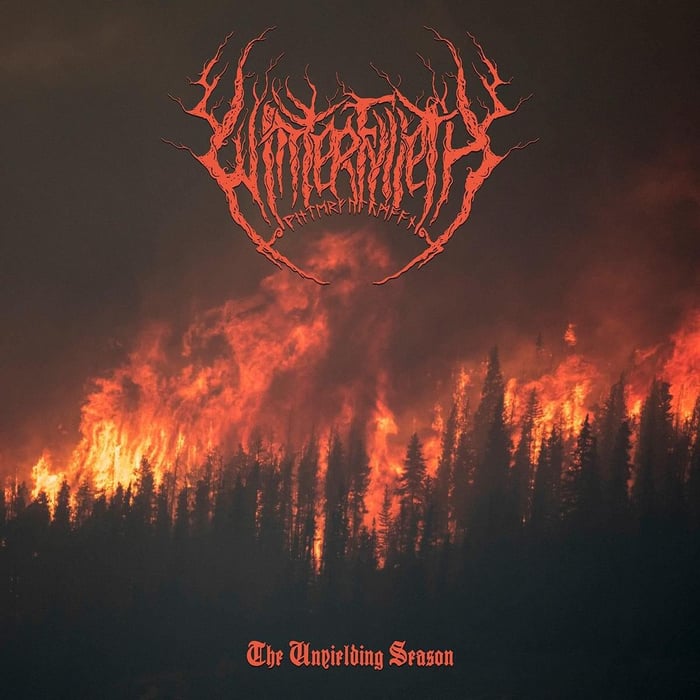
The Unyielding Season Review: Winterfylleth’s “Nature Sermon” Goes Loud


 See more Architeg Prints stories on Google.
ALBUM REVIEW: The Unyielding Season – Winterfylleth
An in-depth exploration of Winterfylleth’s latest black metal album, The Unyielding Season, highlighting its unique blend of nature-inspired themes, melodic black metal, and atmospheric storytelling.
Black metal as a soapbox (yes, really)
Black metal isn’t the first genre you’d throw on when you want to say something that matters—unless what matters to you is an extremely specific argument with the universe. The stereotype is all scorched-earth ideology and theatrical blasphemy. But some bands have always treated heavy music like a megaphone: comedy, history, grief, place, politics-by-proxy. It’s built to be vocal, even when the vocals sound like they’re being transmitted through a storm.
That’s where The Unyielding Season makes its point without asking permission. Winterfylleth aren’t trying to “redeem” black metal or soften it into mood music. They just keep dragging the genre back toward nature and folklore, like they’re sick of everyone pretending the only acceptable subject is the occult equivalent of an edgy diary. In a scene that can get controversial just by existing, their focus feels almost defiant: the land, the old stories, the sense of home.
And, honestly, on my first pass I expected the concept to feel like window dressing—pretty themes slapped on top of blast beats. But the longer I sat with it, the more it felt like the actual engine of the record.
“Echoes In The After” kicks the door in—then refuses to sing the chorus
The album’s second track, “Echoes In The After,” doesn’t ease you into anything. It drops doomy, heavy riffs right on top of blast beats and throws the vocals in immediately, like the band’s allergic to gentle introductions. It’s an almost rude start to a song that runs close to six and a half minutes, and it works because it feels intentional: no atmosphere-building preamble, no polite scene-setting. Just weather.
The smart flex here is the chorus—because it’s basically instrumental. No big “here’s the line you scream” moment. The guitars are told, very clearly, you’re the hook. And they listen.
There’s a solo section that does a funny trick: it starts a little underwhelming, almost like it’s buying time. Then both guitars begin harmonizing and the whole thing turns haunting, the way a landscape gets scary when the fog drops and you realize you’re alone. The song circles back, and when the harmonized melody returns again—this time with vocals riding it—it feels like the band finally lets the human voice “join” what the instruments have been saying all along. Then it fades out instead of triumphantly ending, which reads to me like a refusal to provide closure on purpose.
“A Hollow Existence” flirts with punk rhythm—and gets away with it
From there, the next track (the album doesn’t waste time pretending each song lives in a different universe) starts with a drum fill loop that repeats until the vocals arrive. It’s a simple move, almost stubborn. Then the guitars step in and—this is the part some people might argue with me about—it gives off a Watain-like vibe in the way it struts into place. Not a copy, not a cosplay, more like a similar posture: shoulders back, chin up, ready to charge.
The chorus keeps pushing forward with a punk-inspired rhythm, and the hook ends up being one of the record’s easiest moments to grab onto. It’s catchy without turning “radio.” That’s a rare sweet spot for black metal bands who want melody but don’t want to sound like they’re begging.
The bridge is where the track stops being coy. Blast beats take over and suddenly it leans more traditionally black metal, like it remembered what neighborhood it lives in. Then it returns to the chorus again, and the ending drops into a slower, ambient-led section that feels strangely peaceful—like reaching a clearing after a steep climb.
If I’m nitpicking, this is where I briefly wondered if the band leans on that “peaceful outro” feeling a little too comfortably. It works, but it’s a move they clearly know is effective—and you can almost hear them reaching for it.
The title track makes doom feel dramatic, not sluggish
Sliding toward the halfway point, “The Unyielding Season” (the title track) opens with another gothic, doomy riff, then lets the drums come in to introduce the vocal presence properly. It doesn’t hit like a surprise so much as a statement: this is the shape of the album.
After the first verse, the song gets more atmospheric without getting softer. That’s the key. The heaviness stays, but it becomes moodier and more dramatic, like the same storm viewed from a different hill.
Then comes a guitar solo that’s honestly the emotional hinge of the track. It begins without drums, and for a moment it’s almost naked—just melody hanging there. When the beat returns, the emotion lands instantly, like your body finally remembers to breathe again. Vocals come back after the solo and create a semi-melody with the guitars, almost like a melodic death metal hook—but not in a “we’re switching genres now” way. More like Winterfylleth borrowing a technique to make the point sharper.
The ending mirrors that same vocal-and-guitar pairing, and it closes in a way that feels satisfying because it doesn’t try to outsmart itself.
The interlude isn’t filler—it’s the album admitting it needs air
Right after the title track, there’s an interlude built from acoustic guitars and subtly layered synthesizers. And no, it isn’t there just to pad runtime or give the listener a bathroom break. It feels like the album taking a breath on purpose—like stepping under tree cover and letting the wind noise drop.
It also sets up what comes next: the record’s longest journey.
The long song goes sci‑fi first… then remembers it’s made of dirt
The longest track on the album starts in a way that’s almost comically unexpected for black metal: synths that feel like they escaped from a sci‑fi show. That choice could’ve been corny. I kept waiting for it to fall on its face. But it doesn’t—mostly because the band treats it seriously and doesn’t wink at the listener.
When the non-distorted guitars finally flip into full heaviness, and the vocals arrive, the track doesn’t “start” so much as ignite. Everything speeds up, but the wild part is the pacing: the first verse doesn’t arrive until around three minutes in. That’s a confidence move. It’s also a mild gamble. If you don’t buy into their atmosphere-building, you’ll call it indulgent. I can’t totally argue with that complaint… even though the payoff worked on me.
An instrumental passage leads into an incredibly melodic hook that again brushes up against a melodic death metal feeling. Then after the second chorus, the song moves through a simple musical passage into an uber-catchy, guitar-driven section—the kind of part that could’ve been cheap fan service, but instead feels like the album finally letting the sun hit the riff.
And then Winterfylleth return to their atmospheric strength to close the whole journey out, like they’re determined to end in fog instead of fireworks.
“Enchantment” closes the record by borrowing someone else’s gloom—and making it theirs
The closer, “Enchantment,” is six seconds shorter than “In Ashen Wake,” so it nearly ties for the album’s longest track. And it plays like one final hike—except this time the trail is partially mapped already, because it’s a cover of Paradise Lost, specifically the opening track from 1995’s Draconian Times.
This is where Winterfylleth reveal something important about what they’re doing on The Unyielding Season: they’re not allergic to melody that’s clean.
There are moments where the clean vocals lean almost hard rock in the verses, which is an odd fit on paper—but in practice, it helps underline the gloomy atmosphere instead of puncturing it. In the choruses, those clean vocals elevate the gloom the band is clearly chasing, like they’re turning the lights lower rather than turning them off.
Sometimes the guitar melodies exist to frame the vocals and make them stand out. Other times the guitars don’t need help and just carry the emotion on riffs alone—melancholic all the way through. The solo section starts with the chord progression from the chorus, then lead guitarist Russell Dobson steps forward and adds another melodic layer. When the drums speed up one last time, it feels like the album making its final push uphill.
And then the record ends in a way I didn’t expect: a peaceful keyboard section that repeats the chorus, surreal partly because the synths have mostly stayed in the background across the album. Here they finally walk to the front and close the door themselves. It’s oddly refreshing—haunting, but not desperate.
What The Unyielding Season is really doing: making “light” feel earned
By the time the album ends, what sticks isn’t just speed or heaviness. The Unyielding Season stays fast-paced a lot of the time, sure, but it’s also stubbornly melodic, with both guitars constantly fighting to be the main character. The vocals—especially from Naughton—stay consistently solid, and the emotion in his voice lands hardest when the guitars turn dramatic instead of merely aggressive.
This release is Winterfylleth’s ninth, and it sounds like a band that knows exactly how to stay consistent without turning predictable. They come off as one of the more vocal presences in British black metal—not because they’re literally clearer, but because their thematic focus gives the music something to grip besides “darkness” as a vague aesthetic.
The album’s big quiet claim is that even in black metal’s darker corners, you can still see light—but only if the band makes you walk far enough to earn it. I thought that idea might feel corny going in. On second listen, it felt like the whole point.
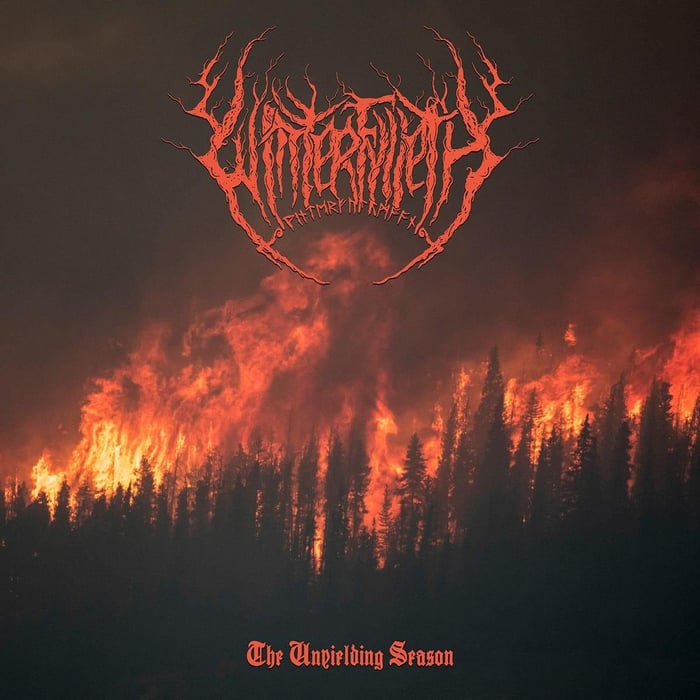
The Unyielding Season is out now via Napalm Records.
Conclusion
The album doesn’t try to be a different genre—it just refuses black metal’s default subject matter and replaces it with weather, memory, and melody that actually stings. When it’s great, it’s because the guitars insist on telling the story even when the vocals step aside. When it drifts, it’s because the band trusts its atmosphere so much it assumes you’ll follow it anywhere.
Our verdict: People who like black metal with real melody, big guitar moments, and nature-and-folklore weight will sink into The Unyielding Season fast. If you want constant raw abrasion, or you think clean vocals in a gloomy cover are automatically “soft,” you’ll bounce off this and go looking for something that sounds angrier at clouds.
FAQ
- What is the core vibe of The Unyielding Season?
It feels like melodic black metal that keeps turning toward landscape and mood instead of shock value—storms, trails, and a lot of guitar-forward drama. - Is “Echoes In The After” a good entry point?
Yes, because it shows the album’s priorities immediately: heavy riffs, blast beats, and a chorus that lets the guitars act like the hook. - Does the album lean more traditional or experimental?
It leans traditional in its aggression, but it’s willing to color outside the lines—especially with synth textures and long-form pacing. - What’s the deal with the Paradise Lost cover?
“Enchantment” closes the record by embracing clean vocals and melancholic riffing, then ending on a keyboard-led exit that feels intentionally surreal. - Who’s the standout musician here?
The guitar work keeps stealing the spotlight, especially when harmonies kick in and when Russell Dobson’s lead lines add that extra melodic bite.
If this record put a specific image in your head—foggy hills, battered trees, a chorus that won’t leave—consider grabbing a poster of your favorite album cover and letting it haunt your wall a little: https://www.architeg-prints.com
 | DISCOUNTGET 30% OFF*Use code on your next order:
|
* This post may contain affiliate links, meaning we earn a commission if you make a purchase through these links, at no additional cost to you.