BFB Da Packman Album Review: GBATFN2 Is a Diet Plan Made of Chaos

 See more Architeg Prints stories on Google.
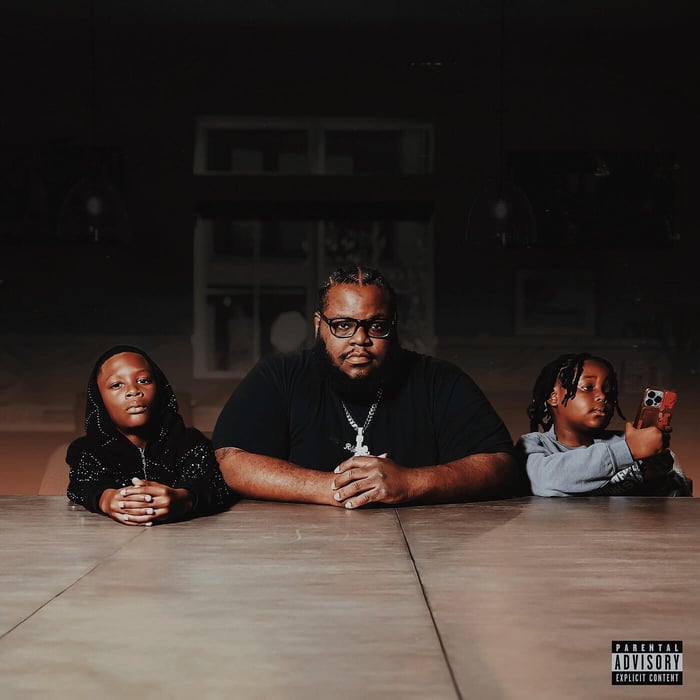
Album Review: GOD BLESSING ALL THE FAT NIGGAS 2 by BFB Da Packman
BFB Da Packman turns BFB Da Packman humor into a medical chart confession—GBATFN2 is funny until it isn’t, and that’s the point.
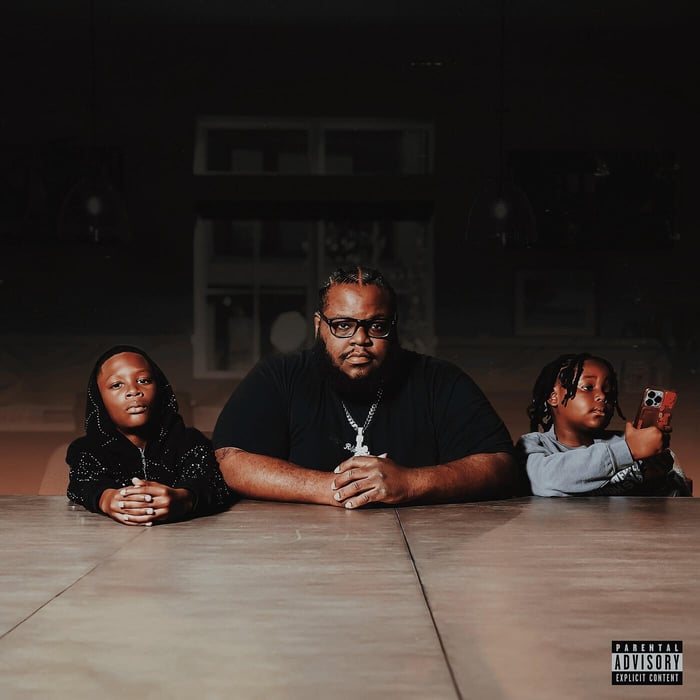
First, the setup: this album is a job resignation letter
BFB Da Packman has always sounded like a guy clocking out mid-verse, but not because he’s lazy—because the joke is that life is the shift. For a while, one of Michigan’s funniest rappers was literally hauling mail for the U.S. Postal Service down in Houston, a Flint transplant moving packages by day and cooking up the nastiest punchlines in the Midwest whenever he could. “Free Joe Exotic,” his 202-area-code tag-team moment with Sada Baby, feels like the crack in the dam where the broader world finally noticed: this dude wasn’t just goofy, he was dangerously good at making humiliation sound like a flex.
And he’s been leaning harder into that bit ever since—calling himself Fat Jesus, greeting you with that telemarketer “Y’ello,” and even doing that weirdly specific thing where he begs you not to say “Lunch Crew Company” on your own, like it’s a cursed phrase that summons him in a mirror.
GOD BLESSING ALL THE FAT NIGGAS 2 reaches back to a blessing he first handed out in 2019, back when the mail route was still his. But the years between then and now left something on the jokes. They still hit, sure—yet the aftertaste is heavier. That’s the quiet trick of this album: it makes you laugh, then makes you notice you’ve been laughing at a guy who’s clearly not doing great.
I thought I was getting another straight comedy tape at first. On second listen, it felt more like a guy using comedy as a seatbelt while the car keeps flipping.
The early run: disgusting punchlines as a survival skill
The album opens by dragging you into the bodily-function trenches and refusing to apologize. On “No Murk”, Packman’s begging for medical help because he’s got dog shit in his pants—an image so aggressively undignified it almost circles back to confidence. Almost. The humiliations stack up fast after that, like the album’s trying to prove it can always get a little worse.
There’s a line where his mom counts the ways he’s skimping and basically suggests he won’t make it past December. Instead of turning it into a tragic monologue, he fires off a one-line complaint about her bedside manner:
“That is a harsh woman.” — BFB Da Packman
That’s the whole approach in miniature. He doesn’t “process feelings.” He cracks them open, sniffs them, and moves on.
Food is treated like a vital sign—bouillon, croutons, a Cornish hen, even a brother with bird flu gets dropped in like it’s normal dinner conversation. And when a woman charges too much? He’s the kind of principled cheapskate who asks for a coupon out of spite. It’s petty, but it’s also a worldview: everybody’s taxing everybody, so why pretend romance is exempt?
On “Lil Crack Baby,” he’s swearing off jewelry for the stock market—like adulthood is just trading one dumb risk for a dumber one—and he wants every last dollar, right down to an EDD check. Even his own relationship gets framed as a confused shrug: “My bitch bad and I’m ugly, wonder what she see in me.” That line isn’t self-pity. It’s him admitting he doesn’t understand how any of this works, which is honestly more relatable than another rapper pretending they’ve got life mastered.
Arguable take: the funniest moments here aren’t “jokes,” they’re Packman insisting on staying unglamorous in a genre that sells fantasy as a basic requirement.
The guest run: everybody shows up to roast, not to rescue
Here’s the bridge: once the world around Packman starts talking back, the album becomes a group chat that no one should leak.
On “Shit Talking Jazz,” KrispyLife Kidd matches him insult for insult. The whole duet is so unserious it turns into them teaching a one-two step and even bickering over how to say “Kris” (is it with the K? he insists). Kidd drops one of those deliberately nasty, unnecessary lines—“She been stuffin’ too many pills, caught a yeast infection.” It’s gross, sure, but it also signals what kind of album this is: nobody’s arriving to classy it up. They’re arriving to get worse.
RMC Mike brings petty shaming on “9 Pills,” clowning a rival for going to jail over “just nine pills.” The track swerves from street talk to dinner flexing—ordering Ruth’s Chris like it’s the adult version of revenge. Packman’s on his own weird diet plan here too: he claims he listens to Kevin Gates to lose weight, then pivots to asking somebody to let 50 Cent know he’s trying to break into acting… before snapping back to the mailman reality. That whiplash is the point. He keeps reminding you the “rapper life” is a costume he’s still adjusting in the mirror.
On “Special Education,” Mike cracks a pint, stacks a hundred, drops the clip, then does it all over again like repetition is its own flex. Packman seals the whole argument with: “Fuck top 5, we the top 1.” It’s a ridiculous line, and it’s supposed to be—because ranking talk is just another way to avoid saying what you’re actually scared of.
Then Key Glock slides into “Cheesing” over late Tay Keith production, posted up in deeper water, measuring his G6 fade against Bobby Brown’s like hair is legacy. Kevin Gates shows up on “CryBaby” fresh from the gym with Morris Chestnut (yes, that’s how it’s framed), telling a woman to “Keith Sweat” to make her last. It’s an absurdly specific macho tenderness, like he’s flirting through celebrity name-drops because direct intimacy would be too normal.
Packman does coast a bit on “Bad Bunny.” He pours Don Reposado “for the section” and chants at a stripper like any rapper with a Miami tab. It’s not awful—just feels like the one place where the album tries on a more standard rap outfit, and the fit isn’t as interesting. The tape is strongest when it’s weirdly personal, not when it’s borrowing nightclub language.
Arguable take: the features don’t “elevate” Packman; they prove he’s the gravitational center because everybody else comes into his clown-car reality.
“MyChart” and the medical-portal romance: the funniest thing is the honesty
So here’s where the album shifts from “ha-ha” to “wait.”
Getting close to Packman apparently requires paperwork. “MyChart” treats the patient portal like the new love language: before emotions, show documentation. It’s funny because it’s bleak—like trust doesn’t exist, only verification.
He keeps that same disclosure policy for himself too: “Should’ve bought a therapist, I rather buy Percs.” It’s a line that lands as a laugh until you replay it and realize he’s not really joking. He talks about planning to die turnt. He sleeps hooked up to a CPAP. The funniest minute of the track might just be him talking—back to Eddie V’s—telling a story about a stranger clocking the Spudd Jeweler chain and him asking his date if the piece was basically moving in across from him. It’s mundane paranoia, played like stand-up, but it also tells you where his mind lives: half flex, half suspicion, all nerves.
Then “Cully Music” ups the absurdity in a way that still feels like a confession. He names a hypothetical daughter Wocktrisha, runs cucumber and kale through a $500 juicer, then tosses down donuts anyway. And he says it plain: “Gotta live for these kids, I can’t drop dead.” That’s not a punchline. That’s a guy looking at his own habits and briefly seeing the ending.
On “ButterBall Shawty,” he tells a woman to send him a pic of her MyChart before he picks her up. It’s a ludicrous bar, but it’s also a clean summary of the album’s emotional logic: intimacy is scary, so turn it into admin.
I’m not totally sure whether the medical framing is a bit he stumbled into or a concept he built on purpose—but by this point it doesn’t matter. It’s working because it fits him too well.
Arguable take: “MyChart” is the real centerpiece, not because it’s the deepest song, but because it makes his whole world sound unavoidably real.
When the purple stops being funny: the album’s mask slips
This is the pivot the album has been hinting at. The purple he sells by the pint—his recurring gag currency—finally stops being cute on “Impossible Happiness.” Here he’s popping pills and chasing a high that never arrives, and you can hear the frustration turning outward: “I lash out, now they calling me thug / Really I’m looking for love.”
And then he says something that’s almost worse because it’s so small: he can’t bring himself to ask his mother for a hug.
A Glock stays under the pillow “for the demons.” He admits he’s tired of living. A woman asks if he feels like he needs pills, and he answers in circles—trying to define right and wrong—then cuts off mid-sentence, like even he doesn’t trust what he might say if he finishes the thought.
The jokes still leak through, even here. On “Self Therapy,” he tosses off: “Lifted did the beat, it’s tighter than a virgin.” It’s a stupid line. It’s also a pressure valve. He requests beats so he can complain to them instead of a woman, which is honestly one of the most believable rapper lines I’ve heard in a while.
He gets personal about family: “My daddy, he was weak, fell victim to that crack / How couldn’t I talk ‘bout him? I fell victim to that purple.” The album stops acting like it’s only about punchlines and starts admitting it’s also inheritance—habits passed down like recipes nobody wanted.
He begs a doctor for another bottle “to kill the pain,” tests his own urine for kidney issues, and promises his sons he’s working on becoming somebody they can follow. That’s not “rapper vulnerability.” That’s a guy trying to negotiate with his future self in public.
Arguable take: this stretch is more effective than the party songs because it doesn’t ask you to clap—it asks you to sit still, which is harder.
“Escort Love”: hunger memories, rules, and the one real currency
Coming out of that darker pocket, the album doesn’t suddenly turn inspirational. It just gets clearer about where he came from.
On “Escort Love,” Packman remembers being hungry—so hungry he chose a fleece over a coat. He brings up black mold, bleach, and the kind of survival math you do when you’re young and broke. He even recalls a teenage rule that’s as brutal as it is practical: before he starts cooking crack, he has to make sure his mom leaves. That’s not a “street bar.” That’s a kid drawing a line in a life that didn’t offer many.
He also makes space to address Jalen Cox (rest in peace), saying he knows Jalen’s proud. The escorts he messes with don’t have to lie to him—another line that sounds like comedy until you hear the exhausted relief under it. Even in transactions, he wants the honesty he can’t get anywhere else.
Family planning shows up again, but not in sentimental language. His “real currency” is cheese—setting aside stacks for his kids for when he’s gone, planning for the afterlife like it’s an expense category. Even the will gets a food joke. Because of course it does. Packman can’t help it. Humor is his way of touching the scary stuff without burning his hand.
Arguable take: the album’s real romance isn’t women—it’s the idea that he might leave something clean behind, even if he can’t live clean.
Where I land: it’s great, but it’s not trying to be pleasant
By the end, I’m left with the sense that BFB Da Packman is making a record that weaponizes silliness to smuggle in panic. It’s a blessing, sure—but it’s also a ledger. A medical file. A kitchen-table confession that keeps tripping over its own jokes because silence would be worse.
If I’m nitpicking, the coasting moments—like “Bad Bunny”—feel like him briefly slipping into default rapper mode, and default rapper mode is not why anyone needs Packman. He’s at his best when the lines are too specific to be borrowed and too uncomfortable to be fake.
Still, the tape sticks the landing for me. Not because it “balances tones,” but because it refuses to. It lets the funny and the bleak wrestle in the same room.
My favorite tracks are “MyChart,” “9 Pills,” and “Self Therapy.” They’re the ones that make the whole album’s logic click: jokes as armor, paperwork as intimacy, and honesty that only shows up when he’s cornered.
Conclusion
Packman’s blessing on BFB Da Packman terms isn’t comfort—it’s recognition. He’s laughing so he doesn’t spiral, then admitting he’s spiraling anyway, then cracking another joke because what else is he supposed to do?
Our verdict: People who like rap that’s messy, hyper-specific, and accidentally revealing will love this album—especially if you think a patient portal can be flirtation. If you need your music “clean,” inspirational, or polite, you’re going to hate this and probably write a stern note to HR about it.
FAQ
- What’s the core theme of BFB Da Packman on this album?
He treats humor like a coping mechanism, then keeps letting the darker reality show through—especially around pills, health, and family. - Is “MyChart” really as important as people say?
Yeah. It’s where the medical framing stops being a joke and turns into a whole way of relating to people. - Does the album stay funny the whole time?
It stays trying to be funny, but tracks like “Impossible Happiness” make the punchlines feel like they’re coming from someone running low on air. - Which tracks hit hardest emotionally?
“Impossible Happiness,” “Self Therapy,” and “Escort Love” carry the most weight without turning into speeches. - Is this a good entry point if I’m new to BFB Da Packman?
If you can handle crude humor and abrupt honesty in the same verse, it’s a strong introduction. If not, it’ll feel like being trapped next to someone oversharing on purpose.
If this album’s cover is going to live in your head anyway, you might as well put it on a wall—shop your favorite album cover poster at our store: https://www.architeg-prints.com.
 | DISCOUNTGET 30% OFF*Use code on your next order:
|
* This post may contain affiliate links, meaning we earn a commission if you make a purchase through these links, at no additional cost to you.