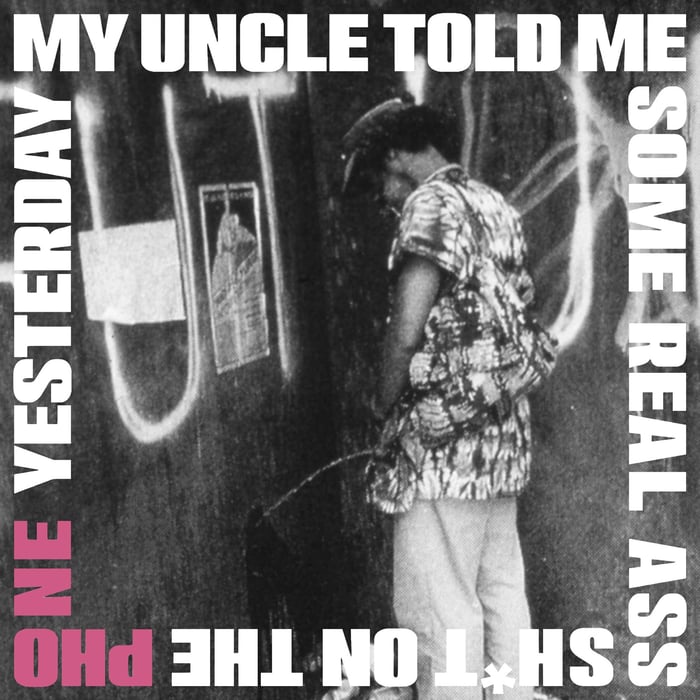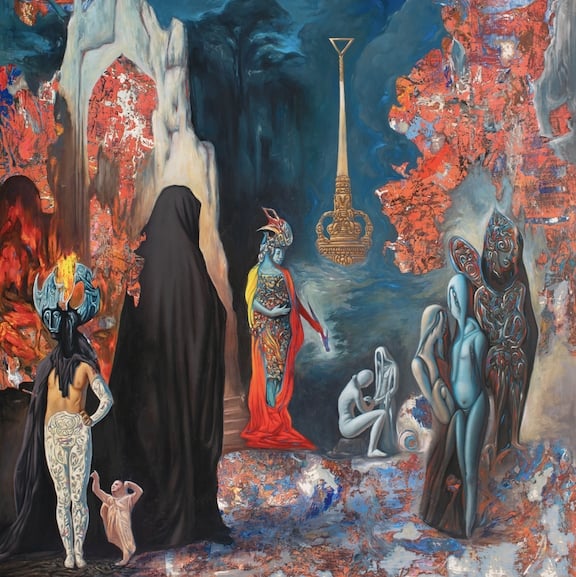
Rite of Passage Review: insyt. Turns Growing Up Into a Contact Sport


 See more Architeg Prints stories on Google.
Rite of Passage Review: insyt. Turns Growing Up Into a Contact Sport
Rite of Passage by insyt. doesn’t “tell a story” so much as bleed one—fatherhood, faith, fear, and ambition stacked until the ribs creak.
Courtesy of Insyt. / EMPIRE.
A record that opens with a lecture—and means it
Some albums ease you in with vibes. Rite of Passage starts by basically grabbing your collar and pointing you toward a podium.
The intro, “Passage,” uses the voice of educator Jawanza Kunjufu from the Rites of Passage into Manhood program. He’s at a lectern, greeting the room, then slicing right into the idea that “modern” Black manhood gets reduced to smoking weed, drinking wine, and producing babies. The sting isn’t subtle. And insyt. clearly wants that sting to stay in the mouth for the rest of the album.
Here’s my arguable take: that intro isn’t “context,” it’s a dare. It’s the album telling you, if you’re going to listen, listen like your definition of manhood is on trial. I’m not even completely sure I agree with the framing, but I can’t pretend it doesn’t set the temperature.
“Shrapnel” and the sound of a man refusing to pause
From there, insyt. comes in like someone who’s been moving for so long he doesn’t remember what rest feels like. On “Shrapnel,” he’s “the papa of the prince,” and the energy is workmanlike down to the last detail—like he’s tightening bolts on his own life.
What hits hardest is the idea that the momentum is compulsory. He keeps pushing while hearing the cracking shells of who he was—and who he’s becoming. There’s a voice in the song describing the urge to make something that doesn’t exist yet, and it fits the whole album’s posture: creation as survival, not as hobby.
That’s a bold choice, and it’s also exhausting on purpose. A lot of rappers perform hustle. insyt. performs the cost of hustle, which is a very different, uglier sound.
“Rib Cage” and “Spilled Ink”: art as hunger, not brand
The hunger gets named outright on “Rib Cage,” with the line:
“Starving, I’m an artist/A heart of hurt mixed with bloody ink.”That’s not cleverness for cleverness’ sake; it’s a self-diagnosis. The “rib cage” image matters because it implies protection—then immediately implies there’s not enough protection.
“Spilled Ink” takes that same blood-and-ink idea and makes it transactional, which is where the discomfort creeps in. He’s getting paid to excavate pain. He’s getting paid to remember. He’s getting paid to walk through glass and keep his viewpoint steady.
My read: insyt. is admitting the contradiction a lot of artists dodge—turning trauma into product might keep the lights on, but it doesn’t magically stop it from hurting. If anything, it makes the hurt more organized.
“360°”: the moment the edge of the bed becomes a cliff
Then “360°” pulls the camera closer. He’s in bed, remembering a dream, asking to be rejuvenated. The verse pivots on that tiny domestic moment—feet near the edge—until it turns into a metaphor that’s way too real:
“Toes pokin’ off the ledge, got me thinkin’ ‘bout the fall/Had me backin’ up my steps, perseverance hit a wall.”
I thought on first listen this would be one of those motivational-reset tracks, the kind that politely nods at anxiety and then speed-walks away from it. But the second time through, what surprised me is how unromantic it is. He doesn’t “power through” in a cinematic way; he hesitates, he backs up, he admits perseverance hits a wall. That’s the part that feels true.
And then he snaps himself back into motion:
“It remind me I exist, know the only way be up.”Not because he’s suddenly fearless—because standing still is worse.
Arguable statement: this is the album’s actual thesis, not the intro speech. The speech is philosophy. “360°” is physics.
“Urgency // Collapse”: resurfacing… and getting told it’s only halftime
By the time “Urgency // Collapse” arrives, it feels like the same escape run—just at higher speed, like he’s testing whether momentum can drown memory.
There’s this clear image of coming up out of water, breathing deep, realizing he paid dues and bought time by letting go of the past years. It’s almost relief—almost. Then a voice cuts in to say he’s only made it halfway and that he’s ready to die.
I’m not going to pretend I know exactly what that voice “is” (conscience? ego? death drive? God?), and I like that I can’t pin it down. The uncertainty is the point: you don’t get to graduate from pressure. You just get better at carrying it.
“Aorta” and “Flatline”: applause, phonies, and a spiritual white-knuckle grip
“Aorta” is where the record starts talking like a man who’s achieved something—and hates what achievement attracts. The aorta is bleeding, phonies are moving everywhere, and the applause stays sweet anyway. That’s nasty. That’s honest.
An old man’s voice calls out not to change because of the phonies—to keep the matter as it is even if no one accepts it. Around insyt.’s verses, borrowed voices sit like corner-men, reinforcing the sense that this is a bout, not a performance. And the road he chose—on “Ebb,” specifically—only leads to this future, and he’s going to reach it. No alternate route, no “maybe I’ll do something else.” Just forward.
Then “Flatline” strips the ego down further. He’s broken, surrendered to God, pleading his case while an audience watches his life on stage and hears his song. The line
“I was even singing in my past life/Music in my flatline”lands like someone who can’t imagine an identity outside the act of making music—even in death, even in the after-image.
Arguable take: the album isn’t celebrating faith as comfort. It’s using faith like a last handhold on a cliff.
“Odds”: two versions of the same man, neither one fully safe
“Odds” splits the persona in a way that feels intentional, not just feature-for-variety. The second verse comes from Eyeswideshut, and it’s the harsher sphere of the hero: humble home, bullet holes through the iron. Trauma is so tight it becomes identity; escape doesn’t sound available.
He’s drinking tall cups, promising loud death if he gets trapped, relaxing near gunshots because that’s the background. It’s not “tough talk” so much as someone explaining what normal has been.
Then insyt.’s side feels calmer—not soft, just calmer. He dreams of a long ride, the kind of freedom he can afford to wait for. He’s still ready to roll the dice and face the odds. The contrast is the point: one voice is braced for impact; the other is trying to imagine a horizon.
My arguable claim: “Odds” is the album’s best balancing act because it refuses to pick a single “correct” version of strength.
“Toll,” “Strife,” and “June Baby”: carrying mistakes without romanticizing them
“Toll” puts the weight of the world in his hand alongside errors he had to restart and regrets he had to leave behind. It doesn’t come off like a diary entry; it comes off like an inventory taken under stress. I kept waiting for some neat turning point—some “and that’s when I realized…”—but the track doesn’t give you that satisfaction. It just keeps walking.
“Strife” is where he says,
“I hope I die warm by the life that I tried.”That line doesn’t beg for sympathy; it’s a standard he’s holding himself to. He thanks the mazes, the shame in the void, the anger he keeps inside, the strife in his core—then comes out alive. There’s gratitude here, but it’s the gritty kind, the kind you only manage when you’ve run out of illusions.
“June Baby” pins him at 24, moving slowly toward 25, thankful with every breath, leaving an address where he could be found. That detail—leaving an address—sounds small until you hear it as vulnerability: if something happens, here’s where I am. That’s not a flex. That’s a man trying to be locatable.
Arguable statement: these three tracks do more for the “rite of passage” theme than any grand speech could, because they treat adulthood as paperwork and scars, not as a trophy.
When the album tries to joke: “Ashes”
“Ashes” is where insyt. attempts to turn the mood into a joke, and—at least for me—it doesn’t get off the ground. Not because humor is “wrong,” but because this album’s whole engine is pressure. When it suddenly winks, it feels like watching someone crack a smile mid-surgery.
He looks in the mirror at the new man in front of him, then he’s off, and the track leaves you with the weird sense that even he never finds out who that new person was.
That might be intentional—growth as a blur—but it’s still the point where I felt the album slip a little. A mild misstep on a record that otherwise keeps its grip tight.
“Carousel”: Kelly Moonstone makes the cycle look easy
The other solo-performer moment is “Carousel” by Kelly Moonstone, and it changes the album’s posture without changing its theme. She sings about cycles of life and where you put your feet in the richest soil. It sounds easy for her to jump on and off the ride, leaving no scratches.
That ease is the provocation. Next to insyt.’s constant grind, her presence feels like someone demonstrating a skill he doesn’t have yet: not just surviving the loop, but stepping out of it clean.
Arguable take: “Carousel” quietly exposes how much of insyt.’s struggle is self-assigned—like he doesn’t trust ease, even when it’s available.
“Matinée”: choking mid-performance, then insisting the work is clean
After that, “Matinée” snaps back into the album’s central anxiety: performance. He starts forgetting lyrics, trips, freezes—wishing for a better situation from the top of the valley—and then starts appraising the songs themselves: only a part of what the songs could achieve.
That’s such a specific fear. Not “what if they hate it,” but “what if it’s not enough.” He rinses, repeats, rinses again, finds his creation unblemished. But the change he wanted was never free.
And here’s where the album gets almost annoyingly honest: if you rap that verse like another rep, the bigger, more genuine claim would be that the change starts from walking—and his feet are already moving. The record isn’t waiting for transformation like it’s a prize. It’s documenting the act of moving while imperfect.
Arguable statement: “Matinée” is the real climax because it admits the scariest enemy isn’t failure—it’s partial success.
Where I land (and what I keep replaying)
I’m not pretending this is a “fun” listen. Rite of Passage is more like standing near someone while they sharpen a blade they actually plan to use.
Still, certain tracks keep pulling me back because they don’t just sound good—they reveal the album’s spine:
- “Odds”
- “Toll”
- “Strife”
Those are the moments where the album stops narrating and starts cornering itself.
Conclusion
Rite of Passage doesn’t ask whether insyt. is becoming a man; it assumes he already is—and interrogates what that costs minute to minute. The record keeps returning to the same uncomfortable idea: you can’t outrun who you were, but you can decide what you carry forward.
Our verdict: People who like rap that treats growth like bruising labor—not a glow-up—will latch onto this. If you need your albums to feel carefree, or you want punchlines more than pressure, this will feel like homework with a heartbeat.
FAQ
- What is the core theme of Rite of Passage?
Manhood as responsibility under stress—fatherhood, faith, memory, and ambition all arguing in the same room. - Who is the speaker on the “Passage” introduction?
Educator Jawanza Kunjufu, speaking in the context of the Rites of Passage into Manhood program. - Which tracks hit the hardest emotionally?
“360°” for the brink-of-the-bed anxiety, “Strife” for hard-earned gratitude, and “Flatline” for its stage-as-life surrender. - Does the album ever lighten up?
It tries on “Ashes,” but the humor doesn’t fully land; “Carousel” offers a different kind of lightness through Kelly Moonstone’s calm. - What are the best starting tracks if I’m new to insyt.?
Start with “Odds,” then “Toll,” then “Strife” if you want the clearest view of what he’s doing.
If you want a piece of this album’s energy on your wall—something that looks good even when the music feels heavy—shop your favorite album cover poster at our store: https://www.architeg-prints.com
 | DISCOUNTGET 30% OFF*Use code on your next order:
|
* This post may contain affiliate links, meaning we earn a commission if you make a purchase through these links, at no additional cost to you.