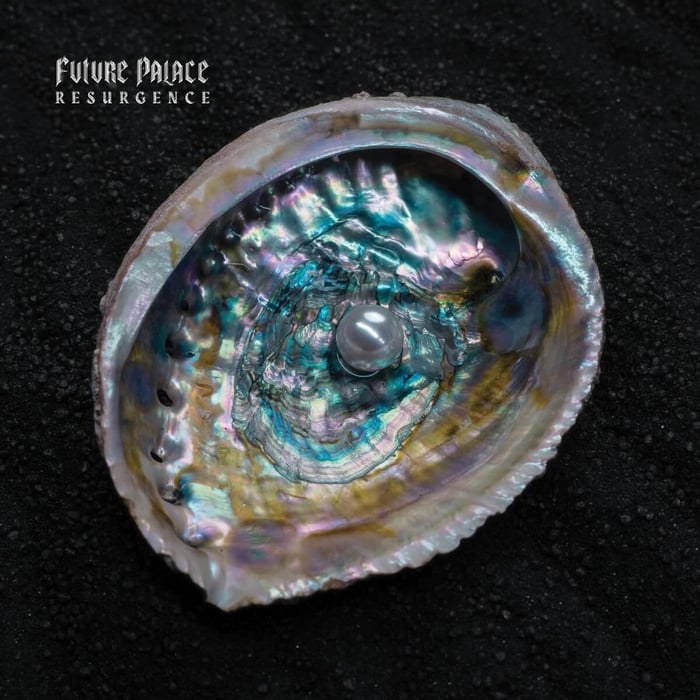
Resurgence Review: Future Palace’s Sea-Sized Drama (Too Big to Ignore)


 See more Architeg Prints stories on Google.
Resurgence Review: Future Palace’s Sea-Sized Drama (Too Big to Ignore)
Resurgence review of Future Palace: a nu-metal-tinged plunge into oceanic dread that weirdly turns despair into horsepower—sometimes subtle, sometimes loud.
The Hook: This record doesn’t “heal”—it dares you to sink
Some albums try to comfort you. Resurgence doesn’t. It stages internal collapse like a weather event, then acts shocked when you call it dramatic.
And yes, I mean that as a compliment… mostly.
The Actual Engine: despair dressed up as strength
Here’s what’s really powering this album: internal battles getting rebranded into momentum. Not in a tidy self-help way—more like someone gritting their teeth in the middle of the undertow and deciding the ocean’s going to lose first.
That impulse—turning despair into force—beats underneath the whole thing. Future Palace keep evolving their sound, but the bigger shift is emotional framing: this isn’t “trapped and panicking,” it’s “lost, vast, and moving anyway.” That’s a choice. A pointed one.
I’m not totally sure whether the album wants to feel empowering or simply inevitable. Sometimes it reads like triumph. Other times it sounds like the band is just getting better at describing the moment before you drown.
The Worldbuilding: an ocean theme that refuses to be subtle
The oceanic concept isn’t just a cute aesthetic; it’s in the pacing, the textures, the way space works between hits. From the first stretch to the final tracks, Resurgence keeps pulling water imagery into sound—wide, unknown, and occasionally terrifying.
And this is where Future Palace kind of show off. Lots of bands can write “evocative” music. Future Palace go further: they mix grit and sweetness like it’s one instrument, like the harsh and the pretty are two currents colliding in the same room.
If their earlier album Distortion felt claustrophobic—tight walls, no control—Resurgence feels like the opposite: open water. Not freedom. Just scale. That’s an important difference. Vastness isn’t comfort; it’s exposure.
Also, I’ll say it plainly: the band clearly wants this to feel cinematic. The scream-to-melody swings are arranged like big camera moves. It’s basically an IMAX experience—except it’s happening entirely in your headphones, which is a slightly ridiculous ambition… and somehow it works.
“Deep Blue”: the opening that doesn’t knock—it throws you in
The album opens with “Deep Blue,” and it doesn’t ease you into anything. The intro cadence feels like being tossed into the sea, that first second where your brain hasn’t caught up to the temperature yet.
What stuck out to me is the instrumental texture that behaves like air bubbles rising—little flickers of motion that keep the track feeling submerged even when it’s not being obvious about it. It’s not just ambience; it’s placement. The band wants you to feel located.
And I thought, at first, this might be one of those intros that only exists to set the scene and then gets forgotten. On second listen, I changed my mind—because the album keeps returning to that same “underwater pressure” idea in different forms. “Deep Blue” is basically the thesis sentence.
Arguable take: if you don’t buy into the ocean framing here, you probably won’t buy the rest of the record either.
“Resurge”: the moment Future Palace stop asking and start commanding
By track two—“Resurge”—they’re in full-force mode. This is the single-energy moment where the band basically plants a flag and dares you not to come with them.
The rasping screams hit with determination that feels new—not because they’ve never sounded heavy, but because the attitude here is more confrontational. It’s not “I’m suffering.” It’s “try to pull me under.”
There’s a confidence in the way the song moves between harsh and melodic bursts, and it reads like a deliberate flex: we can do both, we can do it fast, and we can make it feel like one thought.
And there’s an explicit stylistic experiment baked into it. Guitarist Manuel Kohlert even admits it leaned into a different lane:
“It felt very nu-metal. – Call it another experiment since we haven’t done that kind of music yet.” — Manuel Kohlert
That quote matters because you can hear the band testing the weight and bounce of that approach—less about precision-polish, more about punch and swagger.
Arguable take: the nu-metal edge isn’t a detour—it’s the band giving themselves permission to be blunt.
Risk factor: the band treats “experiment” like a personality trait
What’s funny is that the nu-metal move sounds risky on paper, but for Future Palace it barely counts as misbehavior. This band has always liked big contrasts—sweet melody vs. rough scream, beauty vs. abrasion—so trying on a new heft makes sense.
Still, I did have one moment where the commitment felt a hair too clean. The album wants to be wild water, but occasionally the structure feels slightly… managed. Not sterile—just controlled in a way that undercuts the danger it’s describing.
Mild complaint, but real: sometimes the chaos arrives right on schedule, and unpredictability shouldn’t feel punctual.
Arguable take: Future Palace are at their best when they let the seams show a little.
“Nightfall”: the siren trick—seduction on top, fury underneath
Further down the tracklist, “Nightfall” is where the album’s mythology gets sharp. The vocals act like two sides of a siren: one voice light and mesmerizing, the other furious and jagged.
What makes it work is the layering. It’s not “verse pretty, chorus heavy.” It’s simultaneous contradiction—as if the song is trying to lure you in while also resenting you for being lured.
That dual vocal personality mirrors the music underneath: the instrumentation carries the same mixed message, like the track can’t decide whether it wants to glow or explode. And that indecision is exactly the point. The sea isn’t one mood. Neither is a human brain at 3 a.m.
Arguable take: “Nightfall” is the album’s most honest track because it refuses to resolve the feeling.
The closing stretch: “Tidal Waves” softens the blow—then “Cyclone” yanks it back
As the album moves toward the end, “Tidal Waves” shifts the spotlight onto Maria Lessing and the gentler side of her voice. The track trades crashing breakdowns for soft melody and emotional weight, like the album briefly stops fighting the water and starts floating.
It lands as a full-bodied, anthemic ballad—one of those closers that tries to make the listener breathe again. And it mostly works.
But then “Cyclone” shows up and refuses to let the ending be too peaceful. One more chaotic push. A closer that mirrors its own title by being unpredictable, forceful, and a little unruly.
This is where the band’s balancing act really shows: crashing drums against gentle vocals, and neither side completely wins. That’s harder than it sounds. Plenty of bands try “soft-loud” contrast; Future Palace make it feel like two truths happening at once.
Arguable take: the soft moments on Resurgence hit harder than the heavy ones because they sound like the fight is over—and that’s scarier.
The visuals matter (and yes, that’s part of the listening experience)
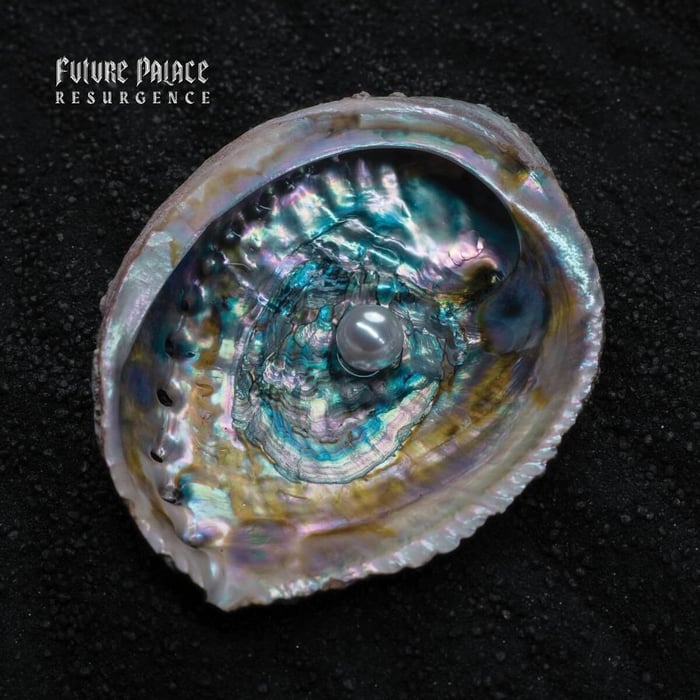
The album’s accompanying visuals deepen the world Future Palace are building here. Even without naming specifics, you can feel how the imagery is meant to extend the sonic environment—like the band doesn’t want you to just hear the water theme, they want you living inside it for the runtime.
It’s a bewitching balance of light and dark, and the visual side helps sell the idea that this isn’t just a batch of songs—it’s a setting.
I’ll admit a small uncertainty: I can’t always tell whether the imagery is leading the music or the music is leading the imagery. Sometimes it feels perfectly fused; other times it feels like the band really wants you to notice how immersive they’re being. But even that slight overreach reads like ambition, not emptiness.
Arguable take: Resurgence is at its best when it stops trying to be “immersive” and just lets the songs be intense on their own.
Release details (and my blunt score call)
Resurgence is set for release on July 31st via Century Media Records.
And since people always ask for a number even when numbers are kind of silly: I land around an 8/10 experience-wise. Not because it’s flawless, but because it commits to its world and mostly earns the drama it’s selling.
What Resurgence is really doing
This Resurgence review boils down to one clear impression: Future Palace aren’t just writing heavy music with pretty hooks. They’re building an ocean-sized metaphor for survival where “strength” doesn’t look like victory—it looks like continuing to move while everything drags at you.
The record works when it feels vast and unknown. It slips a bit when the storms feel scheduled. But overall, it pulls you under in the way it intends to.
Conclusion
Resurgence doesn’t ask you to relate; it assumes you already do. It takes despair, puts it in seawater, and sells it back as motion. Sometimes that’s overwhelming, sometimes it’s clarifying, and occasionally it’s a little too polished for how feral the themes want to be—but it’s rarely boring.
Our verdict: People who like dramatic heavy music with atmosphere, clean-to-harsh vocal whiplash, and big visual-minded concepts will eat this up. If you want your heavy records plain, dry, and allergic to metaphor, Resurgence will feel like being handed a wetsuit and a screenplay at the same time—and you’ll hate it.
FAQ
- What is the core theme of Resurgence review-wise?
The album frames internal struggle as open-water survival—less “escape the pain,” more “learn to move inside it.” - Does Resurgence lean more heavy or melodic?
It refuses to pick. The heavy parts punch, but the melodic sections often carry the emotional knockout. - Which track sets the tone first?
“Deep Blue” establishes the submerged feeling immediately, then “Resurge” turns it into a statement of intent. - Is there anything experimental here?
Yes—there’s a nu-metal-leaning edge, especially apparent in “Resurge,” and it sounds like the band testing a new kind of blunt force. - How does the album end?
“Tidal Waves” softens into ballad territory, then “Cyclone” throws in a final surge of chaos to avoid a too-neat landing.
If you want something tangible after sitting with all that ocean-sized emotion, a favorite album-cover poster is a nice way to keep the vibe without replaying the storms. You can browse prints at our store: https://www.architeg-prints.com/
 | DISCOUNTGET 30% OFF*Use code on your next order:
|
* This post may contain affiliate links, meaning we earn a commission if you make a purchase through these links, at no additional cost to you.