Dave East’s Price of Pain Review: Therapy in a Dope Bag (Sort Of)

 See more Architeg Prints stories on Google.
Dave East’s Price of Pain Review: Therapy in a Dope Bag (Sort Of)
Dave East and Harry Fraud turn Price of Pain into a one-producer pressure test—family snapshots, jail math, and one line that admits it might not pay off.
The Hook: one producer, one rapper, no hiding
A one-producer rap album is basically a truth serum. If the rapper runs out of things to say, you hear it fast. If the producer can’t build a world that stays interesting, you feel the seams even faster.
And Price of Pain is very aware of that old New York burden: one beatmaker across the whole project means the writing has to carry. Dave East sounds like he showed up with enough pages to avoid repeating himself, and Harry Fraud behaves like the guy hired to keep the lights low and the doors locked.
A quick reset: this isn’t a “new era,” it’s a continuation
Here’s what Price of Pain is really doing: it’s not trying to reinvent Dave East. It’s doubling down on a method he’s been using for years—full-length projects built around a single beatmaker, like he’s testing whether one sonic palette can hold all the detail he wants to cram in.
Harry Fraud has already been in this role with East before (they’ve done it twice now), and Price of Pain plays like a return trip—almost like circling back with more to say rather than showing up with a totally different mission. I thought the album was going to feel like leftovers from the earlier link-up. On second listen, it doesn’t. It feels like East came back because the subject matter wasn’t done with him yet.
That said, I’m not completely sure the “run it back” move helps the album’s identity. Sometimes it lands like a deliberate sequel; sometimes it lands like a deluxe that learned how to sit still.
“Papaya Juice”: East’s superpower is writing in shards
The most striking thing early on is how East tells full stories using fragments—like he’s flipping through photos and refusing to explain them.
On “Papaya Juice,” you get a mother working, a father hustling, and East at home alone with Macaulay Culkin on the screen. It’s weirdly specific in a way that doesn’t feel like a flex—it feels like a memory that never stopped replaying. Then he snaps to a cousin taking a plea deal out of fear, the last bag sold, and that cold little moment where whoever’s calling gets told to try again in an hour.
That’s the album’s trick: it doesn’t narrate; it implicates. You’re expected to connect the dots, and I’m convinced East does that on purpose because spelling it out would make it feel too clean.
“Minding My Business”: religion at Bennigan’s, death renamed on the block
The next move is even sharper. “Minding My Business” drops you at a Bennigan’s table with an aunt reading Leviticus—like holiness is just another item on the menu. Then it cuts hard to the chemistry of addiction: somebody insisting the powder tasted sweet enough to be cinnamon.
“I used to wake up and hope that my custy ain’t overdose / They said he just caught the Holy Ghost.” — Dave East
That’s the album in two bars: fear, denial, and the block inventing a softer name for death so everyone can keep walking to the store.
If you’re looking for “uplift,” this isn’t that. Price of Pain is more interested in showing you how people re-label tragedy to stay functional.
When the compression breaks open: “Alley Oop” turns into a whole movie
After all that shorthand, “Alley Oop” finally spreads out and breathes. It’s the homecoming of a friend told with step-by-step clarity—from the end of a deal to the apartment door—like East is insisting you watch every frame because skipping anything would be disrespectful.
Harry Fraud backs it with hard drums, and the tension shifts from street mythology to paperwork reality: a lawyer tap-dancing, a district attorney waiting for any excuse to keep the guy locked up. There’s a countdown—sixty days—and the details get domestic and almost funny in a dry way:
- working out with burpees and dips
- Cartier watches
- durag comes off
- name starts circulating again
- then the “outside” adjustment: a grown man who can’t use an iPhone
- he opens an Instagram, accidentally reveals his age, posts selfies, gets likes
That’s not just “storytelling.” That’s East showing the cost of time like it’s a dented appliance you can’t return.
My only gripe here—mild, but real—is that the album sometimes trusts these details so much it forgets to shape them into a bigger arc. A few moments feel like they stop at “isn’t that real?” instead of pushing into “and here’s what it did to me.”
“Rasta Pasta”: prayers get edited behind the wall
If “Alley Oop” is the outside re-entry, “Rasta Pasta” is the inside distortion. The prayers change when the goal changes. One line flips the whole moral temperature:
“Hoping I could sell” becomes “hoping I get bail.”
That’s not just a bar; it’s a rewritten religion. East mentions grown men crying in nearby cells, and under that, the mother still hoping her son wins—like “winning” is now just surviving the system.
Don Jiggy’s dancehall flavor swirls around it, and it doesn’t come off celebratory to me. It comes off like someone trying to borrow warmth in a cold place. The track acts ashamed of itself and proud of itself in the same breath, which is basically the album’s central contradiction.
The guests aren’t decoration—two of them actually tighten the screws
A lot of albums use features like accessories. Price of Pain uses them like pressure valves.
On “Everything Is Up,” Benny the Butcher raps like the money from rap isn’t even the point yet. Guns stashed in the crib. “So many chickens on the scale” somebody could call PETA. Checks clearing before paperwork is signed. Then the paranoia cuts in: where was everybody when the indictment papers came?
It’s not a motivational verse. It’s a “don’t romanticize this” verse.
Then AZ hits “Hot Peas & Butter” from a totally different angle—more surgical, playing with rhyme sounds for long stretches before switching patterns. He goes from crack selling to felony aftermath in basically a blink, and drops that surreal flash of “black presidents” firing MAC-11s. It’s the kind of line that feels intentionally wrong, like it’s pointing at how normal violence becomes in conversation.
East opens “Hot Peas & Butter” at a park he used to see littered with syringes, and now he sees Benzes. That’s not “progress.” That’s a neighborhood getting dressed up while the memory stays the same.
Snoop shows up… and the album exposes the difference between presence and precision
“Follow My Lead” has Snoop Dogg popping in with a handful of lines that feel like they could’ve been written in transit: zeros to heroes, a caterpillar metaphor, a gangster-brag closer. It’s Snoop being Snoop.
But the whiplash is the point. East’s verse right before it is built down to the diaper: praying before opening a package, buying Enfamil so the child will be okay, changing Pampers while people assume he’s out getting lit.
That contrast accidentally reveals what East is obsessed with on Price of Pain: not sounding cool—sounding accountable. Snoop brings aura. East brings receipts. If you asked me what the album values more, it’s the receipts.
The soft songs aren’t breaks—they’re negotiations
When “No One Like You” goes soft, it stays soft, and it’s almost suspicious. SUZI asks about never having had a love like this, and East answers with upgrading ramen noodles to filet mignon, socks on her freshly done toes, and a Jeep he hopes she’ll climb into.
It’s romance, sure—but it’s also East trying to prove he can translate street-provider energy into domestic-provider energy. The flex changes clothes. That’s all.
Then Cruch Calhoun shows up on “Hussle In My Nature” and tries to reach that same level of specificity, but he’s aiming for a line designed to make someone flinch. It mostly works… though I kept waiting for his verse to land with the same lived-in texture East keeps delivering. It’s not bad. It’s just not as sharp.
“Thirsty”: the OG advice, the bridge, and the four-word rug pull
“Thirsty” is where the album admits it’s not fully confident in its own philosophy. An OG offers advice: measure every gram, don’t rush. East folds it into a spoken bridge about not getting too high on wins or too crushed by losses—because it all comes back around if you keep your head down.
And then he undercuts the whole thing with four words: “At least it should.”
That tiny qualifier matters. It’s East admitting the universe doesn’t always honor the hustle math. That’s the kind of honesty most street-rap albums avoid, because uncertainty doesn’t look good on a cover. Here it’s the whole point. Still, I’m not totally sure the moment lands for everyone—some listeners will hear doubt; others will hear an artist refusing to preach.
“Fill a Casket”: hypotheticals as self-defense
On “Fill a Casket,” East runs a full verse of “what if none of this happened?” scenarios: what if he never rapped, what if his mother never met his father, what if he didn’t get shot for being around the places rappers hang out, what if his book outsold Harry Potter.
The detail that actually hits is simple: his mother crying in his lap. He tells her he feels a million before he feels a casket.
It’s a brutal way to frame ambition—not as greed, but as a superstition against dying early.
“Life Cycle”: the album’s most complete statement, plus one beautifully odd daydream
“Life Cycle” is written straight through like East is walking you down a hallway of relatives and consequences.
An auntie covers her arms after years of injecting. A cousin hears product is cheaper in Dallas and loses his life in Texas. A hearse makes the turn. Scriptures get read with his grandmother before she dies. There are cell nights and JPay sent. An uncle moving yellow tops back in the early ’90s when Harlem was on fire but still somehow everybody stayed fly.
Then the moment that snaps the whole song into your throat: East riding dirty, cops flash the lights, and you can hear him thinking in real time—knowing any search could mean a sentence tonight. He mentions a man who never even ran and still got shot; the shooter disappears. No moral. Just the kind of reality that makes “good decisions” feel like a children’s book.
And then—out of nowhere—the strangest line in the track: a daydream where the Mona Lisa steps out of the painting, his whole life gets packed in a Goyard, and he tells her not to say a word. Da Vinci couldn’t imagine them in traffic listening to Mozart.
That’s not randomness. That’s East craving an exit that isn’t prison, death, or rap. He imagines art literally rescuing him because real life rarely does.
“Stay With Me” and “Clyde Frazier”: the marriage metaphor, the divorce papers, and the bingo line
The back end of the album starts talking like it’s in counseling.
On “Stay With Me,” the streets are a marriage: he married them, then filed for divorce. No court involved. That’s East admitting the relationship was real—even if it was toxic.
Then “Clyde Frazier” pushes the confession further. He spends most of the song tallying what rap actually got him. He grades family outcomes. He imagines he might still be sleeping in the Cherokee if things went differently. Anger management classes show up as a requirement, and Nas is casually named as the therapist. He calls Harry for that, like the producer is also part sponsor, part witness.
He mentions his daughters watching Trolls, and then drops the most believable line on the whole record—because it’s the least glamorous:
“Like, fuck rap, I’d rather be with Lola playin’ bingo.”
The song keeps going—suede slacks, Ballys, mamis from Cali—but that bingo table is the true ending. It’s the first time East sounds like he wants an ordinary life more than he wants to win.
Where I land: it’s great because it refuses to solve itself
I’m not going to pretend Price of Pain is flawless. A few feature moments feel like vibes more than writing, and occasionally the album leans so hard into hyper-specific scenes that it risks mistaking detail for development.
But the thing it does—consistently—is make the “price” feel ongoing. Not paid off. Not redeemed. Just carried.
If you want a neat moral, you won’t get one. If you want a rapper who can make a Bennigan’s table feel like a crime scene and a confession booth at the same time, this is your album.
Conclusion
Price of Pain isn’t trying to dazzle you; it’s trying to trap you in a loop of memories, routines, and consequences until you stop asking for a tidy ending. That’s why the quiet doubts—“At least it should”—hit harder than the loudest drums.
Our verdict: People who like street rap that reads like a diary with torn pages will actually love this album—especially listeners who want Harry Fraud mood with Dave East’s lived-in specificity. If you need big hooks, shiny triumph, or features that steal the show, you’re going to get impatient and start checking your phone halfway through “Clyde Frazier.”
FAQ
- Is Price of Pain a producer-led album or a rapper-led album?
It’s rapper-led in terms of intention—East’s writing is the engine—but Harry Fraud’s drums and atmosphere decide how heavy each scene feels. - What’s the main storytelling style on Price of Pain?
East mostly tells stories in compressed shards—quick images, overheard lines, small domestic specifics—then occasionally zooms out (“Alley Oop,” “Life Cycle”) to show the full sequence. - Do the features change the album’s direction?
Benny and AZ sharpen the themes by adding different kinds of pressure. Snoop mostly adds familiar presence, which ironically makes East’s precision stand out more. - What’s the emotional center of the album?
The tension between providing (money, survival, status) and wanting normal life—kids, peace, and not getting swallowed by the same cycle. - What track best represents the album’s core idea?
“Life Cycle” feels like the clearest statement: family history, street economics, police risk, and one weird art-daydream that sounds like an escape hatch.
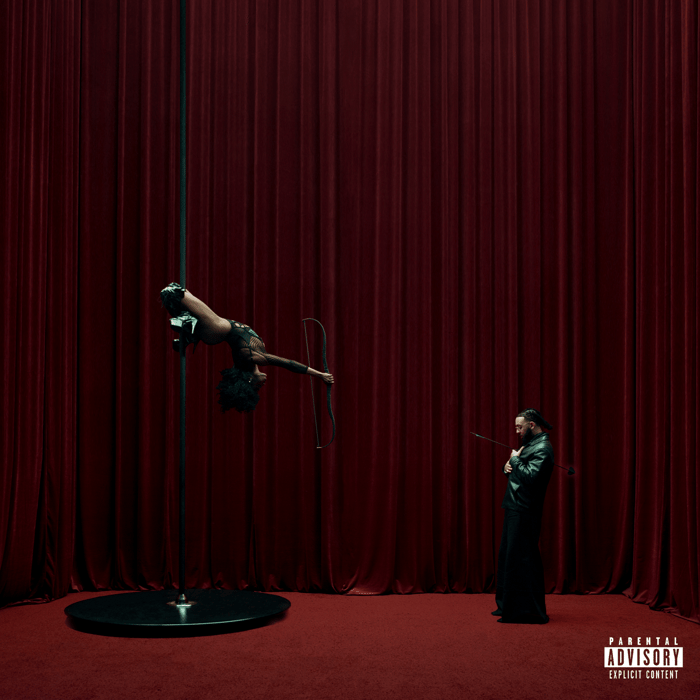
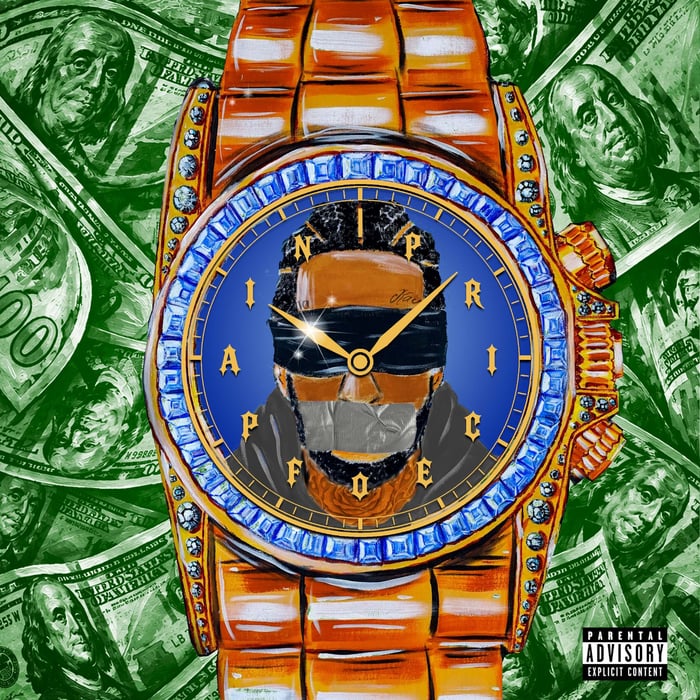
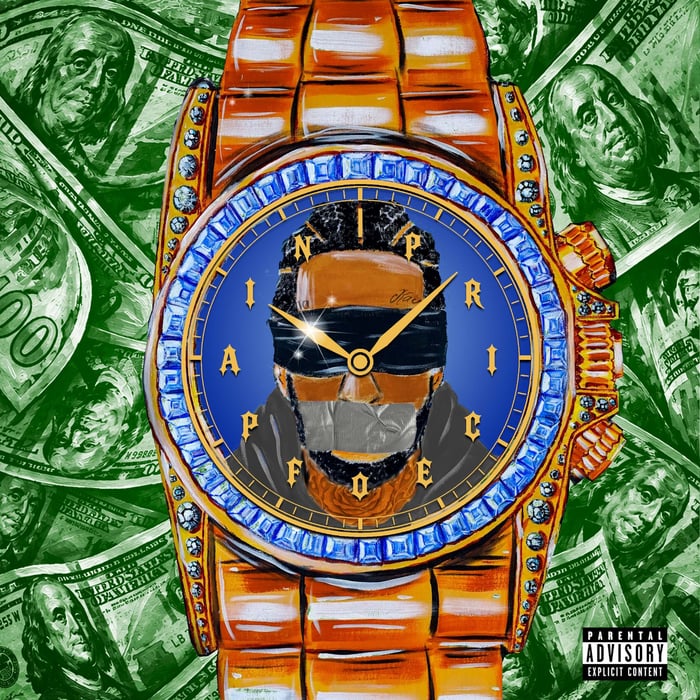
If the album cover (or that whole Harry Fraud haze) stuck with you, a clean poster print is a nice way to keep the mood around without replaying the paranoia—grab one at our store.
 | DISCOUNTGET 30% OFF*Use code on your next order:
|
* This post may contain affiliate links, meaning we earn a commission if you make a purchase through these links, at no additional cost to you.