Buck Meek’s The Mirror: Porch Vocals, Modular Synths, Zero Seatbelts


 See more Architeg Prints stories on Google.
Buck Meek’s The Mirror: Porch Vocals, Modular Synths, Zero Seatbelts
The Mirror sounds like a band trying to stay human while electronics flicker at the edges—messy, intimate, and a little too brave for comfort.
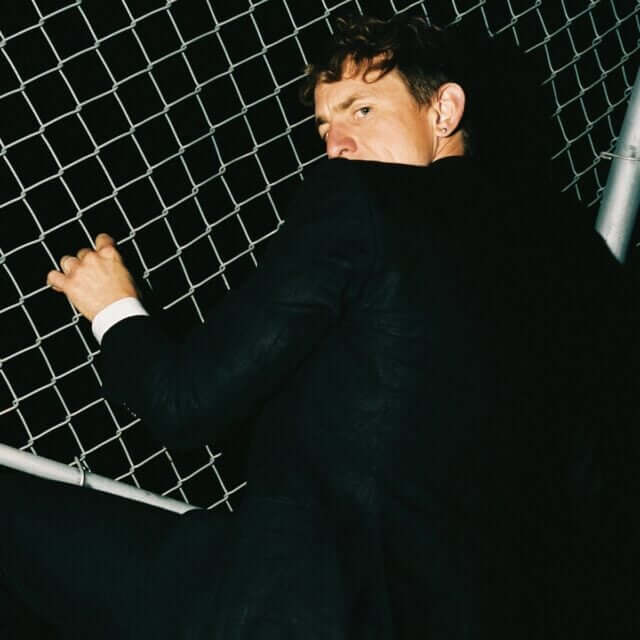
The hook: this record isn’t “made,” it’s invited
Some albums feel assembled with tweezers. The Mirror feels like somebody opened the door, let the room fill up with people and noise, and then decided that was the point.
The first thing I clocked is the intent: this isn’t Buck Meek “going electronic” like a genre pivot. It’s more slippery than that. The songs keep their hand-made bones, but the space around them keeps shimmering like the walls are wired. And that’s a choice—The Mirror is trying to capture live, kinetic band energy while letting an oblique electronic world creep in. Not to decorate the songs. To complicate them.
Big Thief history doesn’t hang over it—until it does
Coming out of a decade in Big Thief, Meek could’ve easily made a safe “singer-songwriter with tasteful band” record. He doesn’t. He teams up with James Krivchenia and you can hear why: Krivchenia’s instincts aren’t about polishing; they’re about making sound feel deeper, like there’s a second room behind the song where the weird stuff happens.
I kept thinking about how this approach makes the music refuse to sit still. It’s not just “live in the studio.” It’s live and slightly haunted. The electronic elements aren’t there to modernize anything—they’re there to tilt the emotional perspective, like the album is nudging you: Are you sure you heard that right?
I’ll admit I wasn’t fully convinced at first. My first impression was that the electronic layer might be a smart-person cloak thrown over simple tunes. But on second listen, I realized the electronics don’t act like intellect—they act like weather, and the songs react accordingly.
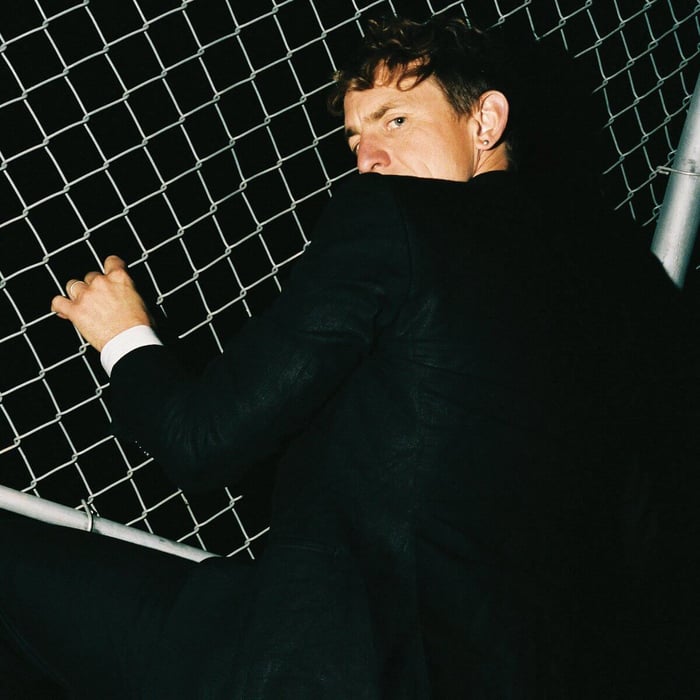
The studio concept: “collective atmosphere” is code for controlled chaos
Here’s what The Mirror is really doing: it sets up a room where simultaneous experiment can happen without the songs falling apart. The musicians respond to each other in real time, and—this is the key detail—their instruments trigger modular synthesizers.
That’s not a gimmick. That’s a philosophical commitment. It means the “electronic world” isn’t a background track someone added later. It’s a reactive system. Cause and effect. A guitar touch can kick a synth into motion; a rhythmic push can wake up some buzzy harmonic ghost. If you’ve ever heard an album where the electronics feel pasted on, this is the opposite: the electronics are basically another nervous system.
A reasonable listener could argue this makes the record feel “too process-y.” I get it. There are moments where you can almost hear the setup—the cables, the idea-board, the ambition. But the best parts turn that same process into tension you can actually feel in your shoulders.
The cast of players: this isn’t a feature list, it’s a social scene
The album pulls in friends, family, and longtime collaborators, and it matters because The Mirror doesn’t sound like a solo project with hired hands. It sounds like a community acting out a shared mood.
- Adrianne Lenker shows up with vocals, and her presence doesn’t steal focus so much as raise the emotional ceiling.
- Adam Brisbin contributes guitar, which helps the record keep an earthy grip when the synths start floating.
- Ken Woodward on bass adds the kind of grounding that stops the whole thing from turning into tasteful fog.
And then the new colors come in:
- Composer and ambient musician Alex Somers contributes synthesizer, toy microphone, and an old piano—tools that scream “don’t expect clean edges.”
- Mary Lattimore brings her harp, and it doesn’t feel like “harp as elegance.” It feels prismatic, like light bending into strange shapes.
I’m not 100% sure every listener will love how many hands are on this. Sometimes a stacked roster makes an album feel like networking with reverb. But here, the point is interaction—not virtuoso flexing.
The drummers: four kits, four angles, one long dynamic arc
The rhythm section is where The Mirror quietly shows its teeth. There’s a rotating cast of four drummers—Jesse Quebbeman-Turley, Jonathan Wilson, Kyle Crane, and Krivchenia himself—and that rotation creates a wide dynamic arc of grooves.
This isn’t “look how many drummers we had.” It’s more like the record refuses to let rhythm become a single personality. One groove can feel loose and porch-lit; another can feel clipped, like the song’s been put under a strobe. If you’re expecting one consistent pocket across the album, you might call that a flaw. I’d argue it’s the thesis: the album keeps moving the floor under your feet because the feelings aren’t stable either.
The choir choices: warmth, yes—also a little eerie
There’s also a choir on many songs: Germaine Dunes, Staci Foster, Jolie Holland, and Lenker. And Meek’s brother Dylan contributes piano, keys, and vocals. That family-and-friends texture could’ve turned corny fast. It doesn’t—mostly because the choir doesn’t behave like a “big chorus moment.” It behaves like a roomful of people humming along to something they don’t fully understand.
That’s the sly trick of The Mirror: it uses communal sound not to sell unity, but to suggest uncertainty together. Like: we’re all here, but nobody’s pretending we have the answers.
If I have a mild complaint, it’s that the choir can sometimes soften the edges a bit too much—like putting gauze over a bruise. I kept wanting one or two moments where the vocals leave more negative space, just to let the weird synth triggers bite harder.
Songwriting as compass: the album chooses interaction over control
Meek’s songwriting is the compass here, but he doesn’t use it to lock anything down. The whole vibe is invitation: he allows interaction instead of limiting tracks into something controllable.
That decision comes through in the way the arrangements feel like they’re listening back to the song. The band doesn’t just accompany; it comments, interrupts, and occasionally wanders into side alleys. Some listeners will call that lack of discipline. I think it’s discipline of a different kind: the discipline to let a moment breathe even if it won’t behave.
Ringo Bingo: the log-cabin studio that makes the intimacy unavoidable
The album was recorded at Meek and Dunes’ Los Angeles log-cabin studio, Ringo Bingo, and you can hear the physicality of that place in the choices. The detail that really tells you what kind of record this is: Meek recorded vocals outdoors on the front porch, looking through the living room window while the band played inside.
That is either a beautiful idea or an absolutely ridiculous one, depending on your tolerance for sincerity. For me, it works because it explains the album’s central sensation: closeness with a pane of glass between you and the action. You’re hearing a performance that’s intimate, but also slightly separated—like memory instead of the present.
And honestly, I can’t tell if that porch setup makes everything “better” in a technical sense. I’m not even sure that’s the point. It makes it specific, and specificity is the one thing this album refuses to compromise.
What The Mirror is saying: it prefers questions to answers
Meek comes off here like a translator of human feeling—not the dramatic kind, the observant kind. The Mirror keeps turning toward the unknown, but it doesn’t chase big revelations. It’s more interested in the right questions.
“I don’t know the meaning of your dreams. Though tell me everything.” — Buck Meek
That’s the album in one move: admitting you can’t decode someone, then asking them to keep talking anyway. It’s not romantic certainty. It’s curiosity as devotion. And if that sounds small, it isn’t—because the music around it keeps building these little portals: acoustic closeness, choir warmth, modular-synth flicker, groove shifts. The sound says, we’re inside the moment, while the lyrics admit, we still don’t know what it means.
Listen path (Spotify)
Why it lands: the record risks awkwardness on purpose
The big gamble of The Mirror is that it refuses to “solve” itself. It keeps a collective atmosphere where experiments can happen at the same time, and sometimes you feel that simultaneity as friction. Not every overlap is graceful. Not every texture locks perfectly.
But that’s also why the album sticks: it doesn’t treat human emotion like a product demo. It treats it like a room with too many instruments in it, all reacting, all triggering each other, all trying to say the thing without trapping it.
Conclusion
The Mirror doesn’t want to be mastered; it wants to be approached. Buck Meek and James Krivchenia set up a living system—musicians responding in real time, instruments nudging modular synths, voices gathering like a half-lit choir—and the result is an album that feels less like a statement and more like a window you keep leaning toward, trying to hear what’s happening inside.
Our verdict: People who like their singer-songwriter records slightly sabotaged—in a good way—will love this. If you want clean hooks, predictable grooves, and a tidy emotional arc, The Mirror is going to feel like someone politely rearranging the furniture while you’re trying to relax.
FAQ
- What is the core idea behind The Mirror?
It blends live, kinetic band playing with an oblique electronic layer, where instruments can trigger modular synthesizers in real time. - Who produced the album with Buck Meek?
James Krivchenia, whose approach leans into electronic elements to deepen and complicate the sound. - Which collaborators appear on the record?
Adrianne Lenker (vocals), Adam Brisbin (guitar), Ken Woodward (bass), Alex Somers (synth/toy mic/old piano), Mary Lattimore (harp), plus others including Dylan Meek on piano/keys/vocals. - Why does the drumming feel like it changes character?
Because four different drummers rotate across the album—Jesse Quebbeman-Turley, Jonathan Wilson, Kyle Crane, and Krivchenia—creating a broader range of grooves. - Where was The Mirror recorded, and what’s with the porch vocals?
It was recorded at Meek and Germaine Dunes’ Los Angeles log-cabin studio, Ringo Bingo. Meek tracked vocals outdoors on the front porch while the band played inside.
If this album has you thinking about artwork as part of the whole ritual, you can always shop a favorite album cover poster at our store: https://www.architeg-prints.com/ — the wall space deserves its own little “mirror,” too.
 | DISCOUNTGET 30% OFF*Use code on your next order:
|
* This post may contain affiliate links, meaning we earn a commission if you make a purchase through these links, at no additional cost to you.