Motorpsycho’s Gaia II Is Hard-Rock Cosplay—And It Kinda Wins


 See more Architeg Prints stories on Google.
Motorpsycho’s Gaia II Is Hard-Rock Cosplay—And It Kinda Wins
Gaia II turns Motorpsycho into a sweaty 1970 rock machine: loud guitars, big hooks, and zero apology for lacking subtlety.
A record that kicks the door in
Some albums politely ask for your attention. Gaia II doesn’t. It shows up with a stack of amps, points at your fragile modern ears, and basically dares you to complain.
What Gaia II is really reaching for (and why it matters)
Here’s the thing: Gaia II doesn’t quite sound like heavy metal, and it doesn’t fully live in hard rock either. But it’s obviously lunging for the same satisfactions—weight, drive, riffs that feel physical, choruses that act like chants. It lands in this in-between zone: post-psychedelic, pre-metal, with the band basically saying, “Fine. Let’s make the closest thing we’ll ever make to a classic hard rock album.”
And it’s not padded. The album is short, tight, and built to move. It plays like it’s continuing the specific kind of momentum they’d already started elsewhere—less about sprawling “look what we can do” statements, more about songs that actually want to be songs. The big creative decision is obvious: guitars, guitars, and more guitars. Not as a texture choice. As a lifestyle.
There’s singing too—more than you’d expect if you’re picturing a faceless riff parade—and every once in a while a keyboard flickers into view like someone opened the wrong door and quickly shut it again. But let’s not pretend. This is guitar music that’s trying to rock hard, and it mostly succeeds because it commits so fully it stops being cute.
“Fanny Again Or” starts the album like a thrown punch
The leadoff track and first single, “Fanny Again Or,” is the moment the album shows its hand: it wants to be immediate. It wants to be catchy. It wants to be a shot of adrenaline, not an art lecture.
Bent Sæther takes the vocal, and the song comes off like a fable told by someone who’s grinning because they already know the moral is going to involve volume. What hit me first was this weirdly specific vibe—like the tune reeks of bright, almost bubblegum pop confidence, the kind that makes you think of the Osmonds, except it’s been fed through a heavier rock machine. And yes, there’s also that faint “hammer of the gods” aroma hanging around—nothing blatant, just enough to tell you they’re not shy about the lineage they’re borrowing from.
It’s riffy in a way that raises your pulse without asking permission. If you’ve got even a tiny “true rocker” bone in your body, this one pokes it with a stick until it wakes up.
“The Great Stash Robbery” is tragedy with a grin
Right after that, Hans Magnus “Snah” Ryan steps in to sing “The Great Stash Robbery,” and the album pivots into a different kind of fun: tragic-but-groovy psych rock, the kind that tells a story while still keeping its hips moving.
The song feels like a tall tale you’d hear from someone who’s absolutely learned the hard way, delivered with the casual wisdom of the Freak Brothers school of philosophy—the classic notion that pot will get you through times of no money better than money will get you through times of no pot. The whole track sits in that sweet spot where the groove is doing the heavy lifting, and the “tragedy” part lands because the band doesn’t overact it. It’s sad, sure—sad with a smirk.
I wasn’t totally sure on first listen if the concept-leaning bits would distract from the punch, but the groove keeps dragging it back to the body. That’s the trick: the album acts like it’s telling stories, but it’s really trying to keep you moving.
The band lineup feels like a deliberate engine
Before the next set of highlights, it’s worth saying: the playing here doesn’t sound accidental. This version of the band—Ryan and Sæther alongside guitarist Reine Fiske and drummer Olaf Olsen—moves like an organized unit designed to make this specific kind of record.
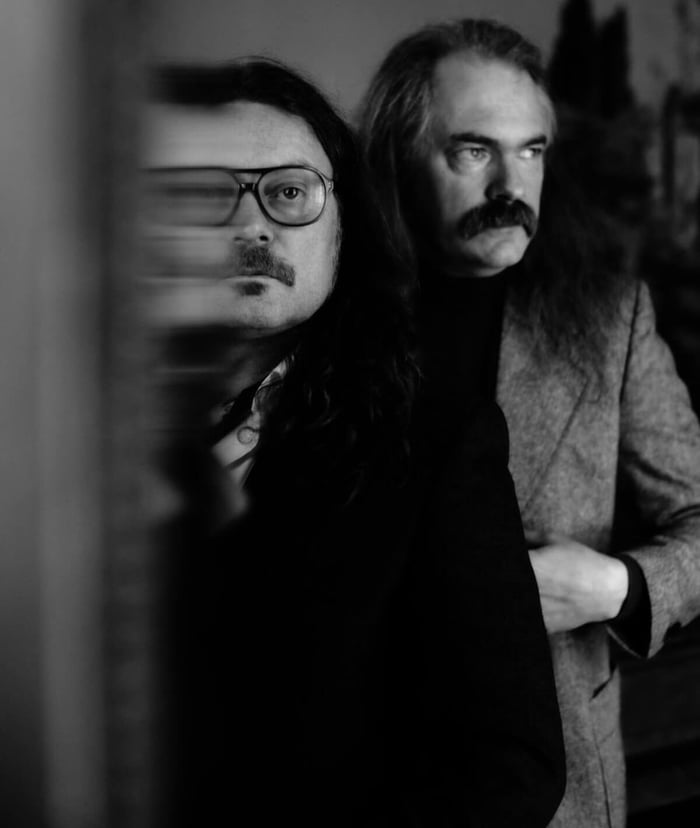
And honestly, that matters because Gaia II is not a “let’s gently explore feelings” album. It’s a “let’s lock into a vibe and drive it until the wheels smoke” album. The musicianship isn’t trying to impress you with complexity; it’s trying to make the simple stuff hit harder than it should.
That’s an arguable choice, of course. Some listeners are going to hear the commitment to straight-ahead rocking and think it’s a little too blunt. I get it. But I also think bluntness is the point—this record is allergic to irony.
“TSMcR” nearly derails—and that’s why it works
One of the standouts, “TSMcR,” is a bluesy, nervy juggernaut that almost flies off the road. That “almost” is the thrill. With Reine Fiske out front, the band leans into a sci-fi blues channeling of Groundhogs energy—wired, gritty, slightly unreal, like the amps are transmitting from a different decade.
This is where I had my first real wobble with the album: for a second, it felt like the band might push the jam a little too close to collapse. But instead of collapsing, it tightens. The tension becomes the hook. That’s a specific skill—knowing exactly how close you can get to the edge before the listener stops feeling “excited” and starts feeling “tired.”
If you want subtlety, this track is not offering it. It’s offering forward motion and nerve. Different currency.
The title track is a ’60s stomp with an electric sitar flex
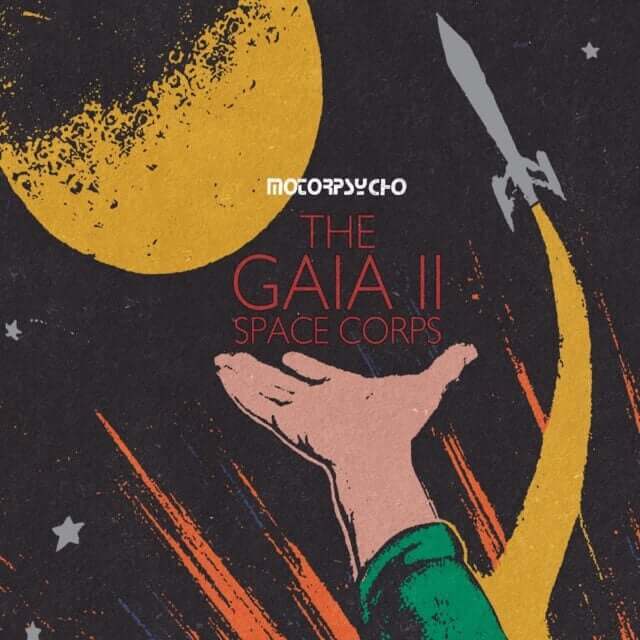
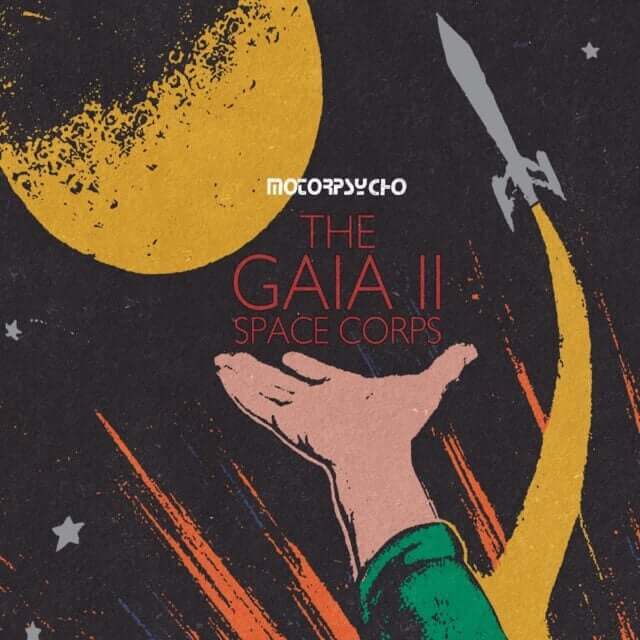
Then “The Gaia II Space Corps” (the title track) shows up like a celebratory stomp from the ’60s—big-footed, proud, and kind of ridiculous in the best way. It’s basically a banner-waving song for the feats of the so-called organization in the title. And crucially, it doesn’t play the celebration as parody. It plays it straight, which makes it feel even more committed.
The detail that seals the vibe: Snah on electric sitar. That’s not a subtle garnish—it’s a deliberate time-warp. And it’s the kind of choice that tells you the band wanted this album to sound like it came from another era, not just “influenced by” it.
A reasonable person could argue the song leans a bit too hard into retro dress-up. I wouldn’t fight them. I just think the song earns it by being fun enough to justify the costume.
“The Hornet” keeps the wheels spinning (maybe too smoothly)
Next, “The Hornet” choogles along briskly, the album doing that classic thing where it keeps the engine running so the listener never gets a chance to get precious about it. There’s even a moment that basically shouts the mission statement—don’t forget to boogie—like the band is writing reminders on the fridge.
Here’s my mild complaint, though: this is one of the spots where the album’s single-minded push can blur the edges a little. The track does its job, but it’s less sticky than the earlier punches. It’s the downside of making an album that’s so committed to rocking: sometimes the momentum itself becomes the main feature.
Still, it bridges perfectly into what comes next, and I suspect that’s exactly why it’s here.
“The Oracle” lets in sunlight, and it changes the whole room
Then the album does something smart: it breathes. The epic ballad “The Oracle,” sung by Snah, opens the curtains and lets the sun in. Not in a “now we get tender for awards season” way—more like the band is saying, “Okay, you’ve been clenching your jaw. Here. Air.”
This is where my first impression of the album shifted. Early on, I thought the record might just be a riff-delivery system dressed up as a throwback experiment. On second listen, “The Oracle” made it clear the sequencing is intentional: the heavy moments feel heavier because the band actually allows contrast. Light and shade, sure—but not as a concept. As a physical sensation. You feel your shoulders drop, then you notice how tense you were before.
And the ballad isn’t “soft” so much as wide. It stretches. It makes space. It proves the band isn’t just chasing volume; they’re chasing impact.
Ending with “Black As Night” is a flex—Detroit style
The closing move is bold: an epic, knock-out run at the old Frost classic “Black As Night.” Ending with a cover can feel like a shrug—like the band ran out of ideas and grabbed a classic as a closer. That’s not what happens here.
This version feels like a statement: if you’re going to build an album around classic hard rock muscle, you end by showing you can inhabit the tradition, not just reference it. The performance hits in an “appropriate Detroit style” sense—lean, tough, and proud of its own grime.
If the earlier tracks are Motorpsycho building their own little rock universe, this closer is them walking into an older one and refusing to take their shoes off.
The production choice: “Let’s make it sound like 1970”
There’s a very specific attitude baked into the sound: they wanted it to feel like it was recorded in 1970. Not “inspired by.” Not “modern but warm.” Straight-up “they don’t make records like this anymore,” and then actually doing something about it.
The album was recorded at Old Cheese Factory in Trondheim and Amper Tone in Oslo, and it wears that process like a denim jacket with frayed cuffs. It doesn’t chase polish. It chases excitement. And yes—sometimes that means it trades away subtlety.
But I think that’s part of the point: this record makes a bet that excitement matters more than precision. That bet won’t land for everyone. If you want pristine separation and hyper-modern clarity, you might hear this and think, “Okay, but where are the details?” I heard it and thought, “Good. Let it rip.”
Because sometimes you really do just have to let it rip, don’t you?
Why Gaia II exists at all: it’s an answer, not an accident
Gaia II plays like a deliberate response to two poles in their orbit: the acoustic jangle of Yay! and the epic workouts of Motorpsycho. This album doesn’t try to be either. It’s the band choosing the third door: concise, catchy, exciting, with love and respect for a dying craft—making a rock record that’s supposed to leave you a little wrecked.
The energy is the selling point. The record wants you reeling, a bit deaf, and stupidly happy about it. It’s not pretending rock is alive in the culture at large; it’s acting like that doesn’t matter. Rock is dead, long live rock—yeah, it’s dramatic. But the album earns the drama by sounding like it believes its own slogan.
“They don’t make records like this anymore” the band thought, then went and did something about it.
Made with love and respect for a dying art form, it’s energy will leave you reeling, deaf and happy, socks rocked well and truly off!
FAQ
- What is the core vibe of Gaia II?
It’s classic-leaning hard rock with psychedelic edges—built on riffs and momentum more than atmosphere. - Is Gaia II more about guitars or vocals?
Guitars run the show, but the vocals matter more than you’d expect; the singing keeps it from turning into faceless riff soup. - Which tracks feel like the biggest statements?
“Fanny Again Or” hits like an opener designed to spike your pulse, while “The Oracle” changes the emotional lighting of the whole album. - Does the retro sound help or hurt?
It helps if you want the punch and grit of older recordings; it hurts if you want crisp, modern precision and lots of subtle detail. - Is Gaia II trying to be metal?
Not really. It reaches for some metal-adjacent weight, but it lives closer to hard rock with psych DNA.
If this album put you in the mood to live with bold artwork on your wall, you can always shop a favorite album-cover poster at our store: https://www.architeg-prints.com. It fits the whole “loud objects, proudly displayed” philosophy.
 | DISCOUNTGET 30% OFF*Use code on your next order:
|
* This post may contain affiliate links, meaning we earn a commission if you make a purchase through these links, at no additional cost to you.