The Sheepdogs’ Keep Out: Denim Rock That Pretends It’s a Lifeboat


 See more Architeg Prints stories on Google.
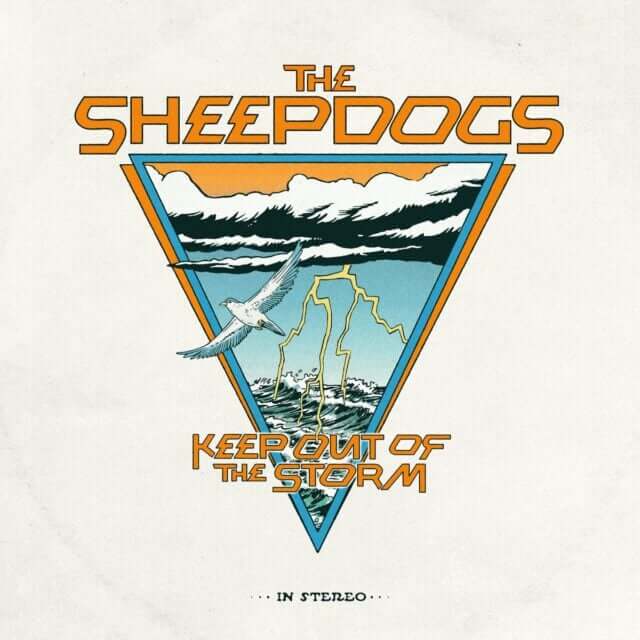
Albums Of The Week: The Sheepdogs | Keep Out Of The Storm
Keep Out Of The Storm by The Sheepdogs delivers buoyant classic rock with hooks and harmonies, showing a band thriving on independence, self-reliance, and authentic musicality.
Some albums kick the door down. Keep Out Of The Storm slides the deadbolt and tells you the party’s already inside.
The Sheepdogs have been doing the “we’ll handle it ourselves” thing for so long that it’s not a gimmick anymore—it’s their whole temperature. Listening to this record, you can hear a band that’s built a career on tight harmonies, friendly riffs, and live-show energy, and you can also hear the quieter flex behind it: they don’t need anyone’s permission to sound like this or to release music when they feel like it. They move on their own timeline, and the long-play album format still matters to them in a way most bands only pretend it does.
The “storm” theme is a costume, but the hooks are real
The title and the whole high-seas framing sets you up for grit—like you’re about to get battered by weather and regret. Instead, Keep Out Of The Storm mostly chooses buoyancy. It “battens down the hatches,” sure, but it does it with 11 salty, ready-to-sing tracks that feel designed to keep your shoulders loose rather than your jaw clenched.
And that’s an arguable choice. A reasonable listener might want the band to actually lean into the storm, to make the album messier or heavier. But the way it lands for me is simpler: they use the storm idea as a backdrop so the songs can act like shelter. The record keeps aiming for that moment where the chorus arrives and your brain goes, “Right—everything’s fine for three minutes.”
It helps that their single “Nobody But You” clearly has enough muscle to climb radio charts in Canada—No. 17 on Billboard Mainstream Rock, No. 14 on Active Rock, and it showed up as one of the most-added tracks in its release week. You can hear why: it’s built to be grabbed quickly, like a rope tossed from a boat.
They’re not “indie” the cute way—they’re independent the exhausting way
Here’s the less romantic part that makes the music make sense: The Sheepdogs run a professional DIY operation. Management, marketing, touring, production—the whole machine is mostly in-house, and they’ve kept it that way successfully for more than eight years. That kind of control changes the sound. Not because it makes them weirder, but because it makes them stubbornly consistent.
Their whole world is denim-toned and handmade: classic-rock imagery, classic-rock tones, but punched up so it doesn’t feel like a museum. The band’s optimism is part of the brand, yes—but it’s also part of the tactic. In the current music economy, being cheerful can be a form of defiance. And The Sheepdogs have made that defiance pay off: sold-out tours, millions of fans, and over 500 million streams worldwide.
I’m not saying this is revolutionary. I’m saying it’s deliberate. The record sounds like a band that decided the only way through modern chaos is to build their own little town and keep the lights on.
This album’s “next chapter” energy comes from a very specific decision
The record was recorded with longtime collaborator Thomas D’Arcy and produced by Ewan Currie, and it’s their first full-length since 2022’s Outta Sight. That alone frames it as a checkpoint album: not a reinvention, but a “here’s where we’re at” document.
In 2025, they did a sold-out cross-Canada arena tour supporting Bryan Adams, which is basically a masterclass in learning how big rooms breathe. Before this album, they also dropped twin 2024 EPs—Paradise Alone and Hell Together—and launched their own label, Right On Records. You can hear that streak in the way this album moves: it sounds like a band that’s been busy, in a competent way, not in a frantic way.
And the record’s emotional context matters, even if the music refuses to wallow. Those EPs reflected difficult chapters in Ewan’s personal life, including time spent alone in the Florida Keys. Keep Out Of The Storm plays like the flip side of that: upbeat, hook-heavy, chasing “better weather.” It’s basically a decision to stop narrating pain and start narrating momentum.
I thought the “good vibes” thing would wear thin… then the grooves started working
On first pass, I’ll admit it: I expected the good-times sheen to blur together. There’s always a risk with a band this comfortable in their lane—your ears start predicting the next turn before the wheels even move.
But on second listen, the record’s real trick showed up: it knows how to stretch out without drifting. The songs feel like they were built in a room with amps turned up and people making eye contact. That’s not me romanticizing “live” recording; that’s me hearing the way the grooves settle into place like furniture that’s been in the house for years.
A big reason is the percussion choice: they worked with a handful of drummers they respect, and that adds small shifts in color and energy across the sessions. The album doesn’t scream, “Hey, different drummer!”—it just quietly benefits from the fresh muscle. That’s the sort of behind-the-scenes decision that makes a record feel immediate instead of over-edited.
And yes, it was recorded live in the room, which gives it that “caught in the act” feeling. Not sloppy—just present.
“There’s something special about discovering an album as you make it… you get the space to stretch out, find the groove, and watch it all come together as a whole.” — Ryan Gullen
That quote reads like a mission statement for the whole project: the album format isn’t nostalgia here; it’s a workspace.
Ewan Currie sells the concept: storms are inevitable, rock is the shelter
Here’s what I think Ewan Currie is really doing with the title: he’s trying to reframe daily life as weather. Not in a poetic-liner way—in a practical way. You don’t “defeat” a storm. You find cover. You wait. You keep moving.
And he basically says exactly that: everyone’s trying to weather storms, big or small, literal or figurative; living is about finding shelter, love, hope—and rock ’n’ roll is where they find it. He even warns not to get fooled by the gloomy title, because the record is full of light, love, ripping guitars, and sweet singing meant to move you. He’s promising body-level reactions: you’ll dance, nod your head, dance again, fall in love. As long as you’re alive, there’ll be stormy weather—so it’s about finding shelter.
Do I believe every album that claims it’ll make me fall in love? I’m not totally sure. That’s a big promise for a stack of guitar songs. But I do believe this album is trying to be functional—something you put on to feel steadier.
The one contradiction they don’t hide: anti-content, pro-community
There’s a line of thought on this record that I actually respect because it’s borderline stubborn: in a world drowning in “content,” they think the best thing a band can offer is music. Funny videos are fine, but people come for the songs.
That attitude can sound cranky in theory. In practice, it’s the backbone of why Keep Out works: it commits to craft—harmonies, riffs, hooks—like those things are still the currency. And their self-sustaining community (the tours, the fans, the business in-house) is what allows them to keep betting on songs instead of chasing whatever trend is currently yelling the loudest.
An arguable take: the band’s devotion to “authenticity” is also a kind of branding. But the difference here is they’ve actually built the infrastructure to back it up. They don’t just say they do it themselves—they operate like they mean it.
Where it stumbles a bit: the title is darker than the music
Here’s my mild complaint: the album title is moodier than the record itself, and that mismatch occasionally makes the whole “storm” framing feel like set dressing. I kept waiting for the music to get more bruised, or for a lyric turn that really earns the gloom. Instead, the record tends to pivot back to brightness fast—sometimes too fast.
That said, I also think that’s intentional. The album isn’t trying to dramatize suffering; it’s trying to outlast it. The point isn’t the storm. The point is the part where you keep playing anyway.
And for Sheepdogs fans, that’s probably paradise: catchy, warm, hook-forward, and built to translate to a room full of people singing the same line at the same time.
Play it here (and yes, it’s built like a road record)
If you want the cleanest entry point, start with the single and then let the rest of the tracklist do what it’s designed to do: carry you.
Spotify embed link (as provided):
YouTube embeds (as provided):
Conclusion
Keep Out Of The Storm isn’t pretending to be a reinvention. It’s The Sheepdogs tightening their grip on what they already do: guitar-driven comfort with enough bite to feel alive, delivered by a band that treats independence like a day job.
Our verdict: People who like classic-rock shapes with modern punch—and who want a record that feels like friendly shelter—will actually love this. If you need your “storm” albums to sound like a ship actively breaking in half, you’ll roll your eyes at how sunny this stays.
FAQ
- What is the core vibe of Keep Out?
It plays like an upbeat search for better weather—hook-heavy and built to feel like shelter rather than drama. - Is this album connected to earlier Sheepdogs releases?
Yes. It’s their first full-length since Outta Sight (2022) and follows the 2024 EPs Paradise Alone and Hell Together. - Who worked on the recording and production?
It was recorded with Thomas D’Arcy, and Ewan Currie produced it. - Why does the record feel so “live”?
They recorded everything live in the room and brought in multiple respected drummers, which adds different colors and energy. - Is “Nobody But You” actually a standout or just the single?
It earns its position—it climbed Canadian rock charts and has the kind of instantly grabbable hook that explains why.
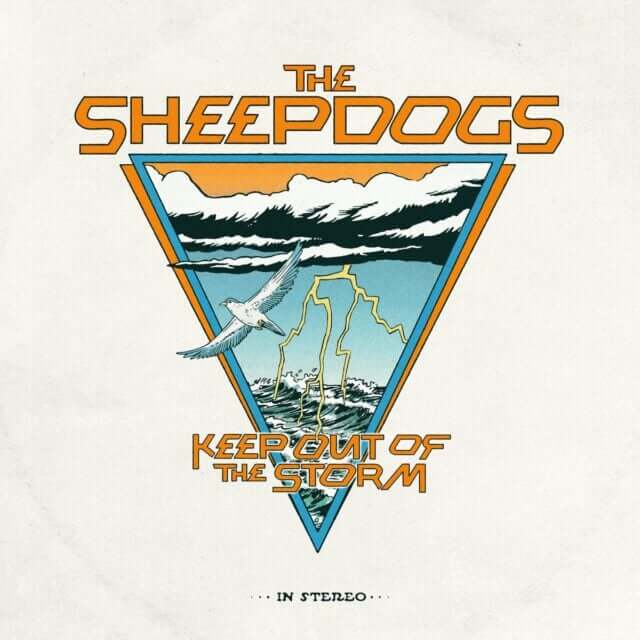
If this record put a specific image in your head—denim, amps, a hand-painted storm sign—you can hang that mood on your wall too. If you want, shop your favorite album cover poster at our store: https://www.architeg-prints.com
 | DISCOUNTGET 30% OFF*Use code on your next order:
|
* This post may contain affiliate links, meaning we earn a commission if you make a purchase through these links, at no additional cost to you.