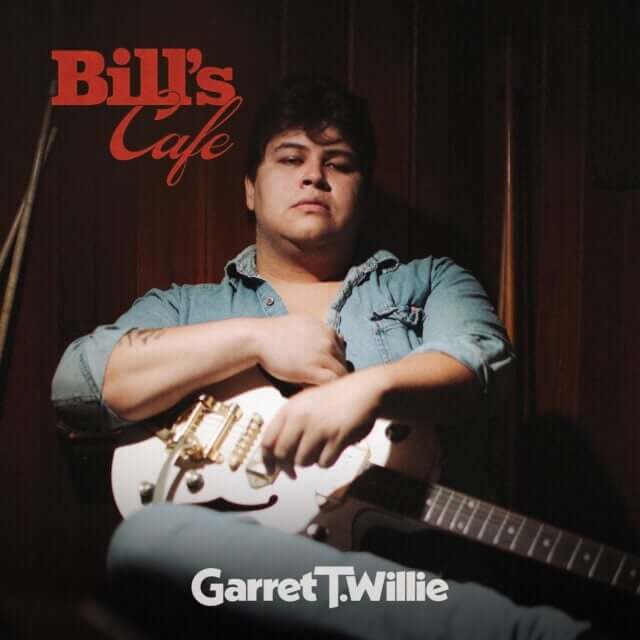
Garret T. Willie’s Bill’s Cafe: Blues With Teeth, Not Polite Nostalgia


 See more Architeg Prints stories on Google.
Garret T. Willie’s Bill’s Cafe: Blues With Teeth, Not Polite Nostalgia
Bill’s Cafe plays like a late-night drive that won’t end—grit, ghosts, and big blues-rock swings, with just enough mess to feel human.
Welcome to the kind of record that smells like gasoline
Some albums want to be admired. Bill’s Cafe wants to grab you by the collar, drag you into the parking lot, and tell you a story you’re not sure you’re allowed to repeat.
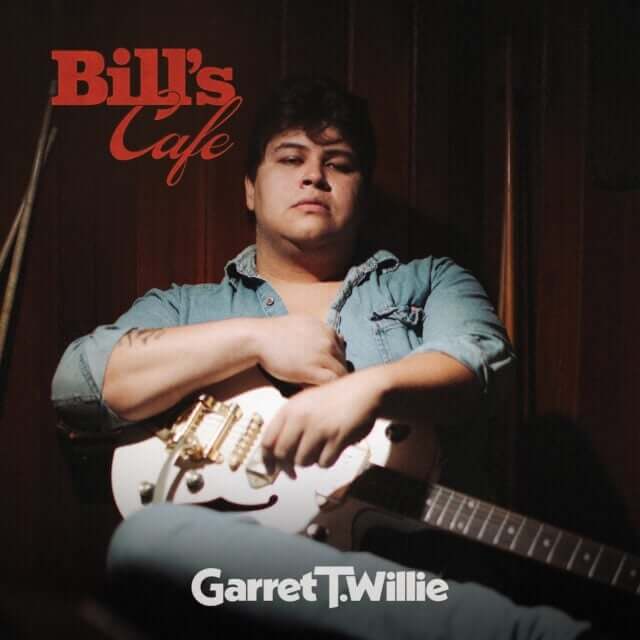
That “Johnny Cash” shadow isn’t a cosplay—it's a compass
Here’s what’s actually going on: the album opens its emotional gate with lineage. Before the first writing session, Garret T. Willie walked through the Johnny Cash Museum, and you can hear the aftershock of that choice in the way these songs carry themselves—heavy boots, straight posture, no wasted sentences.
The detail that sticks is the personal one: Willie’s grandfather apparently looked uncannily like Cash—same face, same Air Force service, same quiet gravity. And the record treats that resemblance like a match to dry kindling. It’s not “I love classic outlaw stuff.” It’s more like: I might be connected to this whether I asked for it or not.
That’s where the album’s intent starts showing. It ties his Indigenous roots and small-town upbringing to that outlaw storytelling lineage, not as a history lesson, but as a permission slip: I’m allowed to sound timeless because my life already is.
I’ll admit I hesitated at first—museum epiphany stories can turn into corny branding real fast. But the way the record carries its weight makes it feel less like marketing and more like someone getting spooked by their own reflection.
Bill’s Cafe isn’t “a vibe”—it’s a schedule: late nights, long drives, Nashville
The record plays like it was assembled in motion. It was written and recorded between late nights, long drives, and Nashville sessions, and that matters because the pacing feels like someone catching songs on the run—half confession, half survival tactic.
This is the map the album keeps unfolding:
- whiskey-fueled nights that aren’t glamorous, just inevitable
- missed chances that don’t get redeemed on cue
- stubborn resilience that sounds more like irritation than inspiration
- the specific freedom of chasing music town to town (which is freedom, sure, but also a kind of self-inflicted weather)
Calling Bill’s Cafe “grit, heart, and soul” sounds like a cliché until you notice how often the songs act like they’re trying to outrun something. The record doesn’t sit down and explain itself. It keeps moving, like if it stops, it’ll have to feel everything at once.
And that’s the trick: the album sells restlessness as honesty. A reasonable person could argue that’s romanticizing instability. I think it’s the opposite—Willie makes the instability sound unromantic on purpose, like he’s trying to cure himself by saying it out loud.
The voice is a weapon, and the guitar is the steering wheel
With a guitar always in hand and a voice that cuts like hi-beam headlights on a dark backroad, Willie doesn’t just perform these songs—he drives them. That vocal tone is the album’s most consistent “instrument”: bright enough to blind, rough enough to scrape paint.
Bill’s Cafe keeps circling the forces that hold people in place:
- love (the kind you stay loyal to even when it’s bad for you)
- loss (not poetic, more like missing teeth)
- addiction (treated like gravity, not a plot twist)
- ambition (not motivational—more like hunger)
- music as survival (not metaphorically; it’s treated like a necessity)
The album’s big claim—whether it means to or not—is that the most dangerous thing is also the most irresistible. It frames temptation like a magnet. And honestly, it’s persuasive, sometimes uncomfortably so.
If I have one small gripe: the record occasionally leans so hard into “raw energy” that subtlety gets crowded out. A few moments feel like they’re shouting to prove they’re real. Then again, that overreach is probably part of the portrait—people don’t “tastefully emote” when their life is on fire.
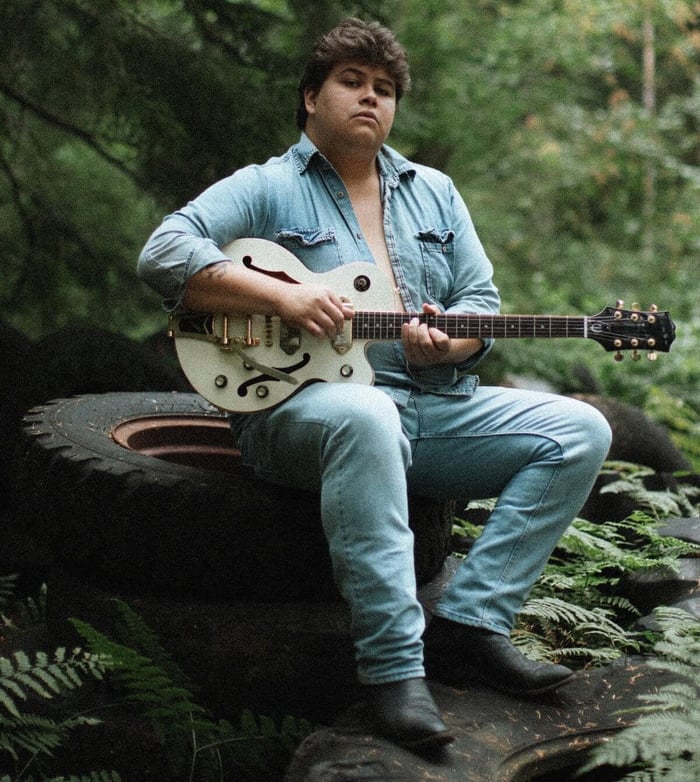
The edge is the point: stompers up front, backseat ballads in the rearview
That dangerous edge runs through the whole thing. The album swings between roadhouse stompers and backseat ballads, and it’s not doing it for variety—it’s doing it because that’s how nights actually go. Loud confidence, then the quiet hangover.
Willie keeps shining a light on hustlers, heartbreakers, and the broken pieces everybody pretends they don’t have. What I like is that he doesn’t politely “sing the blues.” He spits them, shouts them, bends them until they stop sounding like a museum exhibit and start sounding like a problem in the present tense.
If you want a neat, well-mannered blues record, this album will irritate you. It keeps scuffing its own shoes on purpose. And I think that’s the only honest way to make this tradition feel alive: you don’t preserve it, you risk it.
This album is building a bridge—and it’s doing it the hard way
In Bill’s Cafe, Willie isn’t just honoring the past. He’s building a bridge between places and versions of himself: Alert Bay and Nashville, tradition and reinvention, family ghosts and future fire.
What surprised me is how little the record begs for approval. It doesn’t sound like “please let me join the canon.” It sounds like “I’m already in the room—deal with it.”
And on second listen, I realized my first impression was slightly off: I initially thought the album was chasing that outlaw myth for the aesthetic. But the more it played, the more it felt like the myth was chasing him. There’s a difference between dressing up as a story and being trapped inside one.
The live-show energy is baked in—sometimes to a fault
The record keeps hinting at what Willie is like on stage: undeniable, no gimmicks, no fluff—just raw shredding, searing tone, and solos that rip through the room. He’s only 25, yet the voice is described like gravel soaked in experience, and the overall presence is framed as towering.
There are specific physical images attached to his performance style—bending the guitar behind his head mid-solo, leaping into the crowd—and the album seems to be reaching for that same closeness, like it wants the listener to feel the heat of the amp.
Here’s where I’m not totally sure it always works: sometimes when a record tries to bottle “concert electricity,” it can flatten dynamics into one long adrenaline line. Bill’s Cafe mostly avoids that, but there are moments where I kept waiting for a deeper breath—one more pause, one more silence, one more risky calm section before the next surge.
Still, the intent is clear: the live show isn’t a separate thing from the album. The album is trying to behave like a show you survived.
The backstory matters because it explains the confidence
Willie’s earlier mark came with his debut album Same Pain, written with Parker Bossley at Afterlife Studios in Vancouver. That record’s momentum is part of why Bill’s Cafe sounds so unafraid of big choices—it’s coming from someone who’s already watched songs travel.
The details are specific and they paint a trajectory, not a victory lap:
- Same Pain hit the Top 20 on the U.K. Blues Albums chart (2023)
- it also charted on the U.S. Roots Music Blues Rock chart (2023)
- it earned Western Canadian Music Award nominations for Blues Artist Of The Year and Indigenous Artist Of The Year
- it pulled a nomination for Best New Touring Artist at the Canadian Live Music Industry Awards
- he took those songs across Canada and the U.S., opening for Kenny Wayne Shepherd, John Fogerty, and Kingfish
- he also performed on Joe Bonamassa’s Blues Cruise, alongside Marcus King, Jimmy Vivino, Jeremie Albino, Ariel Posen, and others
All of that reads like context, but it also explains the album’s posture. Bill’s Cafe doesn’t sound like a “hope this works” record. It sounds like a “this is what I do” record. That can come off cocky—some listeners will hate that. I think the confidence is earned, and the record’s rough edges keep it from turning smug.
Listen links (from the original embeds)
Spotify album embed link (URL as provided, with tracking removed):
https://open.spotify.com/embed/album/2tvE10Q0XHX7KteS8XXalF
Conclusion: Bill’s Cafe isn’t trying to be liked—it’s trying to be true
Bill’s Cafe comes off like a young artist deliberately choosing old weight: family shadows, outlaw narrative gravity, and the idea that music isn’t a hobby—it’s a lifeline. When it’s best, it feels lived-in without feeling antique. When it overreaches, it does so the way real nights do: too loud, too fast, then suddenly over.
Our verdict: People who like blues-rock with bite—where the voice is sharp, the guitar plays like it’s escaping, and the stories don’t tidy themselves up—will latch onto Bill’s Cafe. If you prefer tasteful restraint, studio polish, or lyrics that wrap things up with a bow, you’ll probably call this “a lot” and mean it as a complaint.
FAQ
- What is the core mood of Bill’s Cafe?
It feels like motion—late nights and long drives—where the songs keep pushing forward instead of settling into comfort. - Is Bill’s Cafe more traditional blues or modern blues-rock?
It plants itself in blues and rock tradition, but it doesn’t treat that tradition gently; it pushes for danger and urgency. - Does the album focus more on storytelling or performance?
Both, but the performance energy often leads; the storytelling feels like it’s being shouted from inside the moment. - What themes keep showing up across the record?
Love, loss, addiction, ambition, and music-as-survival—presented as real pressures, not poetic concepts. - Is this the kind of album that rewards multiple listens?
Yes, because the initial hit is intensity, but the longer you sit with it, the more the “why” starts to show through.
If this album’s grit is your kind of décor, a good album-cover poster is basically the only civilized way to keep that energy on the wall. You can shop favorites at our store: https://www.architeg-prints.com
 | DISCOUNTGET 30% OFF*Use code on your next order:
|
* This post may contain affiliate links, meaning we earn a commission if you make a purchase through these links, at no additional cost to you.