DREAMS ON the Passenger Seat Review: DAMEDAME* Makes Home Uncomfortable


 See more Architeg Prints stories on Google.
DREAMS ON the Passenger Seat Review: DAMEDAME* Makes Home Uncomfortable
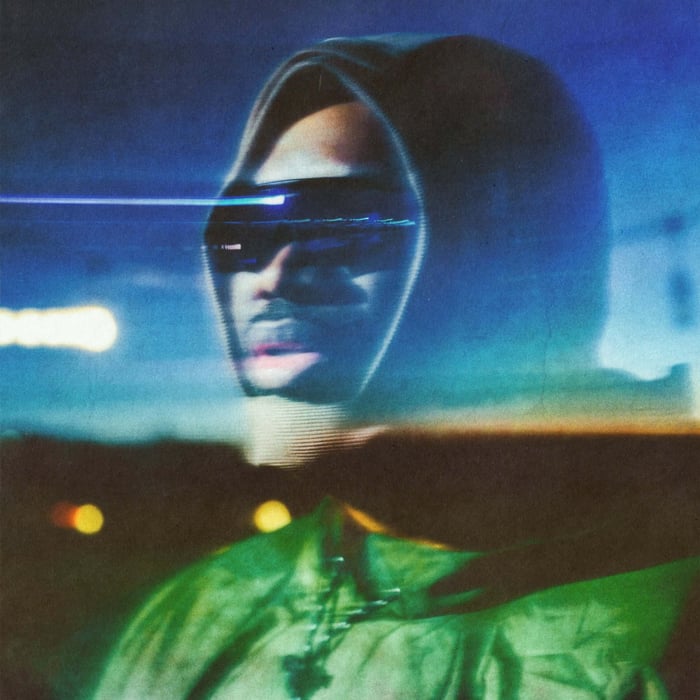
Exploring the complexities of home, love, and survival, DAMEDAME*’s DREAMS ON the Passenger Seat delivers an intimate and raw R&B album that challenges traditional notions of comfort and connection.
This isn’t an album that introduces itself. It shows up like a message you didn’t answer, then stands there in your hallway. DREAMS ON keeps dragging the word “home” back into the room, but not as comfort—more like a place where you learn to swallow your real feelings so the vibe stays “fine.”
At first, I thought it was going to be a sleek, low-stakes R&B project—pretty, moody, politely sad. On second listen, it hit me that DAMEDAME* aren’t polishing sadness. They’re weaponizing domestic detail: who cooks, who avoids the question, who gets to be messy, who has to translate themselves into something tolerable.
Who DAMEDAME* are, and why the “home” theme isn’t cute
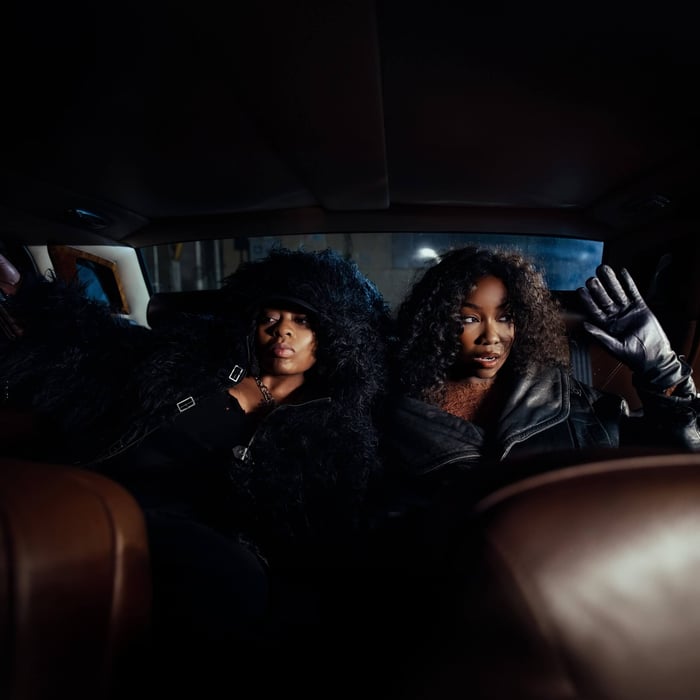
Let’s ground this: DAMEDAME* is Barbara Boko and Edith Nelson—two Black women from Walsall in the West Midlands, not far from Birmingham. They came up writing and producing first, then stepped into singing more recently. And you can hear that order of operations in the album’s choices: the vocals don’t feel like “frontwoman worship.” They feel like another instrument delivering the evidence.
The connections around them matter in a practical way, too. There’s a line that sticks in my head because it frames the whole idea of “home” as something you return to with baggage attached. As Jorja Smith put it:
“It was the album that brought me home.” — Jorja Smith
On DREAMS ON, “home” isn’t a postcard. It’s a lived-in place where:
- someone feeds you, which is love and leverage at the same time
- your partner dodges direct answers, like ambiguity is a hobby
- your private sadness stays off Instagram because you’ve learned what gets punished
If you came here expecting escapism, this album basically says: no, we’re going back to the kitchen table—pull up a chair.
“CINNAMON”: the album’s most casual gut-punch
The pivot into the album’s real agenda happens early with “CINNAMON.” The track drops a specific address of home—an anchoring move that makes everything feel less like “a vibe” and more like a location you can’t stop revisiting.
It also uses a sampled vocal from Jabez Walsh production, and that sample doesn’t feel like decoration. It feels like somebody else’s ghost walking through the room. The speaker hopes someone will actually show up: “Come look for me I’m home/It’s good for me.” That’s a brutal line because it doesn’t claim life is good—only that being found is.
Then the track starts exposing the deal she’s made with “security,” and it’s not flattering. She admits security can be “one hell of a drug,” and the album treats that like a dependency, not a goal. The transactional thought is already forming: “I use my loneliness for ransom does that tell you enough.” That’s not romance; that’s negotiating terms with your own emptiness.
And the insomnia detail—dreaming all night without sleeping—lands like a punishment she’s trying to pass off as ambition. There’s an image of faith dying without bouquets at its grave, and the travel imagery (Vietnam, the Philippines) doesn’t come off as wanderlust. It feels like getting flung eastward by life, then still telling yourself: don’t go home girl, stay. Arguably the cruelest part of “CINNAMON” is how it turns “stay” into something you chant to survive.
“FREEDOM”: Jorja Smith shows up, but the song doesn’t “feature” her
Next bridge: once “home” has been established as complicated, “FREEDOM” swings the door open to the bigger word people love to say without paying for it.
Jorja Smith appears on the track, and what I like is that the writing doesn’t treat her like a trophy. If anything, she’s used as a pressure gauge. The lyric flips “freedom” into a challenge: “You wan’ talk bout freedom/Walk without freedom first.” That isn’t inspirational; it’s basically a slap on the wrist for anyone who thinks freedom is a slogan you put on a hoodie.
Then comes the cost: “When the colours disappear/Over the years/I lost my way.” That line doesn’t need extra poetry. It’s just the sound of someone realizing the self they thought they were building has been quietly eroded.
The song also speaks to someone scared but convinced the thing they need is already inside them. And the advice is blunt: “Don’t sell your soul could you live with it/On the edge don’t lose your grip.” That’s the album in miniature—a constant negotiation between survival and self-betrayal.
“A STRANGER” and “LANGUAGES”: intimacy as whiplash
From there, the album narrows back down to the relationship mess—the part where you can’t tell if you want closeness or a locked door.
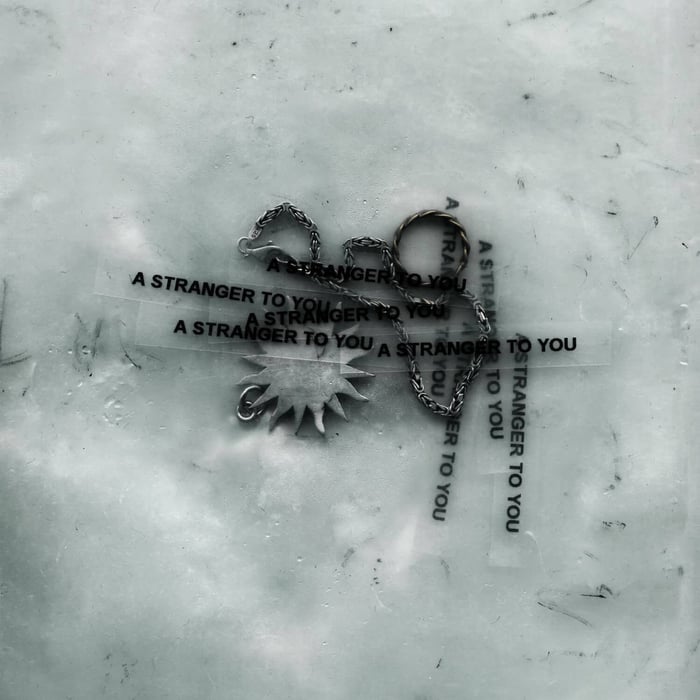
“A STRANGER” captures that push-pull in a line that’s almost embarrassingly honest: “One minute I need ya/Next minute I wanna be alone.” It starts as a relatable contradiction. Then it turns darker, and I’m not totally sure whether it’s meant as metaphor or a genuine glimpse into self-destructive thinking: “Don’t leave by the noon/Hold me by the noose/Hold me by the sun/Hold me by the moon.” The jump from noon to noose is the point—uncertainty turning into imagery that bites back.
Reuben Reynolds plays guitar here, and he also plays on “LANGUAGES,” which is noticeably lighter—almost like the album cracks a window open for air, just to prove it can.
“LANGUAGES” watches a girl’s body like it’s a sentence waiting to be spoken, but the entire tension is that no one can actually communicate. The track insists they don’t speak the same language. Then it slides into desire anyway: “Baby girl don’t be shy/I see that you wanna be mine.” Here’s my mild criticism: the girl stays unnamed and faceless with no lines of her own, and the song doesn’t interrogate that power dynamic—it just uses it. Maybe that’s intentional (desire can be selfish), but it’s one of the few moments where the album feels like it takes without giving equal interiority back.
Still, it’s a sharp choice: the “lighter” song is the one where communication feels most impossible.
“PROMISE” and “ALL OF MY LIFE”: commitment with an expiration date
Once the album has established that intimacy is unstable, it does something sly: it asks for commitment, but not in the romantic fairytale way. More like a contract signed under emotional weather.
“PROMISE” pushes that idea hard: “If I die/God forbid that you ain’t by my side/Is that a promise.” That’s not a cute hypothetical. It’s an ultimatum disguised as vulnerability. The narrator calls herself a dreamer and practically rolls her eyes at anyone who isn’t. And honestly? That arrogance is part of the album’s engine. DREAMS ON often frames dreaming as the only moral position—arguable, but consistent.
Then “ALL OF MY LIFE” (co-written with Alastair O’Donnell) turns the demand inward. The speaker admits she’s spent a lifetime trying to become what someone else wanted: “Feel myself falling slowly drowning in the oceans.” The begging gets shorter like someone running out of breath. The line collapses from “Don’t let it be over” down to “Will you be my friend.” That reduction is devastating because it’s what happens when romance fails and you start asking for the smallest survivable version of connection.
This is also where my first impression fully flipped. I initially heard the album’s pleas as dramatic. Now they sound like a person testing which kind of love they’re allowed to ask for without being punished.
“BURIED IN THE SAND”: the breakup with manners, then French on purpose
The next bridge is the exit. Not the cinematic exit—the exhausted one.
On “BURIED IN THE SAND,” she decides: “I cannot stay for another second/I will live alone not lonely in your love.” That line matters because it refuses the classic breakup pity-party. It’s not “I’ll be lonely without you.” It’s “your love is the thing making loneliness worse.”
Then she switches into French: “On est assez cassé la la/See ya ya cha cha ciao/Dis moi au revoir comme sa la.” It’s a jarring move, but it reads to me like a coping mechanism—when English holds too much history, you reach for another tongue. There’s even a wish-you-well message in English mid-track, which lands as the most polite moment in the whole thing. Almost suspiciously polite, like manners are the last piece of control she has left.
“SMS”: saying to God what you can’t text a partner
From breakup to prayer is a short walk on this record.
On “SMS,” she talks to God with the kind of bluntness people only use when they’ve run out of social energy: “Nobody can save my soul I don’t wanna wake up, God shake my soul Nobody’s gonna take my woe.” The next verse gets even simpler and therefore sharper:
“I look at the news, I’m sad/I look on the ‘gram, I’m sad,” and then, “I don’t show it.”
That’s the album’s thesis right there: the performance of being fine is constant, and it’s exhausting. The self-questioning spirals through worthiness and capability—starting with money and ending with nerves—like she’s auditing her own right to exist in her life.
One detail cuts through: “I don’t like sitting in these meetings whilst they rub their hands.” That’s not a vague “work is stressful” line. That’s a specific disgust at corporate hunger, at watching people profit off decisions that don’t feel human.
The track even names imposter syndrome, folds in smoking, and flashes a memory of moving cars in a life that God ended for her. I’m not completely sure what that last image means literally, and I don’t want to pretend I am. But I know what it feels like: a past self getting erased, with no ceremony, and you’re supposed to be grateful anyway.
“FIRE BURNIN’ THRU THE RAIN” and “LUV MYSELF”: the CV, the confession
The album closes its argument by turning biography into proof.
“FIRE BURNIN’ THRU THE RAIN” lays out work history like a résumé you read aloud because nobody believes you struggled unless you show receipts: “Had 25 jobs when I was only 25.” Then: “I’ve seen many many trials in my Air Force 1s.” The sneaker detail is doing real work—keeping the story grounded in a body that had to walk through it.
The song brings in friends who didn’t make it, and a hard truth about prayer: it’s easier to pray for other people’s needs than for your own. That’s not because you’re noble. It’s because asking for yourself makes you face what you actually want.
Then “LUV MYSELF” takes the blame and pushes it inward. She tells the girl that the ones outside are the same anyway—like the external world is just different packaging for the same disappointment. And then the real dig: “Been playing villain all my life/Now I know I really shoulda love myself.” That line doesn’t feel like a self-help sticker. It feels like someone admitting they built an identity around being “the problem” because it gave them a role to hold onto.
By the end, she misses the same woman again. She says she knows the difference between good and best, yet she still hopes she’s wrong. That’s the part that makes the album sting: even with self-awareness, desire doesn’t politely leave the building.
Conclusion: the album isn’t about dreaming—it’s about the cost of it
DREAMS ON keeps returning to the same uncomfortable idea: home, love, work, faith, even language—none of it is neutral. DAMEDAME* write like people who’ve watched “security” turn transactional, watched prayer turn sideways, watched romance shrink into bargaining. It’s intimate music with its sleeves rolled down, hiding bruises in plain sight.
Our verdict: People who like their R&B emotionally specific—texts to God, meeting-room disgust, love that feels like negotiation—will get hooked on DREAMS ON fast. If you need choruses that resolve cleanly or characters who explain themselves neatly, this album will feel like being trapped in a group chat where nobody answers the question.
FAQ
- Is DREAMS ON more about romance or selfhood?
It keeps pretending it’s about romance, then quietly reveals it’s about selfhood—specifically, how often you trade it away for a little stability. - What track best explains the album’s “home” theme?
“CINNAMON.” It names home directly and makes it sound like a place you’re desperate to return to and desperate to escape. - Does the album ever lighten up?
“LANGUAGES” is lighter in tone, but the irony is it’s also where communication feels most impossible. - What’s the most direct moment on the record?
“SMS” when she admits she’s sad looking at the news, sad looking at Instagram, and then says she doesn’t show it. That’s the whole modern performance in one breath. - Who feels like the emotional center of the album?
The narrator, but also the unnamed girl who keeps reappearing as a test of attachment—present enough to haunt, absent enough to stay unresolved.
If this album got under your skin, you might want to hang onto that feeling visually too—album art does that. You can shop your favorite album cover poster at our store: https://www.architeg-prints.com
 | DISCOUNTGET 30% OFF*Use code on your next order:
|
* This post may contain affiliate links, meaning we earn a commission if you make a purchase through these links, at no additional cost to you.