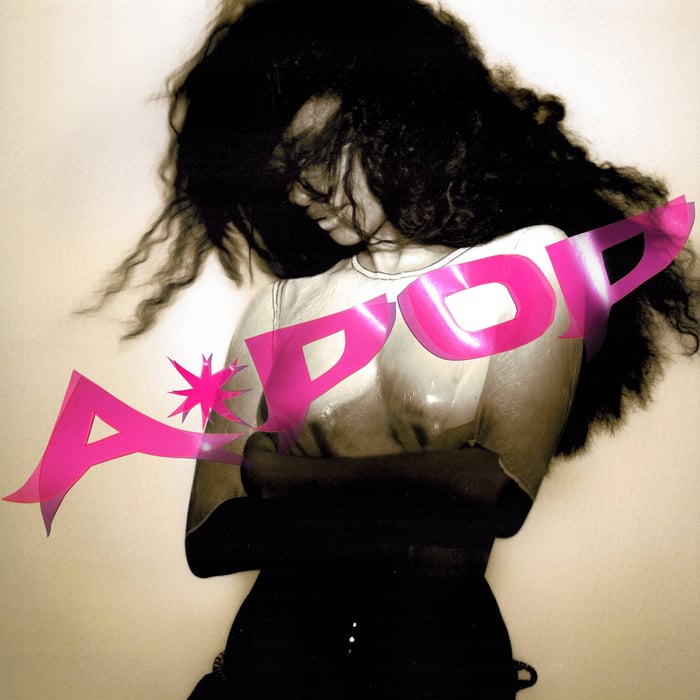
Tyla’s A*POP Review: Pop With Teeth (and Receipts), Sorry Not Sorry

 See more Architeg Prints stories on Google.
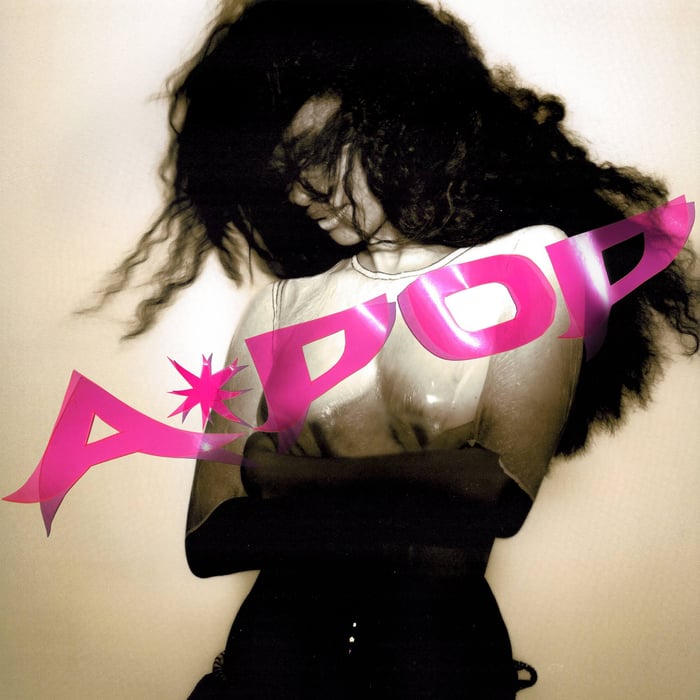
Album Review: A*POP by Tyla
An A*POP review that cuts past the sweetness: Tyla turns romance into a receipt-checking sport, then admits she’s not always sure what she wants.
This album isn’t flirting — it’s auditing
Most pop albums want you to fall in love. A*POP wants you to submit documentation.
Before I even hit play, one line framed everything for me: Tyla basically announcing she’s done being perceived as “the girl” version of herself. She said,
“I’ve been through it, and I feel like a woman now… What’s this Tyla now?”— and yeah, that’s the energy you hear all over this record.
The funny part is how stern the answer sounds. Not “soft but strong.” Not “healed.” More like: I don’t believe you, show me. The voice is sweet, the writing hands out cute lines like candy, but the personality inside them is basically a bouncer with a clipboard.
And I’ll be honest: on first impression I thought this was just going to be another slick set of relationship songs with expensive perfume sprayed on top. On second listen, it clicked that she’s not selling romance here—she’s setting terms.
Proof is the love language, and tears are the currency
This is where the album shows its teeth. The men in these songs can talk all they want, but Tyla treats talk like spam mail.
In “Is It Love”, she turns compliments into a dead currency. She’s heard “you’re cute” so many times it doesn’t even register as information anymore. The demand is blunt: don’t say it, prove it. And the proof she wants isn’t a grand gesture you can fake with planning—it’s tears, the kind that have to meet a visible standard. That’s not romantic; that’s quality control. A reasonable listener could call it cold. I think it’s more like she’s tired of being sold on words that never clear.
“Chanel” raises the price tag, but it’s the same test. If he “loves” her, why isn’t she being shown that love in something tangible? The hook turns the guy into a shaky investment: walks in acting sure of himself, then falls apart, comes with baggage, and somehow she’s the one paying the cost. It’s a harsh way to frame a fling, but it’s also the first time this album really says the quiet part out loud: romance is expensive, and she’s done being the only one footing the bill.
Then “That Girl” flips the whole power dynamic. Instead of waiting for a man to validate her with purchases or attention, she buys herself the fantasy: diamonds, watches, and a trip somewhere her phone won’t work. That detail matters—no phone means no access, no chasing, no performing availability. It’s self-spoiling as self-defense. If someone thinks that’s shallow, fine. I hear it as a woman making sure her life still feels big even when men show up small.
The warnings come first — and the vibes are a little threatening
From here, the album stops pretending this is a gentle negotiation.
“She Did It Again” leans dancehall-heavy and basically opens with a caution sign: the guy is in danger, and not in a cute way. Tyla’s delivery makes it clear she’s not playing a game she plans to lose. The line
“Baby, this is all child’s play to me”lands like she’s patting him on the head while taking his keys.
Zara Larsson shows up and tries to match that menace for a verse—credit to her, she doesn’t fold—but Tyla comes back sounding even sharper, like she just realized the relationship isn’t mutual effort at all.
“We are not a team, this is not FIFA / No replays, no wheel-ups.”That’s a ridiculous comparison on paper, which is exactly why it works: she’s mocking the idea that he gets second chances just because he wants them.
“Mr. Nonchalant” is the same energy, just dressed in a silkier outfit. Less outright threatening, more like she’s amused that he thinks he’s hard to read. She crowns herself “Mrs. Get Anything I Want,” clocks his eyes (because they match her thong, which is both petty and honest), and then “hires” him on the spot.
“No special occasion, but you can wear me like a neck tie.”If that doesn’t sound like romance as employment contract, I don’t know what does.
An arguable take: these two tracks don’t just warn men—they also reveal how much Tyla enjoys being the one who sets the temperature. It’s not just defense. It’s control as pleasure.
Then she swerves: suddenly she’s the one reaching
Right when the album risks becoming one long victory lap of dominance, it does something smarter: it lets Tyla soften—but not in a helpless way. More like she’s testing her own rules.
“Fairytale” (with Liquideep) is uptempo pop-flavored, and for once Tyla sounds like she’s offering something instead of demanding it.
“Can I be your fairytale? / Promise I will love you well.”Liquideep responds like they’ve been waiting for permission to be sincere, promising they’d go through pressure and heartache again just to be with her. It’s a sweet moment, but I don’t think it’s naive. It reads like she’s checking whether tenderness can exist without turning into a trap.
“Right Now” pushes that further. She reaches out first late at night, fully aware of what that implies. And she calls out the mutual bluff:
“I know that you miss me, but you play it down.”No speeches, no “let’s talk.” She wants back into the bed they made and wants to skip the emotional paperwork about yesterday. You could argue that’s avoidance. I think it’s Tyla admitting the body often votes before the brain does.
“Kiss” is all déjà vu and new perfume—craving dressed up as freshness. She calls the guy her drug, and the track leans into that “I know this is bad for me but I want it” loop. And then “Crazy of Me” (with MaWhoo singing in isiZulu) flips the apology script: Tyla’s the one saying sorry, admitting she thought she had enough time.
She wishes someone told her earlier.That line doesn’t play like weakness to me; it plays like regret showing up late, as usual, wearing boots.
I’m not totally sure if this run of songs is her opening up—or if it’s her proving she can still be the first to reach without surrendering the upper hand. Either way, it adds needed messiness.
Where the writing thins out, you can hear it
Here’s the part where the album doesn’t fully get away with its own confidence.
“Double Blind” and “Hot Tubs” feel noticeably less written—like the pen lifted before the thought finished cooking. “Double Blind” is mostly her following instructions and offering to jump from here. “Hot Tubs” lands on a shrugging confession:
“I am not a saint / I don’t wear a cape / I made a mistake.”
Nothing about either track embarrasses her, but they do feel thin in a way the stronger tracks don’t. The hooks and vibe keep them afloat, sure—but it’s like watching a great actor improvise through a scene that needed one more draft. If you came for lyrical pressure, these are the moments where the album glances away.
Arguable statement: the record could’ve cut one of these and lost nothing except runtime.
“Is It” is the real center: the bravado cracks
After all the demands for proof and the warnings and the shopping-as-boundaries, “Is It” is where the album suddenly gets interesting in a different way.
This is the best writing here because it finally points the flashlight back at her. She starts interrogating her own behavior:
Is it the fact she doesn’t give a fuck? Is it the men she doesn’t miss?And instead of landing on an answer, she lists suspects like she’s reconstructing a night out: the unzipped dress, the girls she came with, the cup leaving her lips.
Even the goal gets questioned:
Is it the idea that I like? Or do I really want to make you mine?That’s the key pivot. This is the same person who demanded tears as evidence—now she’s dancing with no clear story about herself. And the way she resolves it is so blunt it’s almost funny:
“Either way, I need a little more.”
If you think pop has to be “relatable” to be good, this track is the argument. Not because it’s tidy—but because it admits that desire doesn’t always come with a thesis statement.
No questions left: the ex gets the clearest sentence
Then the album slams the door.
“I Don’t Care” has no uncertainty at all. The ex is out every week hoping to see her, even following her friends now. Tyla explains the situation in the plainest English possible:
“Could you make it make sense? / We so in the past sense.”It’s almost annoyingly clear, which is exactly the point—she’s not dressing this up to make him feel better.
He doesn’t even get access through her social circle; her friends never liked him anyway. Somewhere, he’s still scanning rooms on Friday nights hoping she’ll appear, and Tyla really wrote a whole song about the fact. That’s petty, but it’s also clean. The album’s whole “proof” philosophy ends here: his proof is his behavior, and it’s not flattering.
Arguable take: “I Don’t Care” isn’t just a breakup track—it’s Tyla enjoying the power of being unmissable while refusing to be reachable.
Where I land on A*POP
I’m calling A*POP great, mostly because its best songs aren’t just catchy—they’re specific about what they’re doing. This isn’t an album about love. It’s an album about what people try to pass off as love, and what it costs when you believe them.
Favorite tracks
- “That Girl”
- “Double Blind”
- “Mr. Nonchalant”
Even with my complaints about the thinner writing on a couple tracks, the album’s main move still lands: Tyla turns affection into a negotiation where she refuses to be the one “hoping” ever again.
Conclusion
A*POP plays like Tyla keeping her heart in one hand and a clipboard in the other. It’s flirtatious, sure—but the flirting is mostly a trap door for anyone who confuses talking with showing up.
Our verdict: People who like pop that acts sweet while quietly setting rules will love this; anyone who needs their romance songs soft, forgiving, and endlessly patient is going to feel personally scolded. If you’ve ever rolled your eyes at a “good morning” text that came with zero real effort attached, Tyla’s basically writing your anthem.
FAQ
- What does “A*POP review” really focus on here—sound or message?
The message, because the songs make their point through demands, warnings, and specific lines about proof, money, and attention. - Is A*POP mostly about distrusting men?
It’s more about distrusting claims. The album keeps asking for evidence—tears, gifts, showing up—anything but speeches. - Which track shows Tyla at her most uncertain?
“Is It.” She questions her own motives and can’t even tell if she likes the person or just the idea. - Does the album ever soften emotionally?
Yes—“Fairytale,” “Right Now,” and “Crazy of Me” let her reach first, apologize, and admit regret without turning the whole album into therapy. - Are there any weaker moments?
“Double Blind” and “Hot Tubs” feel less written than the rest; the vibe holds, but the ideas don’t hit as sharply.
If this album’s attitude is your kind of wallpaper, a poster of your favorite album cover is the most reasonable way to live with it. You can grab one at our store: https://www.architeg-prints.com
 | DISCOUNTGET 30% OFF*Use code on your next order:
|
* This post may contain affiliate links, meaning we earn a commission if you make a purchase through these links, at no additional cost to you.